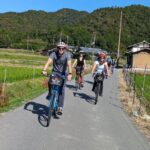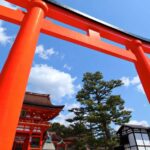
Morning Kyoto, minus the map stress. This guided e-bike tour is built for an easier way to see the parts you usually skip: calm alleyways, geisha districts, and a real pause by the Kamo River, all in about three hours. You ride with a local expert instead of figuring out streets, crossings, and where to park your brain.
Two things I really like: the equipment rental included setup means you can show up and go right away, and the private pace lets you stop when you want to take photos or ask questions. In past rides, guides such as Rich-San, Yuichi, and Annie reportedly made the stops feel personal, with clear explanations and patience while you fire off curiosity.
One drawback to weigh: weather matters. The tour runs in rain, with rain ponchos, but you may also have the option to switch to a bus/metro walking tour, and English skill can vary a bit by guide. If that would bother you, plan to bring simple questions and expect a friendly, practical conversation.
In This Review
- Key highlights to look for
- Why this morning Kyoto e-bike ride feels easier than walking
- Private pace: what you gain when it’s just your group
- Miyagawacho Kaburenjo: the calm alley atmosphere you came for
- Gion: geisha district elegance without the maze
- Tatsumi Bridge: a quick recharge along the water
- Kyoto Imperial Palace: cycling the garden paths like you belong there
- Kashiwayacho and the Kamo River: the pause that makes the tour feel worth it
- The e-bike reality check: effort, comfort, and what to wear
- Price and value: $103.04 is about saving time and confusion
- Rain plan and what to do if the weather turns
- Who should book this hidden alleyway morning e-bike tour
- Should you book it?
- FAQ
- How long is the morning tour?
- What’s the price per person?
- What does the tour include?
- Is this a private tour?
- How many people can ride with one guide?
- Can a single person book the tour?
- Does the tour run in rain?
- What are the child requirements?
- Where do you meet and when does it start?
Key highlights to look for
- Small-group private tour for your group, with a pace you can actually handle
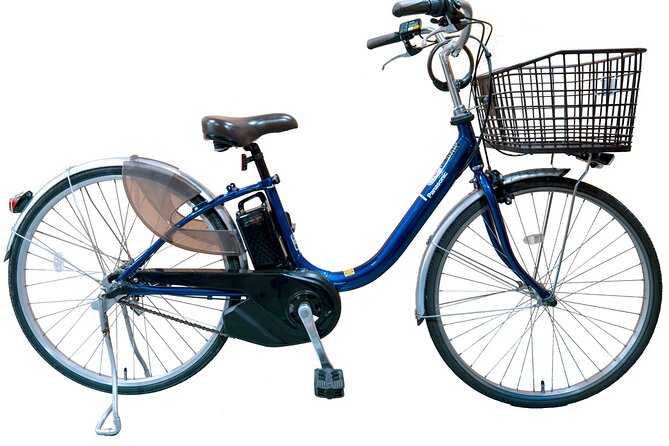
- E-bike equipment rental included, so no bike-shop hunt before you ride
- Geisha districts by bicycle, including Miyagawacho and Gion
- Kyoto Imperial Palace grounds from the saddle, on gravel paths
- Kamo River break in Kashiwayacho, built into the route
- Rain plan options, usually ponchos on the bikes, sometimes a bus/metro walking switch
Why this morning Kyoto e-bike ride feels easier than walking
Kyoto can be tough on a vacation schedule. You want old streets, good views, and cultural stops, but walking everywhere burns time and energy fast. A morning e-bike tour helps you cover a wide slice of the city without turning your day into a shin-splint contest.
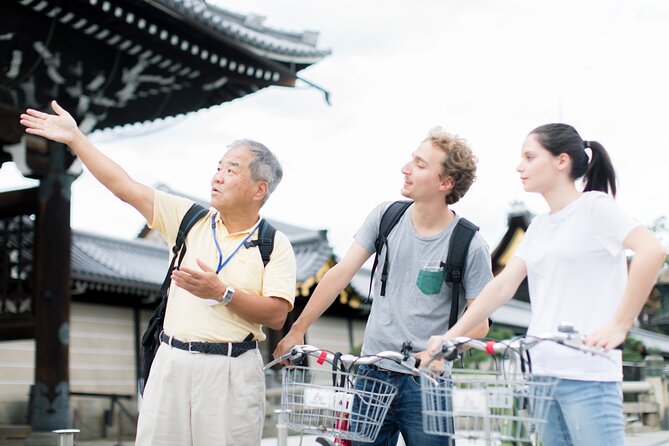
Here, the payoff is how the ride changes the feel of the neighborhoods. Instead of approaching sights from one direction and working your way back, you move like a local—rolling through districts, pausing at the best angles, and getting quick context from your guide as you go. The route also includes both the “pretty streets” moments and the “I didn’t know that” history moments, so you’re not just sightseeing—you’re assembling a map in your head.
And because it starts at 9:00 am, you’re often ahead of the heavier crowds. That doesn’t mean empty streets, but it usually means you get a calmer first look at the atmosphere.
You can also read our reviews of more tours and experiences in Kyoto
Private pace: what you gain when it’s just your group
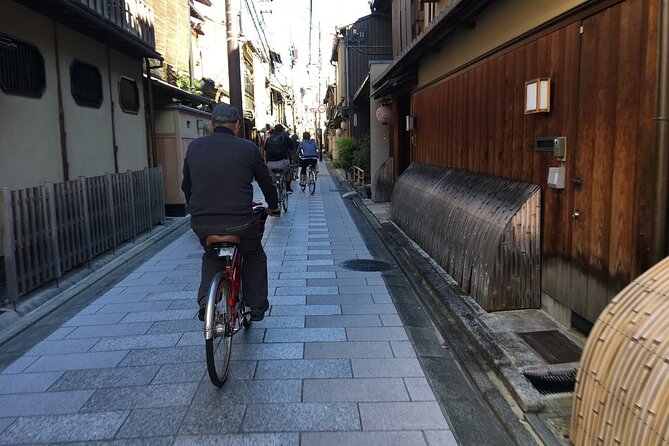
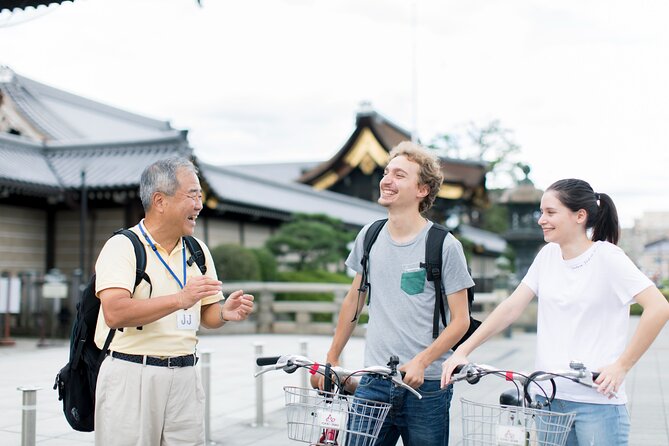
This is a private tour, meaning only your group participates. That sounds like a marketing line, but it actually changes the experience. You can linger at a turning, ask a question before you lose the thread, and adjust the rhythm without slowing down the whole operation.
The group size is also practical: the guide can take 2 to 6 guests. A solo traveler can’t be booked, so it’s ideal for couples, small families, and friends. If your group is larger (7 to 12), an extra guide can be arranged.
This structure matters because e-bikes are fun, but they’re also a skill you’re using in real traffic. A smaller group helps the guide keep an eye on how everyone is riding, especially when you’re transitioning from open areas to narrower lanes.
Miyagawacho Kaburenjo: the calm alley atmosphere you came for
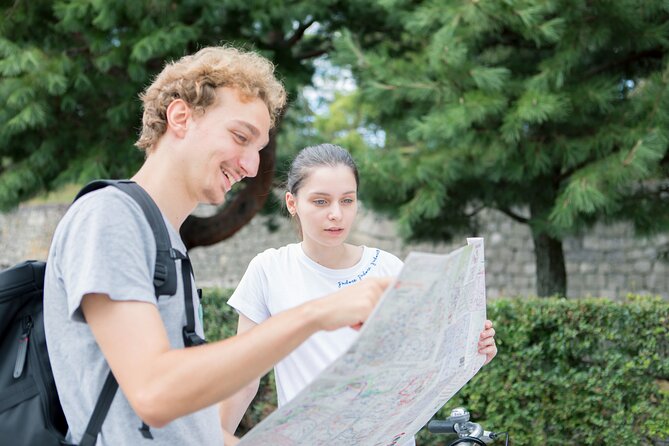
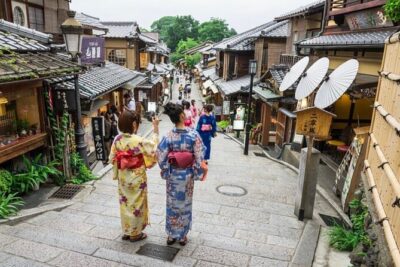
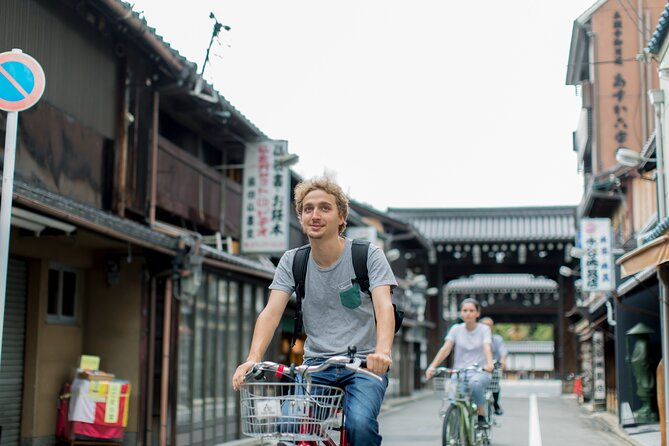
Miyagawacho is often described as Kyoto’s geisha district in a quieter key. You’ll get a chance to see it through a specific lens: an alley lined with traditional wooden houses on both sides. The street feels made for slow moments—exactly the kind of place where you can dismount, take a few photos, and watch the mood settle on you.
This stop is short on purpose (about 15 minutes). The value isn’t the length; it’s the contrast. After riding to get there, you’re dropping into an older rhythm where the buildings and narrow layout do the storytelling. You also get a quick introduction to why Miyagawacho matters among Kyoto’s geisha districts.
A practical note: this is the type of place where it helps to keep your phone ready but your attention even more ready. Move carefully through the lane, respect signage and private space, and don’t expect a grand spectacle. The charm here is in the small details and the quiet.
Gion: geisha district elegance without the maze
Then you roll into Gion, one of the most recognizable geisha districts in Kyoto. The atmosphere you’re aiming for is an elegant, old-times look, with Maiko girls and Geiko women historically associated with the area.
The main advantage of visiting by bicycle is flow. You’re not fighting one-way lanes while trying to locate viewpoints. You’re also not spending half your energy staring at maps and intersections. Your guide keeps you pointed the right way so you can spend your energy on what you actually came to see.
This stop is also around 15 minutes, which is about right. Gion can turn into a photo-rush if you let it. Here, the short time window helps you focus on key streets and then move on before you lose the sense of place.
If you want to remember what you saw, ask your guide to explain what you’re looking at—how the district evolved, what the forms and roles mean, and how the neighborhood is meant to feel.
Tatsumi Bridge: a quick recharge along the water
Next is Tatsumi Bridge, where the ride shifts from architecture-focused to nature-focused. The route runs by a stream, with willows described as swinging in the breeze. Even if you don’t catch everything at once, the feeling changes quickly when you’re near water.
Again, this is a short stop (about 15 minutes). Think of it as your emotional reset in the middle of the tour. You’re not trying to see every inch of the riverbanks; you’re taking in the scenery while your guide points out what makes the setting distinctly Kyoto.
This break is also useful for your ride stamina. E-bikes reduce effort, but you still want a moment to stretch your legs and shake out your shoulders. It helps you stay comfortable for what comes next.
Kyoto Imperial Palace: cycling the garden paths like you belong there
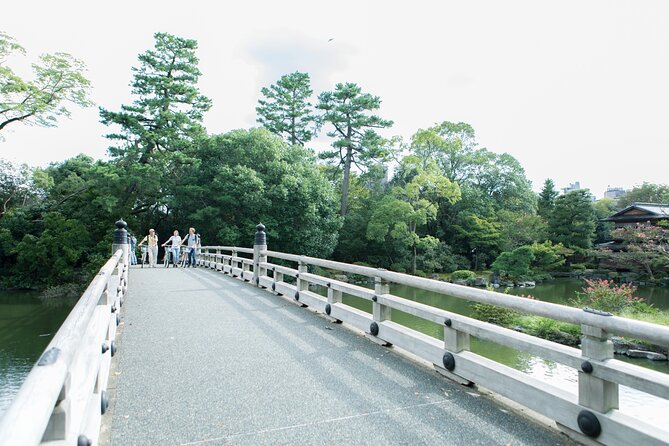
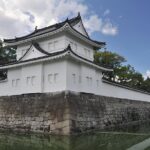
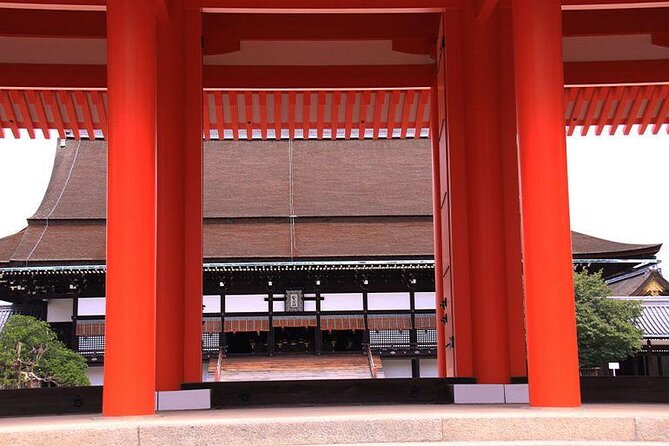
Then comes Kyoto Imperial Palace. This is a big-name stop, but the tour’s real trick is the approach. You cycle along gravel paths in the palace grounds instead of viewing everything from the outside.
The Kyoto Imperial Palace used to be the residence of Japan’s Imperial Family. Today, it’s open as a national garden, and the seasonal flowers are part of what makes it special. Your guide’s job here is key: they help you read the grounds so it’s not just walking-by-green.
About 20 minutes is allotted for this stop, which is a good compromise. It lets you experience the scale and feel of the grounds without forcing you to sprint through a large area. You’ll still want to slow down at moments that catch your eye, especially if the path opens into a view.
The only drawback I can see is that gravel paths require a certain attention level when you’re riding. If you’re new to bikes, keep both hands steady, follow the guide’s pace, and avoid braking abruptly.
Kashiwayacho and the Kamo River: the pause that makes the tour feel worth it
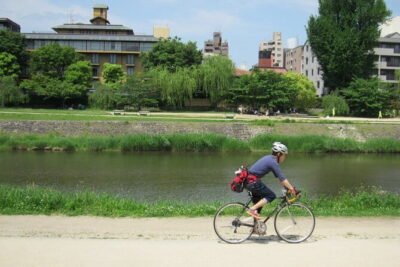
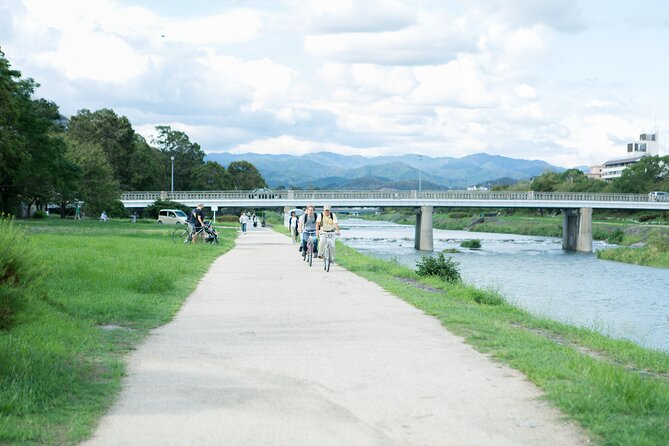
Finally, you head to Kashiwayacho for a resting moment by the Kamo River. This is where the tour turns from sightseeing to breathing space.
Kashiwayacho is described as a local area where residents relax by the river. The time here is about 20 minutes, and it includes admission. That detail matters because it suggests the stop is set up as more than a quick roadside photo.
I like ending on water because it gives your brain a place to land. After geisha district streets and palace grounds, the Kamo River brings balance. You get time to sit, watch movement, and reflect on what you learned earlier—without needing to keep moving to catch the next thing.
If you’re someone who tends to rush through Kyoto, this end stop helps correct the habit.
The e-bike reality check: effort, comfort, and what to wear
Even with battery power, you’ll still be pedaling. That’s part of the fun. But you should dress for cycling comfort, especially on a warm day. One recurring tip from people who did this ride: wear padded pants if you’re not used to riding a bike. Your comfort will affect everything else you enjoy.
Also consider how you’ll handle photos while riding. If you’re the type to stop frequently, tell your guide. A good guide will help you time it so you don’t create bottlenecks or feel rushed.
Because the tour is around three hours, you’ll likely feel like you did a lot, without feeling like you did everything the hard way. That balance is the point.
Price and value: $103.04 is about saving time and confusion
At $103.04 per person for about three hours, this isn’t a cheap activity. But it’s also not trying to be. The value is in three things you don’t easily get when you self-plan:
1) Bike equipment rental is included, which saves money and hassle up front.
2) You avoid map work and routing stress while still getting to multiple key areas.
3) You get context from a local expert, and the best guides reportedly stick around for your questions.
When your day is short, paying for structure often beats paying for suffering. If you’re in Kyoto for a day or two and you want meaningful coverage without spending hours planning routes, this can be a strong deal.
If you’re already very confident biking in a new city and you enjoy planning, you might compare it to a self-guided ride. Still, the guided stops and pacing can be hard to replicate unless you’re comfortable designing your own itinerary plus learning the story behind each place.
Rain plan and what to do if the weather turns
The tour can operate in rain. You’ll get rain ponchos for riding, free of charge. Another option is switching to a walking tour using bus or metro, included in the tour fee.
This matters because Kyoto weather can change your comfort level fast, especially when you’re in narrow streets. If rain is likely, wear shoes you can walk in comfortably and don’t count on a dry day for photos.
Also, if you know your preference—either you want the bike ride experience or you’d rather stay dryer—communicate early. A smooth experience depends on choosing the right mode for the conditions.
Who should book this hidden alleyway morning e-bike tour
I’d book this if you want:
- an easy way to cover major Kyoto sights plus smaller backstreet atmospheres in one morning
- a private-group experience with time to ask questions
- geisha district streets, palace grounds, and Kamo River scenery without turning your trip into pure walking
It’s also a great fit for first-time Kyoto visitors. You can use the tour as a foundation—afterward, you’ll know where to go next and what to look for.
It might not be the best fit if you’re traveling solo (1 person participants aren’t accepted) or if you strongly need consistent English depth. If you’re flexible and curious, you’ll likely get a lot out of the guide’s explanations.
Should you book it?
Yes, if your goal is to see more Kyoto in less time while keeping your day calm. The combination of equipment rental, private pacing, and a route that mixes geisha districts, Kyoto Imperial Palace, and a riverside reset is a smart way to spend a morning.
If you’re a solo traveler, or if you dislike the idea of weather-based plan switches, then you may want to rethink. But for most couples and small groups, this is one of the most practical ways to get the feel of Kyoto without exhausting yourself.
FAQ
How long is the morning tour?
It’s about 3 hours long.
What’s the price per person?
The price is $103.04 per person.
What does the tour include?
E-bike equipment rental is included, and the Kashiwayacho stop includes admission.
Is this a private tour?
Yes. It’s private, so only your group participates.
How many people can ride with one guide?
The guide can accept a minimum of 2 and a maximum of 6 guests per tour. If your group is 7 to 12, an extra guide can be arranged.
Can a single person book the tour?
No. One-person participants are not accepted.
Does the tour run in rain?
Yes. It operates in rain. You can choose to continue on bikes with rain ponchos, or switch to a walking tour using bus or metro (included in the tour fee).
What are the child requirements?
Children must be at least 10 years old, 145 cm or above, and able to ride a bicycle safely on the road unassisted.
Where do you meet and when does it start?
The meeting point is 552-13 Higashiaburanokōjichō, Shimogyo Ward, Kyoto, 600-8235, Japan. The tour starts at 9:00 am and ends back at the meeting point.