REVIEW · KYOTO
Kyoto: Ramen, Gyoza, and Onigiri Cooking Class
Book on GetYourGuide →Operated by Friendship Adventures Co., ltd · Bookable on GetYourGuide
Kyoto ramen is great. Learning how to build it is even better. In this 90-minute class in central Kyoto, you’ll make ramen broth from scratch, learn gyoza wrapping step by step, and shape onigiri so you can repeat the flavors at home with ingredients you can actually find back where you live.
I like that the broth focus is practical: you learn how to get the depth using simple pantry-style items, not just a restaurant secret. I also like the pacing and the payoff—this is hands-on cooking, then you eat what you made, in a small group with English instruction and printed recipes for the ramen and gyoza.
One thing to consider: this class is not flexible for special diets. They can’t accommodate vegan, pescatarian, gluten-free, or other dietary restrictions beyond a specific vegetarian menu (pork swapped for tofu), and participants must be able to cook on their own (no wheelchair access, and not suitable after recent surgeries).
In This Review
- Key Highlights You’ll Feel Immediately
- Kyoto Cooking Class in 90 Minutes: What You Actually Learn
- Entering the Ramen Game: Miso and Shoyu Broth That You Can Recreate
- Gyoza Wrapping: The Skill That Makes the Class Worth It
- Onigiri Rice Balls: A Simple Lunch Upgrade
- What You Eat at the End (and How Filling This Is)
- The Teaching Style: English Support and Station Coaching
- Price and Value: Is $90 Worth It?
- Where You Meet in Kyoto: Finding the B1 Classroom Without Stress
- Who This Class Suits Best (and Who Should Skip It)
- Practical Tips: Shoes, Pace, and the Best Mindset
- Should You Book This Kyoto Ramen, Gyoza, and Onigiri Class?
- FAQ
- What dishes do we make in this class?
- Do you make ramen noodles here?
- What ramen toppings are used for the two ramen types?
- Is there a vegetarian option?
- Can the class accommodate vegan, gluten-free, or pescatarian diets?
- How old do you have to be to join?
- How big is the class?
- What’s included in the price?
- What should I bring with me?
- Where is the meeting point?
Key Highlights You’ll Feel Immediately
- Broth-first ramen training so you learn soup, not just toppings
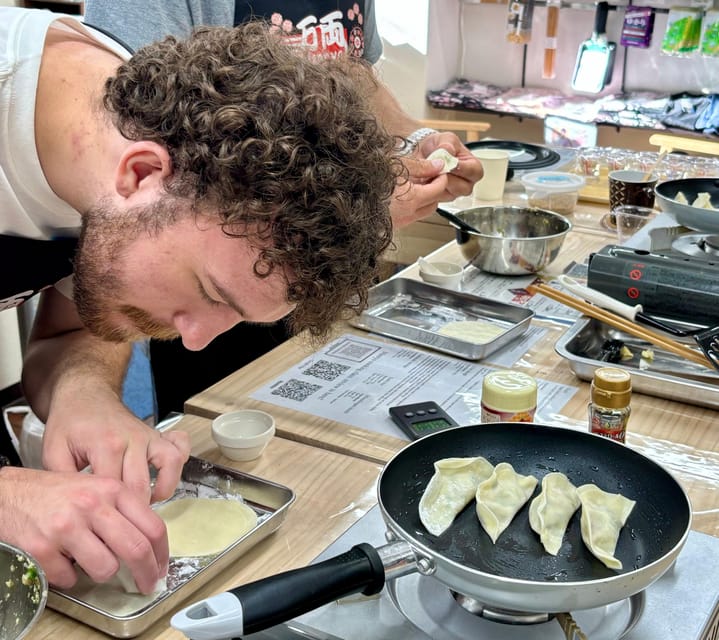
- Gyoza folding practice until your shapes and seals look right
- Onigiri shaping for a satisfying grab-and-go lunch skill
- Small group size (max 8) with English instruction at every station
- Two ramen styles (miso and shoyu) with toppings kept simple
- You eat everything you make, so the learning ends in a full plate
Kyoto Cooking Class in 90 Minutes: What You Actually Learn
This isn’t a “watch and snack” class. It’s structured for fast learning: you’re working at stations, getting guided through each step, and ending with food that’s clearly the result of your hands—not just whatever was prepared ahead.
The big idea here is broth and technique. Most ramen experiences focus on noodles, toppings, or eating etiquette. Here, you learn how the soup gets its character—then you build around that with two common styles: miso ramen and shoyu (soy sauce) ramen.
Along the way you also tackle Japanese home-cooking staples that feel more complex than they are: gyoza and onigiri. Gyoza teaches patience and control (wrapping and sealing). Onigiri teaches shape and seasoning balance (so rice balls don’t taste bland).
You can also read our reviews of more cooking classes in Kyoto
Entering the Ramen Game: Miso and Shoyu Broth That You Can Recreate
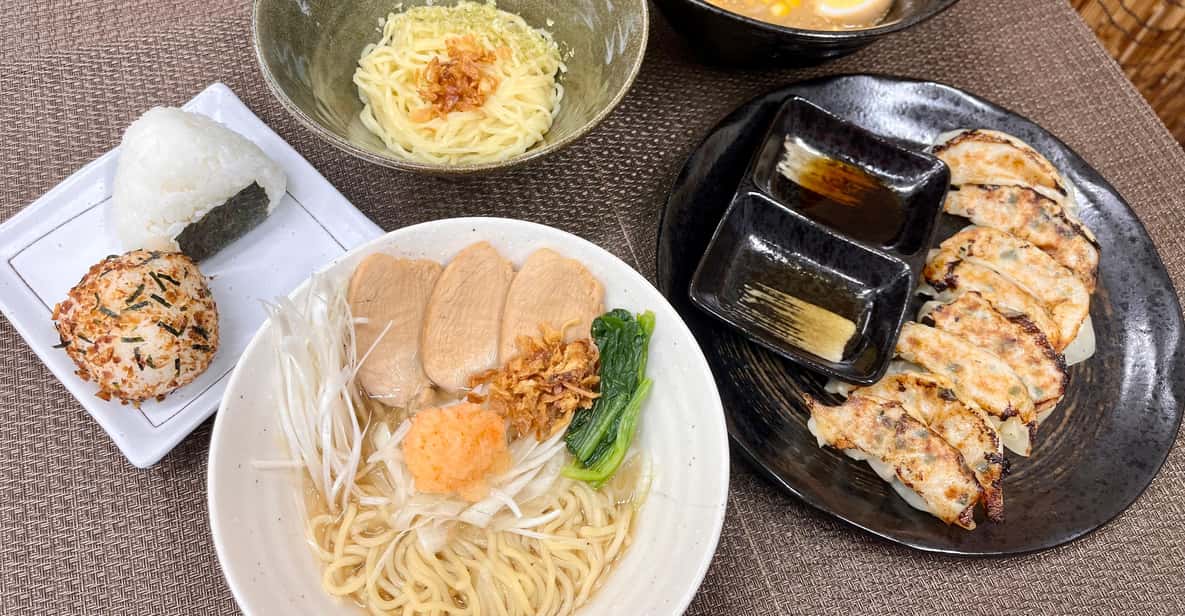
You start with the broth—because the broth is the difference between good ramen and “wow, I want this again.” You’ll learn how to make a rich, flavorful base using ingredients that aren’t exotic. The menu uses two approaches:
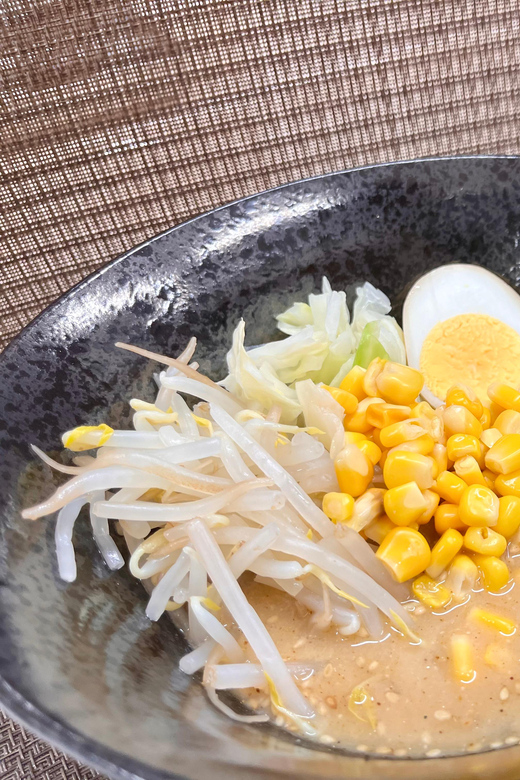
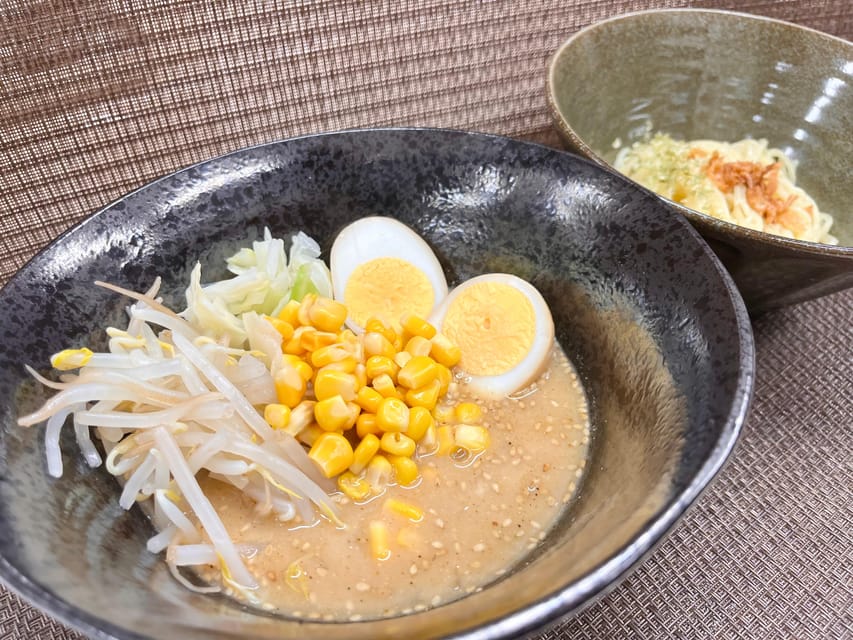
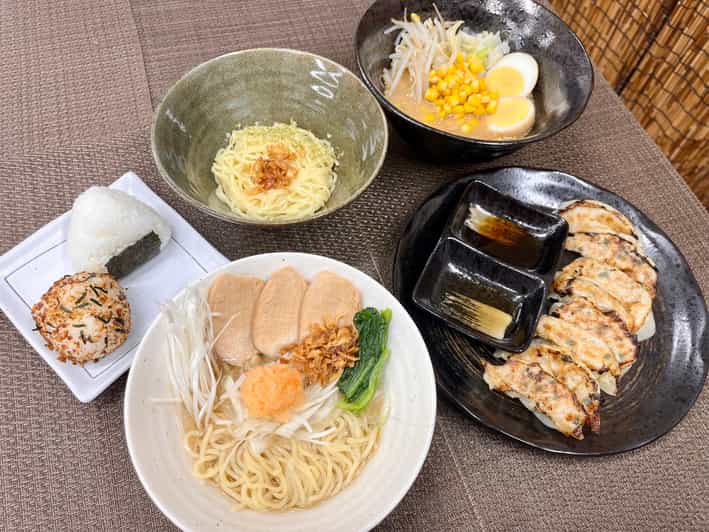
- Miso ramen toppings: boiled egg, bean sprouts, green onions, sweet corn
- Shoyu ramen toppings: chicken, bamboo shoots, green vegetables
A key detail you’ll appreciate when you cook at home: the toppings aren’t supposed to overpower the soup. They keep flavors lighter and simpler so the broth stays in charge. That balance matters, especially if you’re trying to recreate the dish with what you can find at local stores.
The class also highlights the ingredient logic behind the flavor. Expect a mix of savory helpers and aromatics like soy sauce, garlic, ginger, mirin, and miso, plus umami boosters such as oyster sauce and fish powder. You may also see ingredients like sesame oil, lard, butter, chili oil, salt and pepper, and cooking sake showing up in the process depending on the menu build.
And one more practical point: this is broth training only. You won’t be making noodles here. The idea is that you can buy ramen noodles near home, but you’ll know how to make the soup that makes the bowl feel complete.
Gyoza Wrapping: The Skill That Makes the Class Worth It
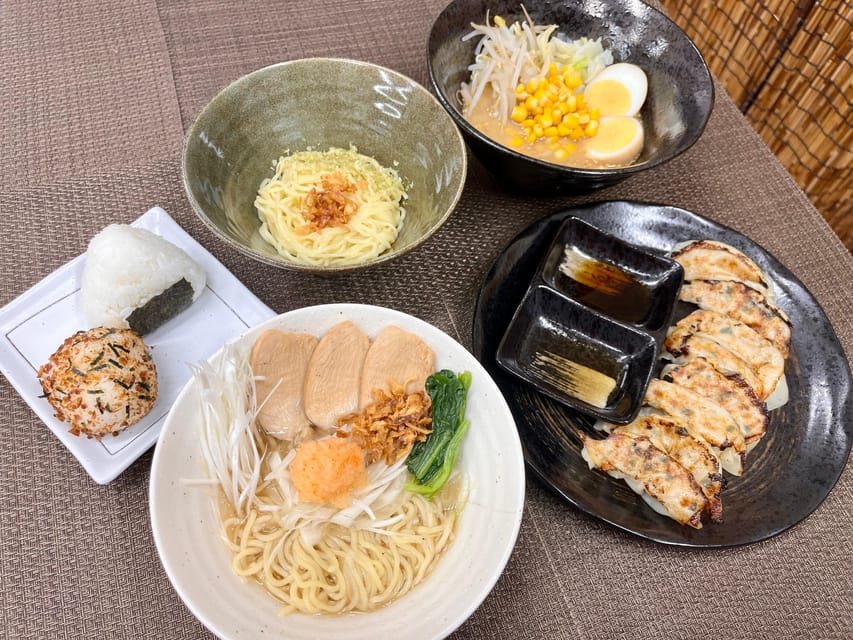
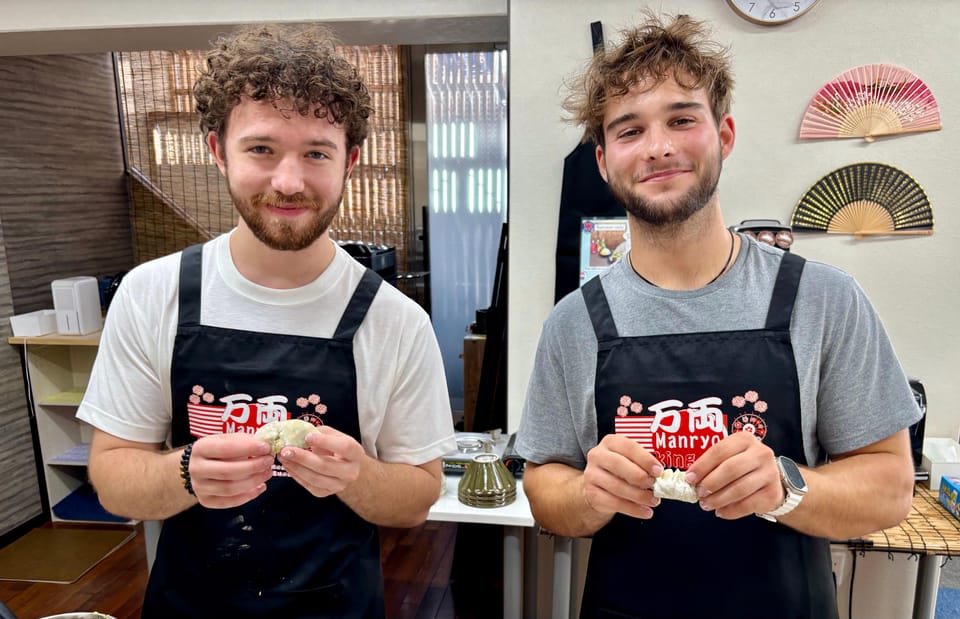
If ramen is about flavor, gyoza is about technique. You get the “whole picture” of gyoza in this class: filling, then wrapping, then sealing, then cooking.
First comes the gyoza filling. The goal is balance—meat and vegetables plus seasonings that don’t fight each other. Then you shift to the part most people dread: the wrapper folding.
This is where a small-group setup matters. Instructors can correct your angle, your pressure, and your seam so your gyoza don’t come apart. Many classes like this prep ingredients and guide you through assembly; here, you still do the key work yourself, and you learn how the shape should look when it’s right.
By the end, you should feel confident enough to host a “gyoza night” later, because the class leaves you with the recipe support for ramen and gyoza. (And judging from how often people mention gyoza parties after the trip, this is one of those skills you’ll actually use.)
Onigiri Rice Balls: A Simple Lunch Upgrade
Then you move from dumplings to rice. Onigiri sounds easy until you try to make a rice ball that holds together and tastes intentional. That’s the point of learning it here: you’re practicing shaping and seasoning so the onigiri isn’t just a molded clump of rice.
Onigiri works as a quick snack or lunch alternative to sandwiches, and it’s also a “use it tomorrow” skill. You can make it in less time than you’d think once you know the rhythm.
The class presents it as a hands-on experience rather than a decorative one. You’ll learn what “perfectly shaped” means in practice—enough structure to hold, enough care that the rice doesn’t feel dry or boring, and enough seasoning that the first bite has direction.
What You Eat at the End (and How Filling This Is)
The payoff is not just tasting. You eat what you cook, and you leave with a full feeling.
From the experience details, you’re making:
- Two types of ramen broth (miso and shoyu style), plus classic toppings
- Gyoza (filling + wrapping + cooking)
- Onigiri (shaped rice balls with seasoning)
That’s a lot for one sitting, and the class runs tightly for 90 minutes. One review highlight pattern stands out: people show up hungry, and many are surprised by how much food they generate. If you like to eat well on vacation without hunting for dinner afterward, this is a strong choice.
Also, there’s room for a little celebration. Some people note you can purchase beer after the meal if you want to make it feel like a post-work dinner.
You can also read our reviews of more tours and experiences in Kyoto



The Teaching Style: English Support and Station Coaching
You’re in English with English-speaking instructors, and the class stays small—limited to 8 participants. That matters because cooking classes fail when everyone shares one utensil or one instructor can’t keep up.
Instructors here are described as organized and clear, with the kind of humor that reduces the stress of messing up a wrapper or getting the broth timing slightly wrong. You also get practical guidance, not just instructions that sound nice in theory.
You may encounter instructors with names like Nori and Kairi (and others mentioned in real class feedback). The common thread is the same: you get feedback during the process and you’re not left hanging once you move to the next station.
A smart tip from how the class is set up: ingredients are often prepared so you spend less time measuring and more time learning technique. That makes the experience easier for first-timers while still keeping it hands-on.
Price and Value: Is $90 Worth It?
$90 per person is not cheap, so you should judge it on what’s included and what you walk away with.
For your $90, you get:
- All cooking ingredients and equipment
- English instruction
- The food you make (so you’re not paying extra for a meal later)
- Recipes for ramen and gyoza
- Free coffee and tea
You’re also buying something harder to get on your own: structure. Making ramen broth and gyoza from scratch at home is doable, but it’s easy to waste ingredients without guidance. Here, you’re trained on the parts that actually drive flavor and texture.
The “broth-only, no noodle-making” approach also affects value in a good way. You’re learning the hardest-to-improvise part (the soup), and the noodles are treated like something you can handle yourself later. That’s cost-conscious training that targets the skill you’ll use again.
If you want a cooking souvenir that turns into real meals at home, this price can make sense. If you want a casual food tasting without doing prep work, you might feel it’s too hands-on.
Where You Meet in Kyoto: Finding the B1 Classroom Without Stress
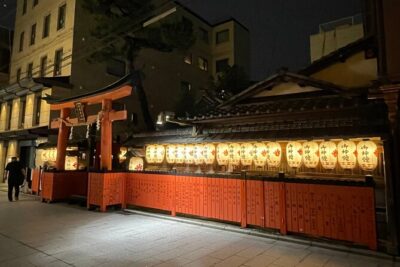
The classroom is on B1 of Life Building. It’s not on the main street—one street down.
If you’re using a cab, get off in front of Family Mart at Sanjo Keihan. It’s about a two-minute walk from there. Then search Google Maps for Manryo cooking class to find the exact spot.
This is one of those Kyoto details that can eat time if you’re careless. Check the map before you go, because the location is tucked away rather than sitting loudly on a front-facing corner.
Who This Class Suits Best (and Who Should Skip It)
This course is a great fit if you:
- Want hands-on cooking skills you can repeat at home
- Like ramen but especially want the soup technique
- Enjoy learning tactile tasks like folding dumplings and shaping rice
- Prefer small group instruction in English
It is not a fit if you:
- Need vegan, pescatarian, gluten-free, or other special diets (the class can’t accommodate them)
- Are looking for a wheelchair-friendly experience (not suitable for wheelchair users)
- Are under the minimum age (children under 12 aren’t suitable, and participants must be 13+ and able to cook by themselves)
- Recently had surgery (not suitable after recent surgeries)
If you’re mostly vegetarian (not vegan), there’s a specific option: Vegetarian Menu swaps pork for tofu, while other ingredients remain the same.
Also, be honest about self-sufficiency. The class expects participants can cook without stuff help. If you’re likely to freeze mid-step or want constant one-on-one assistance, think twice and consider a more beginner-gentle option.
Practical Tips: Shoes, Pace, and the Best Mindset
Bring comfortable shoes and clothes you don’t mind getting a little kitchen work on them. Cooking is active, and you’ll likely be standing and moving between tasks.
The pace is fast. You’ll be learning and cooking multiple items in 90 minutes. If you hate being rushed, plan to keep your expectations flexible and focus on technique rather than perfection.
One more practical habit: come hungry. The class is built around producing a real meal from your work. Many people specifically mention that they leave stuffed.
Should You Book This Kyoto Ramen, Gyoza, and Onigiri Class?
I’d book it if you want a Kyoto activity that turns into actual meals at home. The broth-first approach is what makes it feel different from other food tours, and the combination of ramen + gyoza + onigiri gives you a whole set of Japanese cooking skills instead of one narrow dish.
Skip it if dietary restrictions are a must, or if you need a very slow, low-participation experience. Also, if you’re not confident cooking on your own, the class format expects independence.
If you match the requirements and you like hands-on cooking, this is one of those rare experiences where you go in for fun and come out with skills that keep paying you back long after your Kyoto days are over.
FAQ
What dishes do we make in this class?
You make ramen broth (miso and shoyu styles), gyoza (including filling and wrapping), and onigiri (rice balls).
Do you make ramen noodles here?
No. This class focuses on teaching you how to prepare the broth. Noodles are not made in this session.
What ramen toppings are used for the two ramen types?
For miso ramen: boiled egg, bean sprouts, green onions, and sweet corn. For shoyu ramen: chicken, bamboo shoots, and green vegetables.
Is there a vegetarian option?
Yes. There’s a Vegetarian Menu where pork is replaced with tofu, while other ingredients remain the same.
Can the class accommodate vegan, gluten-free, or pescatarian diets?
No. Vegan, pescatarian, gluten-free, and other special diets can’t be accommodated.
How old do you have to be to join?
Children under 12 aren’t suitable. The class requires participants to be 13 and able to cook by themselves without staff help.
How big is the class?
It’s a small group, limited to 8 participants.
What’s included in the price?
You get English-speaking instructors, all cooking ingredients and equipment, the food you make, recipes for ramen and gyoza, and free coffee and tea.
What should I bring with me?
Wear comfortable shoes and comfortable clothes.
Where is the meeting point?
The classroom is located at B1 of Life Building. It’s one street down from the main street. If arriving by cab, get off in front of Family Mart at Sanjo Keihan and search for Manryo cooking class on Google Maps.