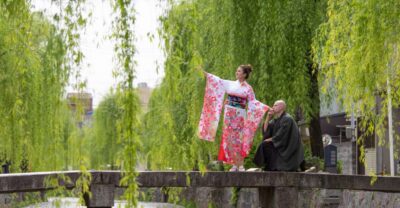
Torii gates can be crowded fast. This private Fushimi Inari Hidden Hike swaps the main crush for quieter mountain paths, with a guide who handles the route so you can focus on the views. I especially like the combination of Shinto-focused storytelling and photo-friendly timing around the torii tunnels.
If you care about getting the meaning behind the landmark, you’ll get it here. The walk includes a calm approach up toward Mount Inari and then the iconic torii world near the shrine, plus stops with cultural context as you go.
One thing to consider: this is a walking hike with a moderate fitness level, and the timing starts early at 8:30am. If your group doesn’t do well with hills and stairs, you may want to choose a slower option.
In This Review
- Key things to know before you go
- Why Kyoto’s Fushimi Inari feels different on a private guide
- Meeting point and the value of starting at 8:30am
- Up toward Mount Inari: the Tofuku-ji viewpoint stop
- Fushimi Inari Taisha: torii gates, bamboo groves, and the Senbon path
- Quieter Mt. Inari trails: what you’re actually buying
- Rain, gates, and keeping the vibe: what to expect weather-wise
- The descent: Fushimi Momoyama Castle views from the mountainside
- Guide storytelling and how it improves what you notice
- Price, private value, and when $62.26 makes sense
- Who this Kyoto experience fits best
- Should you book the Kyoto Fushimi Inari hidden hike?
- FAQ
- How long is the Fushimi Inari Hidden Hike (Private)?
- What is the price per person?
- Is this a private tour?
- What language is the guide?
- Is there an entrance fee for Fushimi Inari Taisha?
- Where do you meet, and where does the tour end?
- Are photos included?
- What happens if the weather is poor?
Key things to know before you go
- Private guide = you don’t fight the crowd or the route
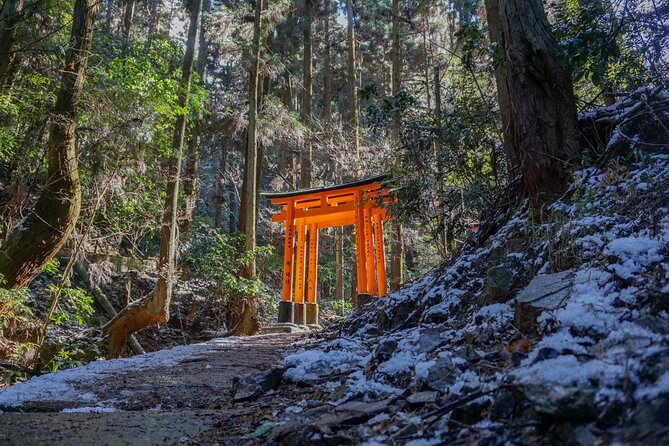
- Quieter Mt. Inari trails away from the main tourist paths
- Tofuku-ji viewpoint on the way up adds variety beyond torii gates
- Senbon Torii gates + main shrine with guidance so you don’t miss the right flow
- Fushimi Momoyama Castle views on the descent for a different angle of Kyoto
- Complimentary DSLR photos shared after the tour, so you’re not stuck behind your phone
Why Kyoto’s Fushimi Inari feels different on a private guide
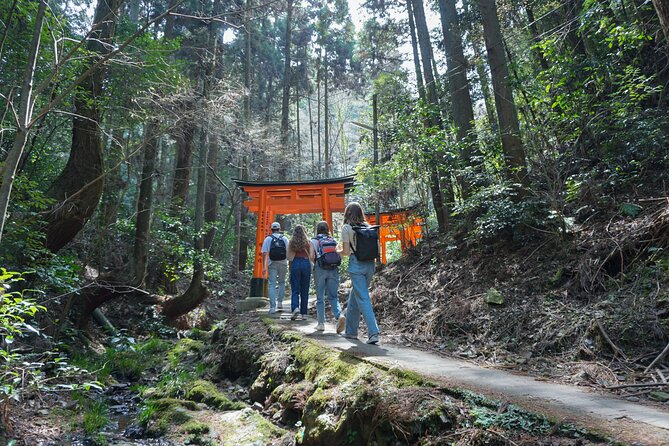
Fushimi Inari Taisha is the kind of place everyone recognizes instantly. Those thousands of vermilion torii gates can feel magical, but they can also feel like a photo line with steep stairs. The big win on this private hike is that the guide shapes the experience around you—where you go, when you pause, and how you move through the sacred spaces.
You’re also not just walking from one landmark to another. The tour includes English narration focused on Japanese culture, history, and Shintoism. That matters at Inari, because the place isn’t only about the gates. It’s about how Shinto worship and beliefs show up in everyday ritual, architecture, and even how people treat the landscape.
And since it’s private, your guide can keep the momentum while still making room for questions. If you’re the type who likes to understand what you’re looking at (rather than just snapping pictures), this style fits well.
You can also read our reviews of more private tours in Kyoto


Meeting point and the value of starting at 8:30am
The tour starts at 8:30am. That early timing is a quiet advantage in Kyoto, especially around Fushimi Inari, where late mornings can turn into a steady flow of visitors.
You’ll meet at FamilyMart Nakai Tofukuji (12-chōme-232 Honmachi, Higashiyama Ward, Kyoto). Your end point is at the Fushimi Inari Shrine Romon Gate area—in front of the tower gate, just before the main hall (68 Fukakusa Yabunouchichō, Fushimi Ward, Kyoto). You’ll want to plan your day so you can enjoy the area after the walk without rushing across town right away.
If you hate complicated meeting plans, you’ll probably appreciate how the tour is set up around public transportation and a clear start/end flow. It’s also nice that the tour uses a mobile ticket, so you’re not juggling paper.
Up toward Mount Inari: the Tofuku-ji viewpoint stop
Before you even hit the thick of torii gates, you get a viewpoint stop that adds variety: you’ll enjoy views of Tofuku-ji, one of Kyoto’s Five Great Zen Temples. This is a smart warm-up because it gives your eyes a different Kyoto “frame” before you spend the rest of the tour climbing and descending through shrine pathways.
Why this matters: when people only think of Fushimi Inari as torii tunnels, the experience can feel one-note. A quick look at Tofuku-ji helps you remember that you’re in a layered city of temples, traditions, and mountain-side spirituality—not a single photo spot.
If you’re traveling with someone who gets tired of stairs, this first stop also gives a natural moment to slow down, look around, and reset.
Fushimi Inari Taisha: torii gates, bamboo groves, and the Senbon path
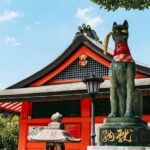
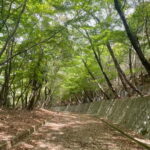
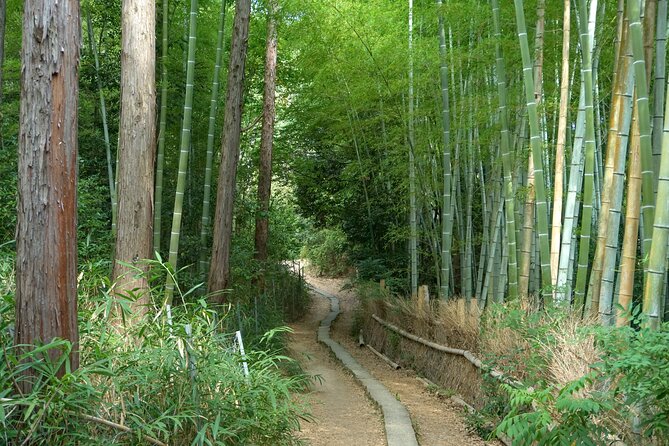
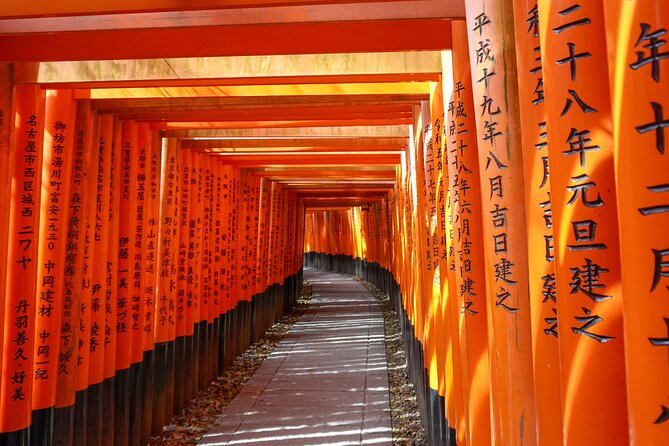
This is the heart of the tour. You’ll move through vermilion torii gates and pass through wild bamboo groves on serene mountain paths. The route is designed to feel calmer than the main approach, which helps the shrine feel more like a sacred walk than a theme-park route.
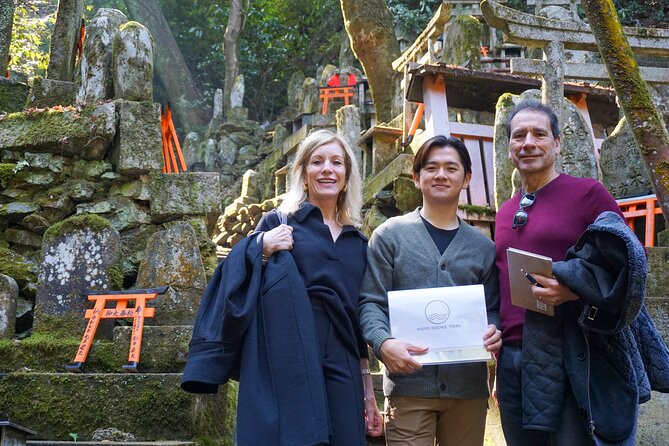
As you continue, you’ll reach the Senbon Torii Gates area and then the main shrine. The guide’s narration here is key. Inari’s torii gates don’t exist in a vacuum; they connect to Shinto practice and the way worshippers express reverence. With a guide translating the meaning while you’re physically moving through the space, the whole place clicks faster.
Admission at the shrine is free, so you’re not paying extra to access what you came for. Your value is in the route and interpretation, not in ticket juggling.
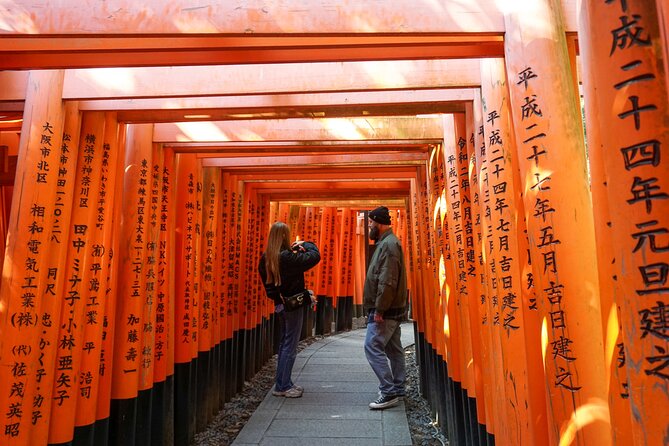
Photo tip, plain and simple: this is one of Kyoto’s most photographable scenes, so wear shoes you trust. If you’re steady on your feet, you’ll spend less time worrying and more time getting the shot—especially around the torii corridors where the perspective lines are unbeatable.
Quieter Mt. Inari trails: what you’re actually buying
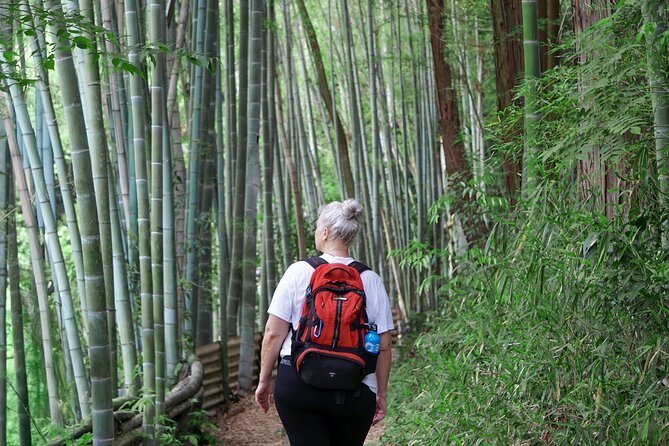
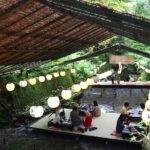
The tour’s signature promise is a quieter hike away from the main tourist paths. And yes, it really changes the experience. When you walk the less busy routes, you hear more than just footsteps and camera shutters. You get more of that mountain-temple rhythm—pause, look, follow the guide, then move on.
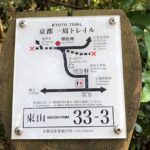
This is where the “private” part becomes more than a marketing phrase. A solo or small-group self-guided hike can still end up in the densest areas if you’re not sure how to navigate. With a guide, you get “no getting lost” reassurance, and the route is planned to keep you in the calmer flow.
If you’re someone who gets overwhelmed by crowds, you’ll likely appreciate that your time at the most famous gates is balanced with quieter pathways. It keeps your energy up for the later views on the way down.
You can also read our reviews of more hiking tours in Kyoto


Rain, gates, and keeping the vibe: what to expect weather-wise
Kyoto weather can change on you, and this tour notes that it requires good weather. If it gets canceled due to poor conditions, you’ll be offered a different date or a full refund.
Here’s the practical takeaway: check the forecast the night before, and pack for variation. Even when the weather isn’t perfect, the guides aim for a different experience than the usual main entrance flow. On days when rain makes big crowds less fun, having a route that avoids the busiest routes helps the tour stay enjoyable.
Also, the guide experience matters for comfort. One guide is especially praised for thoughtful routing through beautiful spaces on the way to the more famous torii areas—so you don’t feel like you’re stuck doing only the busiest bits.
The descent: Fushimi Momoyama Castle views from the mountainside
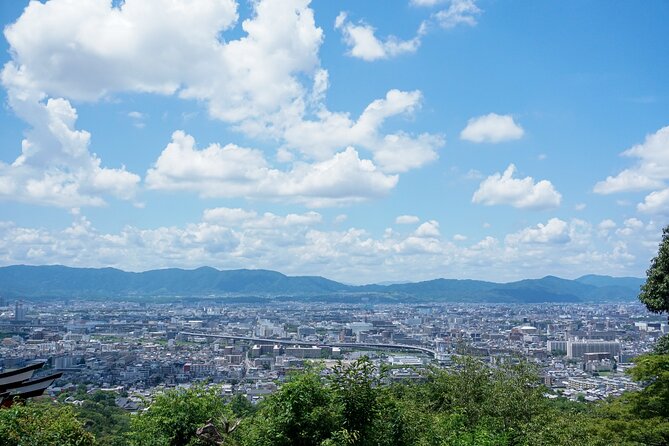
The tour isn’t only about going up. On the way down to the main shrine, you’ll get scenic views of Fushimi Momoyama Castle from the mountainside.
That stop changes the “look” of your memory. Lots of people leave Inari with images that are all orange torii. This view gives your brain another Kyoto reference point and makes the hike feel like a loop through different layers of the landscape.
It also helps you wrap the experience with a final payoff—something visual and distinctive that isn’t just more gates. By the time you reach the Romon Gate area at the end point, your legs may be tired, but your eyes won’t be bored.
Guide storytelling and how it improves what you notice
One of the most praised parts of this tour is the guide’s commentary. Inari can look like pure architecture until someone explains the cultural and religious logic behind it. Here, you’ll hear English narration about Japanese culture, history, and Shintoism as you walk.
What I like about this approach is that it’s timed to what you’re seeing. Instead of a lecture, you get explanations that attach to the environment: the gates, the shrine spaces, the mountain paths, and the spiritual meaning behind what visitors often treat as a background for photos.
It’s also worth noting that the guide handles group pacing. With a private tour, you’re not squeezed into a one-size-fits-all rhythm. That flexibility is useful if you pause frequently for photos or want to ask a couple of questions.
And yes, the photography is handled for you too. You get complimentary photos taken with a DSLR camera, shared after the tour. That’s a real quality-of-life perk because it means you can put your camera away sometimes and actually enjoy the scenery.
Price, private value, and when $62.26 makes sense
At $62.26 per person for about 3 hours, this isn’t a budget “walk and wander” option. It’s a pay-for-value choice. Here’s what you’re paying for:
- A private guide focused on your group (not a mass group schedule)
- Route planning that aims for quieter trails, which most visitors don’t get by accident
- English narration that explains Shinto and the shrine’s cultural logic
- Complimentary DSLR photos after the tour
If you’re traveling as a couple or small group, private can feel more reasonable because you’re splitting the cost against what it replaces: time spent researching routes, sorting out what’s worth seeing, and dealing with the biggest crowds without a plan.
When is it especially worth it? If you care about understanding what you’re looking at, you want smoother logistics, and you’d rather spend your energy on the walk than on navigation. It also helps if you’re not sure your group will handle Inari’s stairs comfortably without someone guiding the flow.
Who this Kyoto experience fits best
This private hike is best for you if you want Fushimi Inari to feel like a guided cultural experience, not a crowded sightseeing shuffle. It’s a good match for:
- Couples and friends who want a quieter route and flexible pace
- Visitors who like explanations about Japanese religion and history
- People who want great photos but don’t want to spend the entire time managing their camera
It may be less ideal if your group wants a fully low-effort walk, or if the idea of a moderate uphill climb and stairs feels unappealing. The tour does specify a moderate physical fitness level, so be honest with your own pace.
Should you book the Kyoto Fushimi Inari hidden hike?
Book it if you want the orange torii magic with fewer crowds and more context. The private guide component is the real engine here: you get a planned route up and down, commentary that makes Shinto and Inari feel more understandable, and photos handled for you.
Pass or consider another option if you’re sensitive to early mornings or your group prefers flat, slow walks. Also, if weather is likely to be rough, keep an eye on the forecast since the experience depends on good conditions.
If your goal is to experience Fushimi Inari as both a shrine and a mountain walk—without spending your trip fighting crowds or guesswork—this private hidden hike is a strong choice.
FAQ
How long is the Fushimi Inari Hidden Hike (Private)?
It runs for about 3 hours.
What is the price per person?
The price is $62.26 per person.
Is this a private tour?
Yes. It’s private, and only your group participates.
What language is the guide?
The tour includes an English-speaking local guide, with English narration.
Is there an entrance fee for Fushimi Inari Taisha?
The admission ticket for the shrine is free.
Where do you meet, and where does the tour end?
You start at FamilyMart Nakai Tofukuji (12-chōme-232 Honmachi, Higashiyama Ward, Kyoto). You end at the Fushimi Inari Shrine Tower Gate area, in front of the Romon Gate just before the main hall.
Are photos included?
Yes. Complimentary photos taken with a DSLR camera are shared after the tour.
What happens if the weather is poor?
This experience requires good weather. If it’s canceled due to poor weather, you’ll be offered a different date or a full refund.