Torii photos, minus the crush. This Kyoto hidden trail hike gives you forest walking, bamboo shade, and torii views without the usual wall of people. I especially like the way the route pushes you off the paved tourist flow early, and then rewards you with bamboo grove moments that feel quiet and real.
Two other things I’m drawn to: you get a real guide with photo stops (guides like Jimmy, Hina, Yukari, and Josh pop up in past groups), and you learn how to move through torii respectfully instead of just snapping and rushing. The only real drawback is physical: it’s about 7 kilometers of climbing and uneven paths, so you’ll want decent walking stamina and long pants for bugs.
In This Review
- Key Things I’d Highlight
- Getting to the trailhead: Tofukuji’s calm start at FamilyMart
- Tofukuji Temple: a short cultural beat before the trail work
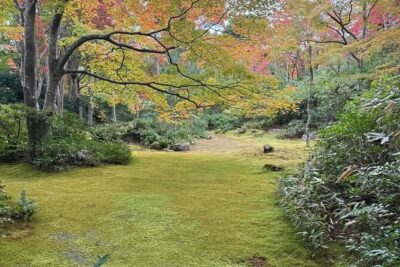
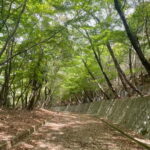
- Forest trails that dodge the camera crowd
- Hidden bamboo groves and small altars along quieter routes
- Viewpoints on the torii route: when the climb turns into theater
- Coming down via forest trail to the main shrine base
- Walking facts: distance, shade, and what moderate really means
- The guide impact: etiquette, context, and photos that actually help
- Price and value for $72 in a small group up to 9
- Who should book this hike, and who should skip it
- Weather, bugs, and simple packing that saves your day
- Should you book this hidden Fushimi Inari hike?
Key Things I’d Highlight
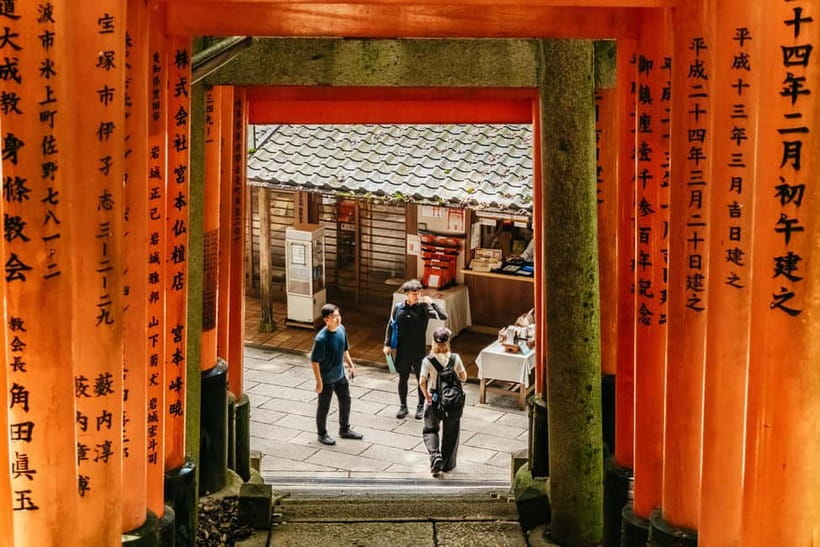
- Forest trails first: much of the hike happens away from the crowd lanes where you’ll actually hear birds and footfalls.
- Bamboo grove detours: you’ll get at least one dedicated bamboo section on the way up and another on the return.
- Photo-worthy stops off the obvious path: you’ll have chances to shoot in both the popular torii area and quieter back trails.
- Shinto etiquette explained at the torii: guides help you understand what you’re seeing and how to approach respectfully.
- Small group cap (up to 9): that keeps the experience personal and manageable on narrow paths.
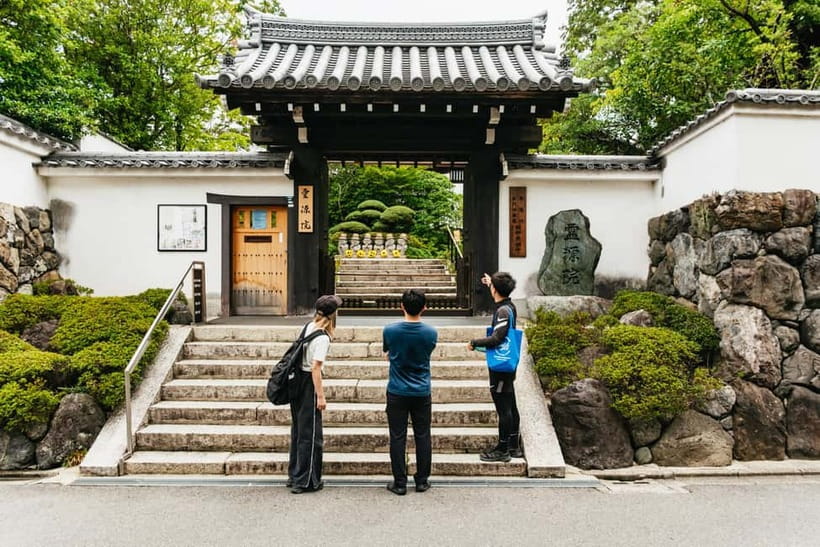
Getting to the trailhead: Tofukuji’s calm start at FamilyMart
Your morning starts at FamilyMart Nakai Tofukuji, outside Kyoto’s Tofukuji Station Exit 2, right next to the store. It’s an easy meetup spot for first-timers because you’re not trying to locate a shrine gate in the middle of a crowd—you’re just finding a familiar landmark.
If you’re coming by train, the area is served by JR and Keihan lines. For Keihan, use trains listed as local, semi-express, or sub-express—skip the express trains as instructed. After you meet, the group typically goes quiet and local-fast, winding into nearby streets before you even touch the mountain trails. That neighborhood warm-up matters: it helps you get oriented and lowers the mental intensity before the climb starts.
You can also read our reviews of more hiking tours in Kyoto

Tofukuji Temple: a short cultural beat before the trail work
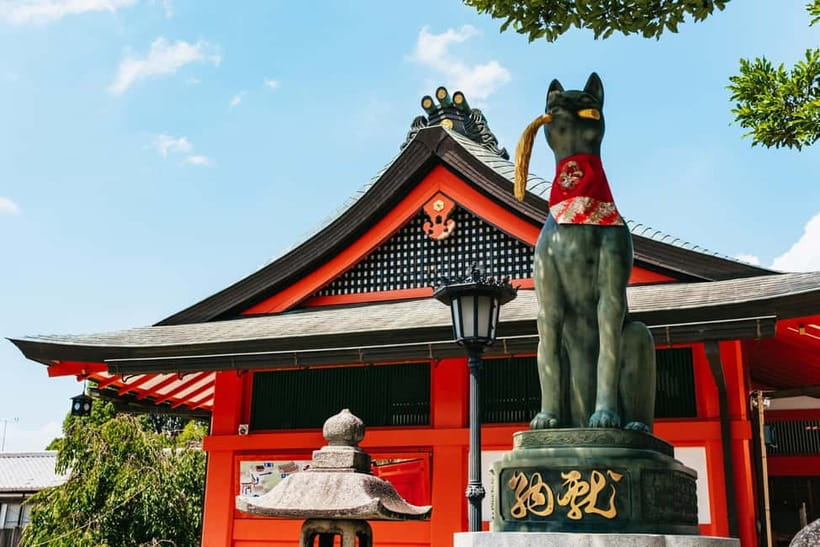
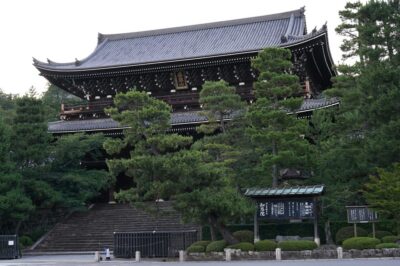
Right after meeting, you’ll stop at Tofukuji Temple for about 10 minutes. This isn’t a long temple tour. Think of it as a palate cleanser—an opening chapter—so the rest of the mountain hike feels connected instead of random exercise.
Even in a short visit, this kind of stop helps you understand where you are in Kyoto’s story. Fushimi Inari is famously photogenic, but it sits inside a wider network of shrines and pathways. Starting with a nearby temple sets context for why the mountain is treated as sacred ground, not just a backdrop for red gates.
Forest trails that dodge the camera crowd
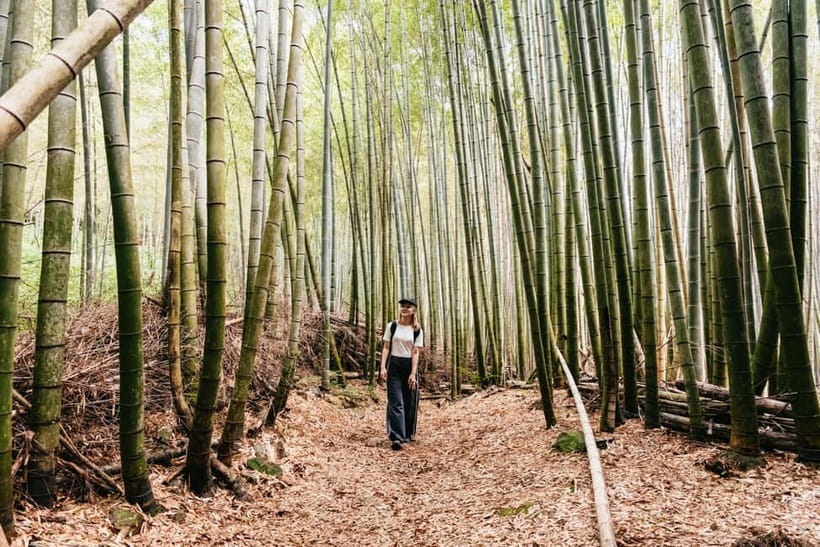
Here’s the core idea: this is one of the few Fushimi Inari options that takes you off paved paths and onto actual forest trails. The tour is designed so that for a big chunk of your hike, you won’t keep running into the same photo-line groups. One person’s highlight was that the first half of the walk stayed nearly empty—rare in Kyoto—and that matches the overall intent.
A practical bonus: forest trails change your pace. You’ll be stepping around roots, watching your footing on uneven ground, and taking breath breaks naturally because the terrain asks for it. That’s why this feels more like a guided hike than a checklist tour.
Also note the shade factor. About half the route is in the forest, so you won’t be in direct sun the entire time. On a hot day, that can be the difference between a pleasant morning and an exhausting one.
Hidden bamboo groves and small altars along quieter routes
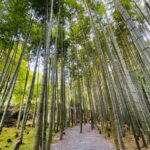
Bamboo at Fushimi Inari isn’t just a decorative add-on. It works like a breathing space in the middle of the climb. In past groups, the bamboo grove was consistently called out as a standout, and the route is planned so you actually slow down there and notice details instead of rushing past it.
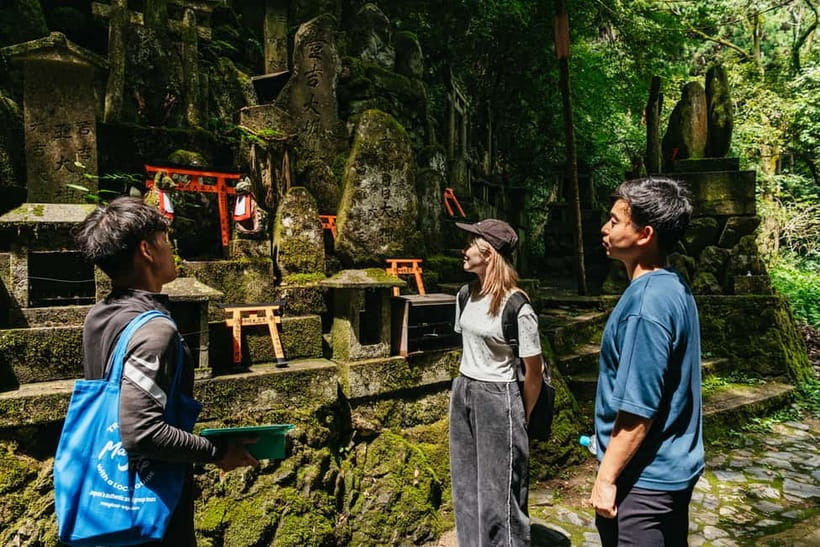
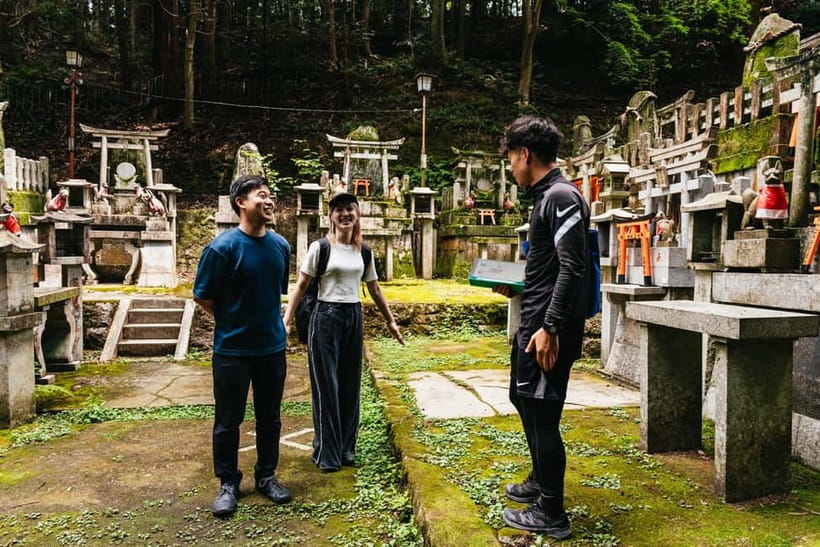
You’ll also connect with sections that lead to smaller, older altars—places most visitors never see because they never leave the main flow. These tucked-away spots are part of what makes the tour feel more than just scenic. You’re seeing how shrine space expands beyond the headline torii tunnel.
One more thing I’d plan for mentally: you’re not only hiking “around” Fushimi Inari—you’re moving through it in a more layered way. Some of the most memorable moments aren’t the big gates. They’re the quiet shrines tucked into the hillside and the side paths that feel almost accidental.
Viewpoints on the torii route: when the climb turns into theater
At some point, the trail connects you back toward the famous torii area. This is where you’ll have longer viewpoint moments (one stretch is around 1 hour, then another around 45 minutes), and the route sets you up so you’re not arriving at the most crowded photo sites the same way everyone else does.
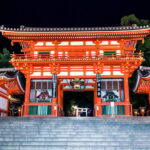
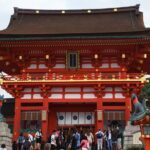
That shift matters. If you enter the torii areas from a quieter direction, the gates feel more immersive rather than overwhelming. You get that classic red tunnel effect, but with breathing room.
One past guest even mentioned passing around 1,500 gates during their time on the route. I can’t promise an exact count, but I can promise the scale is real. You’ll see enough gates that photos start to feel like a highlight reel, not a job.
You can also read our reviews of more tours and experiences in Kyoto




Coming down via forest trail to the main shrine base
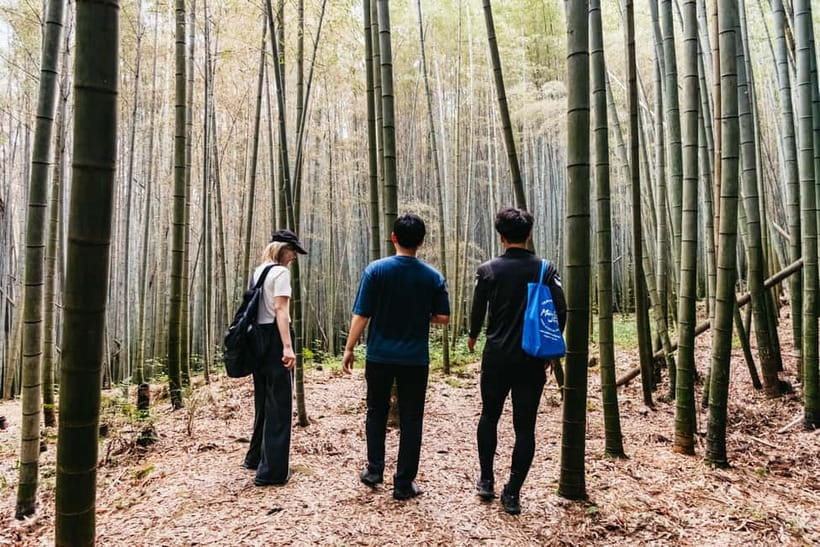
The return walk isn’t just repetition. It’s designed to take you back down through another forested section and a second bamboo grove area before you reach the main shrine at the base. This is smart. Coming down through different paths keeps the morning from turning into monotonous stair-stepping.
As you approach the base, the vibe gets more public and more lively. That’s also when you’ll hit the most famous final photo zones. The good part is you’ve earned that moment: you’re not grinding uphill all morning only to see the gates for a few seconds.
When you finish at the main shrine area, you’ll also have time nearby to grab local street food if you want. It’s a simple, practical way to turn the hike into a full half-day in Kyoto without wasting time planning.
Walking facts: distance, shade, and what moderate really means
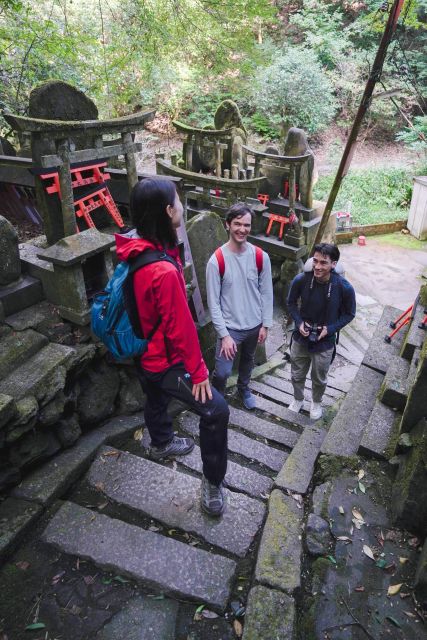
This is not a relaxing stroll. It’s a 3-hour hike with about 7 kilometers total walking, and the terrain is uneven—sometimes with stairs, sometimes with rocky or muddy feeling paths depending on conditions. Several people specifically warned it’s more hiking than casual walking, even though it’s called not super difficult.
So I’d think of it like this: you don’t need to be an ultra-athlete, but you should be comfortable walking at a steady pace with hills. One guide-led group reported regular stops and the option to add extra breaks. That’s reassuring if you’re pacing carefully.
Also remember: because you’re hiking in mountainous forest areas, there can be mosquitoes and bugs. Bring long sleeves and long pants even if you’re tempted to go light. The shade can feel pleasant, but bugs don’t care about your travel plans.
The guide impact: etiquette, context, and photos that actually help
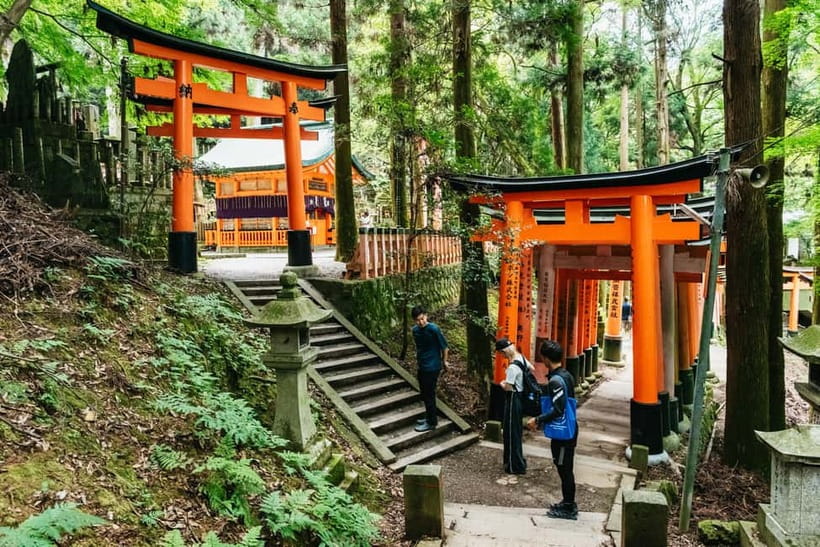
A big reason this tour scores near the top is how guides shape your experience. Several past participants highlighted guides such as Jimmy (who explained respectful torii entry, offerings, and wishes), Hina, Naru, Yukari, Josh, Nina, Taketo, and Hira. While English can vary by guide, the tour is listed as an English live guide, and many groups emphasized friendly explanations and thoughtful pacing.
What I like about this approach is that it gives you a script for what you’re seeing. Torii gates look similar, but in shrine culture they carry meaning. The tour helps you recognize what you’re looking at and how to behave correctly—so you don’t feel like you’re guessing.
Photography is also part of the package. The tour includes photos during the hike, which matters because you’ll be on uneven ground with limited opportunities to ask strangers to snap you. Guides also tend to know where the best angles are on the quieter trails—not just on the main tourist choke points.
One practical note from past experiences: even when the guide’s English is limited, the tour can still work if you’re happy with brief explanations and appreciate the walking and scenery more than long lectures.
Price and value for $72 in a small group up to 9
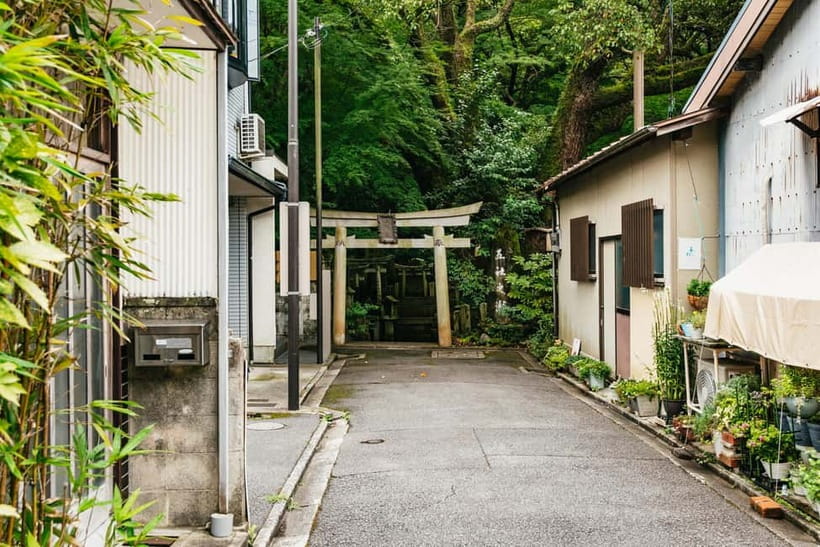
At $72 per person for about 3 hours, this isn’t a bargain like a free morning walking tour. But it also isn’t priced like a luxury day. The value is in three places:
- Guiding off paved paths: getting onto actual forest trails and quieter routes is the whole point, and that takes local know-how.
- Time-efficient experience: you’re covering a lot of mountain ground and still reaching the main torii area with good photo opportunities.
- Included photos: not every hike package includes photography support.
And the small group size (up to 9 people) is the quiet hero here. Narrow trails plus big groups can turn a serene hike into a slow shuffle. A smaller cap keeps your rhythm more natural and gives you room during stops.
If you’re the type who wants Fushimi Inari to feel like Kyoto—not a photo factory—this price can make sense fast.
Who should book this hike, and who should skip it
This tour is best for you if:
- You want fewer crowds and more time with nature around Fushimi Inari.
- You like walking and can handle hills, stairs, and uneven terrain.
- You care about understanding shrines and how to behave at torii gates.
- You want a guide to handle photo moments instead of playing selfie roulette.
You should think twice if:
- You have limited mobility or need easier paths. The tour is not recommended for mobility impairments.
- You’re expecting an easy, flat walk. Even when it’s described as not super difficult, it still takes effort.
- You’re traveling with children under 8 (the tour requires parent/guardian permission for younger children).
Weather, bugs, and simple packing that saves your day
The tour can be canceled during extreme weather, and you can also cancel if you aren’t prepared for rain. Since the route is partly forested and partly on mountain paths, wet conditions can make the ground slippery.
Pack smart:
- Long-sleeved shirt
- Long pants
- Weather-appropriate layers (because shade can keep temperatures cooler even when the city feels warm)
And remember the rule about luggage: luggage or large bags aren’t allowed. Plan to travel light so you’re not juggling extra stuff on narrow forest trails.
Should you book this hidden Fushimi Inari hike?
I’d book it if your goal is to experience Fushimi Inari in a way that feels more human: quieter trails, bamboo groves, torii viewpoints, and a guide who helps you move respectfully through the shrine spaces. It’s also a great match if you’re visiting during peak season and don’t want your trip to be mostly waiting for space to take a photo.
Skip it if you’re not comfortable hiking uneven paths, or if you need a more accessible, low-effort route. Also be honest about your weather tolerance—muddy trails happen when it rains, and the forest bugs will show up if you dress too lightly.
If you’re on the fence, my tiebreaker is simple: if you want the torii gates and the nature parts to both feel special, this tour’s off-paved structure is exactly what you’re paying for.