REVIEW · KYOTO
Ninja Trekking half-day tour at Mt.Daimonji Kyoto
Book on Viator →Operated by NINJA DOJO and STORE · Bookable on Viator
A ninja trek can sound silly. This one is built around practical mountain walking and real body techniques.
What I like most is the combo of a dojo lesson plus a guided climb that focuses on breathing and efficient movement. You also get a route that links big Kyoto landmarks on foot, rather than just riding between them.
The second thing I value is the pacing. The course is 7.5 km with a climb that’s described as relatively gentle and safe, and it’s designed for people at beginner level. That said, you still need a moderate fitness level, and there’s no mention of snacks or bottled water being provided.
In This Review
- Key things to know before you go
- Why Ninja Trekking on Mt. Daimonji Works Better Than a Standard Hike
- The Route: From Keage to Daimonji and Down to Ginkakuji
- What You Do at the Ninja Dojo Before the Mountain
- Breathing, Footwork, and Kuji-in on the Mountain
- Timing, Effort, and Who This Fits Best (4 to 5 Hours)
- Price and Value: What $347.48 Really Buys
- What to Bring (and What the Tour Doesn’t Provide)
- Weather, Minimum Travelers, and How Flexible You Need to Be
- Who Will Enjoy This Most (and Who Might Not)
- Should You Book This Half-Day Kyoto Ninja Trek?
- FAQ
- How long is the Mt. Daimonji ninja trekking tour?
- Where does the tour start and where does it end?
- How much walking is involved?
- Is this tour suitable for beginners?
- What is included in the price?
- Are snacks or bottled water provided?
- What happens if the weather is poor?
Key things to know before you go
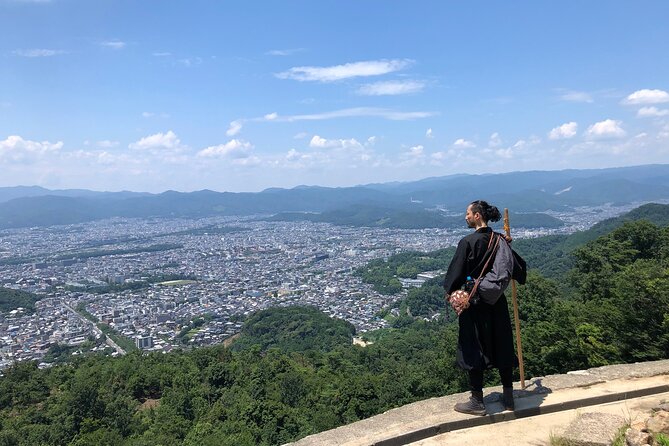
- Dojo-to-trail training flow: you practice ninja-style basics before hiking
- Breathing and movement efficiency: guidance focuses on how to walk, not just where to walk
- A 7.5 km route: the hike ties together Kyoto’s eastern sights around Daimonji and Ginkakuji
- Beginner-friendly pacing: the standard climb time is about 3 hours, but you’ll take around 4 hours with teaching
- Private group experience: it’s only your group, with mobile ticket support
- Bring your own supplies: snacks and bottled water are not included
Why Ninja Trekking on Mt. Daimonji Works Better Than a Standard Hike
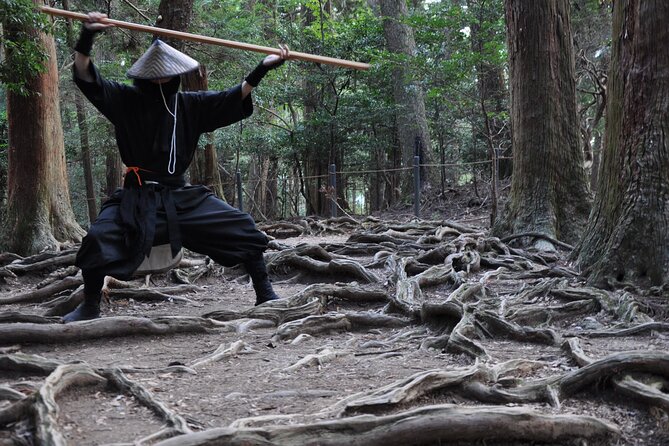
This isn’t a typical scenic hike where you mostly follow a map and take photos. The “ninja” part is the method: survival-art ideas applied to the mountain—how you breathe, how you place your feet, how you hold your attention while moving. The goal is steadiness and control, not speed.
I also like the way the tour frames Mt. Daimonji as one of Kyoto’s power spots, built around the idea of respectful mountain walking. That mindset matters. It’s the difference between conquering a trail and moving with awareness, which often makes the whole hike feel easier than you expected.
You can also read our reviews of more hiking tours in Kyoto
The Route: From Keage to Daimonji and Down to Ginkakuji
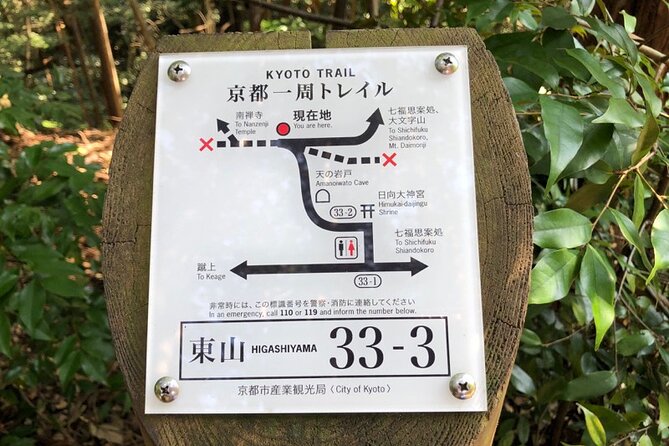
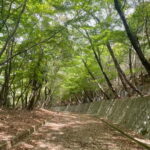
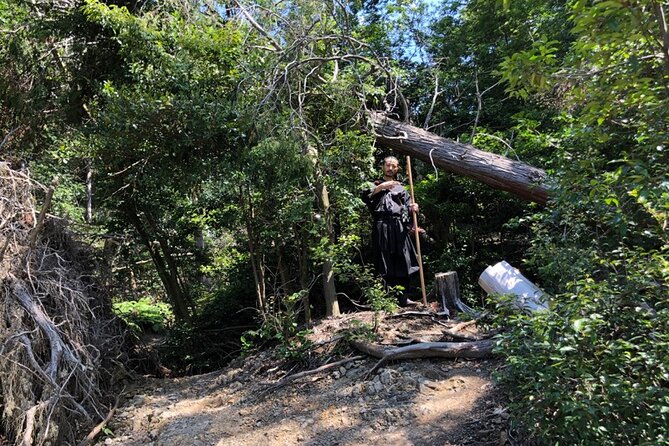
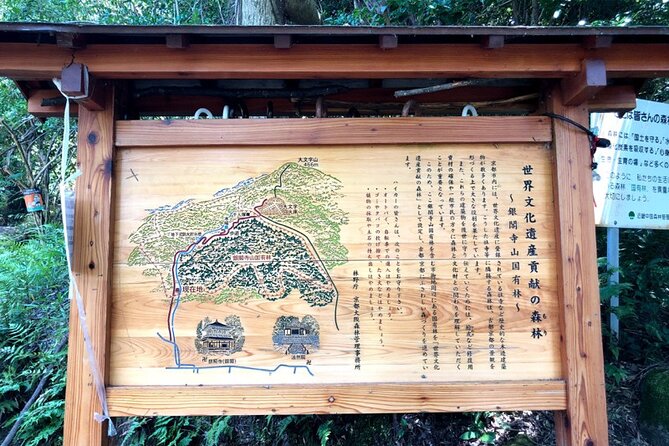
You’ll hike a classic eastern Kyoto line that starts near Keage (around Nanzenji), goes up toward Daimonji (Nyoigatake), and then descends to Ginkakuji. The tour route is about 7.5 km total, and the climb is described as relatively gentle and safe.
Why this route is a good choice is simple: it uses the mountain for training, but it still gives you Kyoto payoff. Instead of ending with a turnaround view, you transition through a proper top-to-bottom walking circuit that finishes back near where you started the experience.
One consideration: “gentle and safe” still doesn’t mean flat. You should expect uphill effort and a real descent. Wear shoes that you trust for uneven ground, and plan for your legs to feel it later.
What You Do at the Ninja Dojo Before the Mountain
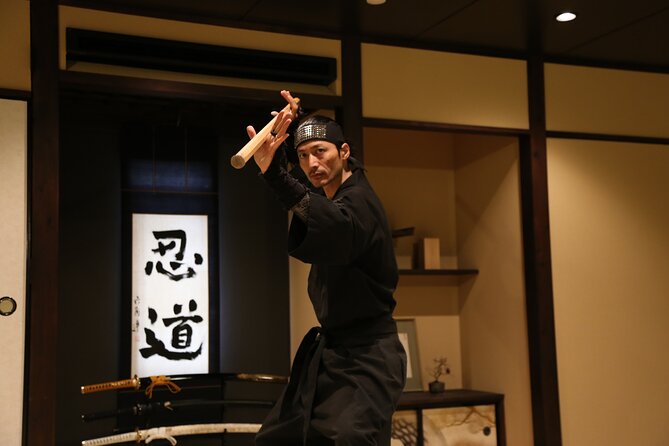
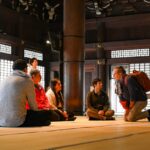
The experience meets at NINJA DOJO and STORE KYOTOJapan (600-8422 Kyoto, Shimogyo Ward, Hakurakutenchō, 528 2F) and starts at 10:00 am. From there, the day isn’t just walking right away—you begin with dojo training focused on ninja-style fundamentals.
From the guidance described, you’re practicing more than cosplay moves. Think survival-art themes applied to daily body mechanics: breathing, body control, and mind-and-body discipline. There’s also mention of a performance connected to the dojo visit, so you’re not only standing and listening the whole time.
In practical terms, that dojo start helps you understand what to pay attention to on the hike. When your guide later talks about breathing or efficient foot placement, you’re not learning it for the first time while already tired on the slope.
Breathing, Footwork, and Kuji-in on the Mountain
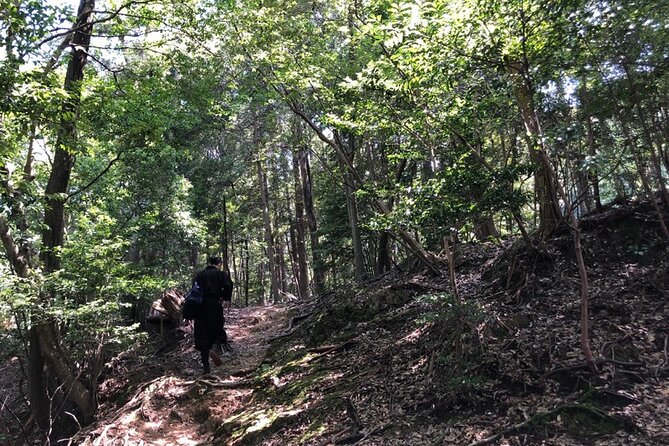
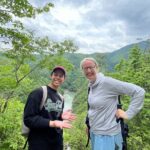
On the mountain, the tour’s focus shifts from basics to applied walking. The route includes the climb to Mt. Daimonji, and you learn how to manage effort using ninja-inspired techniques—especially breathing and movement efficiency.
One review highlights breathing and efficient movement tips. That matches the tour description: breathing methods, body manipulation methods, and meditation-style training are all part of what you practice alongside walking. You’re basically turning the hike into a moving practice session.
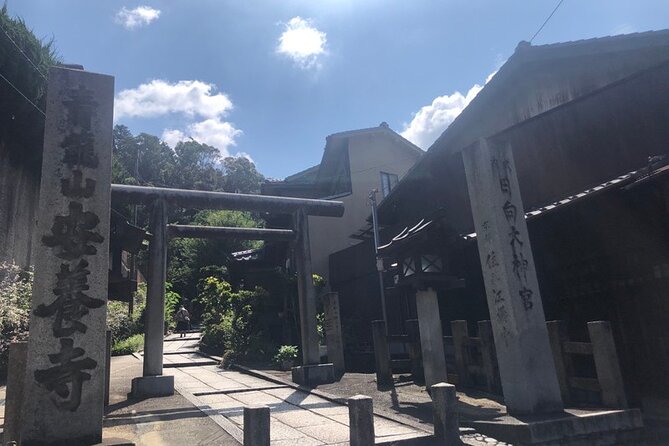
You may also see protection-style ritual content during the training. Reviews specifically mention Kuji-in protection and also etiquette moments like bowing in front of a torii. Even if you’re not a martial-arts person, these moments make the experience feel anchored in Japanese practice rather than a generic “ninja-themed” tour.
The good news: the walking is designed to be safe and achievable. The tour notes that the usual 3-hour course takes about 4 hours with instruction, so there’s time for teaching and adjustments.
Timing, Effort, and Who This Fits Best (4 to 5 Hours)
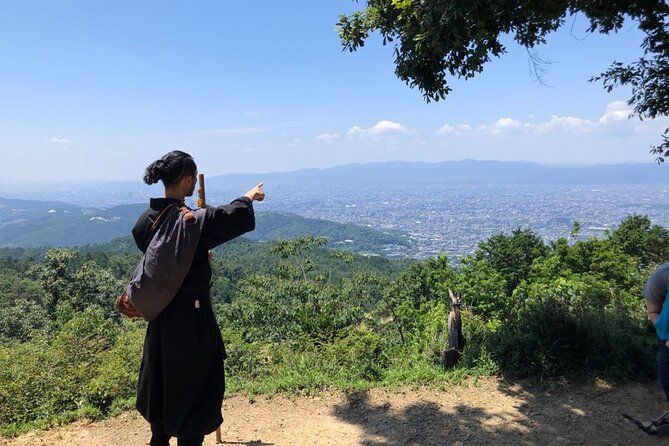
The duration is listed as 4 to 5 hours (approx.), and the hiking time is described as about 4 hours for the standard 3-hour course. That extra time is the difference between a rushed trek and a guided training experience.
For who it suits, the tour asks for moderate physical fitness. It also says even beginners can join because the course is gentle and safe, and the group pace includes guidance. If you can comfortably handle a 7.5 km walk with hills, you’re likely in the right zone.
If you’re bringing kids, the hike can work depending on the family’s stamina. One family shared that the experience was a highlight of their trip, including a dojo session and the spiritual trek. That’s a clue that the tour can be engaging, not just “serious training,” but you’ll still want to match expectations to your group’s hiking comfort.
You can also read our reviews of more tours and experiences in Kyoto
Price and Value: What $347.48 Really Buys
At $347.48 per person, this is not a budget half-day. So the value question is fair.
Here’s what you’re paying for, based on the tour details:
- All fees and taxes are included
- You get a guided experience built around instruction, not just route guidance
- It’s a private tour/activity, meaning your group is the only group on it
- You get mobile ticket support and a structured dojo-to-mountain flow
The private-group angle is one of the strongest reasons this can feel worth it. If you’re traveling as a small group and you want hands-on coaching for breathing and movement, private instruction costs money elsewhere too.
What you should also factor in: snacks and bottled water aren’t included. So you may add a little cost for your own supplies. And since there’s no private transportation listed, you’ll likely handle getting to and from the meeting point on your own.
My practical take: if you want a distinctive activity that teaches you something you can reuse at home (how to walk with better breathing and efficiency), this price can make sense. If you mainly want views and photos with minimal physical instruction, you’ll probably prefer a cheaper guided hike.
What to Bring (and What the Tour Doesn’t Provide)
The tour notes a few essentials you should plan around:
- You should have moderate physical fitness
- Bring your regular medications if needed
- There’s no bottled water and no snacks included
- The listing also notes no restroom on board (and private transportation isn’t included)
So even before you think about fashion and gear, think comfort and control:
- Wear shoes suited for uneven outdoor ground.
- Bring enough water for your personal pace.
- Pack a snack if you know you’ll need one mid-hike.
- Use layers. Kyoto can feel different from morning to later in the day, especially when you’re moving uphill and then cooling off on descent.
Also, this tour starts at 10:00 am and meets at a specific dojo location. I’d show up with enough buffer to settle in, because the dojo part matters. You want your head in the right place before you start practicing movement.
Weather, Minimum Travelers, and How Flexible You Need to Be
This experience requires good weather. If the tour has to be canceled because of poor weather, you’ll be offered a different date or a full refund. That’s the practical side of mountain tours: conditions can change, and your safest bet is to avoid treating it as a last-minute must-do with no plan B.
There’s also a minimum number of travelers. If the minimum isn’t met, you’ll be offered a different date/experience or a full refund. For you, that means it’s wise to book with your Kyoto schedule in mind, so you’re not stuck choosing between this and another timed activity.
Who Will Enjoy This Most (and Who Might Not)
This tour is a strong match if you want:
- A hands-on mind-and-body experience
- A guided route with deeper technique, not just sightseeing
- Ninja-inspired walking practice, including breathing and movement efficiency
- A half-day activity with a dojo start that adds personality to the day
It may be less ideal if you:
- Want only casual strolling with minimal effort
- Are hoping for a purely “view-focused” hike and nothing else
- Expect snacks, water, or transport to be provided
Should You Book This Half-Day Kyoto Ninja Trek?
I’d book it if you’re craving something that feels Kyoto-special and not interchangeable. The dojo-to-mountain structure, the focus on breathing and efficient movement, and the clear route from the Daimonji area down toward Ginkakuji give this half-day a shape that standard hikes often lack.
I’d hesitate if you’re price-sensitive or if your group prefers a lighter walking day with minimal instruction. At this cost, it’s worth checking that your group actually wants the training side, not only the scenery.
If you do book, show up ready to learn how to move. The real payoff is that you’ll likely carry those walking habits home with you—small technique changes that make your next hike feel more controlled.
FAQ
How long is the Mt. Daimonji ninja trekking tour?
The tour is listed as 4 to 5 hours (approx.).
Where does the tour start and where does it end?
It starts at NINJA DOJO and STORE KYOTOJapan, 600-8422 Kyoto, Shimogyo Ward, Hakurakutenchō, 528 2F, and it ends back at the meeting point.
How much walking is involved?
The full course is described as 7.5 km.
Is this tour suitable for beginners?
The course is described as relatively gentle and safe, and it notes that even beginners can participate. You should still have a moderate physical fitness level.
What is included in the price?
All fees and taxes are included, and you’ll receive a mobile ticket.
Are snacks or bottled water provided?
No. Snacks and bottled water are not included.
What happens if the weather is poor?
This experience requires good weather. If it’s canceled due to poor weather, you’ll be offered a different date or a full refund.