REVIEW · KYOTO
Kyoto Arashiyama Bamboo forest & Garden Half-Day Walking Tour
Book on Viator →Operated by MagicalTrip Inc. · Bookable on Viator
Arashiyama feels bigger when you walk with a guide. This half-day tour is built for seeing beyond the bamboo crowd, with a max of seven people, temple/garden access included, and an itinerary that blends quiet gardens with Kyoto landmarks. I especially like that entrance fees are handled for you and that lunch is part of the plan, not an afterthought. One drawback to consider: it’s still a walking tour, so if you want low-effort sightseeing, you may find the pace and distance tough.
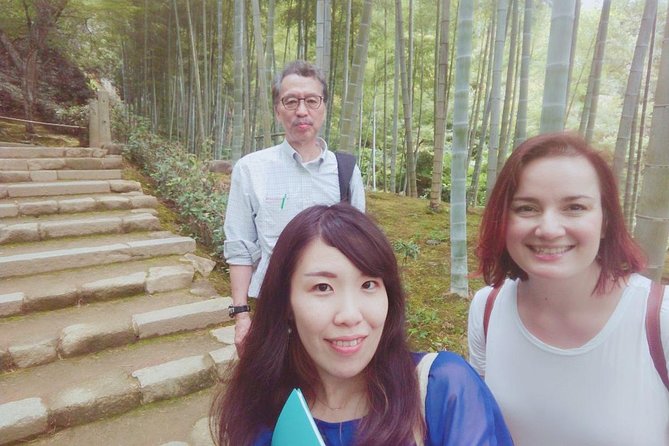
The best part is how the route pairs famous sights with calmer corners of the district. Guides such as Josh, Yuki, Masa, Ayuri, and Hiroko bring the history down to street level, so Tenryu-ji and the gardens feel understandable instead of just scenic. You’ll also get tour photos afterward, which means less time fiddling with your phone and more time actually looking.
Finally, plan for temple etiquette and the weather. Since the tour visits Buddhist and Shinto facilities, you’ll want respectful clothing, and you may need to adapt to extreme summer or cold winter conditions. If you have dietary needs, note that vegetarian/vegan/gluten-free meals are limited, so requests should be made early.
In This Review
- Key things I’d zero in on before you book
- Small-group Arashiyama: what max seven really changes
- Hokyoin: a hidden-garden reset in the middle of Arashiyama
- Sagaogurayama Donomaecho: the side streets that make Kyoto feel lived-in
- Bamboo Forest Street: photo time, but also a route that respects the place
- Okochi Sanso Garden: the viewpoint-focused garden stop
- Togetsukyo Bridge lunch: where your day slows down
- Tenryu-ji Temple: World Heritage meaning, not just pretty gardens
- Finishing at Togetsukyo Bridge: souvenir street and last looks
- Included extras that actually matter: matcha, snacks, photos, and admissions
- Price and value: is $129.33 a fair deal?
- What to wear and bring for this kind of Kyoto walking day
- Who this tour fits best (and who should skip it)
- Should you book the Kyoto Arashiyama Bamboo forest & Garden half-day walk?
- FAQ
- How long is the Kyoto Arashiyama Bamboo Forest & Garden Walking Tour?
- What size group is this tour?
- What’s included in the price?
- Is lunch included, and are there dietary options?
- Where do I meet the guide?
- Where does the tour end?
- Is the tour suitable for people with mobility issues?
- Should I dress a certain way for the temple and shrine visits?
- What happens if the weather is unsafe?
Key things I’d zero in on before you book
- Max seven participants for a calmer, easier-to-follow experience than big-group Arashiyama tours
- Temple and garden admissions included, so you’re not stopping to pay and queue
- Lunch near Togetsukyo Bridge with an authentic Kyoto-style meal and options for vegetarian/vegan/gluten-free (limited)
- Matcha drink + small tea ceremony snack included, not just a token sip
- Guide-led photo moments, with tour photos provided afterward so you can focus on the views
- A mix of famous and lesser-seen stops, including hidden-garden time and a garden known for its viewpoints
Small-group Arashiyama: what max seven really changes
Arashiyama can be hectic. The famous bamboo grove draws crowds, and if you arrive late or go without context, you spend more time threading through people than seeing the place. This tour’s biggest advantage is the group size: a maximum of seven means your guide can actually keep an eye on everyone and adjust the pace when a path gets busy.
That also affects how the sights land emotionally. Instead of rushing Tenryu-ji like a checklist item, you get guided commentary that helps you recognize what you’re looking at—especially the gardens and Zen-related details. In the same way, the bamboo portion works better when you’re not constantly dodging foot traffic. Even when you hit the “attraction” areas, the tour structure keeps you moving efficiently and stops you in more thoughtful spots.
It’s also practical for photos. You’ll get time at the bamboo and gardens, but the guide can point out good angles, and you’ll have photos provided after the tour. That’s a real value if you’re traveling with family or you just want fewer “did we all get in the shot?” moments.
You can also read our reviews of more walking tours in Kyoto

Hokyoin: a hidden-garden reset in the middle of Arashiyama
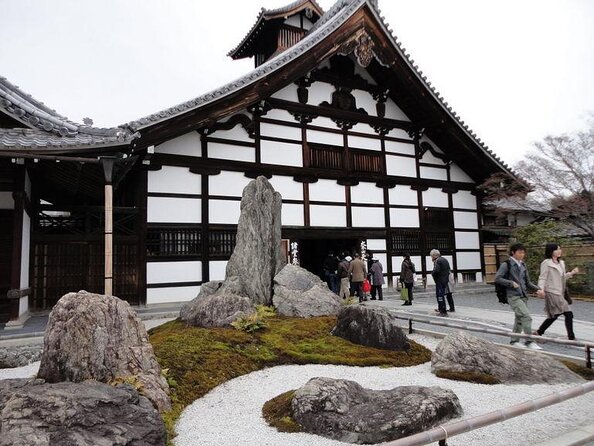
Your first stop is Hokyoin, a garden setting that’s described as hidden and quietly atmospheric. With about 15 minutes there, this is the kind of start that helps you shift from Kyoto-the-city mode into Kyoto-the-temple-garden mode.
What I like about starting here is the contrast it creates. Arashiyama’s most famous image is tall bamboo, but Kyoto gardens are where you learn the local “logic” of space: what to notice, what to ignore, and where the stillness is meant to land. Even in a short visit, a guide-led approach can help you see how the garden is composed—without turning it into a lecture.
The main consideration: 15 minutes passes fast. If you’re the type who likes to sit and stare (in a good way), use Hokyoin to pick one or two viewpoints to linger at rather than trying to photograph everything.
Sagaogurayama Donomaecho: the side streets that make Kyoto feel lived-in
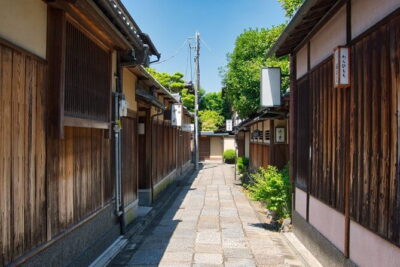
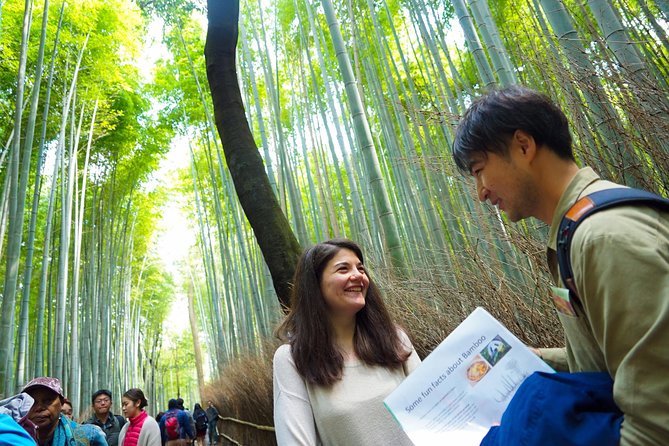
After Hokyoin, you’ll walk through Sagaogurayama Donomaecho for about an hour. This is one of the less flashy segments on paper, but that’s exactly why it matters.
This is where Kyoto stops feeling like staged sightseeing. You get time to absorb the district’s texture—street rhythm, local details, and small moments that don’t show up in the same way at the famous photo stops. A guide here helps you connect what you’re seeing with the wider cultural and historical context, so you’re not just walking through a neighborhood—you’re learning how Arashiyama developed.
Trade-off: if you only want the biggest highlights, this part may feel slower than the bamboo forest “wow.” Personally, I think this is what makes the tour feel like Kyoto rather than a theme park version of Kyoto.
Bamboo Forest Street: photo time, but also a route that respects the place
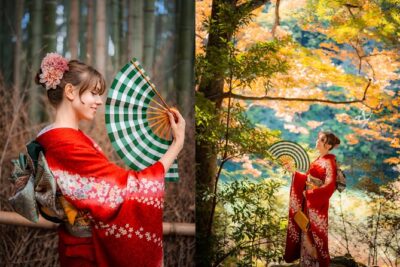
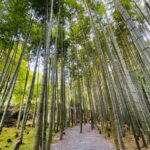
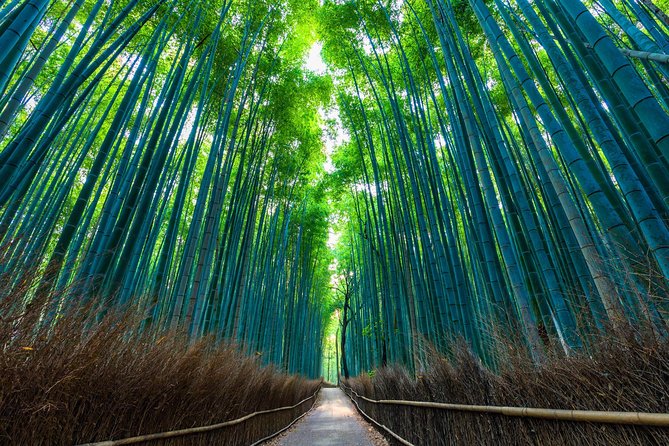
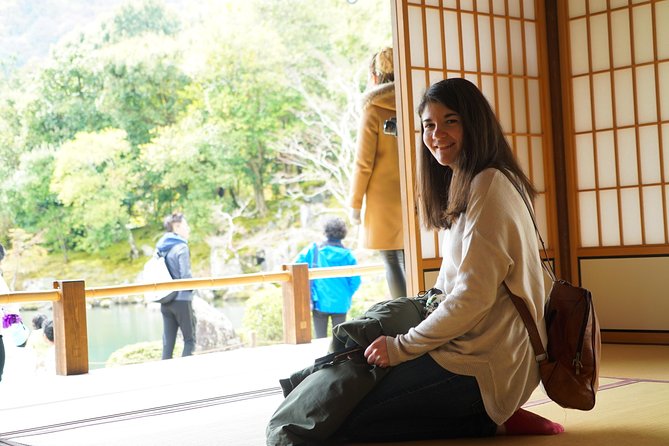
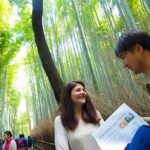
Yes, you’ll visit the bamboo forest street, with about 15 minutes set aside. The goal isn’t to stand in a single crowded lane for eternity. It’s to explore enough that you feel the scale of the bamboo and get multiple angles.
Here’s the practical tip: wear shoes you can walk in all day. Bamboo paths and nearby lanes can involve uneven ground and lots of stopping. Also, Japan’s weather can swing hard—so bring sun protection in summer and a light layer for cool mornings or drizzle.
If you’ve ever visited a bamboo grove and felt like you were part of a human traffic jam, this is the kind of tour format that helps. You’ll still see the bamboo, but you’re approaching it with context and timing, not just showing up and hoping for the best.
Okochi Sanso Garden: the viewpoint-focused garden stop
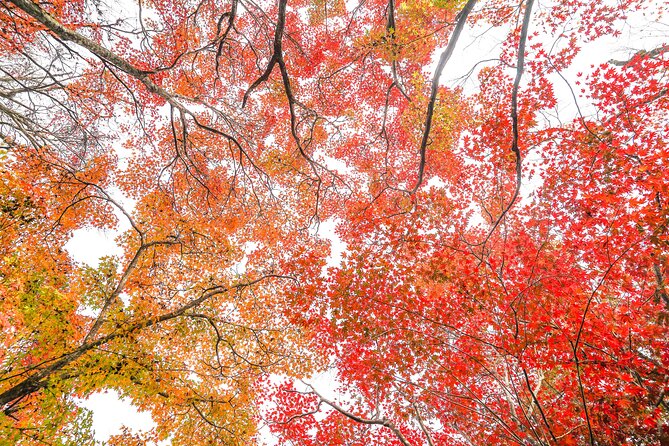
Next up is Okochi Sanso Garden, with about 45 minutes. This is the longer garden stop on the tour, and it’s the one that tends to create the strongest “I can’t believe this is right here” reaction.
A big reason is simple: gardens here are built around views. The guide’s commentary can help you understand why certain corners feel dramatic, why paths guide your eyes, and why the timing of your visit matters when you look out over the property and surrounding scenery.
One consideration: gardens are relaxing until they aren’t. If you’re worried about sitting still, bring a mindset that gardens are allowed to be slow. This stop is a reset—use it to breathe, not to rush your photos.
You can also read our reviews of more tours and experiences in Kyoto

Togetsukyo Bridge lunch: where your day slows down
You’ll have lunch near Togetsukyo Bridge for about an hour. This is one of the most valuable parts of the itinerary because lunch is included, Kyoto-style, and positioned at a practical moment when you’ve already seen enough scenery to actually enjoy a meal instead of grabbing something random.
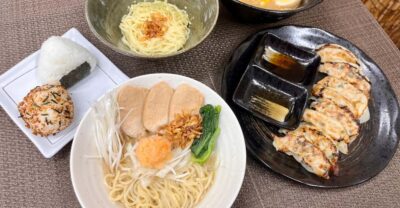
The food is described as a delicious authentic Kyoto-style lunch, and it includes options for vegetarian/vegan/gluten-free—though those are limited, so you should request early. There’s also a note that the meals aren’t guaranteed allergy-free, since the kitchens are not operated by the tour themselves. If you’re sensitive or have strict allergies, you’ll want to manage expectations and plan accordingly.
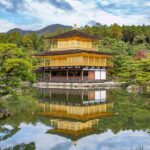
What makes this lunch feel like real travel value: it’s not just fuel. You’re dining near one of Arashiyama’s most recognizable landmarks, and the bridge area gives you a calmer visual backdrop after temple and garden stops.
Tenryu-ji Temple: World Heritage meaning, not just pretty gardens
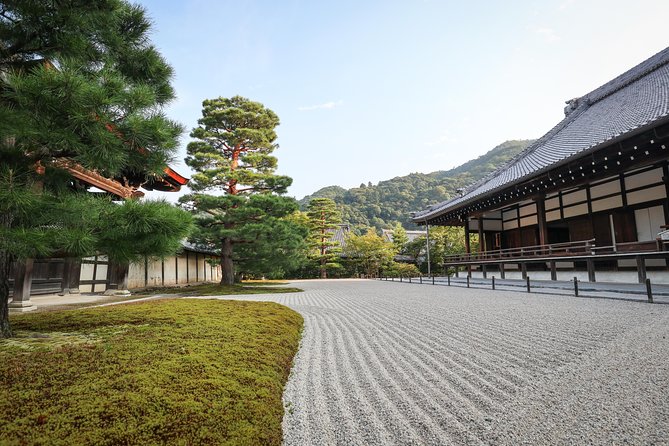
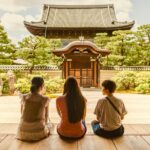
Tenryu-ji Temple is the World Heritage site stop, and it’s scheduled for about 30 minutes. That’s enough time to see the gardens and Zen painting elements with a guide’s commentary, but it’s not enough to treat it like an all-day museum. Think of it as guided orientation plus time to look closely.
What you should expect: a temple visit where your guide helps you read the space. Instead of just admiring “a garden,” you’ll learn what makes it special in Kyoto’s Buddhist landscape—how water, stone, and viewing points relate to the way Zen encourages attention.
The drawback is timing. Thirty minutes can feel short if you fall into the “I want to read everything” mode. For most people, though, it’s a good balance: you get the explanation, then you get to experience the atmosphere.
Also remember the etiquette note. Wear respectful clothing for Buddhist and Shinto facilities. You don’t need to dress like a monk; you just want to be mindful.
Finishing at Togetsukyo Bridge: souvenir street and last looks
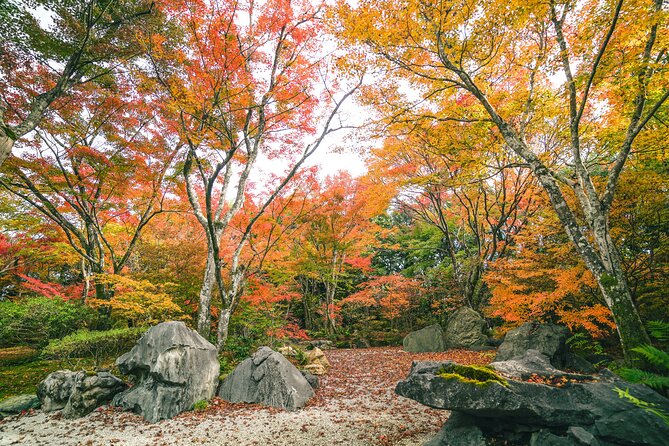
The tour ends around Togetsukyo Bridge and the souvenir street, with about 20 minutes at the end. This final stretch is useful because it gives you freedom without needing to figure out what to do next.
If you’re a shopper, this is the moment to grab small gifts, snacks, or traditional items while the experience is still fresh in your mind. If you’re more focused on photos, use this time for last-minute views of the bridge area—especially if you want to compare it to what you saw earlier in the gardens and temple settings.
Keep in mind the tour finish location may vary depending on the lunch restaurant. That’s not unusual in walking tours, but it’s worth planning your next transport with a little buffer.
Included extras that actually matter: matcha, snacks, photos, and admissions
This tour doesn’t just include the big-ticket items—it includes the small ones that improve the day.
Here’s what you get as part of the experience:
- Entrance fees to 2 temples and 1 Japanese garden
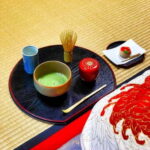
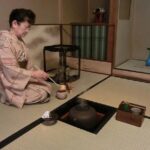
- A matcha drink plus a small tea ceremony snack
- A certified guide by MagicalTrip
- Photos taken during the tour, provided afterward
- Lunch (vegetarian/vegan/gluten-free are limited; request at least 1 day before)
Why this is good value: Kyoto costs add up fast when you’re paying for gardens, temples, and meals separately. When those costs are folded in, you can spend your attention on the actual sightseeing.
And the photos deserve a special mention. If you’ve ever tried to coordinate group shots while walking on crowded streets, you’ll appreciate a setup where you can focus on the place and trust that some images are handled.
Price and value: is $129.33 a fair deal?
At $129.33 per person, you’re paying for more than walking in Arashiyama. You’re buying:
- a small-group format (max seven)
- a certified guide with commentary
- paid admissions for temple/garden stops
- an included lunch plus matcha and a tea snack
- photo coverage during the tour
If you tried to recreate this on your own, you’d likely spend time managing tickets and deciding where to eat—two things a good guide removes from your workload. You’d also lose the contextual explanation that makes Tenryu-ji and the gardens more than just scenery.
The trade-off is that you’re paying for structure. If you hate group schedules or want full freedom to wander at your own speed, you may not feel the value as strongly. But if you like planning that’s light and well-paced, this price starts to make sense quickly.
What to wear and bring for this kind of Kyoto walking day
This is not a sit-and-smell kind of tour. Even though it’s about five hours overall, you’ll likely cover a lot of ground. One review noted around 28k steps, which lines up with the idea that you’re walking across Arashiyama and spending concentrated time at stops rather than staying in one spot.
So pack like you mean it:
- Walking shoes with traction
- Water (especially in warm seasons)
- Sun protection or a light layer, depending on weather
- Respectful clothing for temple visits
- If you need a special meal, request it at least 1 day before
Also, be ready for weather swings. Kyoto can hit extreme summer heat and winter cold, and the tour may cancel for safety in unsuitable conditions.
Who this tour fits best (and who should skip it)
This tour is a strong match if:
- you’re seeing Arashiyama for the first time and want a route that goes beyond the bamboo grove alone
- you care about cultural context at temples and gardens, not just photos
- you want a small group experience that feels more manageable than the big crowds
- you’d like included lunch and tea so you don’t have to decide mid-day
It may not be ideal if:
- you have mobility issues, since it’s not recommended for limited walking ability
- you need guaranteed allergy-free meals (the tour notes it can’t guarantee allergy-free accommodations)
- you want very minimal walking or lots of free time between stops
Should you book the Kyoto Arashiyama Bamboo forest & Garden half-day walk?
My take: book it if you want to experience Arashiyama with context, not just photos. The combination of small-group pacing, included temple/garden fees, and a lunch setup near Togetsukyo Bridge makes it feel like a complete half-day plan rather than a loose sightseeing grab.
Skip it or consider a different format if your priorities are low-walking sightseeing or strict dietary safety guarantees. Otherwise, this is the kind of tour that helps you leave with more than images—you’ll understand what you saw and why Kyoto arranged it that way.
FAQ
How long is the Kyoto Arashiyama Bamboo Forest & Garden Walking Tour?
It runs for about 5 hours (approx.).
What size group is this tour?
The tour has a maximum of 7 travelers.
What’s included in the price?
Entrance fees to 2 temples and 1 Japanese garden are included, along with matcha (plus a small tea ceremony snack), lunch, and photos taken during the tour.
Is lunch included, and are there dietary options?
Lunch is included. Vegetarian/vegan/gluten-free options are limited, and you should request them at least 1 day before the tour.
Where do I meet the guide?
The start point is 嵯峨嵐山駅北口タクシー乗り場 (Sagatenryuji Kurumamichicho, Ukyo Ward, Kyoto).
Where does the tour end?
It ends around Togetsukyo Bridge (and the main souvenir street). The exact finish point may change depending on the lunch restaurant.
Is the tour suitable for people with mobility issues?
It is not recommended for people with mobility issues. If you have difficulty walking, a private tour is suggested.
Should I dress a certain way for the temple and shrine visits?
Yes. Since the tour visits Buddhist and Shinto facilities, wear respectful clothing.
What happens if the weather is unsafe?
Japan’s weather can be extreme, and the tour may be canceled in unsuitable conditions for safety reasons. Free cancellation is available up to 24 hours in advance for a full refund.