REVIEW · KYOTO
Kyoto Private & Personalized Half-Day Walking Tour with a Local
Book on Viator →Operated by City Unscripted · Bookable on Viator
Kyoto clicks faster with a local beside you. This private half-day walking tour keeps you oriented, matches your pace, and lets you choose which neighborhoods get your attention.
I like that you get an authentic start with a guide who’s lived in Kyoto, plus a route built around your interests instead of a generic checklist. I also like the way the walk blends big-name landmarks with calmer streets, so your photos and stories feel more personal than a rushed stamp-collecting day.
One caution: it’s a walking-first tour for about 3–4 hours. If you’re sensitive to cold, long distances, or uneven sidewalks, plan smart clothing and bring backup energy, and note that tickets and food are not included.
In This Review
- Quick Hits You’ll Feel Immediately
- How the Local Tailors Your Kyoto Day (Not Just a Script)
- Where You Meet: A Simple Start in Sanjo
- Sanjo to the Kamogawa River: The Kyoto You Can Smell and Hear
- Gion Lanes and Tatsumi Bridge: How to See the Entertainment District Without Getting Stuck
- Yasaka Shrine: A Long-Lived Guardian and a Festival Story
- The 1895 Torii Gate Shrine: Kyoto’s Founding Through Spirits and Symbols
- An Edo-Period Fortress Walk: Tokugawa Ieyasu’s Power, Up Close
- Timing, Pace, and What to Bring for a 3–4 Hour Walk
- Price and Value: What $137.74 Buys You
- Who Should Book This Tour
- Should You Book This Kyoto Private Walking Tour?
- FAQ
- How long is the Kyoto private walking tour?
- Is this tour private or shared?
- What neighborhoods and landmarks are included?
- Is pickup included?
- Are entrance tickets and food included?
- Do I need to pay for transportation during the tour?
- What makes the itinerary flexible?
- Is there free cancellation?
- Are service animals allowed?
Quick Hits You’ll Feel Immediately
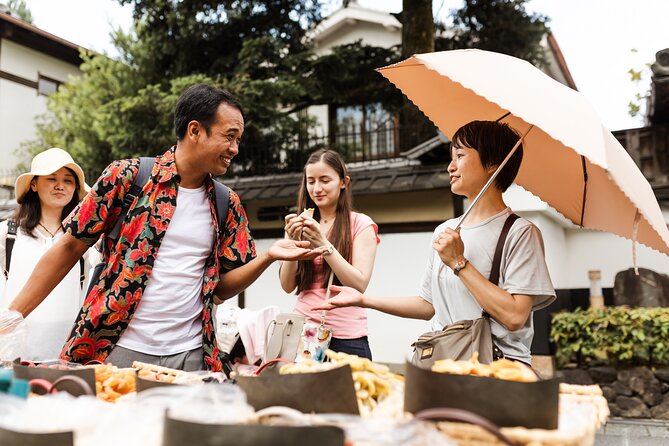
- Private, fully personalized pacing based on a pre-tour questionnaire
- Choose your neighborhoods so you’re not forced into one rigid loop
- Sanjo to Gion walking route with river strolls and classic Kyoto lanes
- Crowd-smart guidance (guides like Woohee and Taiga are praised for routing you efficiently)
- Direct communication with your host before you meet, including helpful photo support from guides like Mai and Ada
How the Local Tailors Your Kyoto Day (Not Just a Script)
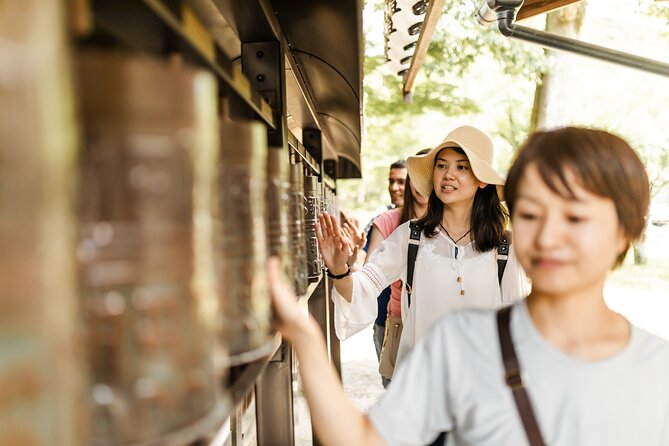
This is the kind of tour that starts before you even step outside. After you book, you fill out a questionnaire about what you actually want to see—history, food, temples and shrines, markets, artisan shopping, or quieter corners. Then your host reaches out directly to shape the plan around you, including the start time you prefer.
I love this part because Kyoto can feel “information-heavy” fast. You’ll stand in front of a shrine, look up at the architecture, and then realize you’re missing the context that makes it click. A good guide turns that into something you can hold onto: why a place matters, what to notice while you’re walking, and what order makes the day easier.
The guides themselves get high marks for adapting in real time. Woohee, for example, is specifically praised for asking what people care about and tailoring the route around it. Ada is noted for being proactive and even helping with a couple of Japanese phone calls. And Alexi Tsubasa is mentioned for sending a map in advance that pinpointed spots for shopping and culture—useful if you like to build momentum before you arrive.
You can also read our reviews of more walking tours in Kyoto


Where You Meet: A Simple Start in Sanjo
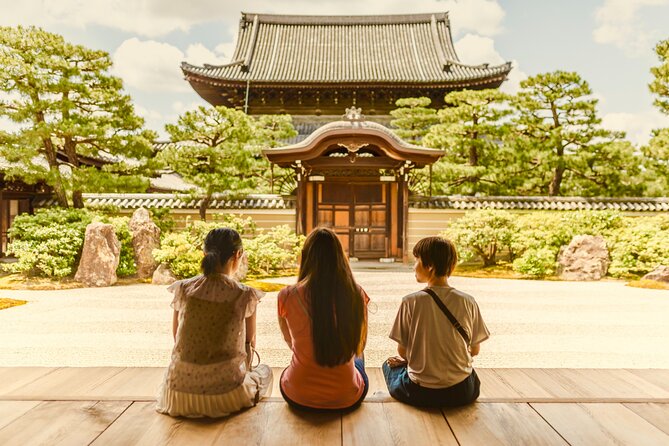
You’ll meet at Starbucks Coffee at the Kyoto Sanjo-ohashi Bridge area (Nakajyo Ward). It’s not a mysterious address, which matters on the first day in a new city. The tour also ends back at the meeting point, so you’re not stuck figuring out a late return when you’re tired.
Pickup is listed as available, but the clear meeting landmark helps whether you’re using transit or coming by taxi. If you’re jet-lagged or traveling with family, having a predictable meeting point is a big quality-of-life win.
Sanjo to the Kamogawa River: The Kyoto You Can Smell and Hear
After you meet, the tour begins with an authentic introduction—think orientation plus stories that make the city feel less like a postcard. Your guide sets expectations, explains the day’s flow, and adjusts to your walking pace.
Then you move into the Sanjo area: a district known here for historic, family-run shops and specialty stores. That’s important because Sanjo isn’t only about famous buildings. It’s about the everyday Kyoto texture—small businesses, older streets, and the sense that the city runs on local habits as much as tourist sights.
From there, you’ll stroll along the Kamogawa River. The river is one of those Kyoto anchors that changes mood across the seasons and across the day. On a guided walk, you’re not just passing it—you’re learning what local traditions look like when you understand where people came from and what they do.
Practical tip: If you’re sensitive to cold, this river stretch can feel windier. Layers and a warm outer layer make a noticeable difference in comfort, and it can keep the day feeling fun instead of merely dutiful.
Gion Lanes and Tatsumi Bridge: How to See the Entertainment District Without Getting Stuck
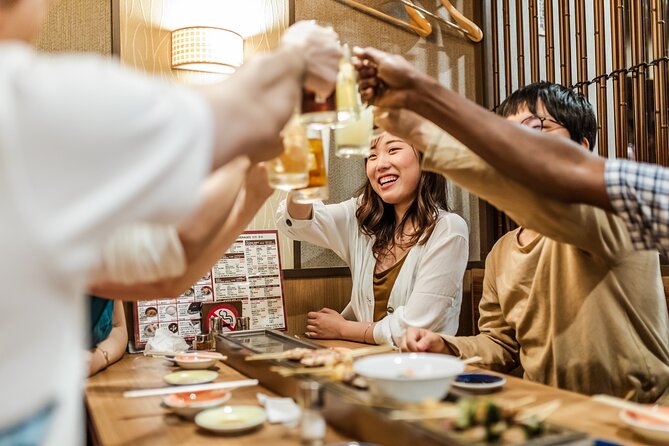
The tour continues into Kyoto’s classic entertainment district area, where you’ll walk through atmospheric lanes lined with wooden townhouses, teahouses, and refined restaurants. This is where many people want photos, but it’s also where crowds can turn a calm walk into a stop-and-go slog.
The smart part is that your guide helps you move through it. One of the most consistent praises in the guide feedback is about being efficient through busy areas and keeping the route workable. Mai, for instance, is credited with shepherding people efficiently through crowded train-station areas to reach their chosen destinations. That same skill matters here: you want to spend time looking, not constantly reshuffling your position.
You’ll also cross Tatsumi Bridge to reach a scenic viewpoint area. Even without chasing a specific photo spot, the bridge crossing gives you a natural break in the day. It’s a built-in “reset” moment when you can see the river and the neighborhood angles differently than at street level.
Drawback to watch for: if you’re traveling during peak seasons, some lanes can get crowded quickly. With a private guide, you can adjust order, pause longer where you care, and skip what doesn’t interest you. Still, plan to accept that Gion is popular.
Yasaka Shrine: A Long-Lived Guardian and a Festival Story
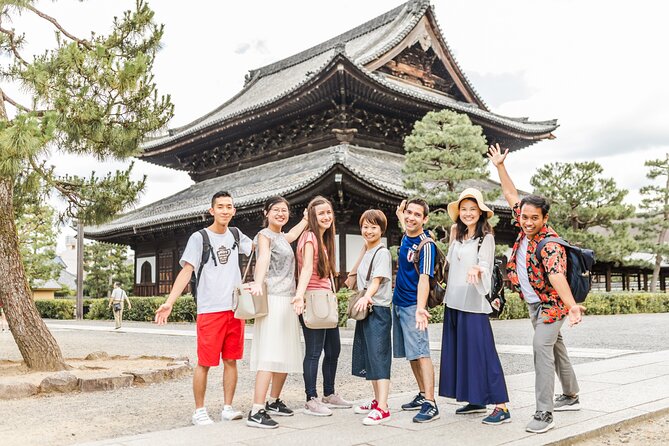
Next comes Yasaka Shrine, described as Kyoto’s guardian shrine for over 1,350 years. That age number matters. It’s not just architecture—you’re standing in a place that has kept its role through generations.
This stop is also where the tour connects place to living culture. Your guide shares details about the Gion Matsuri, one of Japan’s best-known cultural festivals. Even if you’re visiting outside festival dates, hearing what the festival represents helps you interpret the shrine’s atmosphere. You’ll notice how the shrine fits into the local calendar and why it still pulls people in.
What I like here is that shrines in Kyoto can be easy to “look at” but harder to “understand.” A good guide helps you read the environment: why people behave a certain way, what the design is communicating, and how the shrine fits into the neighborhood story.
Practical tip: Keep an extra minute for questions. If there’s something about festival culture you’re curious about, this is a good moment to ask. The shrine stop has a natural context that makes those answers feel relevant.
You can also read our reviews of more private tours in Kyoto


The 1895 Torii Gate Shrine: Kyoto’s Founding Through Spirits and Symbols
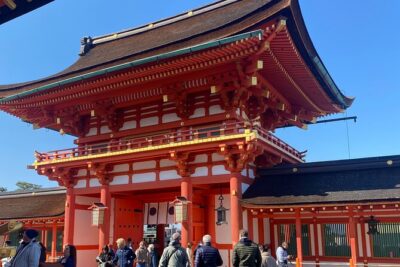
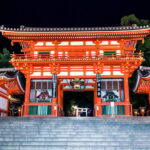
After Yasaka Shrine, you’ll see a grand torii gate and broad approach at a shrine built in 1895. The guide explains its connection to Kyoto’s founding and the spirits of the emperors it enshrines.
This is a different kind of moment from the river and the shopping streets. The torii gate is designed to be a symbolic doorway—large enough that you feel like you’re being pulled into a story. On a walking tour, you don’t just get a “look, torii, next.” You get the meaning behind why it’s there and what the broader connection is.
If you’re the type who likes to understand what you’re looking at, this stop usually lands well. If you’re not into symbolism, you can still enjoy it as a strong visual anchor. Either way, it’s a good contrast point: Kyoto isn’t only old-town lanes; it also has planned, purposeful statements tied to identity.
An Edo-Period Fortress Walk: Tokugawa Ieyasu’s Power, Up Close
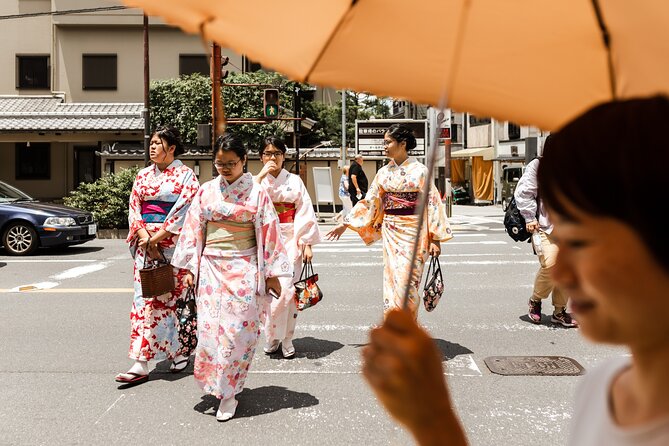
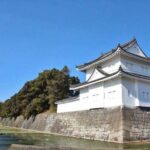
The final major stop is an Edo-period fortress built to showcase the power of Tokugawa Ieyasu. Your guide shares lively stories about samurai, shoguns, and Kyoto’s dramatic past as you wander the grounds.
This part of the day matters because it gives you scale. A fortress isn’t just a building. It’s a statement about governance and control, and the setting changes how you think about the city’s development. When your guide connects the fortress to Tokugawa power, the architecture and layouts stop being “cool old walls” and become political tools.
Also, this is a great place to slow your pace. Even within a 3–4 hour tour, the fortress grounds tend to reward extra minutes if you want to understand the site rather than rush through it.
Timing, Pace, and What to Bring for a 3–4 Hour Walk
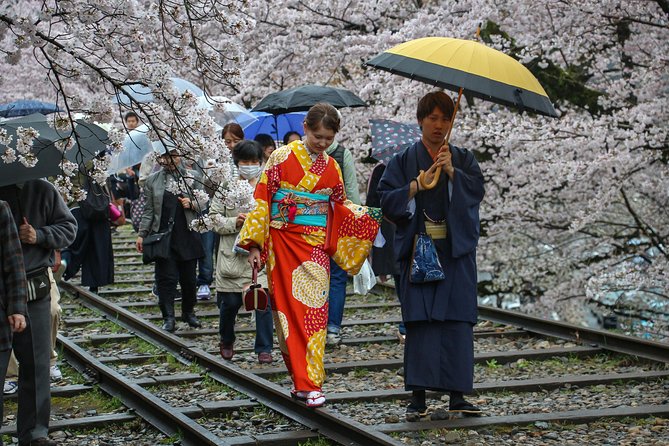
The tour is designed for roughly 3–4 hours. That’s long enough to cover multiple neighborhoods and major landmarks, but short enough that you can still enjoy an evening out afterward.
Still, treat it like real walking. You might do occasional transfers between sites using public transportation or taxis (with exact costs discussed with your host). Since transportation costs aren’t included, it helps to bring some flexibility in your budget if you’re moving farther between areas.
Bring:
- Comfortable walking shoes with grip
- A weather layer (Kyoto can feel colder than you expect when it’s windy or damp)
- A small umbrella if rain is possible
- Water, since food is not included
One of the best reasons to choose a private guide is pace control. The tour is praised for flexibility even with mixed ages, including families and grandparents paired with young children. If you need breaks or a slower rhythm, tell your guide early.
Price and Value: What $137.74 Buys You
At $137.74 per person for a private, personalized half-day walking experience, you’re paying for more than guidance. You’re buying:
- A tailored route built from your preferences
- A local host who can explain what you’re seeing
- Reduced stress from navigation and decision-making
- Help adapting on the fly, including practical support like photo assistance and communication help
If you’re traveling with limited time, this can be a strong value. Kyoto can eat hours if you’re guessing at what’s closest, what makes sense in what order, and how to handle language barriers. A private guide compresses the planning work into one human brain with local context.
Price also starts to look different if you compare it to the cost of “messy days.” One wrong turn into the wrong area at the wrong time can waste your energy. This tour is structured to keep you moving smartly through the areas that matter most on a first visit.
What’s not included (so budget accordingly): food, drinks, attraction tickets, and transportation between sites if your guide uses them.
Who Should Book This Tour
This tour is a great fit if:
- It’s your first time in Kyoto and you want less guessing
- You want a local lens on both famous places and everyday streets
- You care about pace and want a plan built around your interests
- You’d rather ask questions in real time than rely on an app
It’s also helpful if you have a mixed group. The tour is specifically praised for adjusting for young kids and grandparents, which is exactly where private planning shines.
If you already know Kyoto well and want to wander entirely on your own, you might not need this level of guidance. But if your goal is to make sense of Kyoto quickly and comfortably, this format is hard to beat.
Should You Book This Kyoto Private Walking Tour?
I’d book it if you want your first Kyoto day to feel organized without feeling rigid. The combination of private personalization, a walk through Sanjo and Gion, and stops like Yasaka Shrine and the Edo-period fortress gives you a solid mix of Kyoto’s streets, rituals, and power-story context.
Skip it only if you’re looking for a self-guided free-for-all, or if your schedule depends on lots of long rides and minimal walking. Otherwise, bring comfy shoes, tell your guide what you care about, and enjoy the advantage of not needing to figure out Kyoto alone.
FAQ
How long is the Kyoto private walking tour?
It runs for about 3 to 4 hours.
Is this tour private or shared?
It’s private. Only your group participates.
What neighborhoods and landmarks are included?
The route covers the Sanjo area and the Kamogawa River, moves through the traditional entertainment district area around Gion, includes a stop at Yasaka Shrine, features a shrine with a large torii gate built in 1895, and ends with an Edo-period fortress connected to Tokugawa Ieyasu.
Is pickup included?
Pickup is offered. You’ll also have a listed meeting point at Starbucks Coffee near Kyoto Sanjo-ohashi Bridge.
Are entrance tickets and food included?
No. Food, drinks, and attraction tickets are not included.
Do I need to pay for transportation during the tour?
Transportation isn’t included. It’s primarily a walking experience, but public transport or local taxis may be used between sites at an additional cost.
What makes the itinerary flexible?
You complete a pre-tour questionnaire, and then you communicate directly with your host to tailor the route to your interests, pace, and preferred neighborhoods.
Is there free cancellation?
Yes. Free cancellation is offered, and you can cancel up to 24 hours in advance for a full refund.
Are service animals allowed?
Yes, service animals are allowed.