REVIEW · KYOTO
Kyoto: Zen Meditation at a Private Temple with a Monk
Book on GetYourGuide →Operated by Travel Japan Together · Bookable on GetYourGuide
Silence in Kyoto feels rare. This private session at a temple not open to the public pairs a monk’s guidance with hands-on Zazen training, plus a garden-view tea break that turns culture into something you can feel. I especially like the monk-led Zazen practice with clear English translation, and I also like the way the experience ends with tea and discussion, not just a quick sit-and-leave.
One thing to consider: the meeting spot is a bit unconventional. You meet at the toilet at Kodaiji Park, with the guide waiting at the northern side, so arrive a few minutes early and don’t rely on random guessing.
In This Review
- Key things that make this experience work
- Zen in a Private Kyoto Temple Near Kodaiji Park
- Price, Time, and What You’re Paying For
- Getting to Kodaiji Park Without Losing Your Mind
- The Walk to the Temple: Quiet Starts Early
- The Monk’s Lecture on Zazen: Posture, Breath, and Mindset
- Sitting Zazen for Real: What You’ll Experience (and How to Handle It)
- Matcha Tea, Sweets, and Garden Views That Make Sense After Meditation
- Q&A With the Monk: The Part That Turns Photos Into Meaning
- Photos With the Monk and Temple Etiquette (Without Turning It Into a Photoshoot)
- Price and Value Check: Who This Is Actually Best For
- Logistics That Matter: What to Bring and How to Arrive Ready
- Should You Book This Zen Meditation Session in Kyoto?
- FAQ
- Where is the meeting point?
- How long is the experience?
- How much does it cost?
- What’s included in the Zen experience?
- Is transportation included?
- What language is the tour guide?
- Is it suitable for everyone?
- What cancellation options are available?
Key things that make this experience work
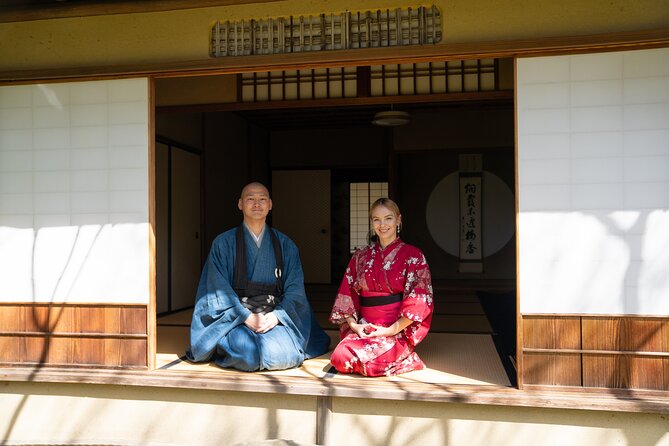
- Monk instruction on Zazen: You get taught posture and technique, then you practice, not just watch.
- A temple setting most people never see: The temple isn’t open to the general public, so you get space for quiet.
- Garden time with tea: After meditation, you slow down with matcha and a view of the gardens.
- English translation that keeps up: Guides like Soma, Kohtaro, Ruko, and Satoru were praised for clear English during sessions.
- Small group access: You’ll have time for questions and a real conversation feel.
- Photo time with the monk: You’re given a chance to take photos and capture the temple atmosphere.
Zen in a Private Kyoto Temple Near Kodaiji Park
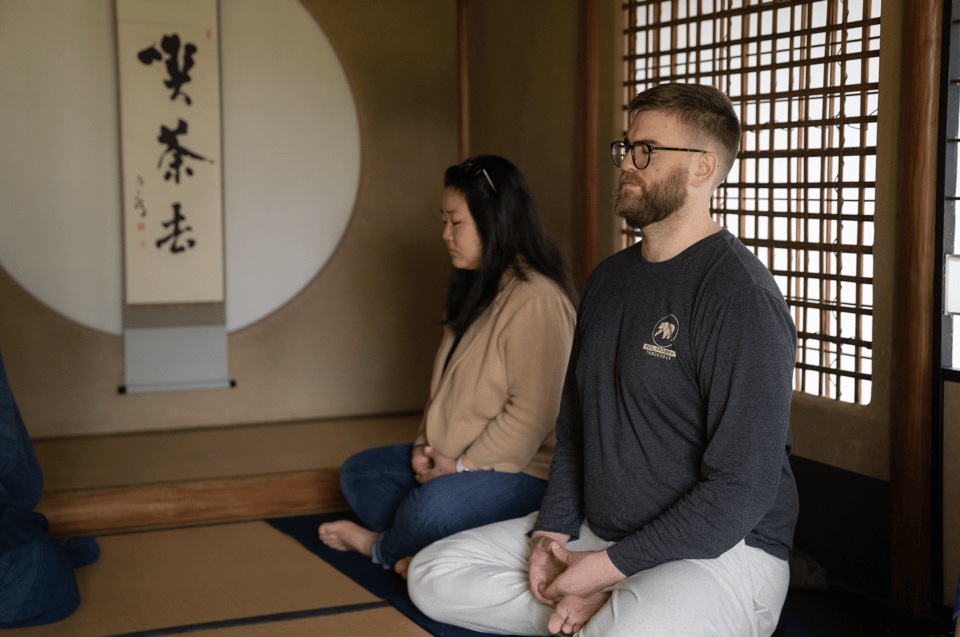
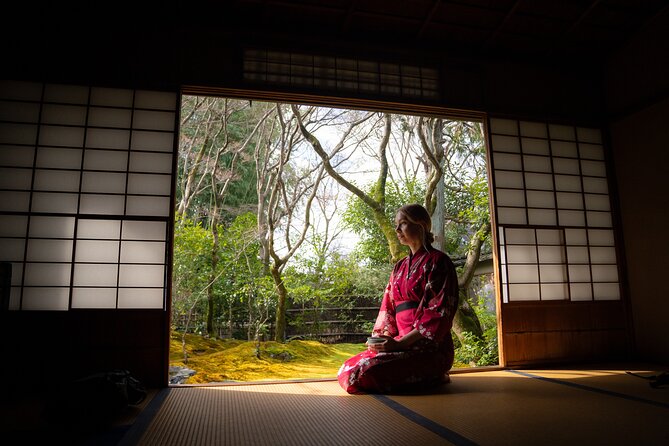
Kyoto has temples on every corner. What makes this one different is that you’re not doing another standard, ticketed, walk-through stop. You’re stepping into a temple setting that stays quiet by design, led by a monk, with an English-speaking guide to keep everything understandable.
The whole vibe is practical and calm. You’ll learn what Zazen is trying to do—steady presence, rhythm in the breath, and letting go of noise—then you’ll actually try it while you’re still fresh and attentive. It’s the kind of experience that makes you leave your phone in your bag without having to force it.
And yes, there’s time for photos. You get images of the temple and gardens, plus the chance to take pictures with the monk, which makes this feel less like a performance and more like a shared moment.
You can also read our reviews of more private tours in Kyoto
Price, Time, and What You’re Paying For
At $91 per person for 90 minutes, this isn’t the cheapest activity in Kyoto. The tradeoff is that you’re paying for access and coaching, not just a location.
You’re getting:
- Entry to a temple that isn’t open to the public
- A monk’s lecture on Zazen principles and technique
- Guided Zazen practice
- Tea with sweets afterward, plus time for Q&A
So the value isn’t the number of minutes. It’s the fact that you’re taught in context, then you sit and practice with feedback in a real temple environment. If you want a hands-on “learn it and do it” culture experience, this pricing starts to make sense.
If you’re expecting a long sightseeing route with lots of walking and big photo stops, you might feel the price more sharply. This is a calm training session with a temple garden as the backdrop.
Getting to Kodaiji Park Without Losing Your Mind
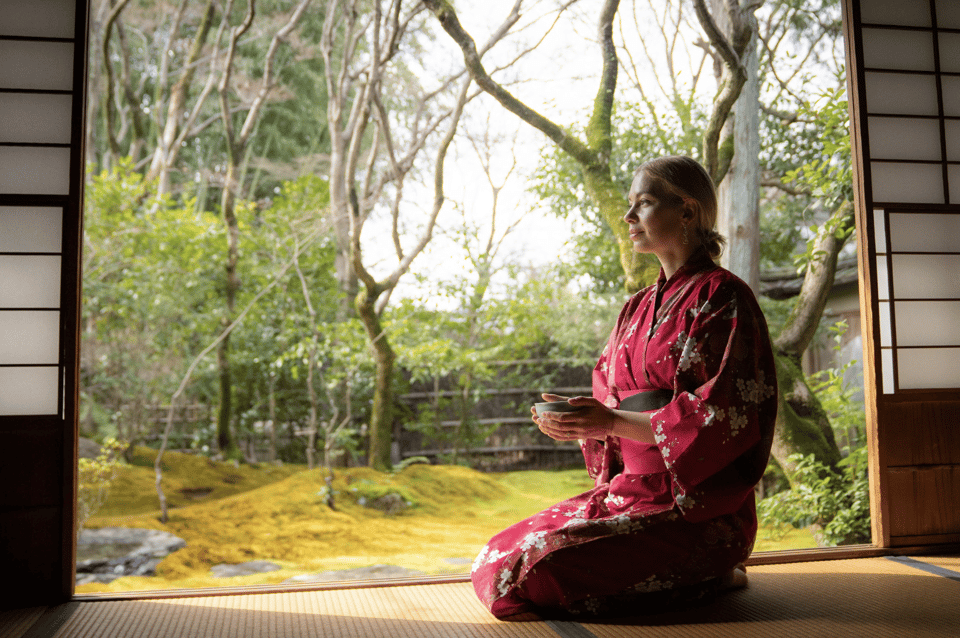
Meeting at a toilet sounds funny on paper, but it’s also oddly common in places where the exact temple access point matters. The guide waits at the northern side of the toilets at Kodaiji Park.
Here’s what helps:
- Arrive 5–10 minutes early so you can spot the guide quickly
- If you’re navigating, treat the toilets as your landmark, not a detour
- Wear something comfortable for a short walk (it’s about 10 minutes on foot)
Also, remember transportation is not included. You’ll be responsible for getting yourself to Kodaiji Park, then the group takes it from there.
The Walk to the Temple: Quiet Starts Early
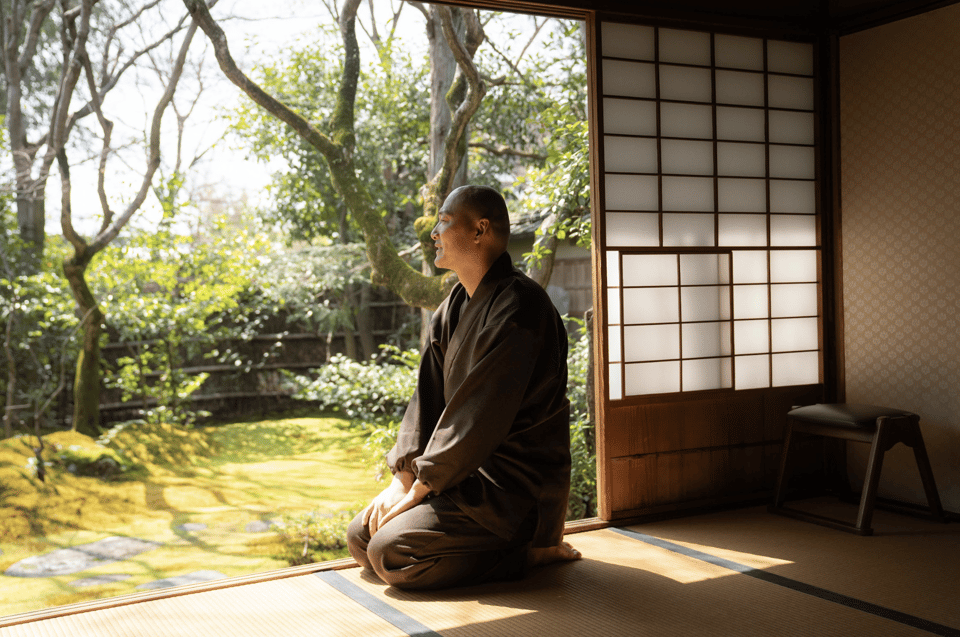
From Kodaiji Park, you walk about 10 minutes to reach the temple. That short walk matters more than it sounds. It’s like your buffer time—enough to shift gears from Kyoto’s motion into the slower rhythm you need for meditation.
You’ll do the main part of the experience at the temple, with guided time and the Zazen session. Because the temple is not open to general visitors, you’re less likely to feel like you’re squeezing your practice between camera crowds.
If you can choose an earlier departure time when available, you may get a calmer garden atmosphere. One session noted being early enough that they didn’t see many people walking, and that kind of quiet makes the meditation feel more grounded.
The Monk’s Lecture on Zazen: Posture, Breath, and Mindset
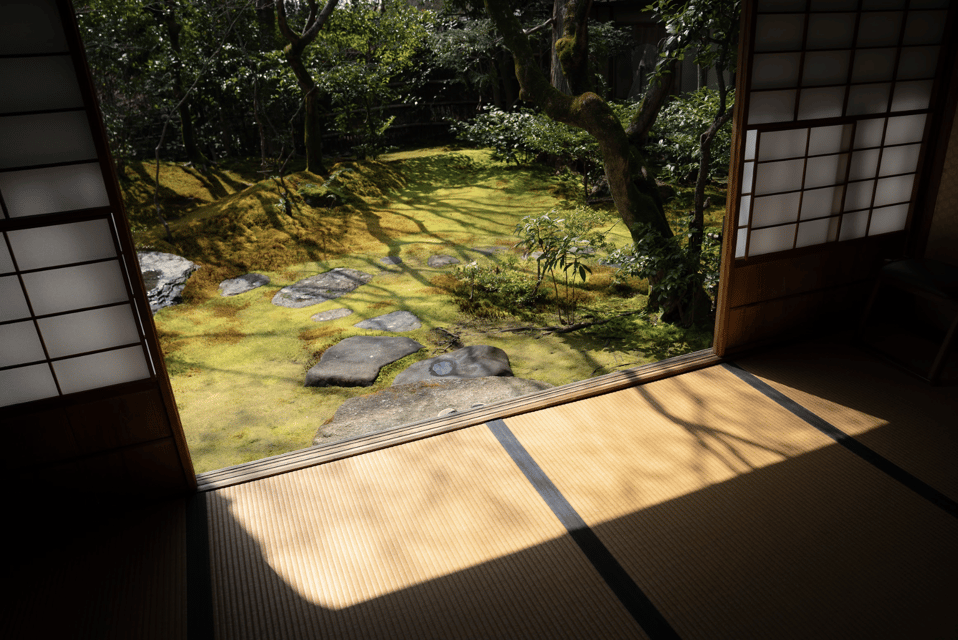
Before you sit, you get a lecture from the monk. This is where the experience stops being mystical and becomes learnable.
The focus is on the principles and techniques of Zazen, including:
- How seated meditation works
- Proper posture guidance
- Breathing with a steady rhythm
- The mental shift Zazen aims for—unity of mind and detaching from ego and worldly concerns
A big reason I like this structure is that it gives your brain something to do besides wonder what you’re doing wrong. Even if you’re a first-timer, you’ll have a simple framework: sit correctly, coordinate breath, and follow the practice without turning it into a performance.
And because the guide is translating live in English, you’re not stuck reading subtitled vibes. Guides are consistently praised for smooth, clear interpretation, which makes it easier to ask questions afterward.





Sitting Zazen for Real: What You’ll Experience (and How to Handle It)
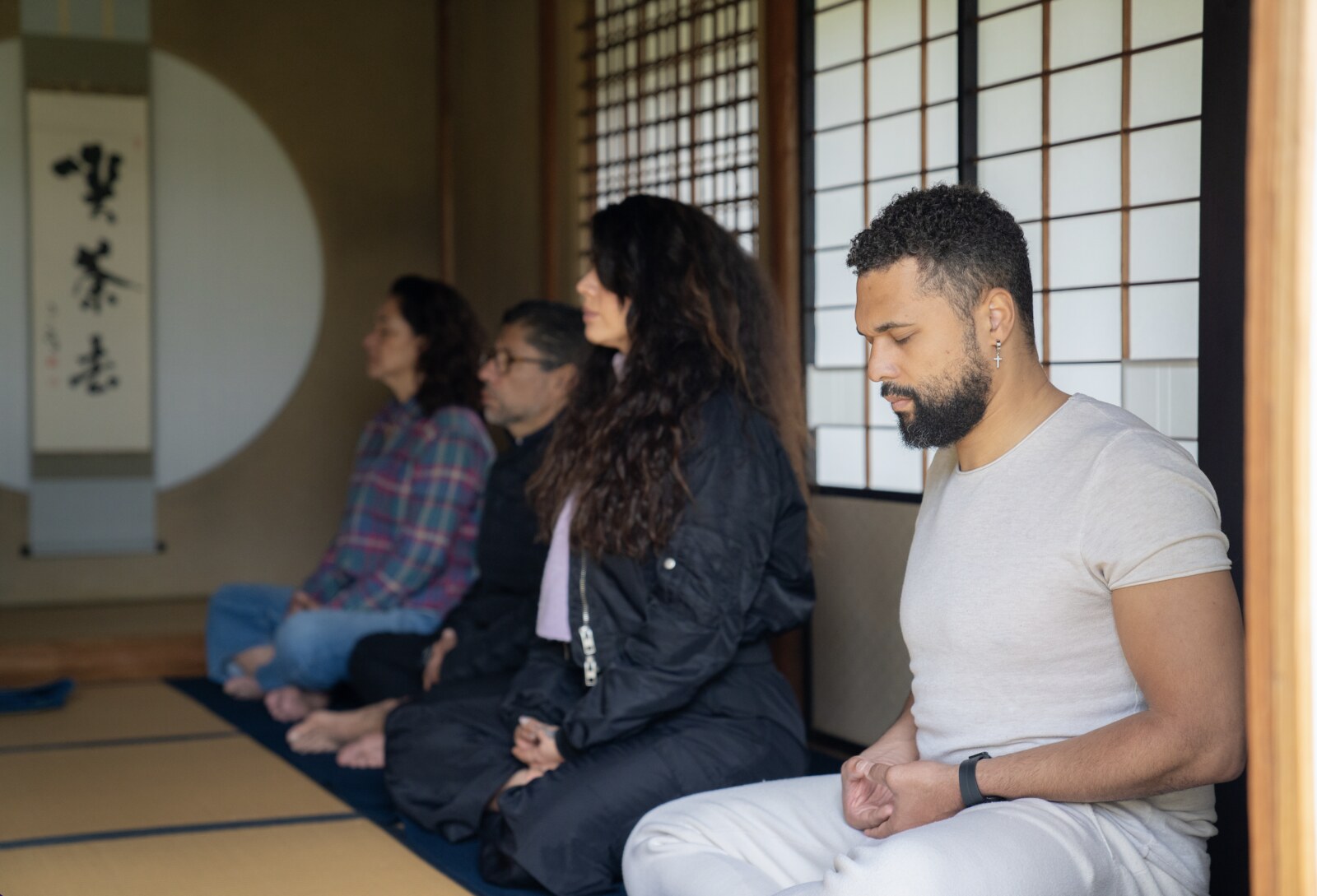
Then comes the part you came for: Zazen practice with guided support. The experience is designed to help you unify your mind and quiet the constant “thinking track” that runs all day.
In real terms, you can expect a few things:
- You’ll be asked to focus on breath and rhythm
- You’ll follow instruction for posture and how to hold yourself
- You’ll practice in a setting where the tempo is slow on purpose
If you’ve never meditated before, this can feel both simple and strange. Simple because the instructions are straightforward. Strange because sitting still makes your thoughts louder at first. That’s not failure. It’s part of the training.
You might find yourself checking the time, at least in the beginning. Use the breathing rhythm the monk teaches. When your mind wanders, don’t wrestle it. Return to the posture and breath cue you were given.
Matcha Tea, Sweets, and Garden Views That Make Sense After Meditation
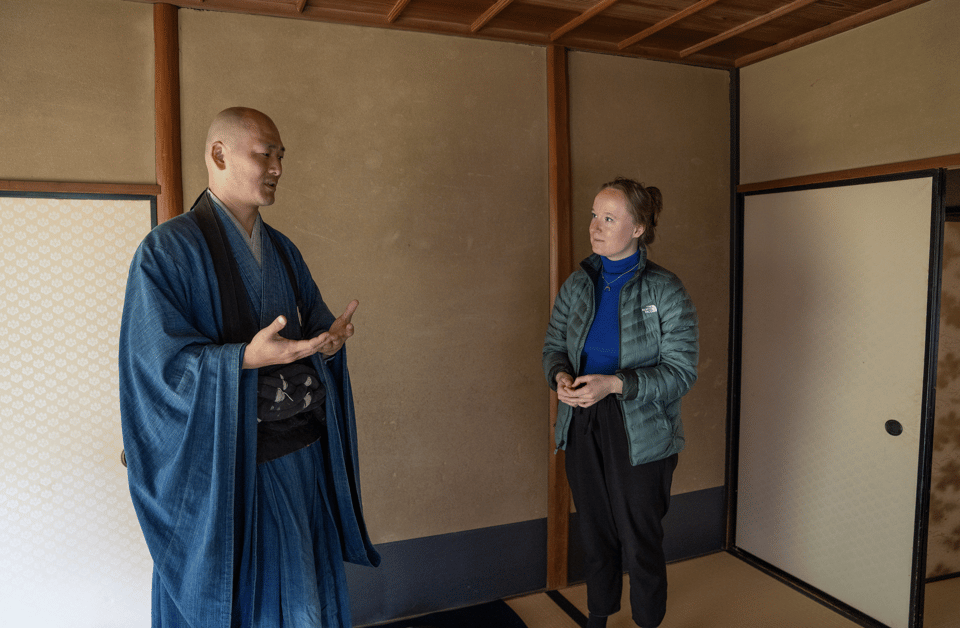
After the sit, the pace changes. You’ll drink tea and enjoy views of the temple gardens.
The tea part isn’t a random snack stop. It’s a gentle transition—your system comes down from “practice mode” into “reflection mode.” The matcha and sweets are usually served as part of this closing ritual feel, so the day doesn’t end abruptly.
What’s important for your enjoyment is the sequence. Meditation first, then tea and scenery. When you do it in that order, the garden feels less like a photo background and more like a place to land your attention.
If you’re the type who visits temples and moves on fast, give yourself a slower few minutes here. Look around, then take one or two photos only after you’ve noticed something small: a moss texture, a pathway curve, a quiet corner where nothing is trying to impress you.
Q&A With the Monk: The Part That Turns Photos Into Meaning
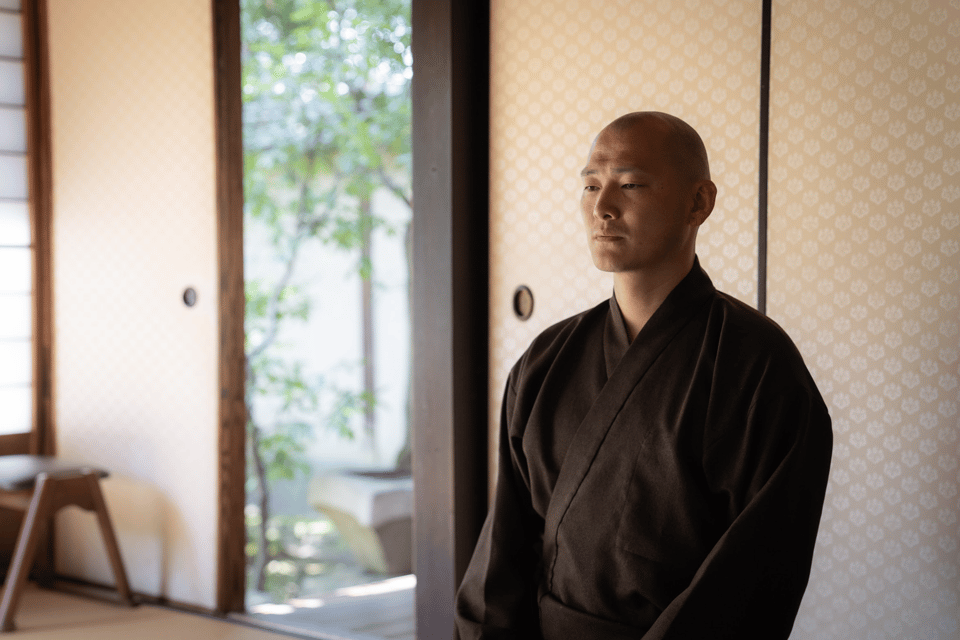
The experience includes discussion with the monk after tea. This is where the session shifts from guided activity into real cultural exchange.
You’ll get the chance to ask questions about:
- Zen meditation principles
- How Zazen is practiced in daily life
- The monk’s perspective and background
This is also where the small/private-group setup pays off. In a smaller setting, it’s easier to ask the question you actually care about instead of waiting for the one-off group question. Many sessions highlight how welcomed people felt and how approachable the monk was.
If you’re nervous about questions, start simple. Ask about what to do when your mind won’t cooperate, or what beginner posture guidance should focus on. The goal isn’t to impress. It’s to get practical.
Photos With the Monk and Temple Etiquette (Without Turning It Into a Photoshoot)
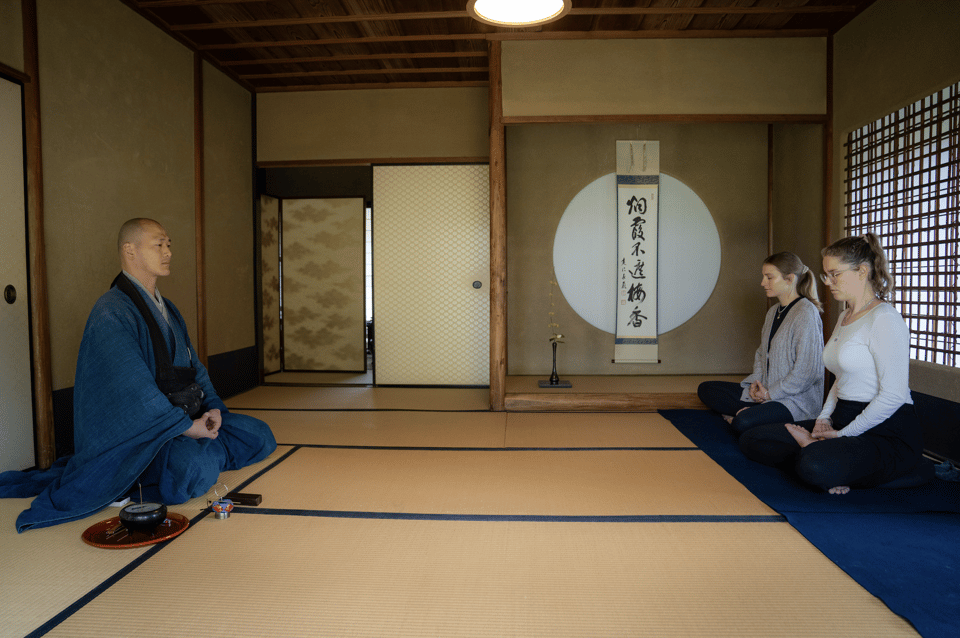
You can take photos during the experience, including with the monk and within the temple and gardens. That’s a nice add-on, especially if you want a memory that isn’t just a mental snapshot.
Still, treat it as respectful and brief. Temple etiquette matters even when an activity is designed for visitors. If your guide gives timing for photo moments, follow it. Don’t interrupt instruction, and keep your device use calm—think “document,” not “perform.”
A helpful mindset: take photos to remember the setting, not to replace the experience. After meditation, your eyes often notice more than your camera can capture anyway.
Price and Value Check: Who This Is Actually Best For
This works best if you want:
- A real first lesson in meditation (especially if you’ve never tried it)
- Guided practice in a temple environment instead of a generic class
- Time to ask questions and learn the “why,” not just the “how”
- A quieter alternative to Kyoto’s busiest temple routes
It also fits well when you’re mentally tired. One session was praised as exactly what people needed after a long travel day. If Kyoto feels overwhelming on day one, a calm, structured practice can reset your head fast.
Who should skip or be cautious:
- Children under 12
- People with mobility impairments
- People with claustrophobia
- People afraid of heights
Even if you want the cultural experience, don’t gamble with discomfort. The session includes seated practice in a temple setting, and the comfort and space are part of what makes it work.
Logistics That Matter: What to Bring and How to Arrive Ready
The essentials are simple, but you’ll enjoy it more if you’re prepared.
Bring:
- Comfortable clothing for sitting (you’ll be seated for the practice portion)
- Something light for the walk between Kodaiji Park and the temple
- A willingness to keep your phone away during instruction
Leave:
- Big expectations of a sightseeing checklist
Also, plan your timing so you arrive at Kodaiji Park without rushing. The start is easy to miss if you’re sprinting around the park or relying on vague directions.
If you’re traveling on your own schedule, note that starting times vary and you should check availability. Some people did earlier sessions; others had different time options. Pick the one that matches your energy.
Should You Book This Zen Meditation Session in Kyoto?
I’d book it if you want an authentic, coached introduction to Zazen in a place most visitors never get to experience. The value comes from the full package: monk-led lecture, guided Zazen practice, then tea and discussion in a quiet garden setting.
I’d skip it if you mainly want a long sightseeing tour or if you know you’ll struggle with seated stillness. This isn’t made for constant movement or quick “tick the box” tourism.
If you’re curious, a first-timer, or even skeptical but open-minded, this is one of the better bets in Kyoto. It’s short, structured, and calming—exactly the kind of experience that makes the city feel human.
FAQ
Where is the meeting point?
Meet at the toilet at Kodaiji Park. The guide waits on the northern side of the toilet.
How long is the experience?
The experience lasts 90 minutes.
How much does it cost?
It costs $91 per person.
What’s included in the Zen experience?
You get the Zen experience, entry to the temple, a lecture on meditation principles and techniques, and guided Zazen practice.
Is transportation included?
No. Transportation is not included.
What language is the tour guide?
The live tour guide is English.
Is it suitable for everyone?
It is not suitable for children under 12, people with mobility impairments, people with claustrophobia, or people afraid of heights.
What cancellation options are available?
You can cancel up to 24 hours in advance for a full refund. There’s also a reserve now & pay later option to keep plans flexible.