REVIEW · KYOTO
Kyoto: Tea Ceremony with Maiko
Book on GetYourGuide →Operated by B.B.Advisors Inc. AN KYOTO · Bookable on GetYourGuide
A Maiko, a cup, and Kyoto in 45 minutes. This experience is interesting because you get the real tea-ritual flow with a working Maiko and you also try whisking matcha yourself. I like the hands-on teaching and the direct Q&A feel, not a stiff performance. One drawback to plan around: it’s not set in a classic tea house, and you’ll climb stairs to reach the space.
If your Kyoto days are packed, this is a smart fit. It’s very close to Gojo Station, runs from late morning into afternoon, and keeps everything moving on a tight schedule. I also like that you leave with a tangible souvenir: a Senjafuda lucky charm from the Maiko or Geiko (sometimes the program swaps in a Geiko depending on the date).
That said, you should know what you’re getting: a short, friendly session in a building. If you’re hoping for slow, ceremonial pacing in an old wooden machiya setting, you might find this more compact than that.
In This Review
- Key things to know before you go
- Kyoto tea ceremony with Maiko: fast, close, and genuinely “Kyoto”
- The 45-minute flow: greeting, matcha making, Ohigashi, and Q&A
- Photos and the Senjafuda lucky charm moment
- Maiko vs Geiko: what changes on the day
- Where to meet near Gojo Station and how to find the stairs
- Price and value: why this $28 hour feels like more
- Who should book this matcha-and-Maiko session
- Practical tips so you enjoy it (and don’t feel rushed)
- Should you book Kyoto: tea ceremony with Maiko?
- FAQ
- Where is the meeting point?
- How long is the experience?
- What do I actually do during the ceremony?
- Do I get to take photos?
- What souvenir do I receive?
- Is the host always a Maiko?
- Is there English translation?
- Is the venue in a traditional Japanese house?
- Is the building accessible by elevator?
- What if I’m late or want to cancel?
Key things to know before you go
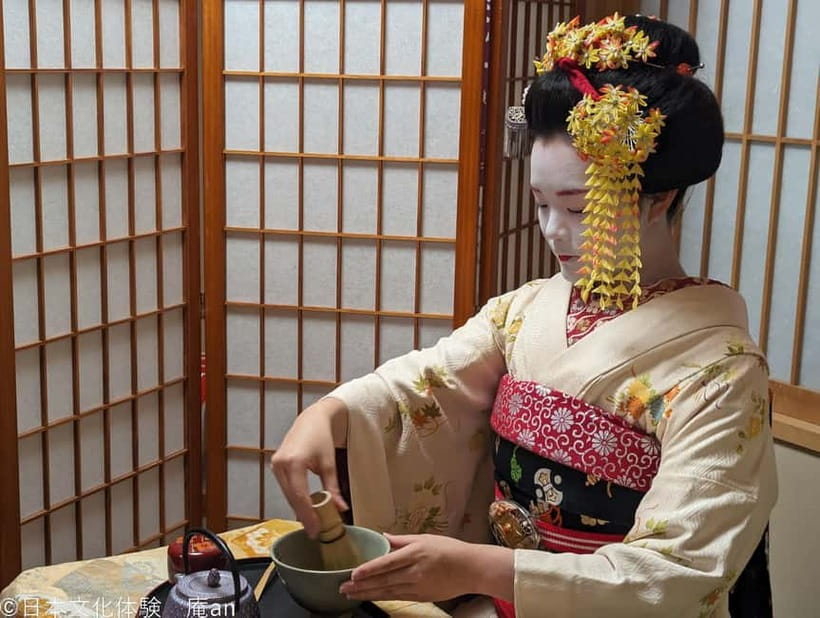
- You make your own matcha with Maiko instruction, not just watch someone else do it
- Ohigashi sweets come with the tea, and they’re part of the tasting rhythm
- The Q&A is built in, so you can ask about daily life and the craft
- You get an up-close photo right beside the performer
- You receive a Senjafuda lucky charm, given by the Maiko/Geiko
- It may be a Geiko instead of a Maiko, depending on the event date
Kyoto tea ceremony with Maiko: fast, close, and genuinely “Kyoto”
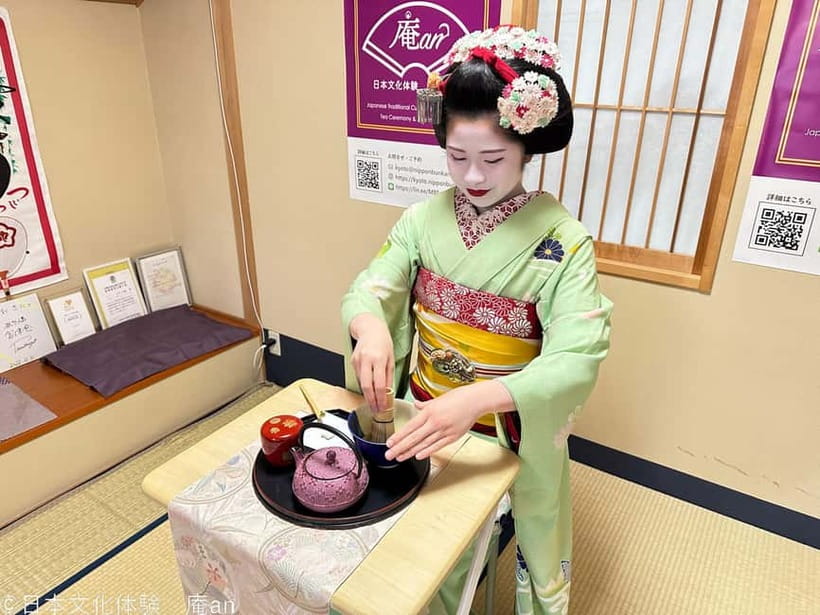
Kyoto can be a maze. This is one of the easier ways to sample one of its signature traditions without burning a half day getting there. The ceremony runs about 45 minutes, and the meeting point is a 1-minute walk from Gojo Station on the Karasuma Line (Exit 1). That proximity matters. In Kyoto, saving time is value.
The other reason this works is the personal tone. You’re not just viewing a staged moment. You’re learning how matcha is made and then asking questions while the session is still happening. Several written accounts praise the “up close without stalking” feeling and the friendly staff who keep things organized.
Price-wise, $28 per person is in the “short experience” range. What makes it feel like more than a basic ticket is that you get both participation (you whisk matcha) and access (photo time and Q&A), plus a souvenir charm. For many first-timers, that combo is the whole point.
You can also read our reviews of more tours and experiences in Kyoto.
The 45-minute flow: greeting, matcha making, Ohigashi, and Q&A
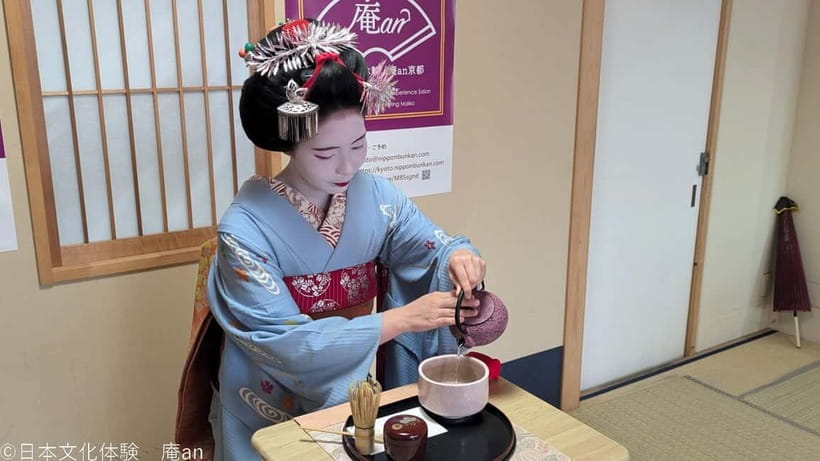
The schedule is built like a smooth mini-lesson. You start with a greeting, then you move straight into the core ritual.
Here’s how the time typically breaks down:
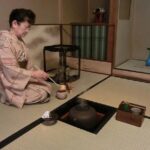
At the start, you’ll be welcomed and shown what’s coming next. Then the Maiko leads the tea ceremony demonstration, including what to notice and how to handle the tools. This isn’t a “sit and guess” situation. The point is clarity.
Next comes the hands-on part: you’ll make your own matcha tea. You’ll be taught the steps and then you’ll do it yourself. Even if you’ve never held a whisk in your life, the session format is set up to guide you through it. If you love food experiences where you actually do something, this is one of Kyoto’s better uses of limited time.
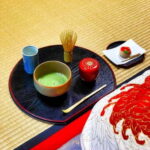
You’ll also be served two dried-type Japanese sweets (Ohigashi) alongside the matcha. That pairing is practical. It lets you experience how the sweets and tea work together, instead of treating matcha as a solo sip.
Then the best part for curiosity lovers: a Q&A session. This is where you can ask directly and get real insight into her world—daily life, training, and what it means to pursue the craft. One standout account specifically calls out how the performer answered many questions and how the host helped with English translation so people could follow along confidently.
A small note to set expectations: the venue is not an ochaya or traditional Japanese house. It’s in a building. The atmosphere is still relaxed, but the vibe is more “lesson room” than “old-teahouse set.”
Photos and the Senjafuda lucky charm moment
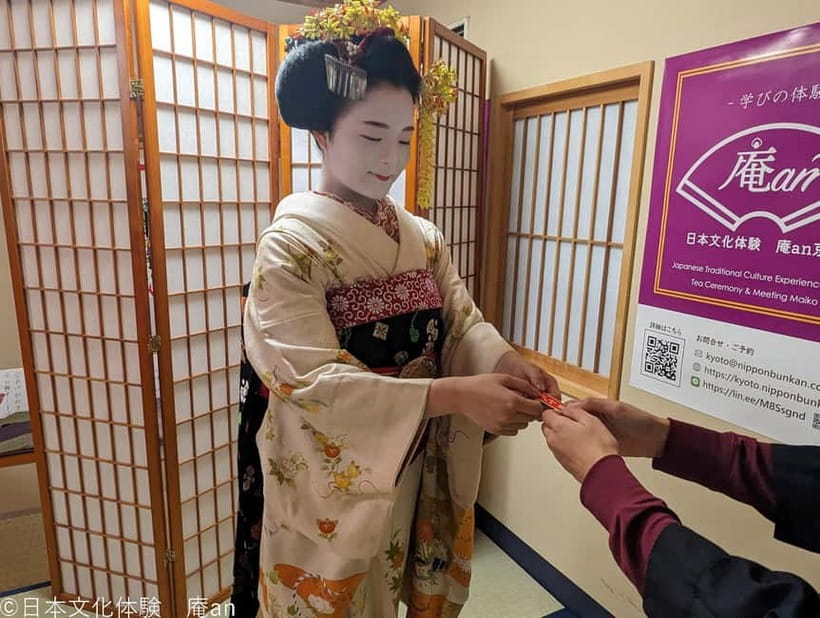
The ceremony isn’t over when the tea is served. Toward the middle-to-end of the session, you’ll get a photo opportunity with the Maiko right beside you. The tone here is calm and commemorative, and the timing is planned so you’re not rushed after the tea.
Then comes the souvenir moment. The Maiko (or Geiko, if they’re hosting your date) presents you with a Senjafuda lucky charm. That’s a nice detail because it’s not just a generic postcard-style memento. It feels connected to the actual experience, especially since it’s given by the performer.
If you’re traveling with someone who loves meaning behind souvenirs, this is one of those “small object, big story” keepsakes. And if you’re traveling solo, it’s an easy way to walk away with something tangible from Kyoto beyond photos.
Maiko vs Geiko: what changes on the day
One of the most important decision points is that the experience is not always hosted by the same type of performer. Depending on the event date, it can be hosted by a Maiko or a Geiko. In other words, you’re buying an evening-of-culture-style tea ceremony experience, not a guaranteed “only a Maiko” outcome.
Does that change the value? Usually, no. It actually keeps the program flexible. Your takeaway is still the same core structure: tea, matcha making, Ohigashi, Q&A, photo time, and the Senjafuda charm.
Language-wise, the session is in Japanese. English translation is provided “as much as possible.” That wording is important. In practice, many people are able to follow because hosts and interpreters help, and at least one review highlights an interpreter who made sure participants understood the flow. Still, if you’re very strict about English-only experiences, treat this as a “guided Japanese cultural activity with support,” not a full lecture.
Also, the session can be held alongside people having lunch or dinner, depending on the schedule. That doesn’t ruin the experience, but it can change the quiet level of the room. If you’re expecting total silence and candlelit drama, manage expectations.
Where to meet near Gojo Station and how to find the stairs
Logistics in Kyoto can make or break your day. The good news: this one is easy to reach.
Your meeting point is a 1-minute walk from Subway Karasuma Line Gojo Station, Exit 1. The store entrance faces Gojo-dori. From there, you’ll head to the venue, which is accessed by stairs. This is not an elevator situation.
One practical tip from a detailed navigation note: after you exit at Exit 1, walk straight, cross a small street, then continue until you see the location above the supermarket with the name Carnival. Then go up the stairs. That kind of simple “landmark ladder” is exactly how you avoid stress.
Timing matters too. The event doesn’t wait around for delays, and latecomers aren’t entitled to a refund. If you’re trying to link this to other Kyoto stops, build in a cushion. Metro connections can be fast, but you still need time for walking and finding the exact entrance.
Price and value: why this $28 hour feels like more
Let’s talk value the real way: what you pay for versus what you get.
At $28 per person, you’re paying for:
- a guided tea ceremony with a Maiko/Geiko
- instruction and participation to make matcha
- two dried-type Japanese sweets (Ohigashi)
- photo time right beside the performer
- a Senjafuda lucky charm souvenir
For short programs, the standout question is always: do you just watch, or do you participate? Here, you participate. And the Q&A gives you a layer of understanding that most short “look-only” cultural activities don’t provide.
I also like that the venue feels relaxed and welcoming. Some places can feel intimidating if you don’t know the customs. In this format, the host and staff make the experience straightforward, and people frequently mention that the staff runs it smoothly.
One more value angle: this is easy to slot into a Kyoto itinerary without needing a whole day. If you’re doing temples in the morning and dinner plans at night, this can be a satisfying “Kyoto flavor” stop that doesn’t hijack your schedule.
Who should book this matcha-and-Maiko session
This is a great fit if:
- you want a Kyoto cultural experience without committing to a long, complex tour
- you love hands-on food or drink experiences (because you’ll actually make the tea)
- you’re curious about the performer’s world and you want real answers through Q&A
- you want a memorable souvenir tied to the ceremony, not a generic shop item
It might be less ideal if:
- you want a traditional ochaya setting and “no building, no modern walls” atmosphere
- you’re traveling with mobility needs and can’t manage stairs (no elevator in the building)
- you’re arriving late or you hate tightly timed experiences
For families, note that children who require their own seat pay the same fee as one person. Children who sit on a parent’s lap are free of charge if they’re under 2 years old.
Practical tips so you enjoy it (and don’t feel rushed)
This session is designed to be friendly, but a few small choices help a lot.
First, go in with questions ready. The Q&A is a highlight. If you’re going to ask about daily life, training, etiquette, or the role of tea, jot down 2–3 topics before you arrive. That way, you’ll get more out of the time.
Second, arrive with a buffer. Since the event won’t accommodate delays, you don’t want to gamble with tight train connections.
Third, wear comfortable shoes. You’ll be using stairs to reach the venue, and Kyoto walking already adds up on most itineraries.
Finally, if you’re a matcha newbie, don’t overthink it. The point isn’t perfection. It’s learning how to do it correctly enough to enjoy the tea and understand the rhythm of the ritual.
One extra detail worth knowing: in at least one account, the Maiko also poured sake as part of the interaction. That isn’t listed as a guaranteed included item in the main basics, so treat it as a “could happen” moment rather than a promise. But it’s a good reminder that the ceremony can include small surprises depending on the specific flow.
Should you book Kyoto: tea ceremony with Maiko?
If your Kyoto plan is tight, I’d say yes—with conditions.
Book it if you want a high-quality snapshot of Kyoto’s tea culture with a real performer, plus participation and a lucky charm. The closeness to Gojo Station makes it low-stress, and the fixed 45 minutes means you can plan around it.
Skip it (or rethink) if you’re chasing a full, old-teahouse atmosphere or you need step-free access. Also think twice if you’re likely to run late, because the session won’t wait and refunds aren’t offered for latecomers.
The deciding factor for me would be simple: do you want to make matcha and ask questions, or do you just want photos and a quick look? If you want the more interactive version of Kyoto culture, this is one of the easier bookings you’ll make.
FAQ
Where is the meeting point?
It’s about a 1-minute walk from Subway Karasuma Line Gojo Station Exit 1. The store entrance faces Gojo-dori.
How long is the experience?
The program lasts about 45 minutes.
What do I actually do during the ceremony?
You’ll have tea ceremony instruction with the Maiko/Geiko, learn how to make matcha, and then make your own matcha tea. You’ll also be served two dried-type Japanese sweets (Ohigashi) with the tea.
Do I get to take photos?
Yes. There is a photo opportunity near the end of the session with the Maiko/Geiko up close.
What souvenir do I receive?
You receive a Senjafuda lucky charm presented by the Maiko/Geiko.
Is the host always a Maiko?
Not necessarily. Depending on the event date, it may be hosted by a Maiko or a Geiko.
Is there English translation?
English translation is provided as much as possible. The activity language is Japanese, and if you want additional English support you can contact the provider.
Is the venue in a traditional Japanese house?
No. The venue is located in a building, and it is not an ochaya or traditional Japanese house. The atmosphere is relaxed.
Is the building accessible by elevator?
No elevator is available in the building, and you’ll need to take stairs.
What if I’m late or want to cancel?
The event won’t be held to accommodate delays, and latecomers don’t receive a refund. Cancellation is free up to 8 days in advance for a full refund, and cancellations may involve a fee depending on timing.