REVIEW · KYOTO
Kyoto/Osaka: Kyoto and Nara Customized Private Guided Tour
Book on GetYourGuide →Operated by JAPANS TOURS · Bookable on GetYourGuide
A one-day Japan highlight route. You get the towering Arashiyama bamboo moments, the vermilion torii maze at Fushimi Inari, plus the gold-leaf spectacle of Kinkaku-ji, all paced by a private car. I also like that you’re not stuck guessing where to go next, especially with guides such as Abdullah or Usama—calm, patient, and ready to explain what you’re seeing. The one real drawback: it’s a packed 10 hours, so you’ll want to treat this as a fast hit of major sights, not a slow, deep stay.
This tour stands or falls on one thing: the plan is customizable. After booking, you coordinate your day, then you start with hotel pickup in Kyoto or Osaka at a time that fits your schedule, with a private driver and an optional English-speaking guide. I like the included WiFi hotspot too, because long transit stretches and crowded meeting points feel easier when you can quickly check maps or coordinate with your group.
If you’re hoping for zero walking, adjust expectations. Even with a vehicle doing the heavy lifting, temple areas and shrines mean stairs and uneven ground. The flip side is that many people use this exact setup to cut down transit stress—perfect if you’re traveling with kids, older family members, or anyone who just wants to conserve energy for the photo stops.
In This Review
- Key Things That Make This Tour Worth It
- How This Private Car Tour Really Works
- Picking Your Priorities: Customization That Saves Your Legs
- Arashiyama Bamboo Forest: The Photo Stop That Can Feel Like a Movie Scene
- Kinkaku-ji (Golden Pavilion): Gold Leaf Up Close, Without the Guesswork
- Fushimi Inari Taisha: The Vermilion Torii Gates and How to Not Get Lost
- Gion and Kyoto Streets: A Neighborhood Walk That Doesn’t Feel Like a Race
- Nishiki Market: Your Lunch-Adjacent Break and Snack Territory
- Kiyomizu-dera: Big Views, Real Stairs, and the Best Kind of Time Pressure
- Transfer Time to Nara: Why the In-Between Matters
- Nara Park: Deer Moments Up Close
- Todai-ji: The Scale Shock of a Major Temple
- What About Osaka in This Day?
- Tickets, Walking, and What You’ll Budget For
- Price and Value: $477 Per Group Up to 6
- Who This Tour Suits Best
- Should You Book This Kyoto and Nara Private Guided Tour?
- FAQ
- How long is the Kyoto and Nara customized private guided tour?
- How much does it cost, and how many people can go?
- What’s included in the tour?
- Are tickets included for the temples and shrines?
- Where do pickups and drop-offs happen?
- Can I cancel for a full refund?
Key Things That Make This Tour Worth It
- Private car, point-to-point pacing that avoids the subway juggling act between Kyoto and Nara
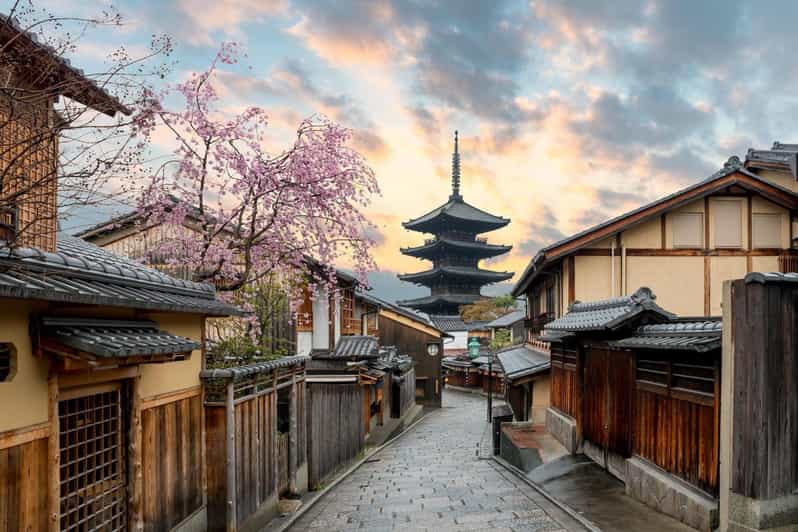
- Top sights in one day: Arashiyama bamboo, Kinkaku-ji, Fushimi Inari, Gion, and Todai-ji
- Your route can change based on what you care about most, not what fits a fixed bus schedule
- English-speaking guide options with guides like Abdullah, Usama, and others who help you make sense of each stop
- WiFi hotspot in the vehicle, handy for navigation and regrouping when places are crowded
How This Private Car Tour Really Works
This is a 10-hour private day built around a simple idea: you get a comfortable vehicle, you go where you want (or where your guide recommends), and you don’t waste time with transfers. Pickup is from your hotel in Kyoto or Osaka, and the pickup time is flexible within the day’s schedule. You can also choose from pickup options that include Nara or Osaka, depending on where you’re staying.
The key value is the buffer your guide creates. Kyoto and Nara are both famous for crowds, and the worst part of sightseeing isn’t the stairs—it’s the time lost figuring out routes, ticket lines, and meeting points. With a driver handling the logistics, you can spend your energy on the sights themselves.
If you choose the guided option, you’ll have an English-speaking guide (English, Hindi, Japanese are supported). Many of the best experiences people describe focus on communication and patience—clear explanations at each stop, plus guidance on where to meet if you break away for photos.
You can also read our reviews of more guided tours in Kyoto
Picking Your Priorities: Customization That Saves Your Legs
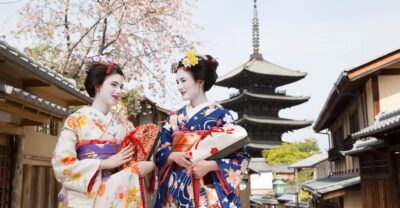
You’ll coordinate your plan with the activity provider after booking, which matters because Kyoto is not one-size-fits-all. Some days want temple density. Other days want neighborhoods, shopping streets, or a kimono stroll experience.
A helpful approach is to choose:
- One must-do in Kyoto (often Arashiyama bamboo or Kinkaku-ji)
- One must-do at shrine/torii level (usually Fushimi Inari)
- One must-do in Nara (usually Nara Park + Todai-ji)
- One flexible add-on depending on energy and crowd levels (Gion, Nishiki Market, Kiyomizu-dera, or even a culture stop like a ninja or samurai themed museum)
This is where the guide’s guidance shows up. People who travel with elders or kids often appreciate that the day can be arranged with less backtracking and fewer forced long walks. It’s also why the day can feel relaxed even when it’s full—because sequencing is part of the service.
Arashiyama Bamboo Forest: The Photo Stop That Can Feel Like a Movie Scene
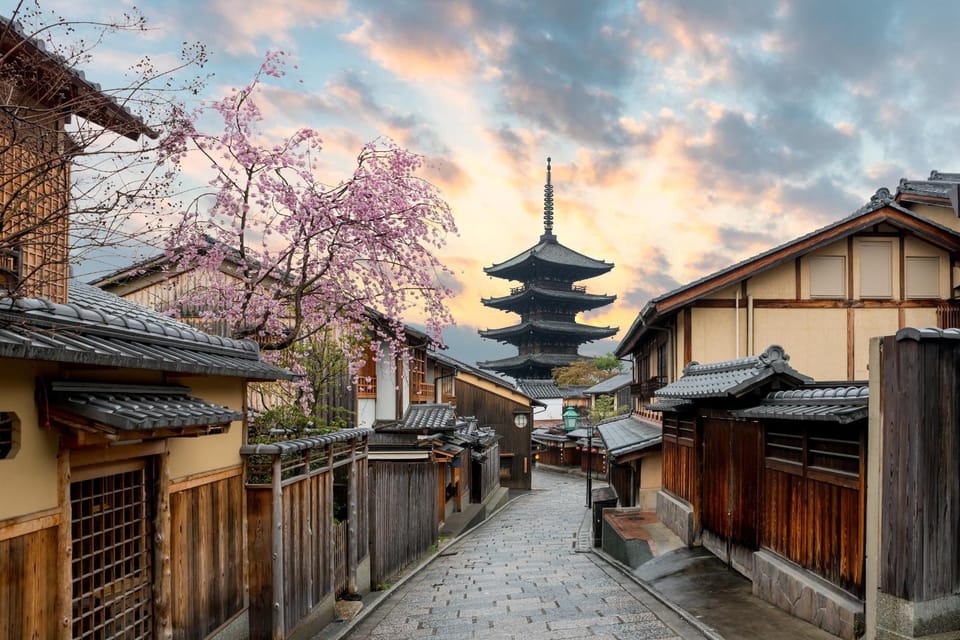
Arashiyama Bamboo Forest is one of those places you’ve seen in pictures a thousand times—and still, it hits differently when you’re standing among the stalks. In a typical day flow, you get about an hour here for a photo stop and sightseeing with guidance.
What’s great about this stop:
- It’s visually iconic fast. You don’t need hours to appreciate why this place is famous.
- The private setup helps you arrive and move through without being swallowed by mass-transit crowds for every step.
One consideration: timing. Bamboo areas can get packed, and the forest paths are narrow. If your group hates crowds, ask your guide to place this either early or in a lower-traffic window if your schedule allows.
Practical tip: bring shoes you don’t mind walking in for temple and shrine days. Bamboo forest paths can mean steady walking even during a “short” stop.
Kinkaku-ji (Golden Pavilion): Gold Leaf Up Close, Without the Guesswork
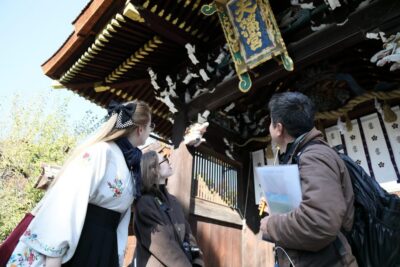
Kinkaku-ji is the “wow” factor stop. You’re seeing the famous Golden Pavilion, including the top floors covered in gold leaf—one of the clearest examples of how religious art and power intersect in Kyoto.
You’ll typically get around an hour here for a photo stop and a guided visit. The guide’s value is how they explain what you’re looking at without turning it into a lecture. You’ll also appreciate the route planning—where to stand for photos and how to avoid pointless detours.
A downside to flag: it can be a high-demand site at peak times. Even with a private tour, there may be lines or congestion. If you’re sensitive to crowd stress, tell your guide you want to keep this stop photo-heavy but efficient, so you’re not stuck hovering in slow-moving areas.
Fushimi Inari Taisha: The Vermilion Torii Gates and How to Not Get Lost
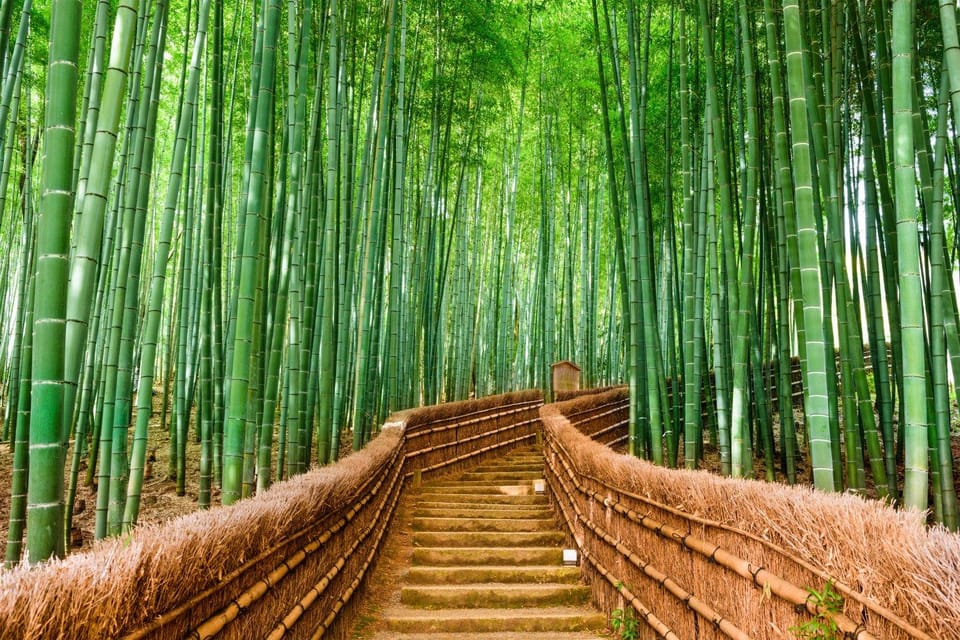
Fushimi Inari is the torii-gate experience: a seemingly endless run of vermilion gates leading you deeper into the shrine grounds. This tour typically includes an hour for sightseeing with photo stops and guided context.
What makes it special is scale. Even if you only do part of the route, you still get the feeling of entering a ritual corridor. A good guide helps you decide how far to go based on your group’s energy and your daylight window.
Consideration: Fushimi Inari can be crowded, and the pathways slope. If you’re traveling with kids or older adults, plan for breaks and shorter distances. You can still see plenty without pushing the farthest trails.
Also, this is one of the places where customizing pays off. If your interests include shrine blessings and ritual culture, you might build in time around nearby shrine experiences rather than treating this as only a photo stop.
You can also read our reviews of more private tours in Kyoto

Gion and Kyoto Streets: A Neighborhood Walk That Doesn’t Feel Like a Race
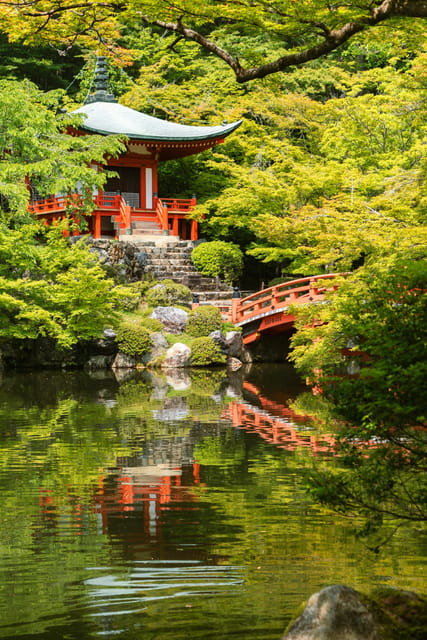
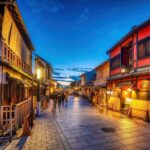
Gion is where Kyoto starts to feel like Kyoto—not just a collection of temples. In the typical flow, you get about an hour here, with time to visit and take guided context with a photo stop.
The private format helps because you’re not bouncing between transit stops while people stream past you. Your guide can also keep you moving in a way that reduces wasted back-and-forth, which matters when sidewalks get busy.
If you like street-level travel:
- This is a good time to choose a slower pace.
- It’s easier to stop for photos and then regroup without losing the whole group.
One drawback: Gion is popular. If you’re expecting empty streets, you’ll likely feel disappointed. The upside is the atmosphere is the point—just don’t treat it like an escape from crowds.
Nishiki Market: Your Lunch-Adjacent Break and Snack Territory
Nishiki Market is a shopping and food lane, and you’ll typically get about an hour for shopping and a break time. It’s a practical stop because it breaks up the temple rhythm and gives you options that feel local and everyday rather than ceremonial and grand.
What I like about building in Nishiki here:
- It’s easy to find something quick if your group wants a snack-and-walk style day.
- You can buy small items to share rather than committing to one long sit-down lunch.
Consideration: shopping streets mean people. It’s not the place for strollers that need lots of maneuvering space. If you have mobility needs, you may want your guide to lead you through the easiest sections and minimize detours.
Kiyomizu-dera: Big Views, Real Stairs, and the Best Kind of Time Pressure
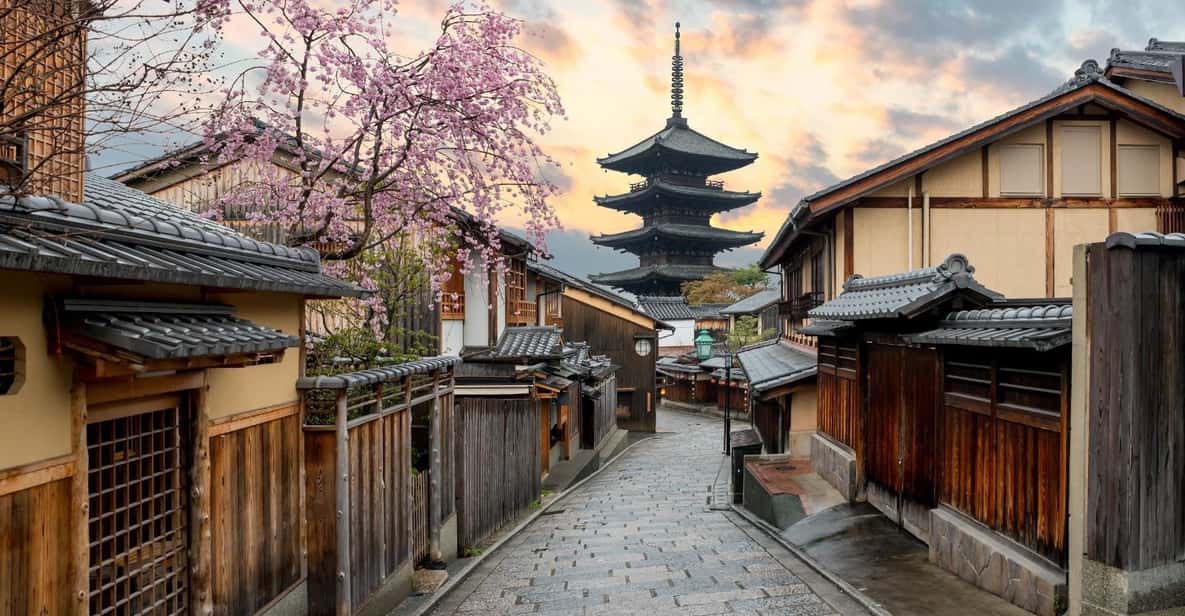
Kiyomizu-dera is a signature Kyoto stop, and your typical schedule includes about an hour for visiting and guided sightseeing. This is another place where a guide helps you make sense of what you’re seeing and how to navigate the site efficiently.
Why it’s worth it:
- The setting gives you that “Kyoto from the ground up” feeling.
- The guided walkthrough helps you understand why the location matters, not just what looks impressive.
One consideration: stairs and crowded approach areas. Even if you don’t do every corner, plan for movement and allow your group to pause for photos without feeling rushed. In a one-day plan, this is also where your guide will often help you decide whether to spend more time inside or around the viewpoints.
Transfer Time to Nara: Why the In-Between Matters
The itinerary includes a transport segment (about 45 minutes) before you reach Nara. This matters more than people think. A comfortable ride gives you a chance to cool down, use the WiFi to coordinate plans, and reset before you hit the deer park and major temple complexes.
If you’re traveling with mixed-energy levels, this is where the private vehicle becomes a real advantage. Your group isn’t forced into a transit sprint, and you can arrive calmer, not flustered.
Nara Park: Deer Moments Up Close
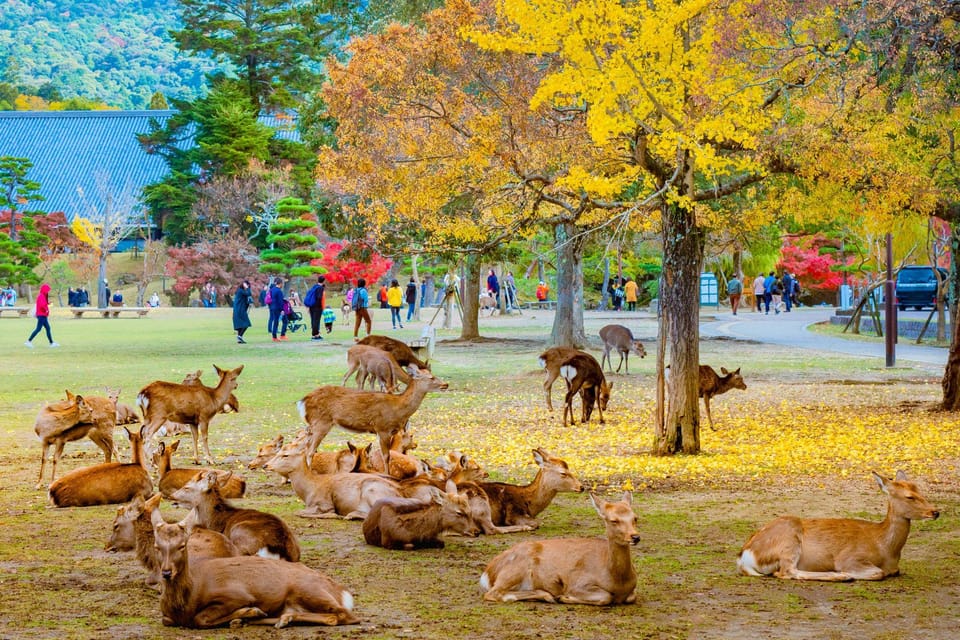
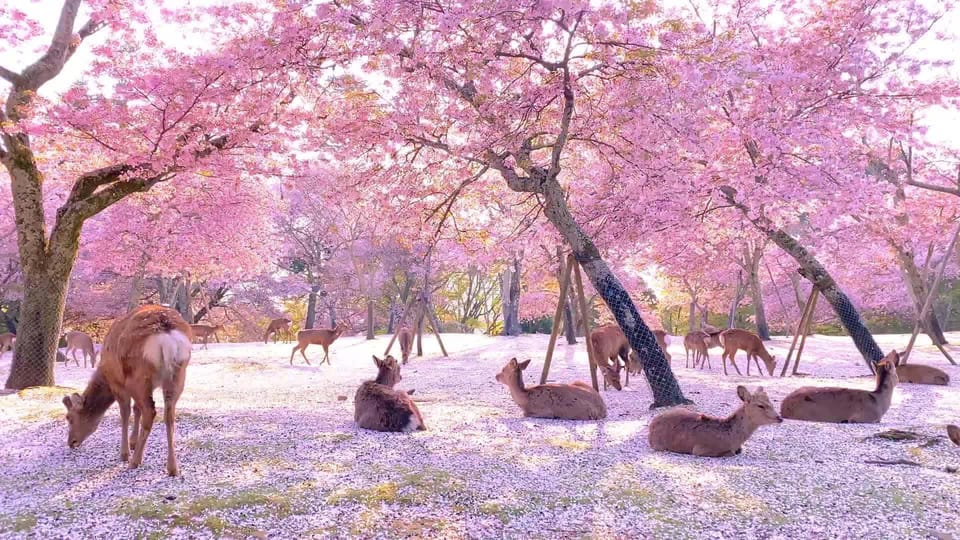
Nara Park is both charming and a little chaotic. You typically get a photo stop and about an hour for visit and guided time here. The deer are a huge part of the experience, and they can be bold—so this isn’t a perfect match if your group prefers to avoid animal interactions.
What’s great about Nara Park:
- It’s fast to enjoy. Even short walking loops give you the iconic “Nara” feeling.
- It changes the mood from Kyoto’s temple density into a more open, outdoors pace.
Consideration: deer behavior. If you’re traveling with very small kids or anyone uncomfortable around animals, ask your guide about how to keep the experience comfortable. You can still enjoy the atmosphere without lingering in areas where deer are most aggressive.
Todai-ji: The Scale Shock of a Major Temple
Todai-ji is the big finish in many one-day plans, with photo stop and guided visiting time of about an hour. This is where you feel the scale of Nara Buddhism and see why Todai-ji is on so many top lists.
A helpful part of having a guide here is interpretation. You’re not just walking through a historic site—you’re learning what each space represents and how to understand the temple complex as a whole.
One more practical note: since tickets are not included, you should expect that some paid entry areas may exist across temple and shrine sites. If your group has a strict budget, ask your guide which parts of Todai-ji are worth prioritizing so you’re spending on what you’ll actually enjoy.
What About Osaka in This Day?
Your starting pickup and drop-off options can include Osaka, and the broader tour concept covers Kyoto and nearby regions. However, the detailed day flow in practice is usually Kyoto-heavy first and then Nara as the second half.
If you strongly want an Osaka-focused moment (even just a quick area visit), tell your guide early so they can fit it without cutting into the core Kyoto/Nara sights you actually want.
Tickets, Walking, and What You’ll Budget For
Tickets are not included. That’s not a problem, but it’s a must-plan detail. Between temples, shrines, and certain indoor halls, fees can add up during a day with multiple major stops.
Walking is the other reality check. Even when your vehicle does the commuting, you’ll still do:
- stairs at temple sites
- uphill or sloped paths around shrine areas
- standing time for photos
For many groups, this is exactly why the private format feels so good: you save transit time and avoid hunting for the right trains and exits. But it’s still a full day outdoors and on foot.
Price and Value: $477 Per Group Up to 6
At $477 per group (up to 6 people), this is priced like a true private experience. When you compare it to solo taxi hopping or inefficient public transit connections, the value gets clearer fast—especially if you’re traveling with a small group or family.
Here’s how I’d think about the value:
- If you’re 1–2 people, it can still be worth it when you factor in time saved and stress reduced.
- If you’re 4–6 people, the per-person cost drops into a range where you’re basically buying convenience plus guidance.
- If you have elders or kids, you’ll often feel the value most. A vehicle and a guide can reduce the strain that comes from long transit days.
People who rate this highly often mention a day that feels efficient without feeling rushed—plus guides who adapt when your group needs a photo stop, a slower pace, or help finding the best path through busy areas.
Who This Tour Suits Best
This tour fits you if:
- you want Kyoto and Nara highlights in one day without transit stress
- you like the idea of a guide handling sequencing and meeting points
- you’re traveling in a group up to 6 and want private comfort
- your priority is seeing the major icons: bamboo, torii gates, golden temple, Gion, Nishiki Market, and Todai-ji
It may not fit as well if:
- you want long, slow stays at each site with deep study time
- your group hates crowds enough that even short stops feel overwhelming
- you’re building a day around only one or two sites and prefer downtime over a tight itinerary
Should You Book This Kyoto and Nara Private Guided Tour?
Book it if you want a fast, high-impact day where the logistics are handled and the experience still feels flexible. The best match is a group that values comfort, clear guidance, and a practical plan that hits the big Kyoto and Nara icons without wasting half your day on trains.
Don’t book it if your ideal Japan day is slow and quiet with lots of free time at one or two places. This is for people who want to see a lot, make smart stops, and keep moving—while still having a driver and guide to prevent the usual chaos.
FAQ
How long is the Kyoto and Nara customized private guided tour?
The tour duration is 10 hours.
How much does it cost, and how many people can go?
It’s priced at $477 per group, up to 6 people.
What’s included in the tour?
Included are a private comfortable vehicle, a WiFi hotspot, and an English-speaking driver and/or guide (depending on the option), plus tolls and gas. The tour is also fully customized.
Are tickets included for the temples and shrines?
No. Tickets are not included.
Where do pickups and drop-offs happen?
Pickup is included, and you can start from Kyoto, Nara, or Osaka depending on your option. Drop-off can be at Nara, Kyoto, or Osaka.
Can I cancel for a full refund?
Yes. Free cancellation is available up to 24 hours in advance for a full refund.