REVIEW · KYOTO
10 Must-see Spots in Kyoto One Day Private Tour (up to 7 people)
Book on Viator →Operated by EE tour · Bookable on Viator
Ten Kyoto sights, one stress-free day. This private tour is built for limited time: you get an organized route, an English-speaking guide to explain what you’re seeing, and photo stops that actually make sense.
I especially love the private pacing—your group stays together instead of getting swept along with strangers. I also love the guide-led context, like how Kinkaku-ji connects to shogun-era power, and how the day ends in Gion so you can continue the atmosphere on your own.
One consideration: the big-ticket sightseeing is paid separately (temple/transport costs), and the itinerary/lunch can’t really be changed, so you need a flexible mindset and comfortable shoes.
In This Review
- Key highlights that make this tour work
- How this private Kyoto day is different from DIY chaos
- Price and value: what you pay upfront vs what you’ll pay on the ground
- The route logic: why the day goes from Golden Pavilion to Gion
- Stop-by-stop: Kinkaku-ji, bamboo, Tenryu-ji, and Togetsu-kyo
- Stop 1: Kinkaku-ji Temple (Golden Pavilion)
- Stop 2: Bamboo Forest Street (Arashiyama)
- Stop 3: Tenryu-ji Temple
- Stop 4: Togetsu-kyo Bridge
- The Arashiyama Kimono Forest and the value of quick, fun detours
- Stop 5: Arashiyama Kimono Forest
- Fushimi Inari and Kiyomizu-dera: Kyoto’s biggest attention magnets
- Stop 6: Fushimi Inari Taisha (the torii gates)
- Stop 7: Kiyomizu-dera
- Sannenzaka, Ninenzaka, the Yasaka pagoda, and landing in Gion
- Stop 8: Sannenzaka and Ninenzaka slopes
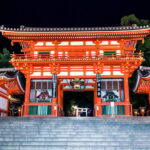
- Stop 9: Yasaka-no-to (pagoda landmark)
- Stop 10: Gion district
- Transportation and money tips that keep the day smooth
- The guide factor: why English explanations can change what you notice
- Who should book this Kyoto private day, and who might not love it
- Should you book 10 Must-see Spots in Kyoto in one day?
- FAQ
- What time does the tour start and where does it end?
- Is this tour private?
- Are the temple and shrine entrance fees included?
- Do I need cash during the tour?
- How long is the tour?
- What’s included in the price?
- What should I do if the weather is very hot?
Key highlights that make this tour work
- Kinkaku-ji first: Golden Pavilion gets you off to a dramatic start, with shogun-era context from your guide
- Arashiyama by design: Bamboo grove, Tenryu-ji gardens, and Togetsu-kyo views all fit into the same morning flow
- Instagram stop with substance: Arashiyama Kimono Forest’s 600 cylinder display is quick, but it’s fun and photogenic
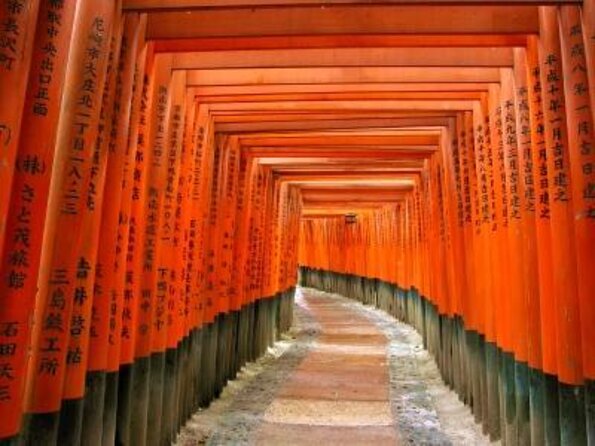
- Fushimi Inari time-saving: you’ll get a guided entry to the torii-gate experience before the crowds shift
- Kiyomizu-dera viewpoints: time for the iconic balcony panorama, plus a walk through the old-street slopes
- Finish in Gion: you end in the geisha district, with enough time to wander traditional alleys on your own
How this private Kyoto day is different from DIY chaos
Kyoto can feel like two different cities. There’s the postcard Kyoto—temples, torii gates, wooden shopping streets. Then there’s the real logistics: getting from one area to the next, timing your visits around crowds, and translating all the little rules at shrines and temples.
This tour tries to solve the logistics problem for you. It runs about 8 hours and stays focused on 10 must-see spots without asking you to stitch the whole day together. That matters when you only have one full day, or when you’re still learning your way around transit.
Because it’s private, the route is less about herding people through lines and more about getting the right mix of famous sights and walking neighborhoods. You also get an English-speaking professional guide, which is huge in Kyoto where signs don’t tell the full story.
Your day starts at Kitaoji Station around 9:00 am and ends in Gion (571 Gionmachi Minamigawa). So you’re not just transported from place to place—you’re handed off to one of Kyoto’s most atmospheric areas for the final wander.
You can also read our reviews of more private tours in Kyoto

Price and value: what you pay upfront vs what you’ll pay on the ground
The tour price is $179.07 per person (private, up to 7 people). That’s not “cheap,” but it’s also not just a bus ticket. You’re buying:
- Guide time for a full day
- Routing and transit planning between distant neighborhoods
- A fixed itinerary that’s built to fit everything into one visit
- Mobile ticket convenience
The trade-off is you still have to budget for what the tour can’t include: temple and shrine admission and local transportation.
From the tour details, you should expect:
- Temple/entrance fees: ¥1,500 per person
- Public transportation: ¥1,000 per person
- Taxi option: taxi costs run ¥7,000–¥9,000 per cab depending on rides, and if you’re 4 or more people you may need two taxis (the listing notes ¥8,000 per booking as an example)
A practical way to think about value: if you’re coming for major Kyoto icons in a single day, your biggest costs usually become time (lost to transit and waiting) plus stress. This tour pays for the reduction of both. You still spend money on admissions, but you save the hours and uncertainty of figuring out the best transport plan block by block.
The route logic: why the day goes from Golden Pavilion to Gion
This itinerary isn’t random. It’s basically a “west side first, then down to the east” approach.
- You begin in the west with Kinkaku-ji (Golden Pavilion).
- Then you move into Arashiyama, a zone that groups together bamboo, a major temple, and big scenic photo spots.
- After that, you shift toward the must-hit shrines and views: Fushimi Inari and Kiyomizu-dera.
- Finally, you transition into classic old-town walking streets and end in Gion.
Why that order helps: it reduces backtracking. Kyoto looks close on a map, but transit time adds up fast, especially when you’re walking from station to entrance and back again. A smart route means you spend your energy looking at stuff, not timing buses.
Stop-by-stop: Kinkaku-ji, bamboo, Tenryu-ji, and Togetsu-kyo
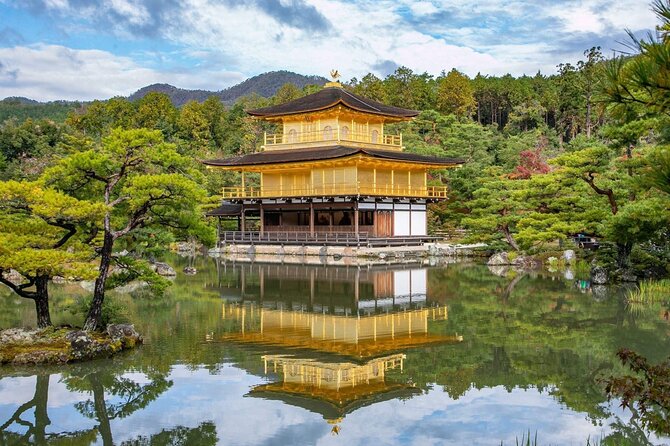
Stop 1: Kinkaku-ji Temple (Golden Pavilion)
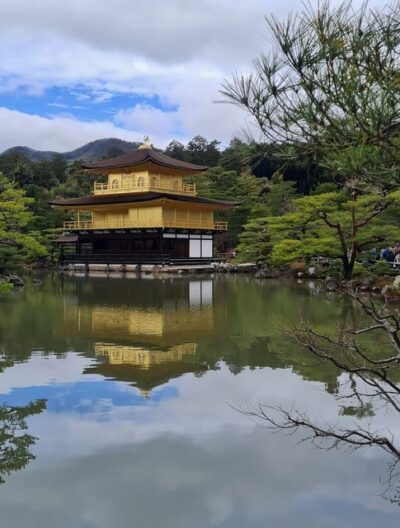
You start with one of Kyoto’s most famous “show up and stare” scenes: the golden pavilion. The tour notes that it used to function as a political center connected to the shogun. That kind of context changes how you look at it—suddenly it’s not only a pretty building, it’s part of how power was displayed.
What to expect: you’ll spend about 40 minutes at this stop. Admission isn’t included, so plan on paying your entry fee here as part of the day’s totals.
Small drawback: this is also a top attraction, so arriving with a guide helps you use the time well, but you’ll still want patience around peak crowds.
You can also read our reviews of more tours and experiences in Kyoto


Stop 2: Bamboo Forest Street (Arashiyama)
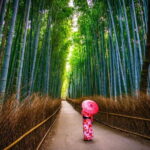
Next comes the bamboo forest area, about 20 minutes. Even if you’ve seen it in photos, seeing it in person has a different feel: shade, height, and the sound of footsteps moving through a narrow space.
On Private Guided, Full-Day Private Tour of Cappadocia's Highlights goes into more detail.
What to expect: you’re moving through an iconic photo zone, not doing a long hike. Admission is free here.
Stop 3: Tenryu-ji Temple
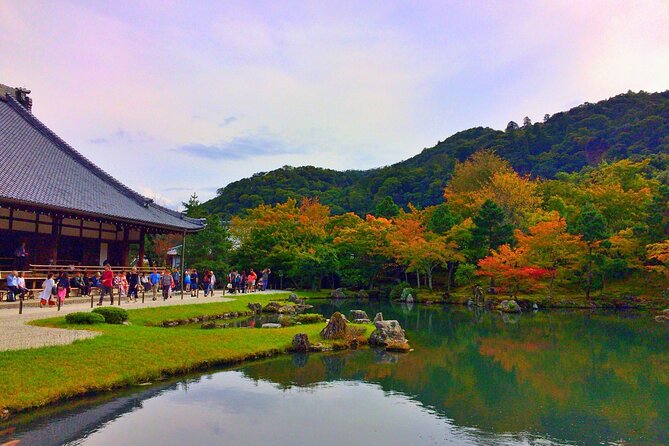
Then it’s into Tenryu-ji, about 30 minutes. The standout detail in the tour description is the pond garden made by one of Japan’s greatest gardeners. That matters because gardens in Kyoto often reward a slow look. A good guide will point out what to notice without turning it into a lecture.
What to expect: admission isn’t included. Treat this as a “quality time” stop after the quick bamboo walk.
Stop 4: Togetsu-kyo Bridge
You get about 10 minutes at Togetsu-kyo Bridge. The tour calls it a representative Arashiyama scene and encourages photos.
What to expect: this is a short view-and-photo moment. No ticket needed.
Practical tip: if you want pictures without shoulder-to-shoulder issues, try for a slightly off-angle shot. The view is still there, and it saves time.
The Arashiyama Kimono Forest and the value of quick, fun detours
Stop 5: Arashiyama Kimono Forest
This stop is brief—about 10 minutes—but it’s one of those modern art installations that’s hard to fully appreciate from a thumbnail.
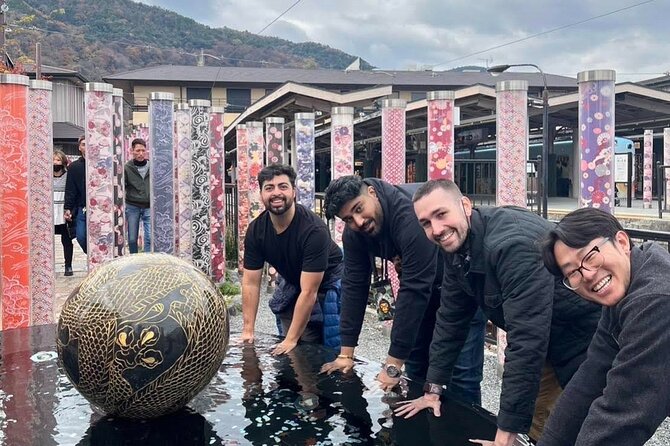
The display is described as an art installation of 600 cylinders with kimono designs. It’s also a well-known Instagram photo stop, so the timing here is useful: you get it as a quick visual break before heading to the bigger crowd magnets.
What I like about this kind of stop: it breaks the “temple-only day” rhythm. Kyoto isn’t only ancient buildings; it’s also creative present-day displays that fit the city’s visual style.
What to watch for: because it’s a popular photo moment, you’ll want to be ready to move along when your time is up.
Fushimi Inari and Kiyomizu-dera: Kyoto’s biggest attention magnets
Stop 6: Fushimi Inari Taisha (the torii gates)
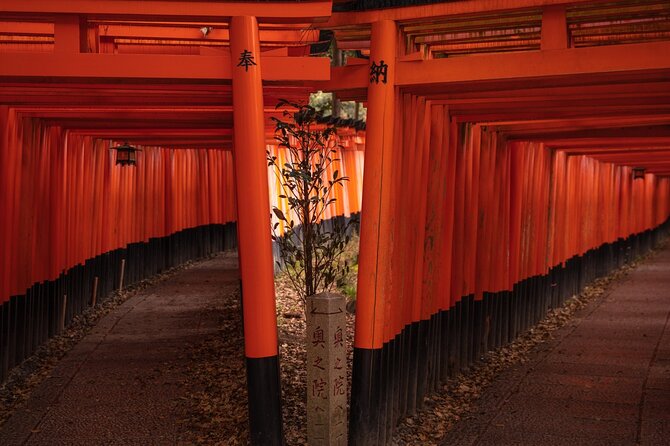
This is the star for many first-timers. The tour description highlights the one thousand torii gates and calls it one of Kyoto’s best-known attractions. It also notes it was selected as #1 in Japan by TripAdvisor five times.
You get about 1 hour here, and admission is free.
What to expect: walking through torii gates that keep going. The fun is the progression—each gate gives you a slightly different angle, and the stair-and-path layout invites you to choose how far you go.
A practical consideration: torii areas can be crowded. A guide helps you manage your time so you don’t end up in a stop-and-go bottleneck for too long.
Stop 7: Kiyomizu-dera
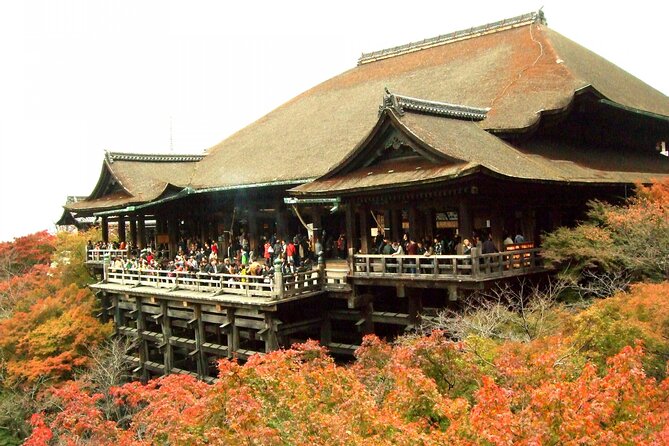
Then you head to Kiyomizu-dera, about 1 hour. It’s listed as a World Heritage Site in the tour details, and the big feature is the vast balcony with a panoramic view.
What to expect: admission isn’t included. This is one of those places where you’ll want to plan your energy. The balcony viewpoint is worth it, but don’t rush the approach—Kyoto’s temple stairs and surrounding angles are often the best “in-between” photos.
Small drawback: this is another major stop, so timing and guidance matter if you want photos without turning your day into a wait line.
Sannenzaka, Ninenzaka, the Yasaka pagoda, and landing in Gion
Stop 8: Sannenzaka and Ninenzaka slopes
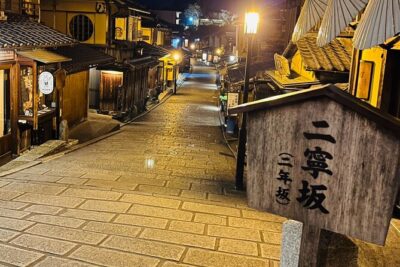
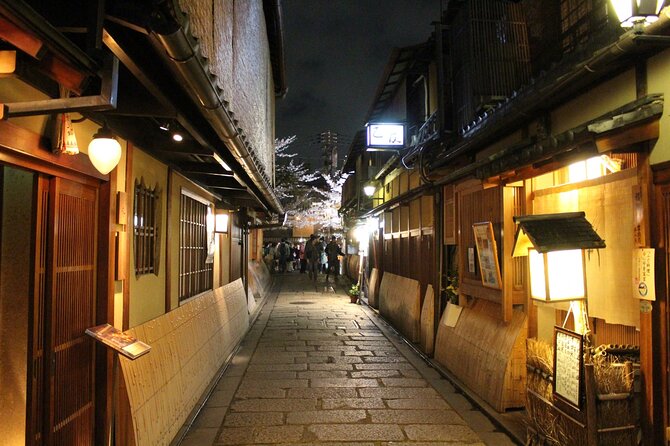
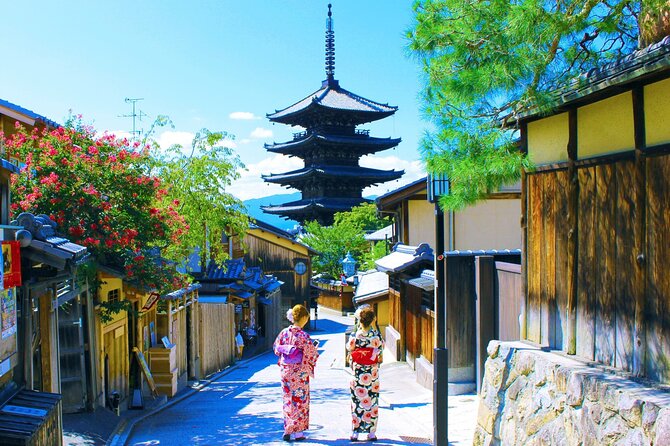
You’ll explore the old-town slopes lined with traditional wooden buildings and souvenir shops for about 1 hour. Admission is free.
This is where Kyoto feels like a story you can walk through. Even if you don’t buy anything, the streets give you context: what people sell, where the lanes open, and how the town layout funnels foot traffic.
Practical tip: bring a little “shopping stamina.” Kyoto shopping streets can make you walk more than you expect.
Stop 9: Yasaka-no-to (pagoda landmark)
Next is a quick 5-minute photo/outside look at the five-story pagoda area.
What to expect: this is not a long stop. It’s a snapshot moment that gives you another iconic silhouette.
Stop 10: Gion district
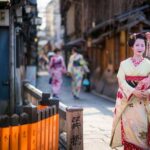
Your final stop is Gion, about 20 minutes. The tour notes that the geisha district includes maiko and geiko and traditional alleys.
This is also where you can keep wandering after the guide finishes the tour. Some guides in this kind of day have even helped groups catch a glimpse of real geiko/meiko in motion—so if you’re hoping for the “seen it in real life” moment, this is the area to prioritize.
My honest take: Gion can be more tourist-facing than some neighborhoods, but it’s still one of Kyoto’s best endings. You finish the day emotionally, not just geographically.
Transportation and money tips that keep the day smooth
This tour leans on public transit and may use taxis depending on timing. The tour info includes a couple of key reminders you’ll thank yourself for:
- Some temples and taxis do not accept credit cards, so bring Japanese yen
- Taxi costs are listed per cab, and for groups 4+ you may need two taxis
Based on the tour details and guide-focused advice from past guests, I’d plan like this:
- Have cash ready for entrances and smaller purchases
- If you use an IC card (like Suica or similar), load it in advance, but still expect places where cash is required
- Expect a lot of walking—one review notes about 20,000 steps for a similar day pace, and this itinerary’s mix of steps backs that up
Comfort beats style here. You’ll be on your feet through temples, slopes, bridges, and old streets.
The guide factor: why English explanations can change what you notice
A big chunk of the magic in a one-day Kyoto plan is interpretation. You’re looking at carved details, layout choices, and historic meanings. Without context, you miss a lot.
This tour is designed around English-speaking professional guides, and the reviews mention several names—like Tammy, Akemi, Kumi, Hiro, Yoshi, and Hiromi—who are praised for being efficient, patient, and fun to spend a day with. One guide experience stood out for making transportation feel effortless, while others were praised for giving history that connects to how Kyoto developed.
Here’s the practical part for you: with a good guide, you learn what matters at each stop, not just what the site is called. For example, when Kinkaku-ji is explained as more than a pretty pavilion, you start noticing how buildings can signal political power. When Fushimi Inari gets framed properly, the torii route feels less like a checklist and more like a journey.
Also, since it’s private, the guide can respond to your group’s pace—whether you want more walking time at a viewpoint or more “explain it to me” time in a temple courtyard.
Who should book this Kyoto private day, and who might not love it
This is a strong match if:
- You have only one day in Kyoto and want the biggest hitters
- You prefer a structured plan over designing the route yourself
- Your group wants to move together as one unit (private, up to 7 people)
- You like learning while you look—especially for temple/shrine history and layout
You might not love it if:
- You want lots of free time to wander randomly without a schedule
- You’re hoping to customize lunch and timings; the day notes that the itinerary and starting point can’t really be changed
- Your budget can’t handle on-top costs for admissions and transit
One more “read this” note: the tour is restricted to cruise ship guests who can independently reach Kyoto Station. If that doesn’t apply to you, you’re fine, but if it does, double-check you can get to the meeting point area on your own.
Should you book 10 Must-see Spots in Kyoto in one day?
If you’re chasing a first-hit Kyoto experience with minimal stress, I’d say yes, book it. The core value is simple: a private guide + a route built to fit 10 major stops into one day. You get iconic scenes like Golden Pavilion and Fushimi Inari, plus old streets and a Gion finish that feels like a reward.
But go in prepared:
- Budget ¥1,500 per person for admissions and ¥1,000 per person for public transport
- Carry enough yen for places that don’t take cards
- Wear comfy shoes and accept that this is a lot of walking
- If you’re traveling in extreme heat, the tour notes a Plan B option with fewer steps, including Chishakuin Temple and Sanjusangendo Temple (especially helpful when you want indoor time)
If you want one day where you feel oriented in Kyoto and leave with photos plus context, this is one of the smarter ways to do it.
FAQ
What time does the tour start and where does it end?
It starts at 9:00 am at Kitaoji Station (Kita Ward, Kyoto) and ends in the Gion area at 571 Gionmachi Minamigawa, Higashiyama Ward.
Is this tour private?
Yes. It’s a private tour/activity where only your group participates, and the group size can be up to 7 people.
Are the temple and shrine entrance fees included?
No. The tour lists entrance fees of ¥1,500 per person as not included.
Do I need cash during the tour?
Yes. The details say many temples and taxis do not accept credit cards, so you should have Japanese yen ready.
How long is the tour?
It runs for about 8 hours.
What’s included in the price?
The included items are an English speaking professional guide and that infants under 3 are free. The tour also mentions a mobile ticket and group discounts.
What should I do if the weather is very hot?
The tour states that on very hot summer days, it may shift to a Plan B course that takes fewer steps and includes Chishakuin Temple and Sanjusangendo Temple.