REVIEW · KYOTO
Kyoto: Nara & Traditional Matcha Experience Bus Tour
Book on GetYourGuide →Operated by Japan Panoramic Tours · Bookable on GetYourGuide
A day of deer, temples, and matcha sounds simple.
But this Kyoto-area bus tour strings together Nara World Heritage landmarks and an Uji tea-making experience with clear guidance, smart pacing, and enough free time to breathe.
You start in Kyoto early, ride in comfort, and end the day with something you made yourself.
I especially like that the tour focuses on the big hitters without turning into a sprint: Todaiji, Kasuga Taisha, and Byodoin each get real time.
Second, the matcha stop isn’t just a photo op—your time in Uji is built for making tea from scratch, plus time to shop in the area.
One consideration: the day includes stairs and hills, and it’s not suitable for mobility impairments or wheelchair users.
Also, you’ll be in close contact with the deer—fun, but keep a little distance and watch your hands.
In This Review
- Key points that matter before you go
- Starting in Kyoto: Tully’s Coffee, early check-in, and a coach that’s ready
- The bus ride between stops: comfort, Wi‑Fi, and why the timing feels kinder
- Todaiji Temple’s Daibutsuden: the wooden giant you’ll want to see slowly
- Nara Park deer time: how to feed them without turning your hands into a snack
- Kasuga Taisha Shrine: 3,000 stone lanterns that change the mood
- Lunch on the day: when the break is scheduled (and why optional meals matter)
- Byodoin Temple and the Phoenix Hall: the 10-yen icon in real scale
- Uji matcha from scratch: turning tea into a skill (and a souvenir you made)
- Price and value check: $122 for admissions, guide time, and hands-on matcha
- Best-fit traveler: who will enjoy this day most
- Should you book it? My practical call
- FAQ
- FAQ
- What time does the tour start, and where do I meet?
- Is the tour only offered in English?
- Are the entrance fees included?
- Is matcha included in the price?
- Will I get lunch?
- Is Wi‑Fi available on the coach?
- Is there a skip-the-ticket-line benefit?
- What should I bring?
- Is this tour suitable for wheelchair users or mobility impairments?
Key points that matter before you go
- English live guide plus audio headsets in multiple languages to keep the whole group on track
- Todaiji’s Great Buddha hall plus Kasuga Taisha’s 3,000 stone lanterns for major “wow” moments
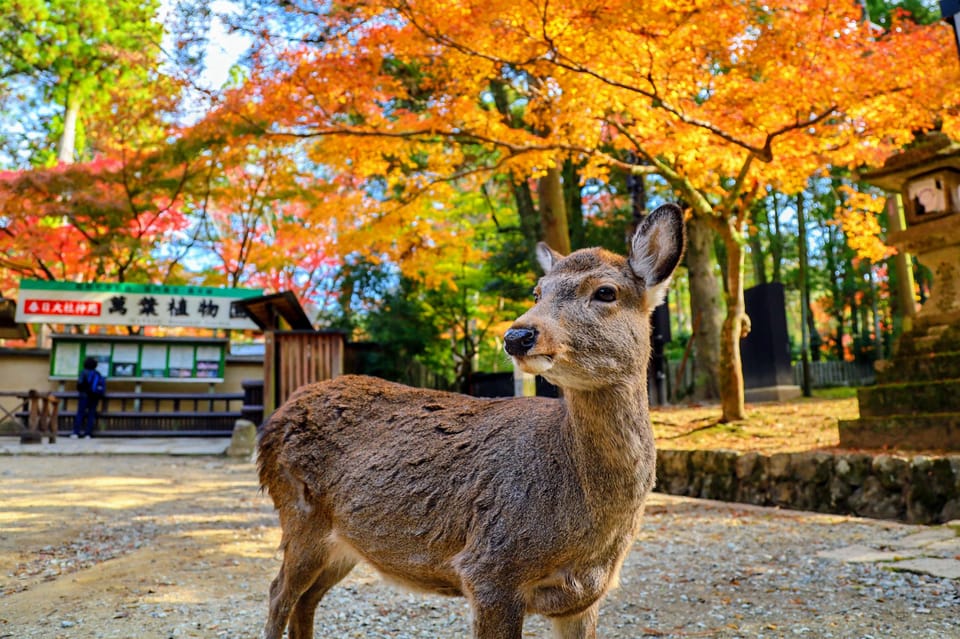
- Nara Park deer time with opportunities to feed them using crackers from stalls
- Uji matcha from scratch plus time to browse small shops afterward
- Comfort-first coach ride with air-conditioning, free Wi‑Fi, and regular ventilation
- Value built into the price with temple admissions and the matcha experience included
Starting in Kyoto: Tully’s Coffee, early check-in, and a coach that’s ready
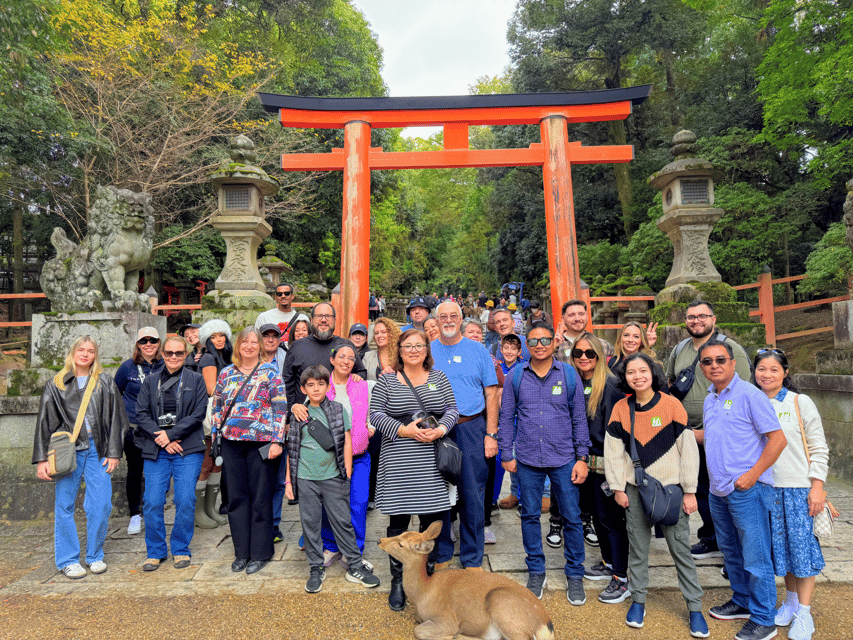
Your day begins at Tully’s Coffee at Kyoto Avanti.
Check-in is at 7:50 AM, with departure at 8:00 AM, so don’t roll out of bed at the last second.
Look for the green and white flag for Japan Panoramic Tours.
It’s a busy meeting area, and one small detail that helps: if you’re cutting across Kyoto Station, give yourself a little extra time to locate the group before check-in ends.
You’re not relying on public transport with transfers and guesswork.
Instead, you’re handed a plan and a seat, which is a big deal when you’re trying to fit Nara and Uji into a single day.
You can also read our reviews of more tours and experiences in Kyoto.



The bus ride between stops: comfort, Wi‑Fi, and why the timing feels kinder
This tour uses an air-conditioned deluxe coach.
It also has free Wi‑Fi, plus an antibacterial coating and regular ventilation.
Between major sights, that comfort matters because Nara and Uji can turn a walking day into a stamina test.
When the group is on the move, the ride gives you a breather and lets the guide keep the story going.
You’ll also get a multilingual audio experience through headsets in Spanish, French, Italian, German, Portuguese, and Ukrainian.
The live guide speaks English throughout, so you get both: human explanations and optional language support.
A note on pacing: the day is designed with short blocks of sightseeing and enough time for photos, strolls, and getting back to the coach.
That “not rushed, not idle” rhythm is exactly what makes this combo tour work.
Todaiji Temple’s Daibutsuden: the wooden giant you’ll want to see slowly
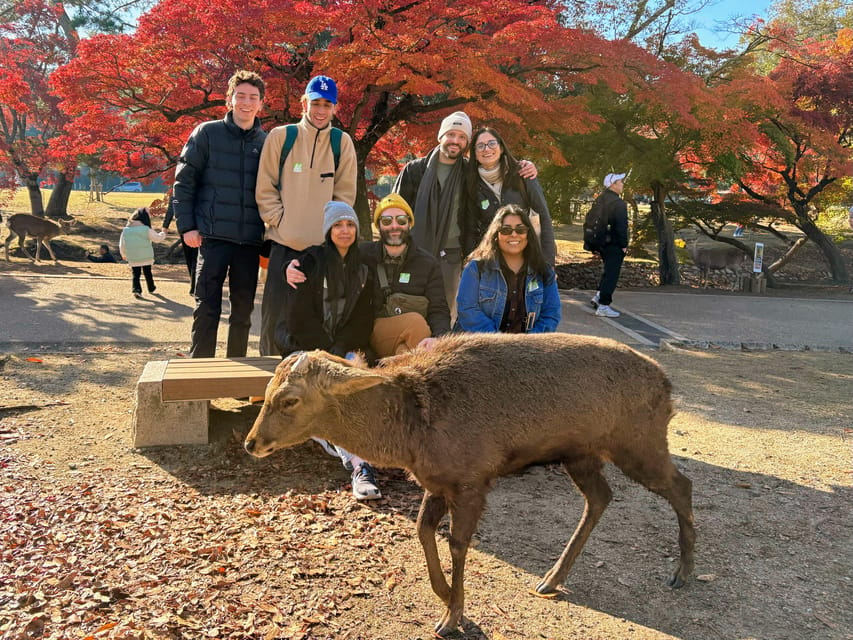
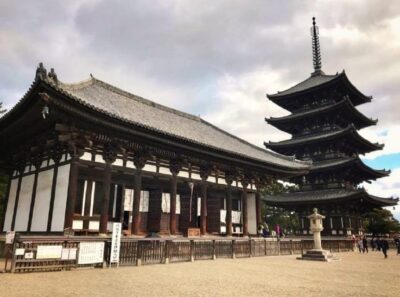
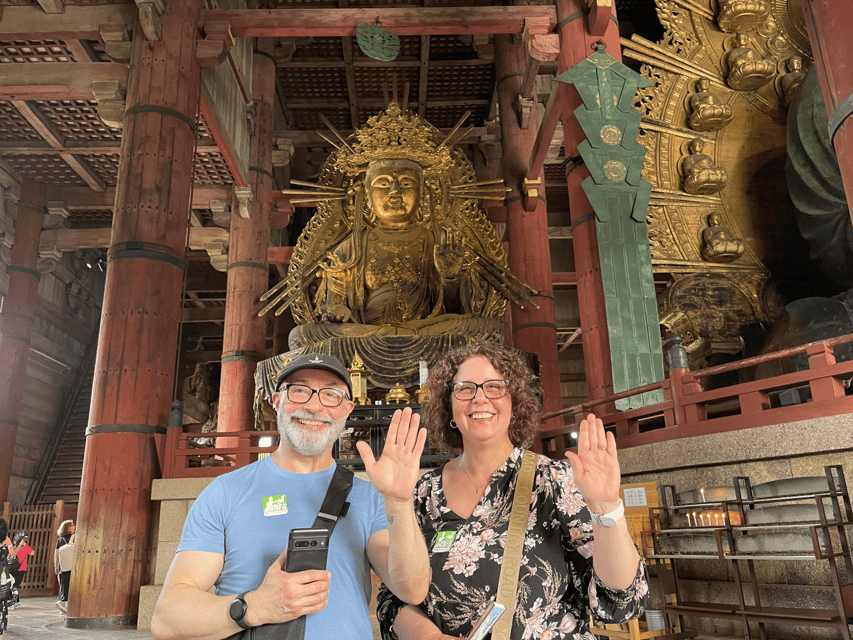
Todaiji Temple is the first true landmark stop in Nara, and you’ll spend about 50 minutes here.
The highlight is the Daibutsuden Hall, which houses the Great Buddha of Nara and is famous for being one of the world’s largest wooden buildings.
This is the kind of stop where size changes your perception.
Even if you’ve seen temple photos before, being inside a hall on this scale makes the whole place feel more grounded and real.
Plan for walking and some stair climbing.
It’s not an extreme hike, but it’s enough that comfortable shoes are more than a suggestion.
If you’re the type who likes context, this is where the English guide’s explanations pay off.
The guide can point out what you’re actually looking at—so it’s not just standing in front of stone and wood.
Nara Park deer time: how to feed them without turning your hands into a snack
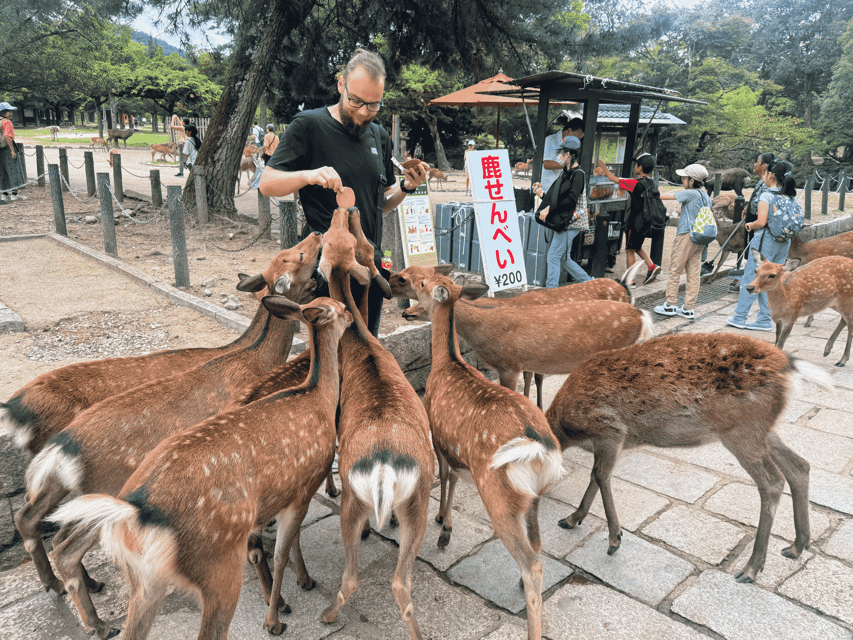
Todaiji sits next to Nara Park, and after the temple you’ll get about 30 minutes in the park.
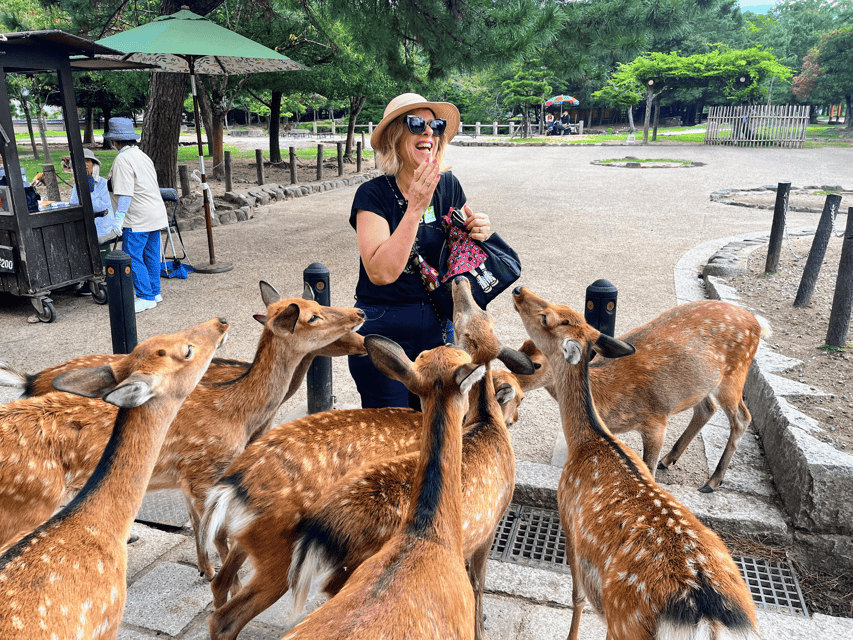
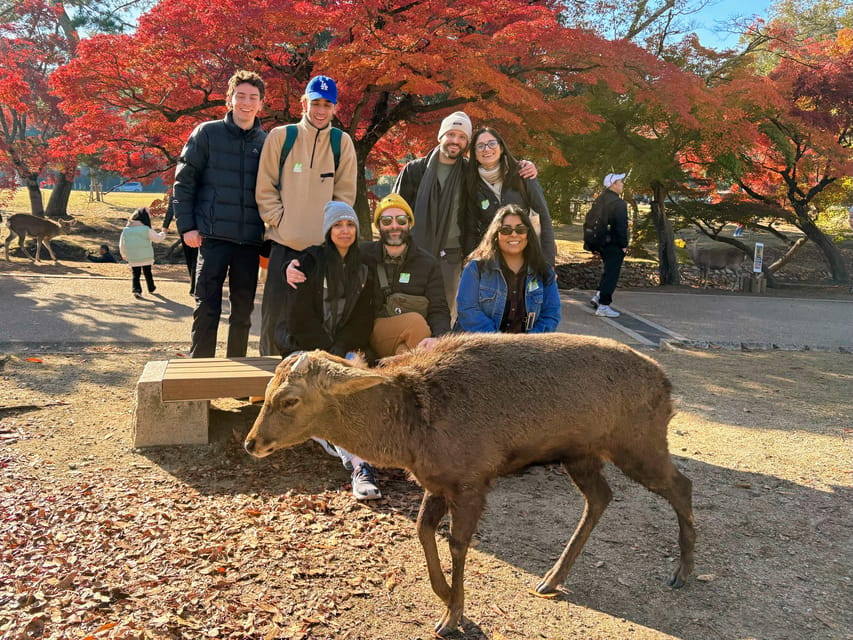
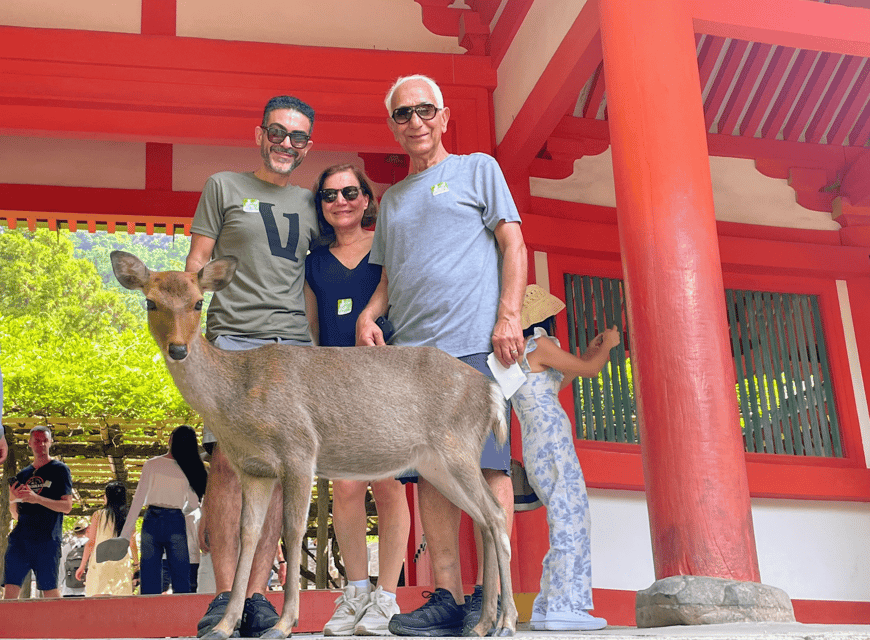
This is the deer moment: you’ll see the cute wild deer roaming close to visitors.
You can purchase rice crackers at roadside stalls and near shrines inside the park area.
Many people love the moment when a deer bows after you feed it, and it’s one of those tiny interactions that makes the day feel personal.
Just keep your expectations realistic.
One review warning that’s worth taking seriously: deer can bite, especially if you move too fast or keep your fingers too close.
My practical advice: feed one deer at a time, keep your body turned slightly aside, and don’t reach with both hands like you’re petting a dog.
Photos are great, but your safety is better.
Kasuga Taisha Shrine: 3,000 stone lanterns that change the mood
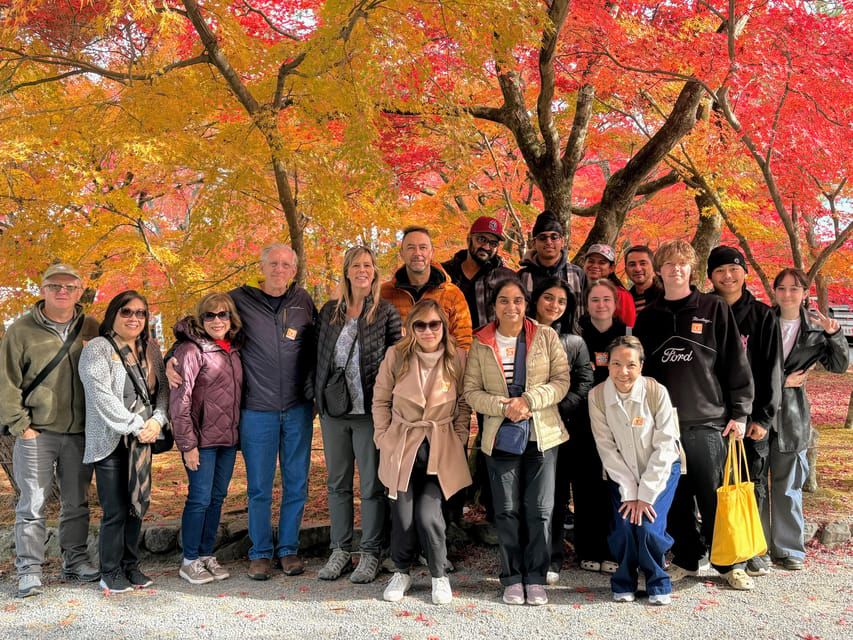
Kasuga Taisha Shrine is next, with about 30 minutes for this stop.
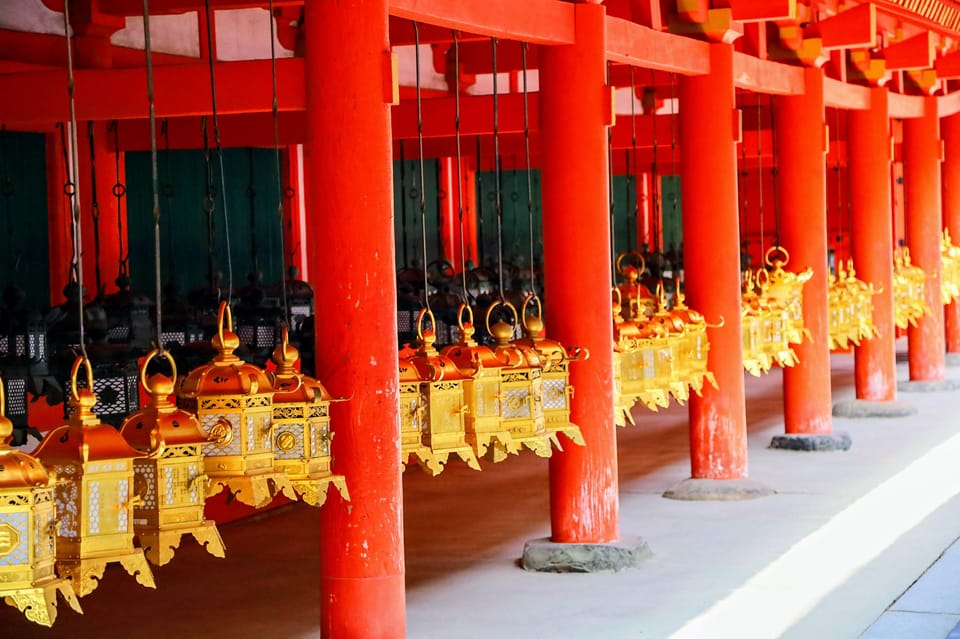
Don’t miss the famous 3,000 stone lanterns—visually, they’re magical, and they make the shrine feel atmospheric even in daylight.
This is a place where the guide’s storytelling can really help.
When you understand what the lanterns represent, they stop being just “cool stones” and become part of the shrine’s rhythm.
You’ll walk a bit and navigate crowds, since Kasuga is a top stop for a reason.
Still, the time block is long enough to soak it in and get a few decent angles for photos.
If you like calm moments in busy Japan, Kasuga can give you that—especially if you move at a slower pace when you reach the densest lantern areas.

Lunch on the day: when the break is scheduled (and why optional meals matter)
After Nara sightseeing, you’ll have a lunch break for about 50 minutes at a local restaurant.
If you booked the lunch option, you’ll get a Japanese meal.
This matters more than people think.
When a day tour includes a real lunch window (instead of “we’ll grab something near the station”), you’re less likely to end up hungry, cranky, or hunting food while everyone else boards the coach.
Vegetarian arrangements can be made up to 2 days before your date.
Last-minute bookings will receive a regular meal, so if your diet is strict, plan early.
For everything else—drinks and extra snacks—bring money.
The tour notes cash and additional food and drinks aren’t included.
Byodoin Temple and the Phoenix Hall: the 10-yen icon in real scale
Byodoin Temple is about an hour stop, and it’s tied to the Phoenix Hall—the one that appears on the 10 yen coin.
It’s also registered as a UNESCO World Heritage site as part of the Historic Monuments of Ancient Kyoto.
This is a “model-to-real-life” moment.
If you’ve seen the Phoenix Hall on currency, you’ll be surprised by how much more presence it has when you’re standing in the surrounding space.
A full hour helps here.
You’re not just racing through—there’s time to look carefully, take photos, and reset your legs before the matcha workshop.
Expect stairs and some walking at your own pace.
If you’ve got knee issues, take it slow and use railings whenever you see them.
Uji matcha from scratch: turning tea into a skill (and a souvenir you made)
After Byodoin, you’ll head to the Uji area, matcha country.
You’ll get a combined block of free time and the tea-making experience for about 70 minutes.
Uji is known for matcha, and on this tour you make matcha yourself.
Matcha is powder of finely ground green tea leaves, and you’ll learn how it comes together from scratch—not just how to drink it.
Your guide’s energy can make this part extra fun.
In the experiences people shared, guides often add small extras like Japanese language practice—counting or simple phrases—which makes the workshop feel more interactive and less like a factory line.
One of the best practical perks here: after you make your matcha, you’re also given time to browse the small shops and restaurants in the area.
That’s where you can buy tea for later, grab snacks, or pick up gifts without rushing back to the coach.
If you’re a first-time visitor to Uji, this stop gives you a tangible takeaway.
You’ll go home with a better sense of what makes matcha taste like matcha—beyond the label.
Price and value check: $122 for admissions, guide time, and hands-on matcha
At $122 per person for an all-day outing (about 8.5 hours), the value comes from what’s already built in.
You’re paying for the professional English-speaking guide, coach transportation with Wi‑Fi, admissions for Todaiji and Byodoin, and the fee for the Uji matcha experience.
That’s the key: admissions and activity fees can add up quickly when you plan on your own.
Here, they’re bundled, and you’re also getting guidance that helps you navigate the day efficiently.
If you select the lunch option, a Japanese lunch is included.
If you don’t, you’ll still need to manage your own food and drinks, and that can shift the real total cost.
There’s also a skip-the-ticket-line feature.
Even small time savings matter on a schedule that includes multiple major sites in one day.
So who gets the best deal?
People who want a smooth day with fewer logistics headaches and who value the matcha workshop enough that they’d otherwise spend time booking it separately.
Best-fit traveler: who will enjoy this day most
This tour is a great fit if you want a focused highlights day rather than deep solo exploring.
If it’s your first time in Kyoto and you want Nara and Uji without building a route from scratch, this structure is exactly right.
It also works well if you like human guidance.
Multiple guides associated with this route—people like At-chan and Rino, Den, Mai, Nana, Yuta, Tsubasa, Harry, and Aoi—were praised for being friendly, organized, and upbeat, with some sharing helpful Japanese tips during the bus ride.
On the other hand, it’s not for everyone.
It isn’t suitable for mobility impairments or wheelchair users, and the day includes walking up stairs and hills.
Also, pets aren’t allowed.
And if you’re sensitive to crowds or you get overwhelmed easily, remember this is a day tour for a reason: you’ll be sharing spaces at major attractions.
Should you book it? My practical call
Book this tour if you want a well-paced Nara + Uji day that includes major temples, deer park time, and hands-on matcha.
At $122, the best part is that admissions and the matcha experience are already handled, so you’re buying time and direction as much as you’re buying tickets.
I’d skip it if you need step-free access or if you can’t handle stairs and hills.
I’d also be cautious if you’re planning to interact closely with the deer—enjoy them from a safe distance, and treat “cute” as “wild.”
If you like the idea of a guide-led day with clear explanations (and even occasional Japanese practice), this one is a smart way to spend a single day in the Kyoto area.
FAQ
FAQ
What time does the tour start, and where do I meet?
Check-in is at 7:50 AM and departure is at 8:00 AM. You meet in front of Tully’s Coffee (Kyoto Avanti Store).
Is the tour only offered in English?
The live guide speaks English. You also get audio headsets with multiple languages: Spanish, French, Italian, German, Portuguese, and Ukrainian.
Are the entrance fees included?
Yes. Admission fees for Todaiji Temple and Byodoin Temple are included.
Is matcha included in the price?
Yes. The fee for the matcha experience in Uji is included.
Will I get lunch?
Lunch is included if you select the lunch option. The lunch break is about 50 minutes.
Is Wi‑Fi available on the coach?
Yes. The air-conditioned bus includes free Wi‑Fi.
Is there a skip-the-ticket-line benefit?
Yes, skip the ticket line is included.
What should I bring?
Bring comfortable shoes, water, and cash.
Is this tour suitable for wheelchair users or mobility impairments?
No. The tour is not suitable for people with mobility impairments or wheelchair users.