REVIEW · KYOTO
Let’s make only one original onigawara in the world!!
Book on GetYourGuide →Operated by Kawarakoubouyouya · Bookable on GetYourGuide
That demon tile starts as simple clay.
At Kawarakoubouyouya, I like that you make onigawara by hand, guided step by step by Yuya, and you also get the story behind the kawara roof tiles that protected Japanese buildings for centuries. One more thing I love: your finished piece doesn’t just sit on a shelf—it gets kiln-fired, then sent to your home as a real keepsake from Japan.
The main drawback is timing: you won’t take the final silver tile home the same day. Expect soil-on-your-clothes too, since the process is hands-on.
In This Review
- Key things that make this workshop special
- Onigawara in a Workshop: What Kawarakoubouyouya Is Really About
- What You’re Making: Kawara Roof Tiles, Ogre Faces, and Protection Myths
- The 2-Hour Class Flow: Clay Stations, Step-by-Step Assembly, and Face Details
- The Kiln Stage and the 1–2 Month Silver Transformation
- Price and Value: Why $90 Can Make Sense Here
- Getting There and Showing Up Ready: Timing, Clothes, and GPS Fixes
- Who Should Book This Workshop (and Who Might Skip It)
- The Small Group Advantage: Why Up to 5 People Matters
- Quick Practical FAQ
- FAQ
- How long does the onigawara workshop take?
- What does the $90 per person price include?
- Is shipping included?
- When will I receive my fired tile?
- What is the group size?
- What languages are offered?
- Where is the meeting point?
- What is the cancellation policy?
- Should You Book This Onigawara Workshop?
Key things that make this workshop special
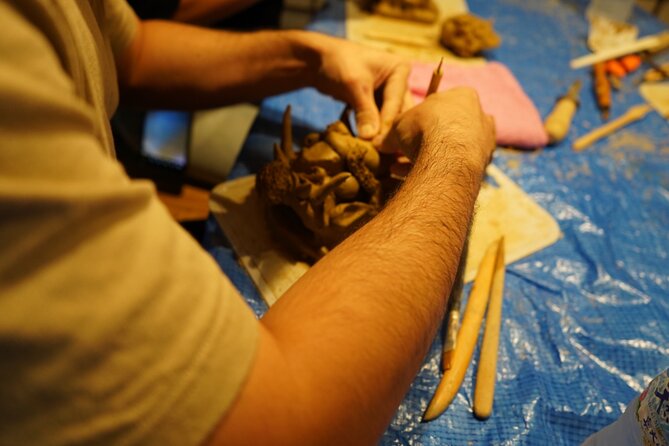
- You shape an onigawara by hand, not just watch or assemble a kit
- Ogre and gargoyle face designs connect to the traditional ridge-end tiles used for protection
- A kiln does the hard work after your class, so you’re not responsible for firing
- Your tile changes color later: after about 1–2 months it becomes the traditional silver shade
- Small group size (up to 5) means more real help and calmer pacing
Onigawara in a Workshop: What Kawarakoubouyouya Is Really About
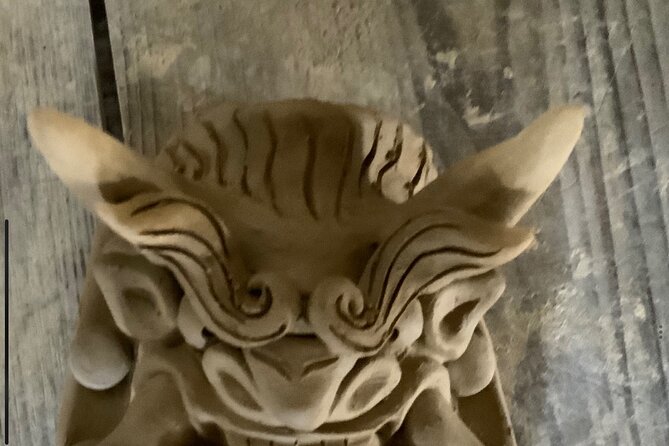
If you’re the type who wants more than photos, this is a great craft stop in Japan. This 2-hour onigawara workshop is built around one goal: you create a small roof-tile “demon face” by hand, using techniques tied to a tradition that goes back roughly 1,400 years.
The shop itself, Kawarakoubouyouya, is the kind of place where you can slow down. Instead of racing through a checklist, you’ll work with your hands at a clay station, guided in English or Japanese. The experience is also designed so it works for kids and adults, even if your hands aren’t naturally steady. That matters, because onigawara work is often described as difficult—and here, the host teaches a procedure intended to make it doable.
One practical note: your clothes may get dirty. This isn’t a “sit and listen” class. It’s clay and soil, and it’s okay to treat it like that from the start.
You can also read our reviews of more tours and experiences in Kyoto.



What You’re Making: Kawara Roof Tiles, Ogre Faces, and Protection Myths
Let’s get the cultural context straight, because it makes the craft feel more meaningful while you’re working.
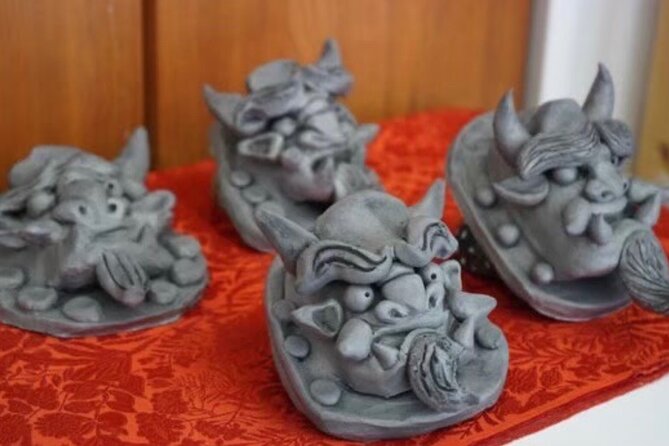
Traditional kawara are roof tiles used on Japanese buildings. They often include carved, fierce faces—ogres and gargoyles—placed at key points on rooftops, especially around the ridge ends. The basic idea is practical and symbolic at the same time: these tiles were meant to help protect buildings from evil and rainwater, using a design language passed down across generations.
In this workshop, you’re not making a random “cute statue.” You’re making a small version of the guardian-tile concept. You’ll create a simple onigawara tile with the demon-face style, guided by Yuya as you assemble the pieces and shape the final expression.
That theme is what turns the experience from craft class into something closer to cultural participation. You’re learning why this design exists, then putting your hands to work so the tradition becomes personal.
The 2-Hour Class Flow: Clay Stations, Step-by-Step Assembly, and Face Details
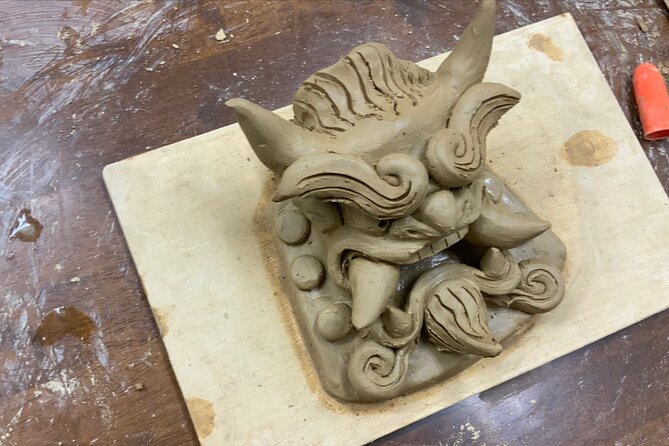
The session lasts 2 hours, and it’s structured so you can actually finish what you start. You’ll arrive at Kawarakoubouyouya (search the shop name on Google Maps), and you’ll be set up with clay and the parts needed for your tile.
What I appreciate about the way the class is taught is the pacing. You’re not rushed through a sequence of steps you don’t understand. Yuya walks you through each stage, showing you how to handle the clay and how to put the pieces together one by one. This is especially helpful if you’re traveling with kids or if your crafting skills are rusty.
Here’s what to expect during the making time:
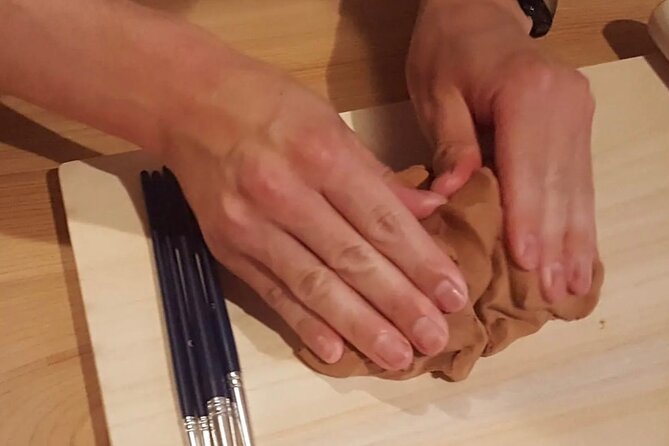
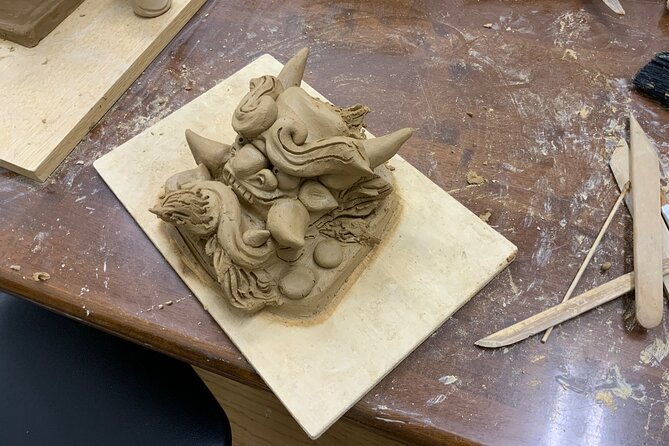
- You start with soil/clay work, learning how to manipulate the material before you try to shape the face.
- You assemble the demon-face features with small components, working toward a recognizable expression rather than a vague lump.
- You adjust as you go, so your tile ends up looking like a real onigawara design, not just a first draft.
A key detail from the experience description: the host has developed a procedure intended to reduce the difficulty. That’s why this works for people with clumsy hands. You’ll still need focus—hands-on pottery always demands attention—but you won’t feel like you’re expected to be born with sculptor skills.
Small-group format helps here too. With a limit of 5 participants, you get more time for guidance and fewer bottlenecks at your station.
The Kiln Stage and the 1–2 Month Silver Transformation
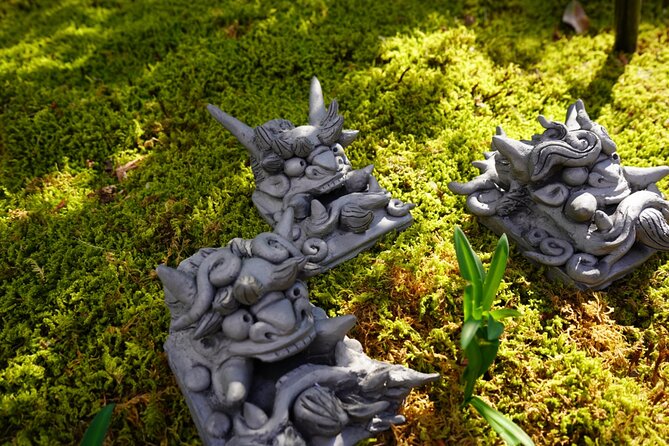
In many pottery experiences, you leave with a finished item right away. Not here. This workshop is designed around a two-step process: you create the tile, then the firing happens after.
After you build your onigawara, Yuya will fire the tile in a kiln at the factory. That means you can focus on the sculpting part, not the technical firing part. It also means the result should be consistent with traditional expectations.
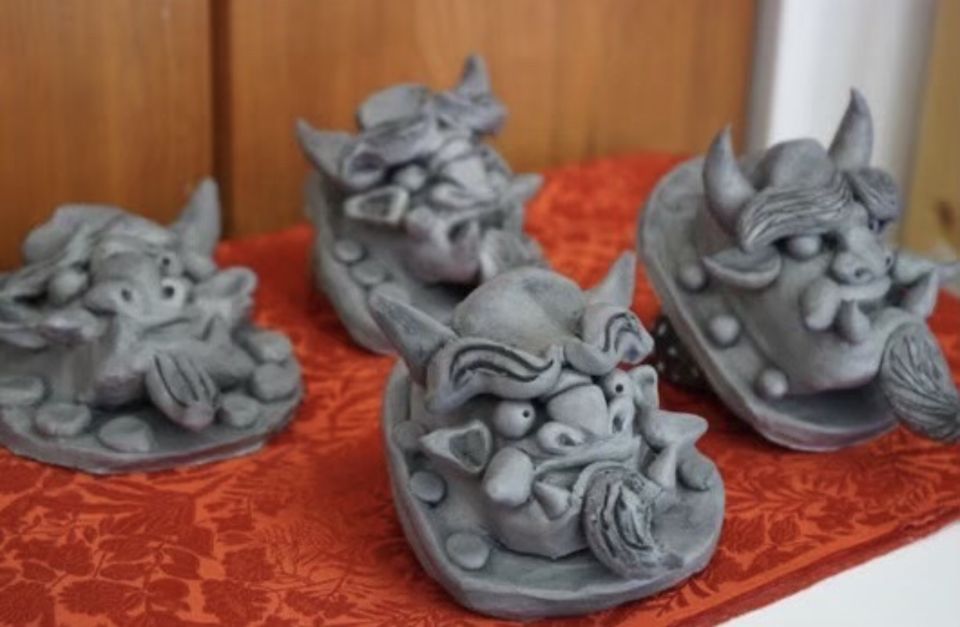
Then comes the waiting phase. The description calls out a timeline: after 1–2 months, the tile will change to the traditional silver color and then arrive to you.
For planning, that’s the trade-off:
- You’ll get a unique, handmade piece created in Japan.
- You won’t get the final look immediately.
- You’ll need patience, because the color change happens later.
If you’re the kind of traveler who hates delays, plan to treat this like an “artifact for later” rather than an “instant souvenir.” It also makes a nice post-trip moment. When the silver tile arrives, it feels like your trip is still unfolding.
Price and Value: Why $90 Can Make Sense Here
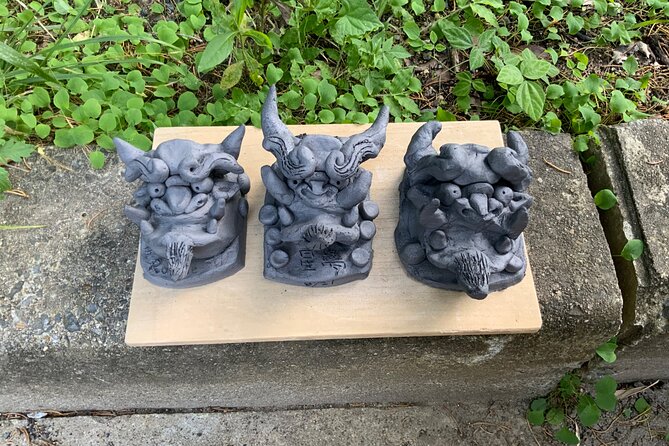
The cost is $90 per person for a 2-hour class. On paper, pottery workshops can look expensive or cheap depending on what’s included. Here’s the value logic that matters:
- You’re paying for hands-on instruction and the guided process to build a tile that matches the onigawara style.
- You’re also paying for the kiln firing portion handled by the host after your session.
- You’re creating something more “real” than a decorative postcard: a one-of-one tile (the experience frames it as an original onigawara).
What’s extra is shipping. The experience states that only the shipping fee is charged separately on the day. After firing, the tile is sent to your home, but shipping is not included in the listed price.
So the all-in cost depends on where you live. When budgeting, factor in that second charge, and you’ll avoid surprises.
Overall, I think $90 is fair when you treat it as:
1) a guided cultural craft session, and
2) a fired, mailed result, not just an hour of clay play.


Getting There and Showing Up Ready: Timing, Clothes, and GPS Fixes
This workshop meets at Kawarakoubouyouya (your Google Maps search should bring you there). One practical detail: Google Maps can be a little off. If the location seems confusing, give yourself buffer time. In one case, the fix was to go about 40 meters east from the pin.
On the day, wear clothes you don’t mind getting dirty. The experience uses soil, and clay work is messy by nature. Closed-toe shoes help, because you’ll be working close to your station.
Timing-wise, check availability for starting times. Since the duration is 2 hours, you can usually fit this into an afternoon block without needing a full day.
One more planning tip: since the tile is fired and shipped later, don’t plan on it as an immediate gift to hand someone in the moment. If you want to give a gift during the trip, you might consider buying a small local item as a backup, then let the onigawara arrive later.
Who Should Book This Workshop (and Who Might Skip It)
This is a strong match for:
- People who like hands-on activities more than museum-style viewing
- Families, because the class is designed to work for different ages and skill levels
- Travelers who want a break from crowded sightseeing and prefer a calmer, craft-focused session
- Anyone interested in Japanese roof-tile culture and how tradition becomes physical
You might skip it if:
- You need a finished souvenir the same day
- You strongly dislike messy materials like soil/clay
- You’re not comfortable with extra shipping charges later
The wheelchair accessibility is a plus. If you use a wheelchair, this listing states the experience is wheelchair accessible, which makes it easier to plan without guessing.
The Small Group Advantage: Why Up to 5 People Matters
A small group (limited to 5) sounds like a minor detail until you’re in the room and trying to make something with your hands.
With fewer participants:
- You get more attention at your clay station
- The class pacing stays calm
- It’s easier to ask questions in English or Japanese without feeling rushed
- The workshop stays more like a focused studio session than a production line
That also helps the experience feel personal. Onigawara design is face-based. Small changes in shaping and assembly can change the expression. Having the guide’s eye nearby makes a difference.
Quick Practical FAQ
FAQ
How long does the onigawara workshop take?
The class duration is 2 hours.
What does the $90 per person price include?
The experience includes everything except shipping. The only additional fee stated is that the shipping fee is charged separately on the day.
Is shipping included?
No. Shipping is not included, and the shipping fee is charged separately on the day.
When will I receive my fired tile?
After the tile is fired, it is sent to your home. The description also notes that after 1–2 months, it will change to the traditional silver color and arrive.
What is the group size?
It’s a small group limited to 5 participants.
What languages are offered?
The host or greeter speaks English and Japanese.
Where is the meeting point?
You meet at KAWARAKOUBOUYOUYA. Search this name on Google Maps.
What is the cancellation policy?
You can cancel up to 24 hours in advance for a full refund.
Should You Book This Onigawara Workshop?
If you want an authentic Japan craft that’s tied to real architectural tradition, I’d book it. The best part is the blend of meaning and making: you learn about kawara roof tiles and protective demon-face designs, then you actually shape your own onigawara with direct guidance from Yuya.
Just go in knowing two things. First, it’s clay-soil messy, so plan your outfit. Second, you’re buying a finished piece that arrives later, because firing happens after class and the classic silver color takes 1–2 months.
If those trade-offs sound fine, this is an excellent way to bring home a story you can hold in your hands.