REVIEW · KYOTO
Kyoto: Fushimi Inari Shrine and Tofukuji Temple E-Bike Tour
Book on GetYourGuide →Operated by Pedal Adventure Kyoto · Bookable on GetYourGuide
Kyoto by e-bike feels effortless. You get Gion and the famous torii gates of Fushimi Inari with a guide like Maki who explains what you’re seeing and why it matters. I especially like how the ride turns steep, spread-out sites into something you can actually enjoy in a half day. The one thing to plan for is that you’ll mix cycling and walking, so comfy shoes are non-negotiable.
Two other big wins: the tour runs with a small group (up to 8), and it’s designed for real city movement, not a stop-and-stand sightseeing loop. Your meeting starts at Pedal Adventure Kyoto, and the early session includes an orientation so you’re not figuring out Japanese roads on the fly. One consideration: this isn’t a slow “temple only” outing. If you’re not comfortable riding in traffic-adjacent areas, you may feel more stress than you want.
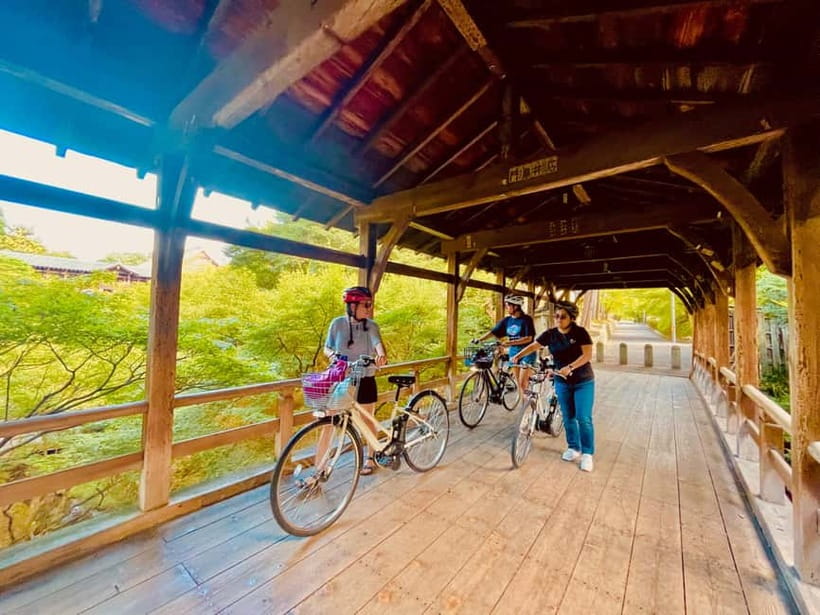
By the end, you’ve paired Shinto at Fushimi Inari with Buddhist calm at Tofukuji, then get time to sit in the Zen garden mood. It’s also practical: you’re provided a helmet, insurance, an e-bike rental, a snack, and water, plus entrance fees for the two main sites.
In This Review
- Key reasons this Kyoto e-bike tour works
- Why an e-bike makes Kyoto feel easier (and more local)
- Meeting at Pedal Adventure Kyoto and getting bike-ready near Higashiyama-Sanjyo
- Gion district on two wheels: Geisha customs without the confusion
- Fushimi Inari Shrine: Shinto context that makes the torii make sense
- Tofukuji Temple and the Zen garden reset
- How the 4-hour pace actually feels (and why groups stay happy)
- Price and value: what $83 buys you in practical terms
- Who should book this tour (and who should skip it)
- Tips to get the most out of your day
- Should you book Kyoto: Fushimi Inari and Tofukuji e-bike?
- FAQ
- How long is the Kyoto e-bike tour?
- Where do I meet the tour?
- Are the tour guides English-speaking?
- What’s included in the price?
- What should I bring?
- What items are not allowed during the tour?
- What is the group size?
- Who is the tour not suitable for?
Key reasons this Kyoto e-bike tour works
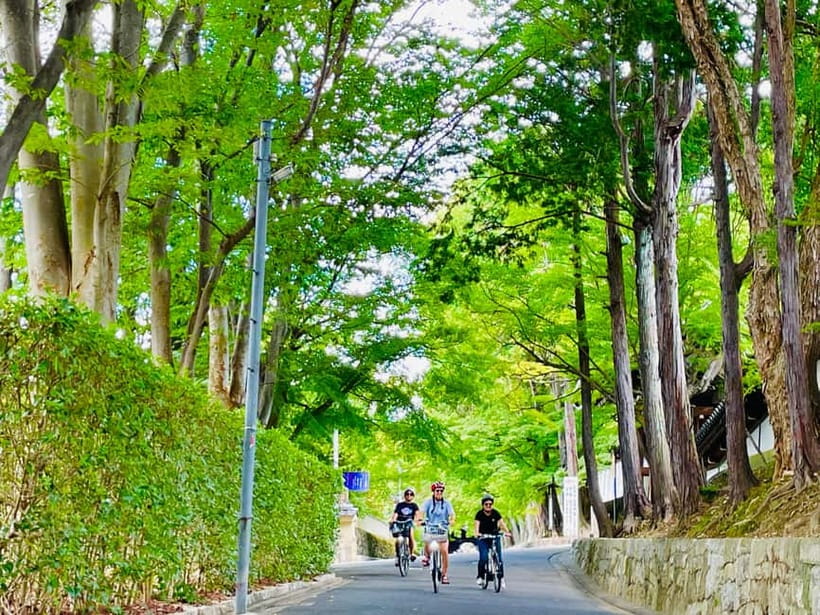
- Up to 8 people means more chances to ask questions and get photo help
- E-bike + helmet + insurance included keeps the day simple and safe-feeling
- Gion riding with Geisha context helps you understand what you’re passing
- Fushimi Inari with Shinto explanations turns gates into a story, not just a line
- Tofukuji Zen garden pause gives you a slower moment after the busy shrine energy
- Snack and water breaks keep the pace comfortable for a 4-hour outing
Why an e-bike makes Kyoto feel easier (and more local)
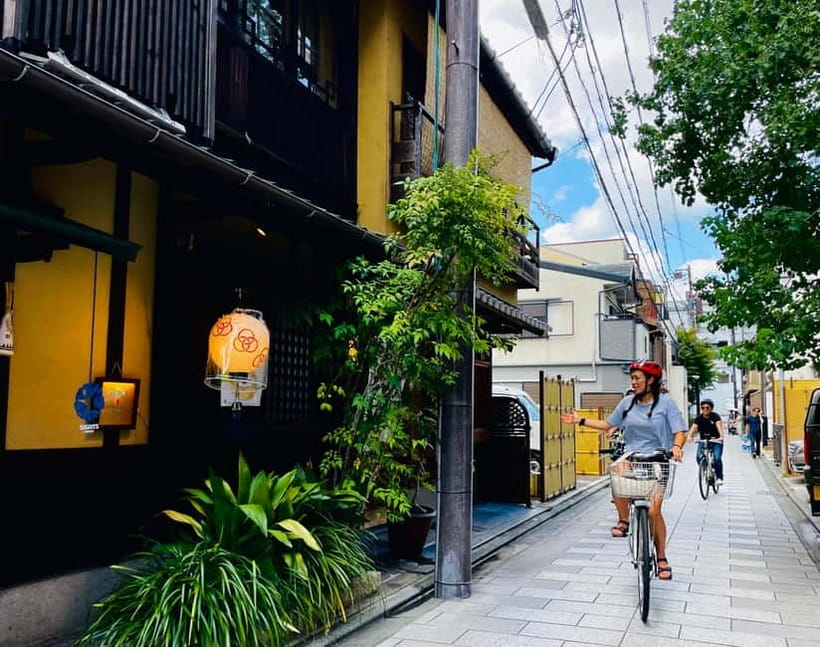
Kyoto is famous for walking routes, but that can turn tiring fast, especially when you’re bouncing between neighborhoods with different vibes. An e-bike changes the math. You still “move like a local,” but you’re not paying for every hill with sore legs.
This tour’s route design also matters. You’re not only heading to the headline sites. You cycle through the Gion area and then into Kyoto’s surrounding neighborhood streets where daily life looks less curated. That shift is what makes the day feel like Kyoto, not a checklist.
And because you ride with a guide, you’re getting the logic behind the route: how to thread through busier areas without turning your day into pure grid-and-map stress. I like that the tour length is tight enough to keep energy up, but long enough to feel like you actually got to see Kyoto’s layers.
You can also read our reviews of more cycling tours in Kyoto

Meeting at Pedal Adventure Kyoto and getting bike-ready near Higashiyama-Sanjyo
You meet at Pedal Adventure Kyoto, which is where the day starts the right way: bike setup, helmet, and a quick safety orientation. The goal is simple—get you comfortable with riding in Japan before you roll into the streets.
A key detail: the tour begins from a temple area near Higashiyama-Sanjyo. That’s a smart warm-up. You’re starting close to a walking-and-temple zone, but you’re not launching immediately at full chaos. You’ll learn how the e-bike works and how to ride as a group.
Then the ride moves into the Gion district. This is where the orientation pays off. Once you understand how your speed changes and how to handle stops, you can focus on what’s in front of you—signs, streetscapes, and the cultural explanations your guide is giving along the way.
What to bring
- Comfortable clothes and shoes for cycling plus short walking stretches
- Sunscreen for sunny days
- A water bottle (water is provided on the tour, but having your own is still handy)
- Camera, since you’ll be stopping for photos
Gion district on two wheels: Geisha customs without the confusion
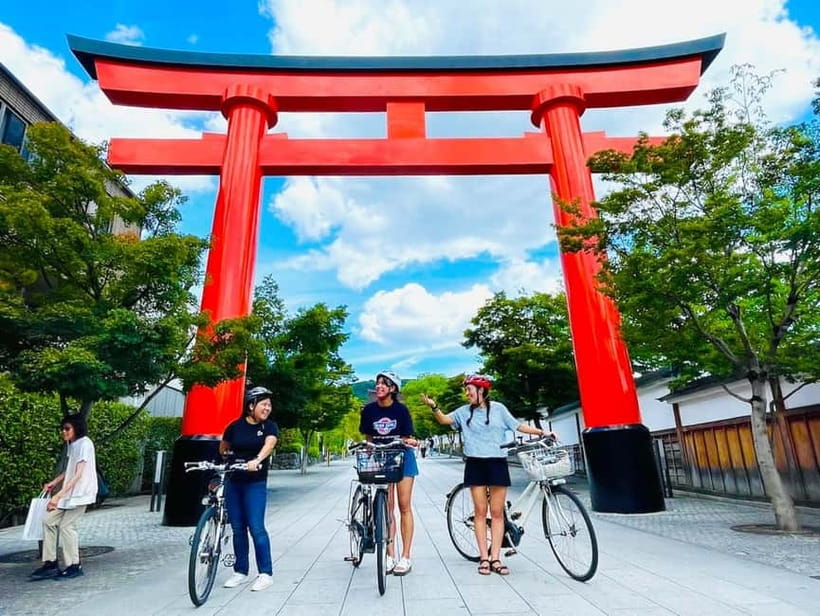
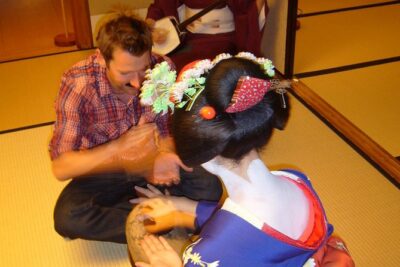
Gion can feel overwhelming if you only see it from the main tourist paths. On this tour, you cycle through the district while your guide explains what you’re looking at—especially around Geisha culture and Kyoto customs.
This is one of the most praised parts of the experience, and the reason is practical. When you understand the basic background—what different traditions mean and how people behave in these spaces—you spend less time guessing and more time noticing. You’re also moving at a pace where you can actually take it in.
Gion is also a “people-watching” area, but it’s more meaningful when you know why things look the way they do: the rhythms, etiquette, and the way neighborhoods feel lived-in rather than staged. You’re not just riding by; you’re getting context while you ride.
You’ll also get a taste of Kyoto suburb life—real streets where you can feel the city beyond the big-name views. That variety is a big part of the tour’s value. It’s a way to connect dots between famous imagery and the everyday setting that surrounds it.
Fushimi Inari Shrine: Shinto context that makes the torii make sense
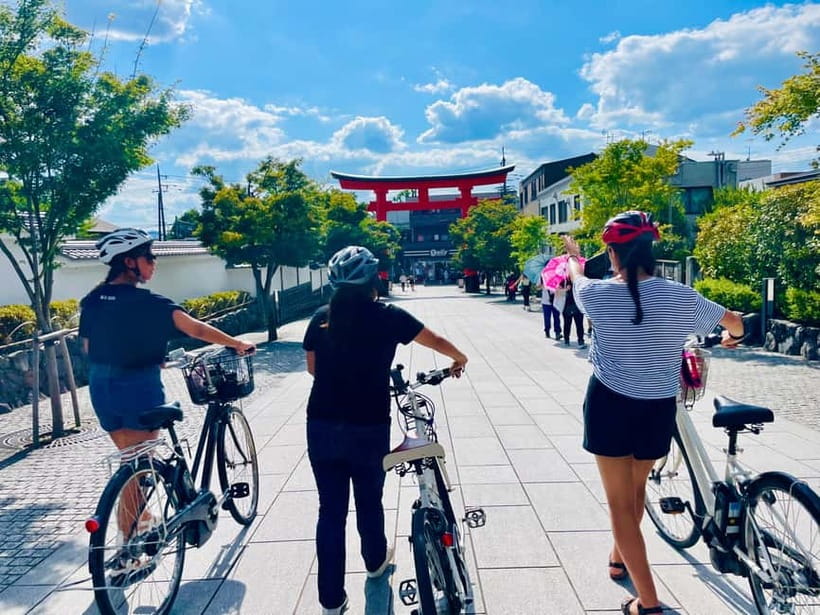
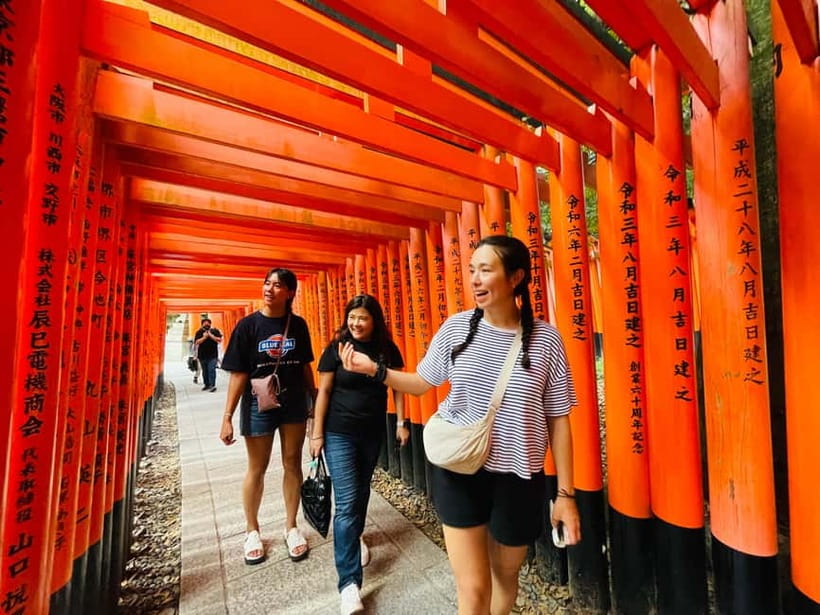
Next up is Fushimi Inari Shrine, the one with the torii gates that appear in photos everywhere. The tour doesn’t treat it like a single photo stop. Your guide explains the history and the cultural meaning tied to Shintoism, so the gates feel less like a backdrop and more like a system of belief made visible.
The big practical advantage here is time. You’re on a schedule, but you’re also not being rushed through in a way that leaves everything flat. With a guide guiding you, you know what to pay attention to—so you get more out of your time on the shrine grounds.
Another benefit: cycling gets you there without wasting your half day on transit. Once you arrive, you can focus on the experience itself: the shrine atmosphere, the meaning of what you’re seeing, and the way the site works as a place, not a landmark.
A small consideration
If you’re expecting a long, fully independent wander through every inch of Fushimi Inari at your own pace, a guided group format may feel tighter. The trade-off is that you get the cultural explanations that make the whole place click faster.
Tofukuji Temple and the Zen garden reset
After Fushimi Inari, you slow down with Tofukuji Temple and its Zen garden. This stop is a nice contrast to the shrine intensity. It’s also where the day’s tone becomes more balanced—less “see everything” energy and more “take a breath” time.
The Zen garden visit matters because it changes the pace. Instead of keeping your eyes on your next destination, you get a moment to sit and feel the mood of the place. That mental shift is a big part of why guided tours can be worth it: you’re not only moving, you’re also guided into the kind of attention that self-guiding sometimes misses.
Your route back also tends to feel relaxed. One reviewer noted the return to the shop was pleasant following the river, and that kind of riverside rhythm is exactly what you want after a shrine circuit. It helps the day end smoothly, not abruptly.
You can also read our reviews of more tours and experiences in Kyoto



How the 4-hour pace actually feels (and why groups stay happy)
This is listed as a 4-hour tour, and that length is ideal for Kyoto for one simple reason: it keeps you from burning an entire day on temples and gates. You leave with real cultural context, but you still have energy left for dinner plans and independent wandering afterward.
E-bikes help here. Even if you’re not a strong cyclist, the assist makes it easier to keep going when you hit steeper areas. You’re also not required to be an expert rider. The orientation and the guide’s handling of stops make the ride feel manageable.
Stops are frequent enough to prevent fatigue from building. You’ll likely spend time waiting at intersections or regrouping, but the structure keeps it from turning into a stop-and-go punishment. Most important: the route is planned so you’re not constantly fighting to catch up. The small group size helps a lot.
Price and value: what $83 buys you in practical terms
At $83 per person, you’re paying for a guided cultural day plus the logistics that would otherwise take planning time.
Here’s what’s included:
- Live English local tour guide
- Electric bicycle rental
- Helmet
- Insurance
- Snack and water bottle
- Entrance fees for two places
Not included:
- Lunch
- Hotel pickup/drop-off
From a value lens, this pricing makes sense because you get both sides of the cost: transportation and interpretation. If you rented a bike yourself, you’d still need to figure out route safety, what to focus on at each site, and how to time your shrine visits. Paying for a guide helps you skip the guesswork and spend more of the half day getting meaning, not just moving from one postcard to another.
The “watch the fine print” part is simple: plan for lunch on your own and bring snacks if you’re picky about what you like to eat.
Who should book this tour (and who should skip it)
This tour is a strong match if:
- You want to see major Kyoto highlights like Fushimi Inari without spending your whole day on transit
- You like city streets and don’t mind riding with a group
- You want cultural explanations while you’re actually there, not just reading after the fact
- You enjoy photo moments and like the idea that your guide helps you get them
It may not fit if:
- You’re traveling with kids under 12
- You’re pregnant
- You have mobility impairments
- You don’t feel comfortable cycling, even with an e-bike assist
If you’re in the middle—average fitness, first time in Japan roads—this tour still looks like a good fit because the orientation and frequent regrouping reduce stress.
Tips to get the most out of your day
A few choices make a noticeable difference:
- Wear shoes with grip. You’ll do a mix of riding and walking.
- Keep sunscreen accessible. Kyoto sun can hit harder than you expect.
- Bring your camera and expect stops for photos, especially around the shrine and garden areas.
- Ask questions early. The small group setup is built for that.
- If you get tired, slow down your effort, not your attention. The e-bike assist helps, but your stamina still matters.
Also, be ready for a day that balances two religions and two moods: Shintoism at Fushimi Inari and Buddhist quiet at Tofukuji. That contrast is part of the point. You’ll walk away with a clearer sense of how the city’s spiritual life shapes what you see.
Should you book Kyoto: Fushimi Inari and Tofukuji e-bike?
If you want a half-day plan that blends Gion context, Fushimi Inari meaning, and a real Zen garden pause, this is the kind of tour that earns its spot. The small group size, the included safety setup, and the fact that you’re guided through two major cultural sites make it good value for your time.
I’d book it if:
- Your schedule is tight and you want maximum payoff in 4 hours
- You’d rather learn while you’re sightseeing
- You like the idea of riding through real neighborhoods, not only standing in queues
I wouldn’t book it if you need a fully independent, slow, unstructured day—or if cycling in traffic-adjacent areas would make you uneasy. In that case, you may prefer a traditional walking tour with fewer road segments.
If you’re comfortable with a mix of cycling and walking, this e-bike route is an efficient, story-driven way to experience Kyoto’s most iconic spiritual sites without turning your day into an endurance test.
FAQ
How long is the Kyoto e-bike tour?
The tour lasts 4 hours.
Where do I meet the tour?
You meet at Pedal Adventure Kyoto.
Are the tour guides English-speaking?
Yes. The tour guide speaks English.
What’s included in the price?
The price includes the live local tour guide, e-bike rental, helmet, insurance, snack, water bottle, and entrance fees for two places.
What should I bring?
Bring comfortable shoes and comfortable clothes. Sunscreen is recommended, and a camera can help for the scenery.
What items are not allowed during the tour?
Smoking and alcoholic drinks in the vehicle are not allowed.
What is the group size?
This is a small group limited to 8 participants.
Who is the tour not suitable for?
It’s not suitable for children under 12, pregnant women, or people with mobility impairments.