REVIEW · KYOTO
Kyoto: Kendo Samurai Experience Tour
Book on GetYourGuide →Operated by Park for us Co.,Ltd · Bookable on GetYourGuide
Kyoto is one of the easiest places to feel like you stepped into history. This Kendo Samurai experience turns etiquette and sword skills into a hands-on, safe workout in a real dojo setting. The big draw is that you practice striking and sparring-style moves with proper instruction, not just watch from the sidelines.
I like two things most: you get full kendo armor and equipment (so you learn what the training actually feels like), and the teaching is clear even if your Japanese is limited, with Hayashi-sensei often praised for making the steps easy to follow.
One consideration: this is not a gentle show. You should expect a physical session, and it’s not suitable for pregnant women or people with pre-existing medical conditions.
In This Review
- Key Highlights You’ll Feel in the Room
- Kendo Samurai Training in Kyoto: What This Experience Really Is
- Getting to the Dojo: JR Hanazono Station Meeting Point
- The Two-Hour Flow: Armor, Etiquette, Footwork, and Bamboo Strikes
- Hayashi-sensei and Clear Coaching: What Instruction Feels Like
- The End Match: Safe Sparring That Still Feels Real
- Price and Value: Is $116 for 2 Hours Worth It?
- Who Should Book This Kendo Experience (and Who Shouldn’t)
- Practical Tips That Make the Session Smoother
- Should You Book the Kyoto Kendo Samurai Experience Tour?
- FAQ
- Where do I meet for the Kyoto Kendo Samurai Experience Tour?
- How long is the experience?
- What’s included in the price?
- Is hotel pickup or drop-off included?
- What languages are available during the training?
- Is this suitable for beginners?
- Do I need to tell them anything about my body size?
- Is the activity safe for everyone, including pregnancy?
Key Highlights You’ll Feel in the Room
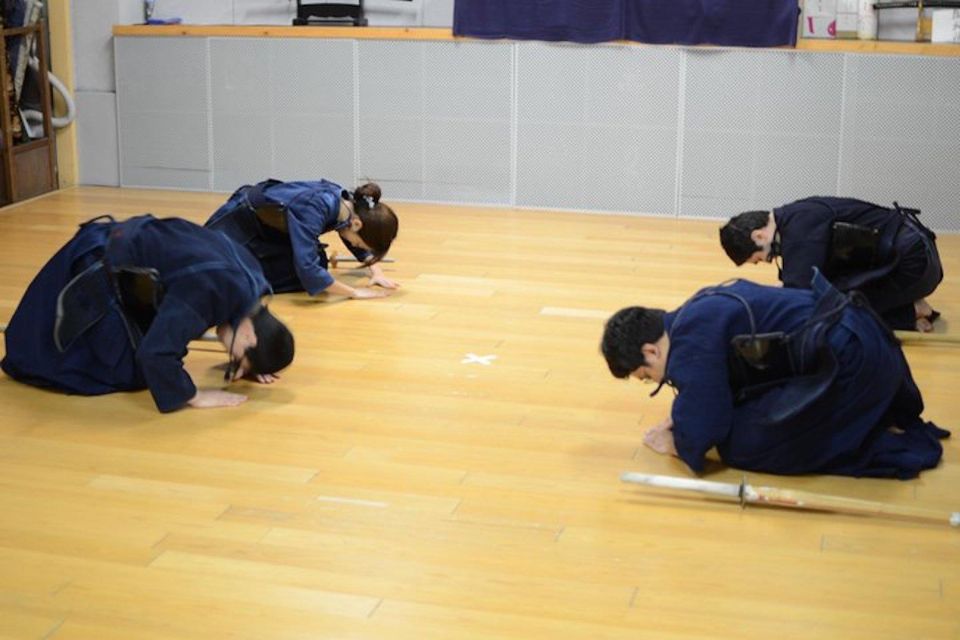
- Full Kendo Armor rental included, so you train in the real gear from the start
- English/Japanese instruction with a pro instructor (Hayashi-sensei is specifically noted in feedback)
- Etiquette + rules as part of training, not just sword swings
- Controlled practice fighting at the end, with a safe, structured match format
- Small group energy is possible, including near-private coaching in some cases
- A free Kendo towel plus mineral water helps the session feel complete
Kendo Samurai Training in Kyoto: What This Experience Really Is
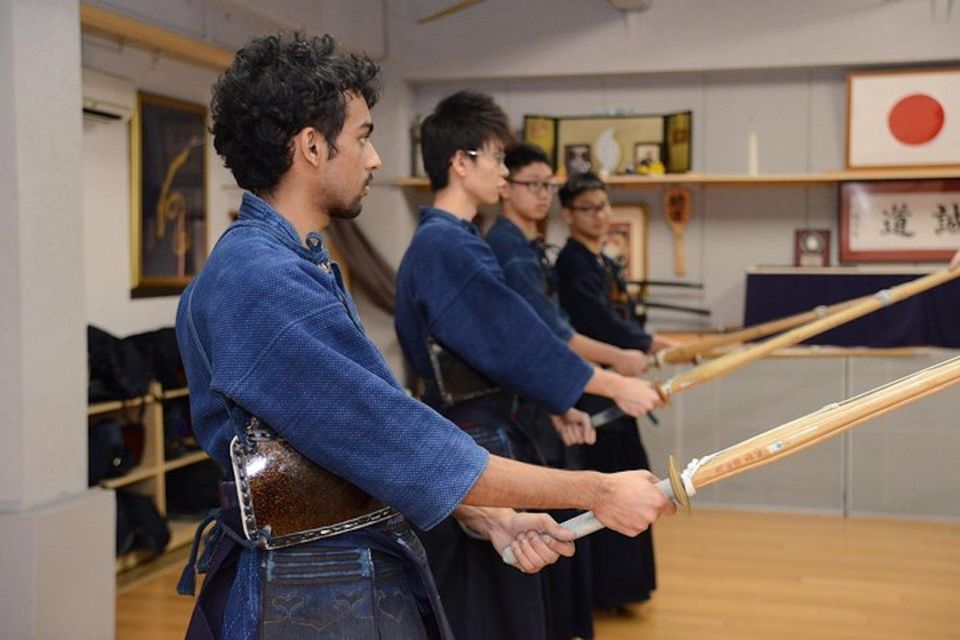
Kendo is often described as swordsmanship, but what you’re really studying is discipline: posture, footwork, timing, and respectful behavior in a dojo. In this Kyoto experience, the structure matters. You don’t just pick up a stick and flail around. You learn the basic way to stand, move, and strike so your body understands the rules before you start trying anything that looks like a fight.
I like that the session is designed for beginners. The experience is still “real” in the sense that the training can be challenging, and the end includes a match moment where you’re wearing full protection. But the learning curve is built in. That combination is why Kendo works well for short tours: you get the culture of the practice, not just a quick photo-op.
You can also read our reviews of more tours and experiences in Kyoto.



Getting to the Dojo: JR Hanazono Station Meeting Point
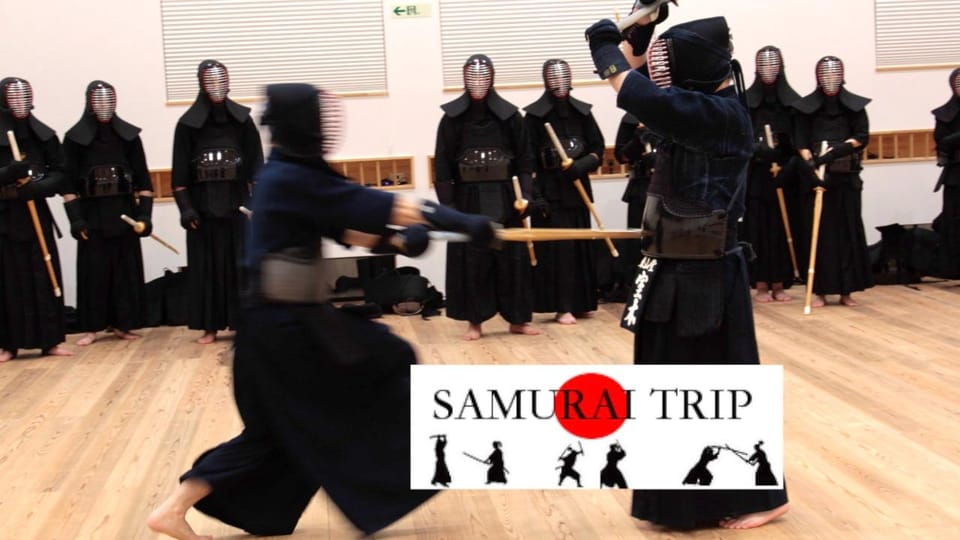
This activity meets at JR Hanazono Station (North exit), JR 花園駅北口. Kyoto Station to Hanazono is about 15 minutes by JR Sagano Line (JR 嵯峨野線), which is a practical route if you’re already planning your day around the main rail lines.
Two planning notes that matter:
- There’s no hotel pickup or drop-off, so you’ll need to make your own way there.
- You’ll want to arrive a little early so gear sizing and check-in don’t eat into your training time.
Also, the instructions ask for your gender and height ahead of time so they can provide the right equipment and fit. If you’re traveling with kids or different-sized family members, this is especially helpful to communicate early.
The Two-Hour Flow: Armor, Etiquette, Footwork, and Bamboo Strikes
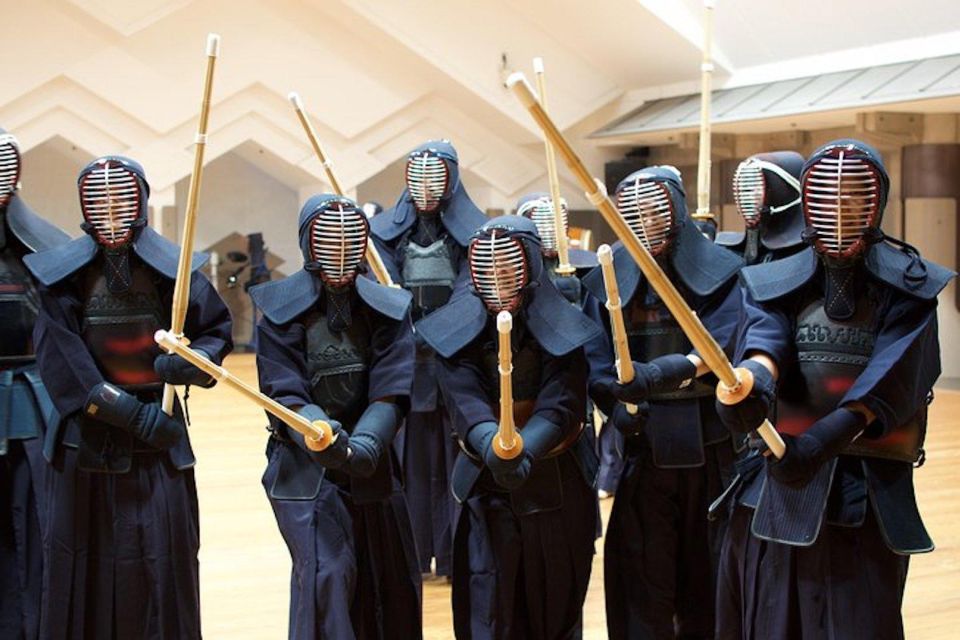
The entire experience runs 2 hours, and that’s long enough to feel progression if you pay attention and follow the instructor’s cues.
Here’s the typical arc you should expect:
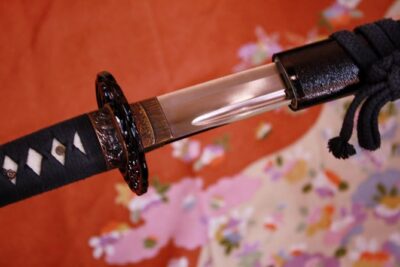
- Gear up in kendo equipment: The experience includes rental of the armor and kendo tools. You’ll learn how to wear it properly so it doesn’t distract you once training starts.
- Etiquette and basic rules: Kendo is strict about respect in the dojo. You’ll get guidance on how to behave, how to listen, and how to move as part of the learning.
- Warm-up and fundamental movement: Expect practice focused on basics—how to position yourself, how to step, and how to control your movement with the armor on.
- Practice striking (described as bamboo sword strikes): This is where your training becomes physical. You’ll practice controlled strikes rather than random swings, and you’ll be coached on form.
- End-of-session controlled match: Many participants point to the final sparring-style moment as the highlight. It’s set up to feel exciting while still safe and controlled.
Why this matters: in most martial arts demos, you only see the climax. Here, you learn the lead-up. That’s what lets you leave with something more than a memory.
Hayashi-sensei and Clear Coaching: What Instruction Feels Like
The quality of the instructor shows up in the details. Multiple participants specifically name Hayashi-sensei and praise how clearly he demonstrates techniques, even when language is limited. If your Japanese is basic, you’re not at a disadvantage here; the instruction is described as logical, step-by-step, and friendly.
If you’re the kind of person who worries about holding people up, you’ll probably appreciate the pace. Feedback highlights patience, and in at least one case the group was small enough that it turned into close-to-private coaching. That changes everything: you can ask questions, get corrections faster, and leave with fewer “I think I did it wrong” doubts.
If you need support beyond basic translation, there’s also mention of help from a guide/translator named Miho-san. That’s a good sign if you want to understand the “why” behind movements, not just copy the “what.”
The End Match: Safe Sparring That Still Feels Real
The final part of the experience is where most people light up. You’ll have a kendo match moment at the end, using the full protection and kendo sticks. Descriptions emphasize that it’s safe and controlled, not chaotic.
In one family-style example, the competition format included a father vs son, and another noted brother vs brother. That tells you the session can work well for families, as long as everyone is ready for a workout.
What you should take seriously: the match doesn’t mean you’ll be “fighting” like a movie. It means you’ll apply what you learned—stance, timing, and strike—under a simple, supervised format. If you’re physically comfortable following instructions, it’s thrilling in a grounded way.
Also, this kind of training is not effortless. Several notes mention it’s a real challenge and that the gear makes it feel more like actual practice than casual activity.

Price and Value: Is $116 for 2 Hours Worth It?
At $116 per person for 2 hours, you’re paying for several things that are hard to replicate on your own:
- A professional instructor guiding you through etiquette, basics, and safety
- Rental of full kendo armor and equipment
- A guided experience that organizes beginners into a meaningful skill session
It also includes mineral water and a free Kendo towel, which sounds small until you remember this is a full activity, not a quick class slip-in. You don’t have to scramble for extra essentials.
What’s not included is also clear: food and hotel pickup/drop-off. That means you should plan to eat before or after based on your Kyoto schedule.
If you’re trying to “collect experiences” in Kyoto, this one has an advantage: you’re not just learning about samurai culture in a lecture. You’re doing a short, structured practice session that teaches discipline and respect through body mechanics.
Who Should Book This Kendo Experience (and Who Shouldn’t)
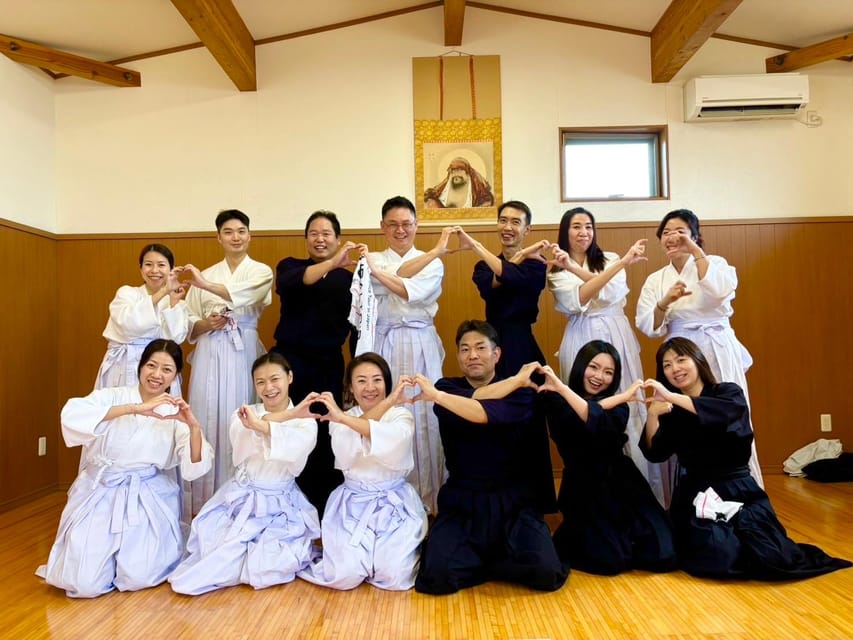
This is a strong fit if:
- you’re a beginner curious about Japanese martial arts
- you want a hands-on culture activity rather than a passive tour
- you’re traveling with family members (some sessions are described as father/son focused)
- you like structured instruction and want to learn dojo etiquette along with technique
It’s not a fit if:
- you are pregnant
- you have pre-existing medical conditions
- you want something purely gentle or low-movement
If you’re coming from a long travel day, plan a day where you can focus. Kendo training asks for attention—stance, timing, and listening for safety cues.
Practical Tips That Make the Session Smoother
A few practical things can help you get more out of your two hours:
- Bring your correct gender and height in advance so equipment sizing is right.
- Wear clothes that work well under training gear. The info doesn’t list a specific dress code, but you’ll be moving and working hard, so comfort matters.
- Arrive early at JR Hanazono Station North exit so check-in doesn’t rush you.
- Expect it to be physical. Even if you’re just learning basics, the armor and movement take effort.
- If language is a concern, look for clarity in instruction. The feedback highlights that demonstrations are understandable, and you’ll likely get enough structure to follow.
Also, the experience notes free cancellation up to 24 hours in advance and a reserve now & pay later option. If your Kyoto plans could shift, that flexibility is useful.
Should You Book the Kyoto Kendo Samurai Experience Tour?
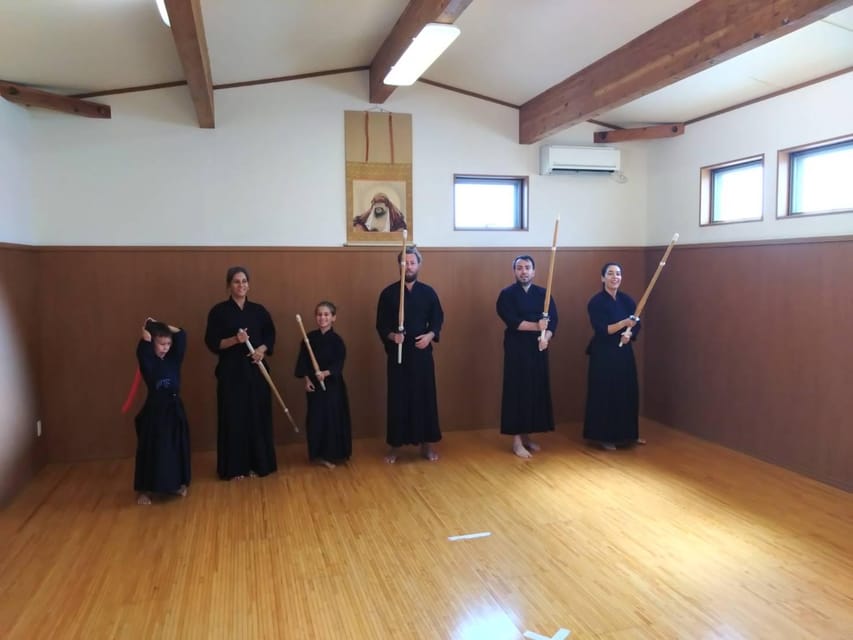
Book it if you want a real dojo practice you can feel in your body: etiquette, basics, and a safe match moment in full gear. The best reason is value through instruction—Hayashi-sensei’s coaching style (clear demonstrations, patience, humor mentioned by participants) seems made for beginners who want to do more than watch.
Skip it if you need low-impact activity, or if the health restrictions apply. And if you’re counting on hotel pickup, plan to get yourself to JR Hanazono Station because that part is on you.
If you want Kyoto with sweat, focus, and Japanese discipline you can experience in a couple of hours, this tour is a solid choice.
FAQ
Where do I meet for the Kyoto Kendo Samurai Experience Tour?
You meet at JR Hanazono Station (North exit), JR 花園駅北口.
How long is the experience?
The experience lasts 2 hours.
What’s included in the price?
It includes a professional instructor, rental of kendo armor and equipment, mineral water, and a free Kendo towel.
Is hotel pickup or drop-off included?
No, hotel pickup and drop-off are not included.
What languages are available during the training?
The instructor provides English and Japanese.
Is this suitable for beginners?
Yes. It’s described as beginner-friendly, with instructors guiding you through basic movements and etiquette.
Do I need to tell them anything about my body size?
Yes. You should let them know your gender and height so they can provide the right equipment size.
Is the activity safe for everyone, including pregnancy?
No. It is not suitable for pregnant women and is also not recommended for people with pre-existing medical conditions.
If you want, tell me your travel month and whether you’re going solo or with family, and I’ll suggest how to time this with other Kyoto stops around the JR Sagano Line.