REVIEW · KYOTO
Kyoto: Fushimi Inari Taisha Guided Walking Tour
Book on GetYourGuide →Operated by TripGuru Japan · Bookable on GetYourGuide
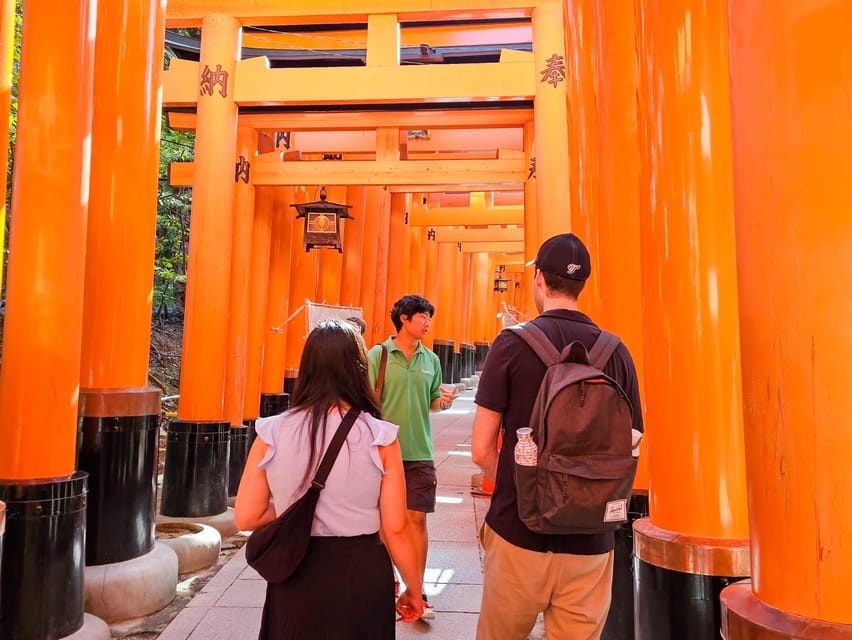
Torii gates that go on and on. A guided walk through Fushimi Inari Taisha is one of the quickest ways to get your bearings in Kyoto, and I like how you get both the thousands of bright red torii gates and a real sense of what Inari worship is about. If you choose the longer route, you also hike up along Mount Inari’s trails for city-and-mountain views that feel like you earned them.
My only caution is the physical side: you’ll want comfortable shoes, and you must be at the meeting point on time because the guide only waits 10 minutes.
In This Review
- Key things to know before you go
- Kyoto’s Fushimi Inari Taisha: why this short tour hits so hard
- Lower shrine vs upper shrine: pick your walking level
- Option B: Lower shrine only
- Option A: Add the upper shrine and hike trails
- The 2–3 hour plan: what you’ll do, and what each part gives you
- Meet at Daily Yamazaki Fushimi Inari Shrine
- Fushimi Inari Taisha guided walk
- Torii gate walking plus a short street-food window
- Return to the meeting point
- Torii gates and Mount Inari trails: what to watch for on the hike
- If you go up (Option A)
- If you stay down (Option B)
- Guides matter here: what the best runs get right
- Dress code and on-foot realities: small choices that prevent big annoyances
- Who this tour fits best (and who should skip)
- Price and value: is $24 a good deal in Kyoto?
- Should you book Kyoto’s Fushimi Inari Taisha guided walking tour?
- FAQ
- Where is the meeting point?
- How long is the tour?
- How much does it cost?
- What language is the tour guide?
- Is there more than one route option?
- Does the tour include entrance fees?
- Are meals included?
- What should I bring?
- What should I wear?
- What if I’m late to the meeting point?
- Is the tour suitable for everyone?
Key things to know before you go
- Small group cap (up to 9 people) keeps the pace friendly and questions easy
- Two route options: lower shrine only, or add the upper shrine hike
- Mount Inari trails are part of the experience, with views if you go up
- English guide plus entrance fees included makes this a simple value pick
- Guides tailor the feel; some group runs include extra help with strollers and photo moments
Kyoto’s Fushimi Inari Taisha: why this short tour hits so hard
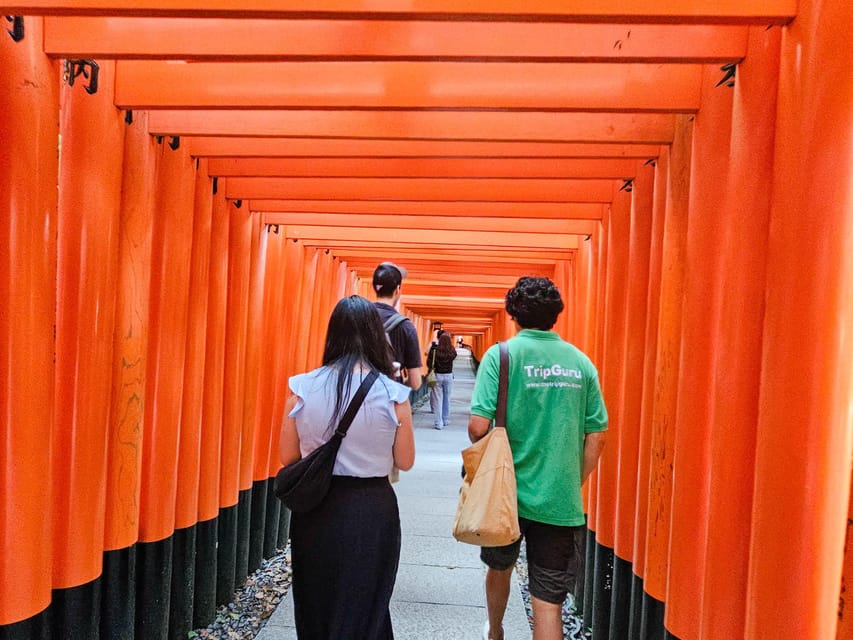
Fushimi Inari Taisha is one of those places where the visuals do the heavy lifting. You’re surrounded by thousands of bright red torii gates, and walking through them feels less like sightseeing and more like moving inside a living shrine path. In a city full of major temples and classic monuments, this is one of the fastest ways to experience a very specific Kyoto vibe.
What makes this guided option especially useful is that it stays time-efficient. In 2–3 hours, you can see the core experience and understand what you’re looking at. You’ll learn about Inari, the deity worshipped here as a patron of agriculture and commerce, and you’ll also connect Inari to foxes, often described as messengers of the deity.
The best part for me is the choice. If you want pure torii gate time with less walking, you can go for the lower shrine. If you want more movement and a stronger payoff, you can add the upper shrine hike up Mount Inari.
You can also read our reviews of more walking tours in Kyoto



Lower shrine vs upper shrine: pick your walking level
This tour works with a simple decision: how much hiking do you want to do today?
Option B: Lower shrine only
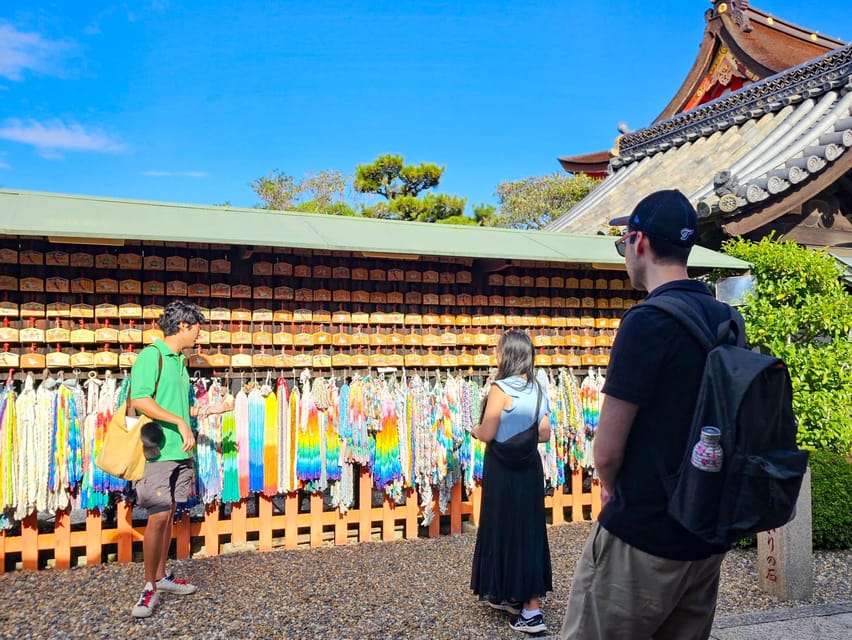
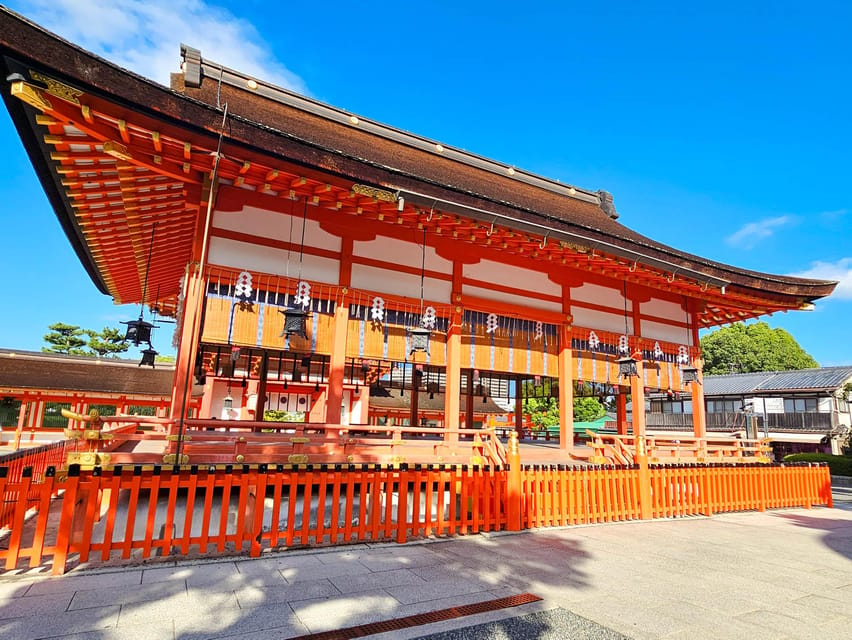
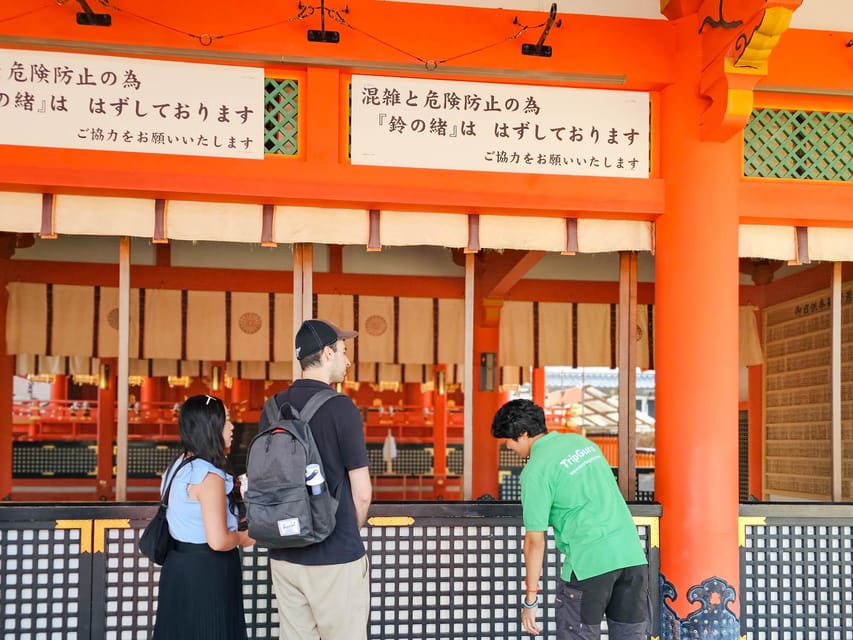
If you’re pressed for time, low-energy, or just want the iconic gates without the stairs-and-trails feeling, the lower area is your best match. You’ll get the main entrance area, an offering hall, and several smaller shrines, plus the torii gate experience at the base.
This choice is also smart if you’re traveling with kids who get tired, or if you’re squeezing Fushimi Inari into a packed Kyoto itinerary. You’ll still walk enough to feel like you experienced it, just without pushing the upper route.
Option A: Add the upper shrine and hike trails
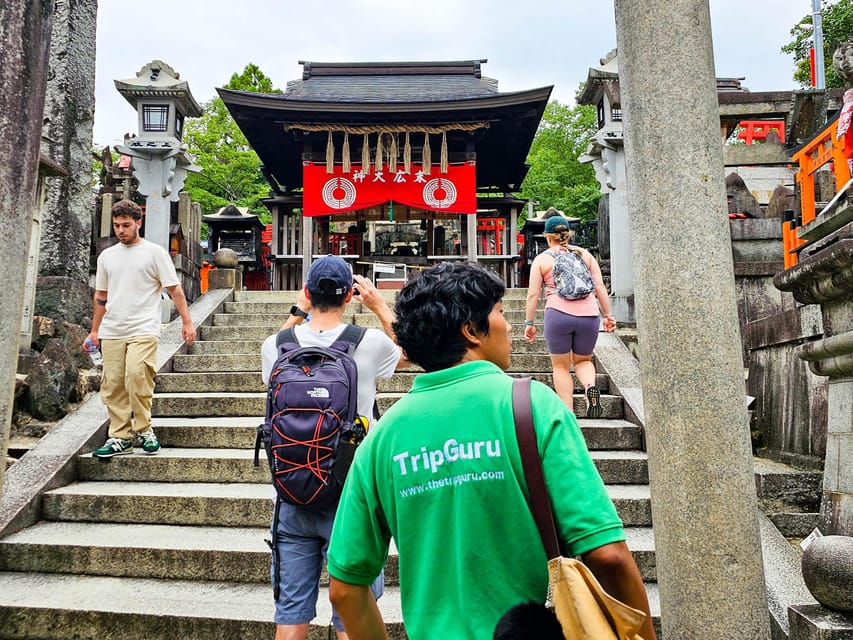
If you take the longer route, you’ll continue up the hiking path lined with torii gates. The upper area includes smaller shrines and, more importantly, views of the city and surrounding mountains.
This option adds about an extra hour of walking. That doesn’t sound huge on paper, but it changes the feel of the tour. The upper hike is when the experience starts to feel like an outing, not just a stroll.
The 2–3 hour plan: what you’ll do, and what each part gives you
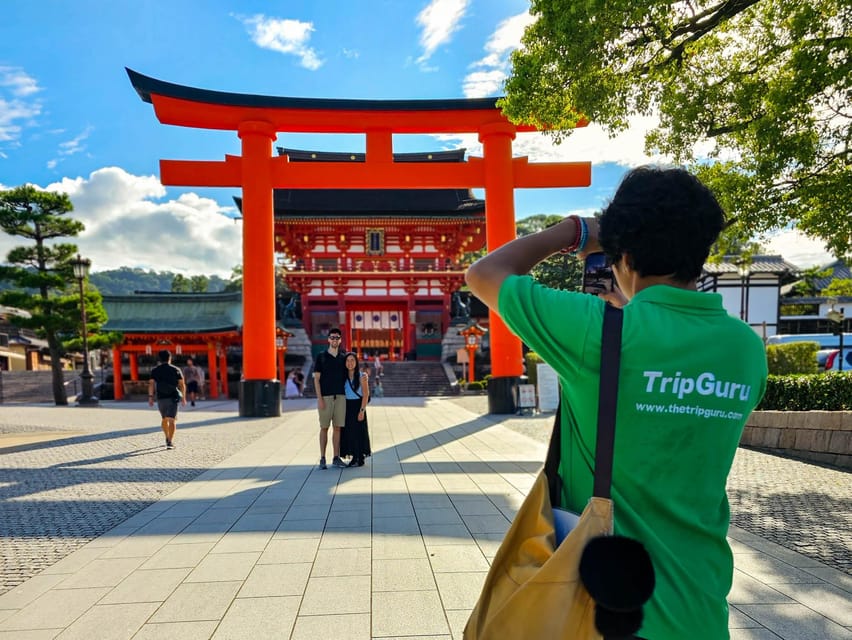
A good short tour shouldn’t feel rushed, and this one is built to keep you moving while still letting you absorb what’s around you. Here’s how the day flows.
You can also read our reviews of more guided tours in Kyoto





Meet at Daily Yamazaki Fushimi Inari Shrine
You start at Daily Yamazaki Fushimi Inari Shrine, where your guide will be easy to spot—either in a TripGuru shirt or holding a TripGuru sign. I like that this is a clear landmark meeting point, because Fushimi Inari area streets can be a little maze-like if you’re going solo.
One practical note: plan to arrive early. The guide waits only 10 minutes before proceeding. If you hit morning traffic delays, you’ll feel it fast.
Fushimi Inari Taisha guided walk
From there, you get a guided walk through the shrine area, designed to help you interpret what you’re seeing. You’ll learn who Inari is and why the shrine is connected with agriculture and commerce. You’ll also connect Inari’s worship with foxes as messengers, which gives the torii gate path a deeper meaning than just architecture.
This is where a strong guide matters. In multiple past tour runs, guides like Katz and Raphael were praised for being friendly, going at a good pace, and explaining what the torii gates and shrine setup mean in plain terms.
Torii gate walking plus a short street-food window
After a guided section, you’ll get a brief street-food opportunity and some extra walking time (about 30 minutes). This part is ideal for soaking up the surrounding atmosphere, getting a snack, and keeping energy up for whichever option you choose.
A quick reality check: “street food time” doesn’t automatically mean you’re getting meals included. The tour lists meals as not included, so think of it as time to buy your own snack rather than a full food plan.
Return to the meeting point
At the end, you head back to Daily Yamazaki Fushimi Inari Shrine. The upside of this approach is that the tour stays simple and contained. You’re not hopping between far-apart neighborhoods while trying to keep track of gates, stairs, and timing.
Torii gates and Mount Inari trails: what to watch for on the hike
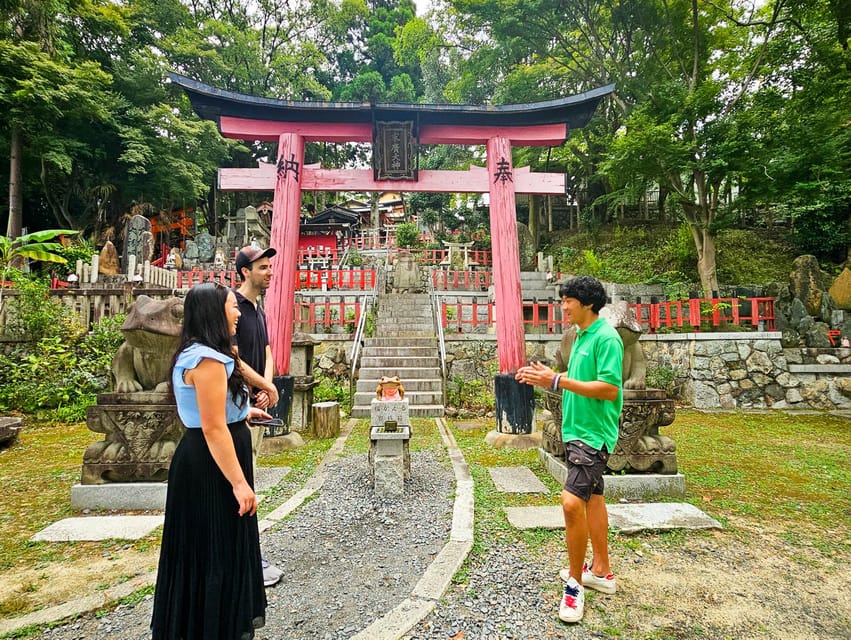
Even if you’ve seen photos, the scale hits in person. The torii gates create repeating lines that keep pulling you forward. You’re also walking on a route that ties together shrine spaces and hiking trail energy, especially if you choose the upper route.
If you go up (Option A)
You’ll hike along trails of Mount Inari lined with torii gates. The reward is the chance to see Kyoto from higher viewpoints—city and mountain scenery rather than only shrine walls and gate crowds.
This is also the section where footwear matters more than you think. You’re not doing a technical climb, but the ground can be uneven, and you’ll want traction and comfort for longer walking.
If you stay down (Option B)
You’re trading height for ease. You’ll spend more time in the main entrances and lower shrine areas, which can be a relief if you’re trying to stay comfortable or want a calmer tempo.
For some people, staying down also makes sense psychologically: you can take pictures, pause more often, and avoid the “one more flight of stairs” feeling that can happen at the upper trail.
Guides matter here: what the best runs get right
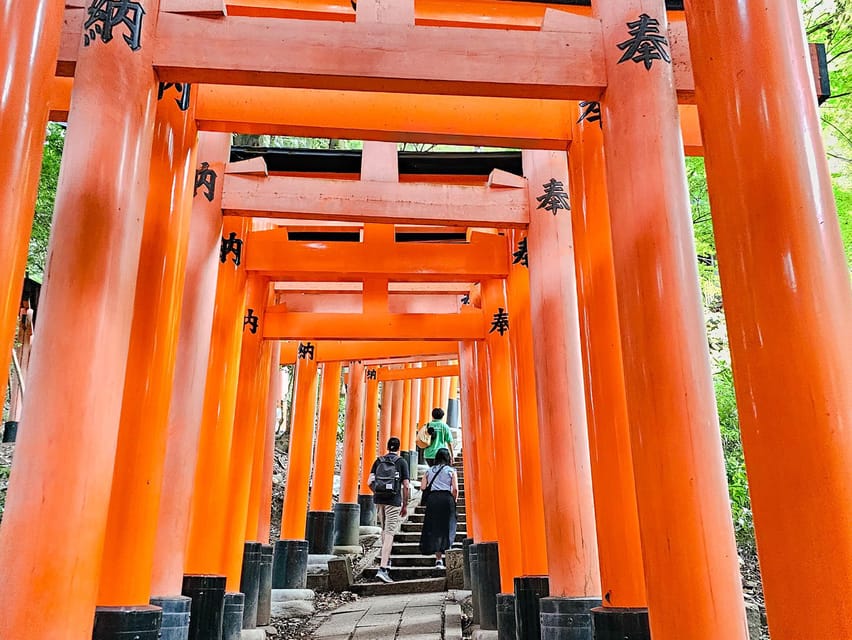
When a tour is only 2–3 hours, the guide’s role becomes huge. You need more than someone who can point and read a sign. You want context, pacing, and help turning a crowded attraction into something personal.
This tour has consistently scored high, and the comments give you a sense of what makes it work in practice:
- Katz stood out for being friendly and packed with interesting facts during the torii gate experience
- Christiana was praised as personable and friendly, while keeping the information flowing in a way that felt enjoyable
- Raphael was highlighted for accommodating a group with two kids and strollers, which is a big deal if you’re traveling with anyone who needs extra flexibility
- Nobumasa was praised for taking extra care with the group’s comfort—checking if people needed a break, helping with hydration, and even taking pictures for guests
One small but meaningful pattern: guides often pay attention to how long you’ve been walking and whether you’re coping. In a few cases, the guide brought water and mineral sweets to help with hydration. That’s not the kind of detail you get from a ticket-only shrine visit.
Dress code and on-foot realities: small choices that prevent big annoyances
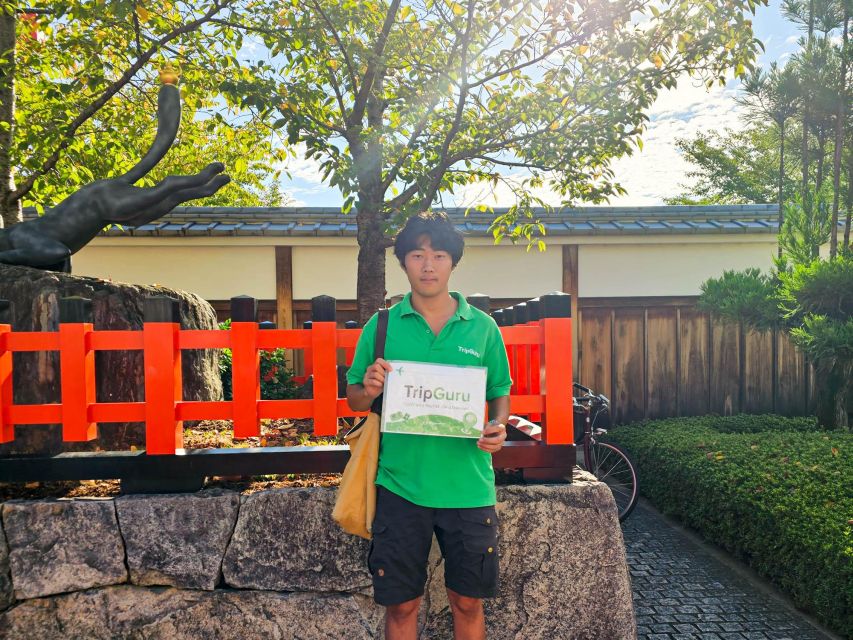
Fushimi Inari is a shrine site, so dress and behavior matter. The tour notes modest, respectful clothing—avoid overly revealing casual items like shorts or tank tops.
Also, bring comfortable shoes. This isn’t a sit-and-stroll museum. Whether you choose lower-only or the upper hike, you’re walking through a shrine path and—if you go up—along trails where discomfort is hard to ignore.
Two more practical points that can affect your experience:
- Traffic in the morning can be heavier than navigation apps suggest. Give yourself extra buffer if you’re headed to the meeting point
- Your guide waits only 10 minutes, so being late can cut the start of your tour short
These aren’t “paper rules.” They’re the difference between enjoying gates and sweating in the queue.
Who this tour fits best (and who should skip)
This is a good fit if you want a focused shrine walk with context, not a long day trip.
You’ll likely enjoy it if you:
- Want to see Fushimi Inari Taisha without planning every step solo
- Prefer a short, guided experience over a self-guided wandering day
- Like learning why something is important while you’re still there to feel it
On the other hand, the activity is listed as not suitable for:
- Pregnant women
- People with mobility impairments
- People with heart problems
- People with respiratory issues
If any of those apply, it’s worth reconsidering. The tour’s option to hike Mount Inari adds physical demands, and even the lower route still involves walking through shrine areas.
Price and value: is $24 a good deal in Kyoto?
At $24 per person for a 2–3 hour guided walking tour, the value comes from two places.
First, you’re not just paying for a guide’s time. Entrance fees and the walking tour are included, which means you’re less likely to get surprised by add-ons once you arrive.
Second, the small group size (up to 9 people) matters here. At places like Fushimi Inari, crowd flow can be chaotic. A smaller group makes it easier to keep track of what’s happening and to ask questions without waiting for the guide to catch up.
In short: if you want the shrine experience paired with clear context and a route choice, $24 is a reasonable price for a short, high-impact Kyoto stop.
Should you book Kyoto’s Fushimi Inari Taisha guided walking tour?
I’d book this if you’re short on time, want an easier way to interpret what you’re seeing, and like the idea of choosing between lower shrine sightseeing and the upper hike for views.
I’d skip or rethink if you’re sensitive to walking, stairs, or uneven ground, or if the listed health considerations apply to you. In those cases, the physical demands can outweigh the benefit of a guide explaining Inari.
If you like practical guidance and want your visit to feel organized without taking over your day, this tour is one of the cleanest ways to do Fushimi Inari in a couple of hours. And based on the attention paid to pacing and comfort in past groups, it’s the kind of guided experience that tries to make the shrine path work for real people, not just ideal walkers.
FAQ
Where is the meeting point?
Meet your guide at Daily Yamazaki Fushimi Inari Shrine. Your guide will be wearing a TripGuru shirt or holding a TripGuru sign.
How long is the tour?
The tour lasts 2 to 3 hours.
How much does it cost?
The price is $24 per person.
What language is the tour guide?
The tour includes an English-speaking live guide.
Is there more than one route option?
Yes. You can choose to visit both the lower and upper parts (Option A) or visit just the lower part for the torii gates experience without the extra hike (Option B).
Does the tour include entrance fees?
Yes. Entrance fees are included.
Are meals included?
Meals and other drinks are not included. There is a short street-food time in the schedule, but you would still need to pay for what you buy.
What should I bring?
Bring comfortable shoes.
What should I wear?
Wear modest, respectful clothing. The tour specifically suggests avoiding shorts or tank tops.
What if I’m late to the meeting point?
Your guide will wait a maximum of 10 minutes before proceeding.
Is the tour suitable for everyone?
No. It is listed as not suitable for pregnant women, people with mobility impairments, people with heart problems, or people with respiratory issues.