REVIEW · KYOTO
Samurai Performance and Casual Experience: Kyoto Ticket
Book on Viator →Operated by Ginbu Co., LTD. (former name: Samurai Kenbu Co., LTD.) · Bookable on Viator
Kembu in Kyoto feels like time travel, but with a very human, funny side. This one-hour Samurai Kembu Theater ticket gives you both a staged sword-and-fan show and a short hands-on photo session afterward. I especially liked the friendly staff who kept the room loose and the narration that made the samurai-era techniques make sense. One thing to consider: if you want a gritty battle-fight show, this is more theatrical and instructional than nonstop combat.
The format is also refreshingly practical: you show up for your selected time, take your shoes off, and settle in for a clear, staged flow. The hands-on part is brief, but it’s the part where you’ll actually feel the performance instead of just watching it. If your English listening is sensitive to fast speech, plan to lean on the visual sword work, because some of the spoken details can be a bit hard to catch.
In This Review
- Key things I’d zero in on
- The Samurai Kembu Theater: easy to reach, intimate by design
- Arrival rules: shoes off and settling in fast
- The narration and short history lessons that make the movements click
- Kembu demonstrations: traditional and new-style sword ritual
- The folding fan and the seppuku/hara-kiri discussion
- The hands-on mini session: sword and fan, plus your own photos
- How to plan the timing: a smart Kyoto evening add-on
- Price and value: why $33 feels fair for this format
- Who this Kyoto samurai ticket is best for
- Small trade-offs to keep your expectations realistic
- Should you book the Kyoto Kembu ticket?
- FAQ
- FAQ
- How long is the experience?
- What time does it start?
- Are there different showtimes?
- Is the ticket mobile?
- What’s included with admission?
- What isn’t included in the price?
- Do I need to remove my shoes?
- Can I take my own photos during the experience?
- Where do I check in when I arrive?
- Is it suitable for most travelers?
- Is there free cancellation?
Key things I’d zero in on
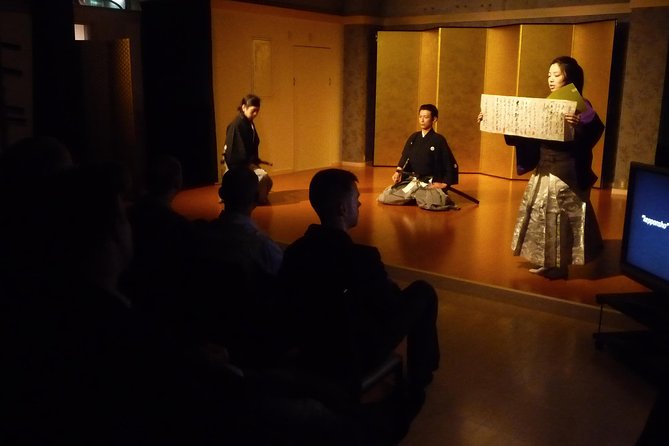
- Shoes off, cozy seating: You’ll remove your shoes on arrival and sit in the traditional setup, with low-to-the-ground chairs plus regular seating.
- A talk before each section: You get short history and technique context before demonstrations, so the sword moves don’t feel random.
- Traditional and new-style Kembu: The show mixes older-style rituals with newer variations of Kembu performance.
- Fan work plus sword work: You’ll learn about the Japanese folding fan and see how it fits the discipline.
- Photo session where you can hold a sword and fan: You can take your own pictures at the end with performers.
- Small, downtown Kyoto theater vibe: It’s in the city center, and people find it easy to combine with a Gion evening walk.
The Samurai Kembu Theater: easy to reach, intimate by design
This ticket centers on the Kyoto’s Samurai Kembu Theater in downtown Kyoto, and that location matters. Being in the middle of things makes it much easier to drop in for an evening activity without a complicated plan. It’s also near public transportation, so you’re not stuck timing trains around a long transfer.
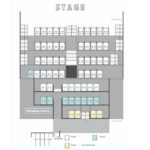
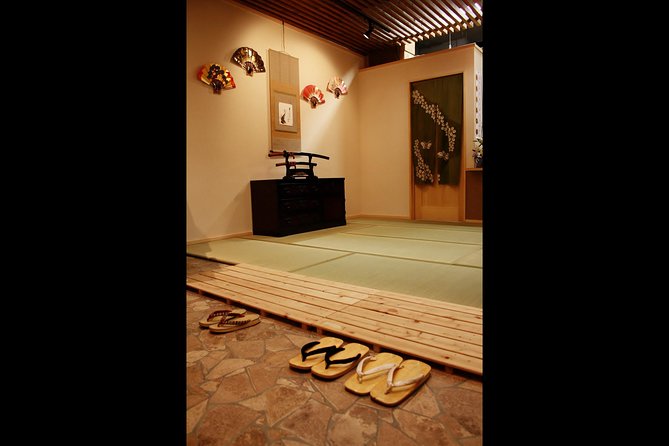
Inside, the theater is small and that’s part of the appeal. You sit close enough to see the body control behind the sword movements, not just the flash of steel. And because the seating includes low-to-the-floor chairs and normal chairs, you’ll want to go in expecting a traditional setup rather than stadium-style comfort.
One practical note: you enter via stairs on the right side toward the GOZAN building and then head to the reception desk. Arrive early enough to find it without stress. Your start time matters because the whole event depends on you being seated before the show begins.
You can also read our reviews of more tours and experiences in Kyoto

Arrival rules: shoes off and settling in fast
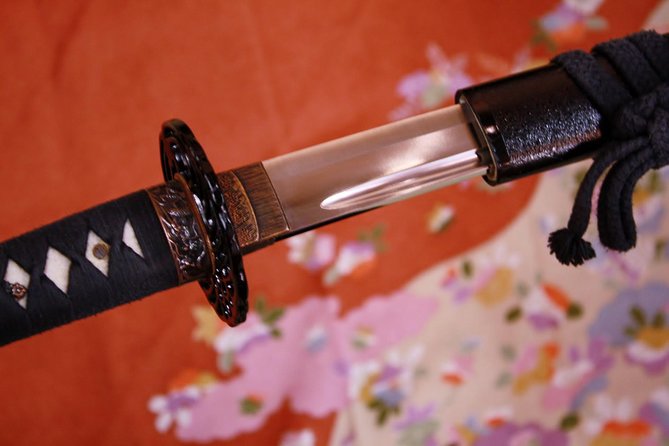
The experience starts with a very Kyoto-style rule: take your shoes off. You’ll do this right when you arrive, and it’s not just symbolic. It signals that you’re stepping into a theater space that works like a traditional room, not a modern auditorium.
Then you find your seat. The show begins at your selected time, and the narration starts after you’ve settled in. I’d treat it like a performance you want to watch from the first line, not a thing you wander into halfway through.
Timing is tight in the best way. You should arrive about 15 to 5 minutes before your selected start time. That window helps you find the reception desk, handle seating, and settle in so you’re not rushing when the narration starts.
The narration and short history lessons that make the movements click
Before the main demonstrations, the performance opens with narration from a performer. This isn’t a long lecture. It’s an introduction that frames what you’re about to see: Kembu as a sword performance tied to samurai culture.
Then the show keeps you oriented by giving a short history lesson before each demonstration. You’ll hear about samurai culture and the idea that Kembu helped warriors build courage and focus for the rigors of battle. Even if you don’t know much Japanese history going in, this structure turns the show into a sequence you can follow.
What I liked here is that the explanation matches the visuals. You’re not just watching sword choreography. You’re learning why that choreography existed as a mental discipline and cultural practice. That’s what turns a “show” into something you’ll remember when you walk back out into Kyoto streets.
Kembu demonstrations: traditional and new-style sword ritual
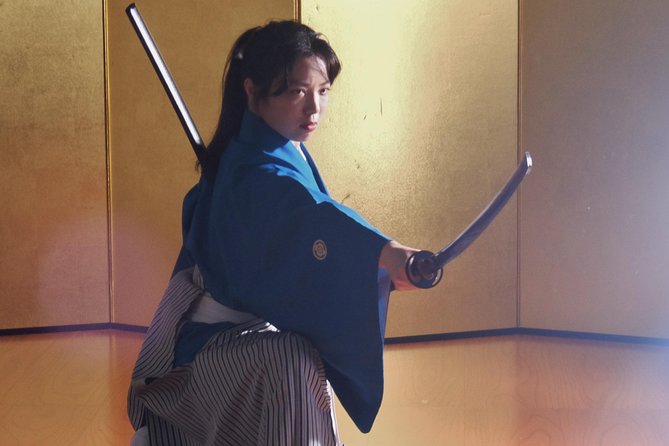
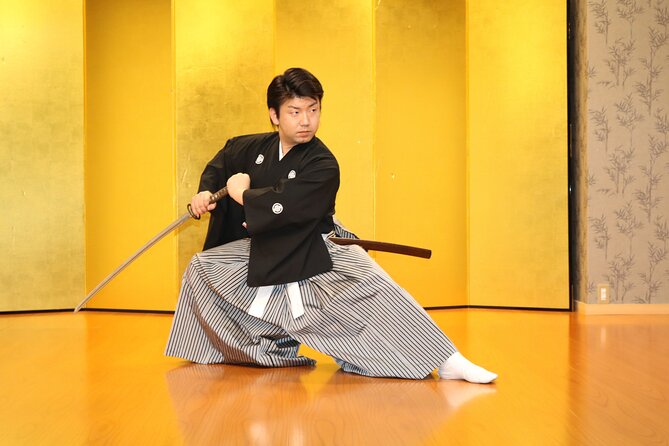
The heart of the event is the Kembu demonstration series. Each segment features performers who wield swords in intricate movements, often paired with recitations of samurai poems used before heading to battle.
You’ll see both traditional and new-style Kembu rituals. That matters because Kembu isn’t presented like a museum artifact frozen in time. The show treats it like a living art form with roots and evolution.
Also, the performance style isn’t purely serious. Based on the way the staff interacted with the room, there’s humor and a light touch. In other words, it doesn’t feel like you have to sit perfectly still and treat everything like a textbook. You can enjoy it, laugh when the room does, and still walk away with real context.
One caution: this isn’t set up as a realistic combat match. If you’re expecting a full-on battle performance with nonstop fighting, you might feel slightly let down. The show is more about controlled sword artistry, meaning, and explanation than raw action.
The folding fan and the seppuku/hara-kiri discussion
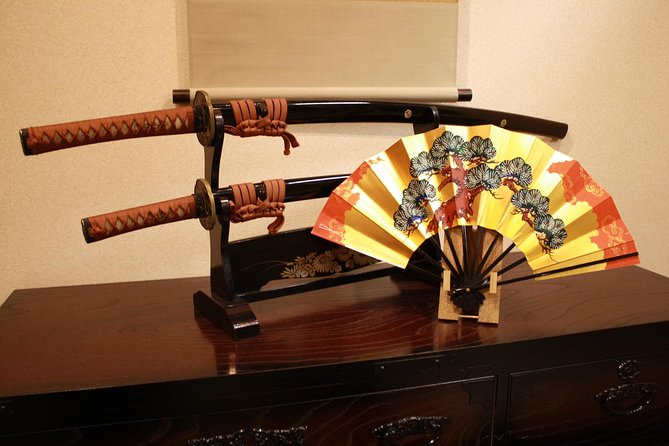
Two parts tend to stick with people: the folding fan and the talk around seppuku (also called hara-kiri). The show doesn’t treat these topics like random trivia. They appear as part of the discipline and cultural context around samurai life.
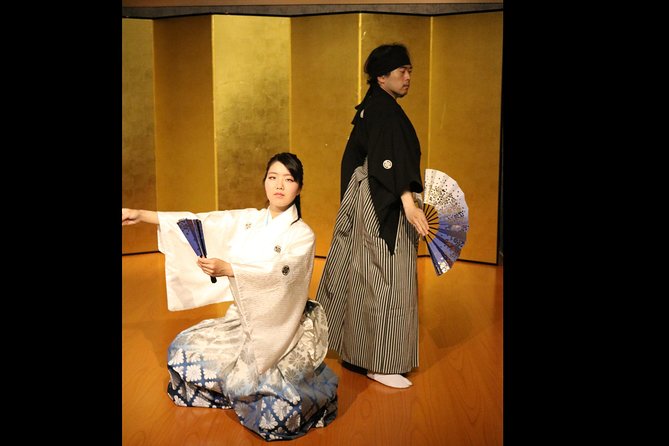
You’ll learn about the art of the Japanese folding fan and see how it connects to ceremonial movement. Fans in Japanese performance can read as purely decorative, but here it’s framed as part of practiced control—something that belongs to the overall Kembu mindset.
Then you’ll hear meaning discussed around seppuku. That’s a heavy historical topic, and it can feel surprising inside a theater performance. What I’d recommend is to watch it as history and culture being explained through performance, not as something staged for shock value. It’s better to go in prepared for the topic to be mentioned, explained, and folded into the bigger samurai story the show is telling.

The hands-on mini session: sword and fan, plus your own photos
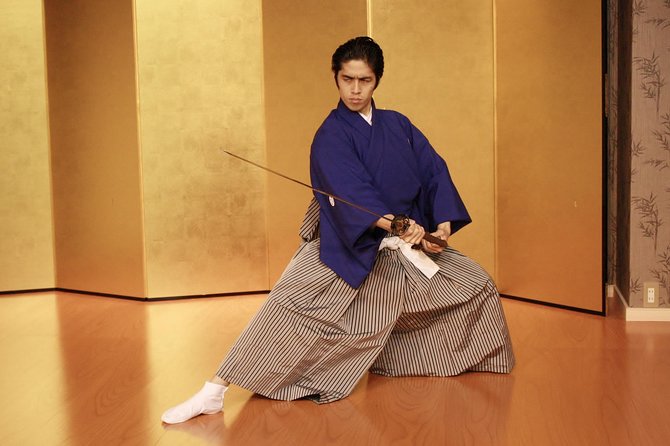
The schedule is built for a quick payoff. About 40 minutes of the event is the show, followed by a mini experience segment. That hands-on part is where the ticket turns into something you can actually take home with you.
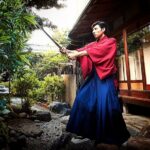
You’ll get a chance to participate in a short practice with the sword and fan, and then there’s a photo session afterward. This is not a distant “look but don’t touch” moment. You can hold a sword and take your own photos with a performer while holding a sword and fan.
Because it’s hands-on, it’s also where the best memories usually happen. You’ll get that rare travel feeling of stepping into a cultural performance rather than just watching it. Even if your technique is shaky, the point is to experience the movements in a safe, controlled way while the staff helps with what to do.
Some people also noted that you might get a costume-style practice setup or dressing moment during the hands-on segment. That isn’t the kind of thing to bet your night on, but it’s a nice sign that the theater tries to make the experience feel like a role, not just a demonstration.
How to plan the timing: a smart Kyoto evening add-on
This is a great “end of day” activity. It starts at 4:15 pm (one of the listed start times), and you’ll choose between two showtimes depending on the schedule available at booking.
The timing works well because Kyoto days can get overstuffed. You can do temples or neighborhoods earlier, then come here when your feet need a reset. And if weather turns (rain, late afternoon chill), an indoor cultural performance like this can save the day.
Where to place it: the theater sits in downtown Kyoto and people also associate it with being near the Gion area. That’s useful if you like walking at night. After the show, you can head out and keep exploring without needing a complicated return.
If you’re pairing it with other stops, I’d build in extra minutes. The shoes-off entry, seat settling, and reception desk find can take time if you arrive exactly on the minute.
Price and value: why $33 feels fair for this format
At $33.03 per person, this isn’t a huge splurge. It also isn’t “cheap” in the sense of being low effort. You’re paying for two things at once: a narrated performance with multiple demonstration segments, and then the hands-on photo and practice window.
You’re getting:
- A structured show with narration and short history lessons before each demonstration
- Sword and fan-focused performance segments
- A mini session where you participate
- A photo session where you hold the sword and fan and take your own pictures
That combination is the value play. Many cultural shows give you watching only. Here, your ticket includes the moments that make the experience feel personal. And since the total time is about one hour, it’s easy to justify compared to longer paid activities that also require more planning.
No hotel pickup is included, and food and drinks aren’t included either. That’s normal for a theater ticket. But it does mean you’ll want to plan dinner separately.
Who this Kyoto samurai ticket is best for
This experience is a strong fit for people who want culture plus participation. You don’t need a background in samurai history, because the narration builds context as the show unfolds.
I’d especially like it if:
- You enjoy Japanese performance arts more than battle reenactments
- You want an activity that works well even when you’re tired from sightseeing
- You’re traveling as a couple, solo, or small group and want something easy to schedule
- You like hands-on moments and photos that feel earned, not staged
It can also work well for families. The vibe inside is not rigid, and the mini practice and photo time are naturally engaging. Still, if your child needs a long attention span for lectures, keep in mind the show includes narration and explanation.
Small trade-offs to keep your expectations realistic
Overall, the experience has a lot going for it. But being honest helps you enjoy it more.
Here are the main things to watch for:
- More learning than fight-action: It’s theatrical, with storytelling and technique explanation. If you want nonstop combat moves, you may feel it’s too light.
- Language speed can vary: The narration is in English, but some people find it hard to follow depending on voice clarity and pacing.
- The hands-on time is short: The show is longer than the participation segment. You’ll get a taste, not a full training class.
The upside is that the structure is efficient. You get the core performance and then the most memorable participation moments without losing the night.
Should you book the Kyoto Kembu ticket?
If you want a memorable Kyoto evening that blends sword choreography, cultural storytelling, and a real chance to hold a sword and pose for photos, I think this ticket is worth booking. The price is reasonable for what you get, and the one-hour format makes it easy to fit into almost any itinerary.
Skip it only if you’re specifically chasing a serious, gritty battle show with lots of combat action. This is a samurai art performance with explanation and theatrical pacing. If that sounds like your kind of evening, you’ll likely have a great time walking out feeling like you learned something you can picture.
FAQ
FAQ
How long is the experience?
It’s about 1 hour total. Approximately 40 minutes is the show part, followed by a mini experience/photo session.
What time does it start?
The start time listed is 4:15 pm.
Are there different showtimes?
Yes. You can choose from two showtimes to fit your schedule.
Is the ticket mobile?
Yes, the ticket is provided as a mobile ticket.
What’s included with admission?
You get the Kembu show, plus a mini experience after the show that includes a sword/fan activity and photo time.
What isn’t included in the price?
Hotel pickup and drop-off are not included, and food and drinks are not included.
Do I need to remove my shoes?
Yes. You’ll take off your shoes when you enter and find your seat.
Can I take my own photos during the experience?
Yes. After the show, there’s a photo session where you can take photos holding a sword and fan.
Where do I check in when I arrive?
Come down the stairs on the right side toward the GOZAN building to the reception desk.
Is it suitable for most travelers?
The experience notes that most travelers can participate, and it’s designed to be accessible for a wide range of visitors.
Is there free cancellation?
Yes. You can cancel for free up to 24 hours in advance for a full refund. Canceling less than 24 hours before start time isn’t refundable.