REVIEW · KYOTO
Kyoto Wagashi(Japanese sweets) Cooking Class near Fushimiinari
Book on Viator →Operated by Japanese cooking class & walking tour · Bookable on Viator
Three wagashi, one calm afternoon. I love how this Kyoto wagashi cooking class near Fushimiinari feels personal, like an invitation into a real Japanese home. Miho and the team guide you step-by-step in an authentic-style house, so it’s not just watching.
You’ll then cook about three types of wagashi hands-on and finish by sitting down in a traditional room with a garden view and matcha. The whole class runs in English, with licensed guide interpreters, which makes a big difference when you’re learning techniques you want to get right.
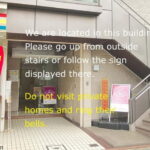
One practical consideration: there’s no hotel pickup, so you’ll need to make your own way to 38-4 Fukakusa Watamorichō in Fushimi Ward.
In This Review
- Key highlights before you go
- Kyoto Wagashi Cooking Near Fushimiinari, in a Real Japanese House
- First Steps Inside: Tatami Time, Tea Reset, and Instructor Demo
- The Hands-On Part: About 3 Wagashi You’ll Make Yourself
- What wagashi technique teaches you (beyond the dessert)
- Dietary needs: vegetarian and vegan friendly
- Matcha and Garden-View Break: The Part That Makes It Feel Like Kyoto
- English-Speaking Guidance and Small-Group Pace
- Price and Value: What You Get for $79.26
- Timing, Location, and Getting There Without Stress
- Who Should Book This Wagashi Cooking Class (and Who Might Skip It)
- Should You Book It?
- FAQ
- What is the duration of the Kyoto wagashi cooking class?
- Where is the meeting point?
- How many people are in the class?
- Is the class taught in English?
- What wagashi will I make?
- Are vegetarian or vegan diets welcome?
- What is included in the price?
- Is hotel pickup or drop-off included?
- Is there any weather concern?
Key highlights before you go
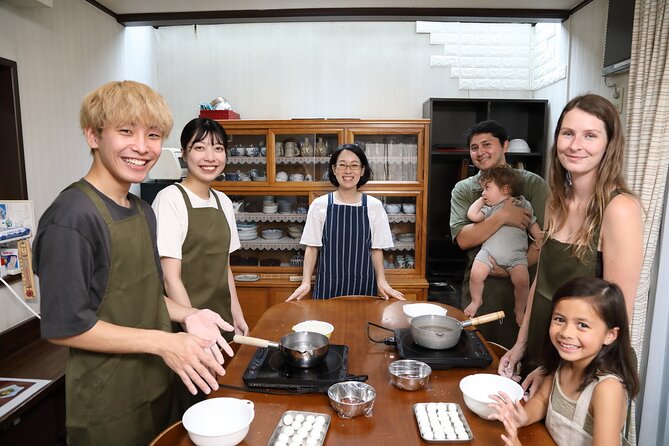
- A maximum of 6 people keeps the class calm and gives you real attention while you cook
- English instruction with licensed guide interpreters, so directions stay clear even if your Japanese is limited
- Hands-on wagashi practice, starting with instructor demonstrations and then cooking yourself
- A traditional tea-and-sweets finish in a room with garden view and matcha time
- Recipes included, so you can repeat your favorites at home
- Vegetarian and vegan friendly options are available if you tell them ahead of time
Kyoto Wagashi Cooking Near Fushimiinari, in a Real Japanese House
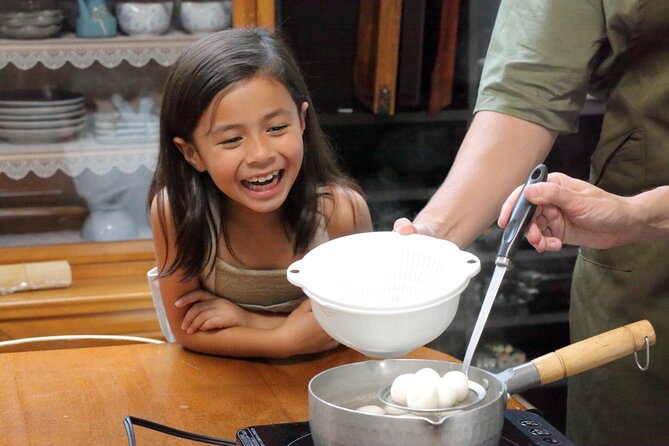
This is a sweet-spot experience in Kyoto, right by the Fushimi area, designed to feel like you’re visiting someone’s home rather than attending a factory-style class. You start in a traditional Japanese setting with rooms and rhythms that match the food. That matters because wagashi is as much about method and mood as it is about ingredients.
The class is built around small group learning, with a maximum of 6 people. That size keeps things friendly, and you’re less likely to feel rushed or invisible. If you’re visiting with family, it also tends to be easier for different ages to stay engaged, because you’re doing the work, not just hovering near a counter.
And yes, this is specifically about Japanese sweets (wagashi). You’ll make desserts that show up in anime and manga aesthetics, so the experience has that fun cultural connection beyond the kitchen.
You can also read our reviews of more cooking classes in Kyoto

First Steps Inside: Tatami Time, Tea Reset, and Instructor Demo
Your visit begins with the chance to settle in right away. The program starts with you relaxing in traditional Japanese rooms, which helps you transition from Kyoto street noise into a slower pace. It’s a smart setup. Wagashi can involve delicate textures and careful timing, so starting calm is part of the experience.
Next comes the instructor-led portion. The instructors demonstrate the process in front of you before you take over. That’s a key detail because wagashi isn’t just mixing ingredients and hoping for the best. You’ll learn the sequence of steps—what to do first, what should be handled gently, and where the texture changes.
A nice touch is that this isn’t only about getting a finished dessert. You’re also getting practical technique you can reuse later. One person may be focused on flavor; another may care about the look. The class gives you room for both, and the guidance helps you avoid common mistakes.
If you come alone, you’re not left out. The format supports pairing or individual work depending on what’s happening that day, and the small group size helps you still feel included.
The Hands-On Part: About 3 Wagashi You’ll Make Yourself
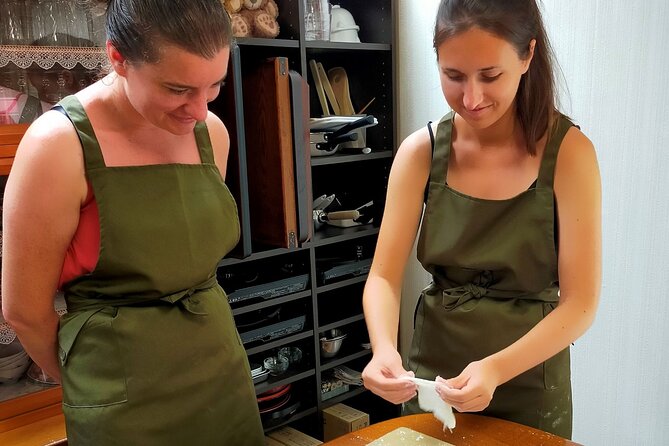
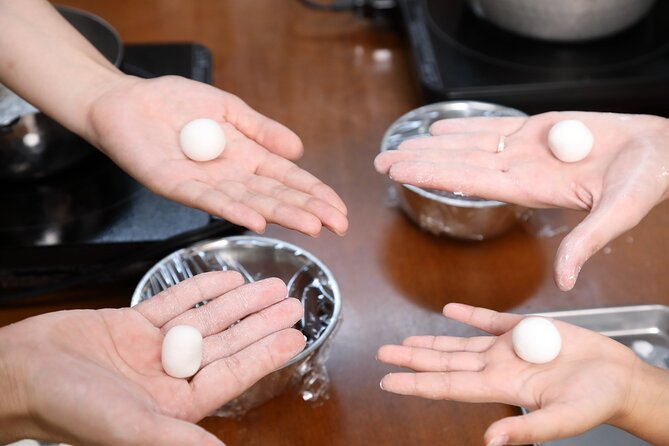
The heart of the class is making about three types of wagashi. You’ll prepare them yourself, with help from the instructor when you need it. The demo-first approach is especially useful here: you see the right method, then you repeat it with confidence.
Two wagashi examples you should know about ahead of time:
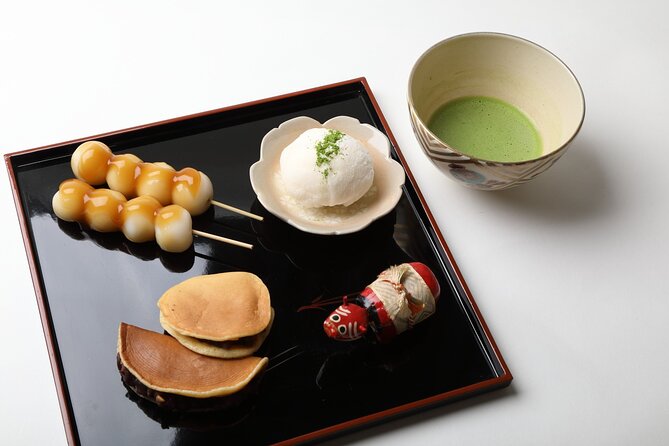
- Black sesame mochi
This comes up as a standout in the experience, and it’s the kind of flavor you might not try on your own if you’ve never had it. When you make it yourself, you understand why it’s loved.
- Mitarashi dango
Another favorite, and it’s great for learning how sweetness, sauce, and texture work together.
Your third dessert may vary, but the overall goal stays the same: you leave with a set of wagashi skills, not just one sugar win.
What wagashi technique teaches you (beyond the dessert)
Wagashi often relies on texture and balance: the chew in mochi, the coating and stickiness in dango, and how sweetness lands without tasting flat. When you cook it yourself, you start noticing what’s happening at each step. That makes it easier to recreate later and also helps you understand what you’re seeing when you try wagashi in shops around Kyoto.
Also, because the class runs in English, you can follow the logic of the technique instead of translating from scratch while your dessert is sitting on the stove. That reduces stress, and stress is the enemy of good mochi.
Dietary needs: vegetarian and vegan friendly
If you follow a vegetarian or vegan diet, this experience is designed to welcome you. The important move is to let them know in advance about dietary restrictions. Since wagashi ingredients can vary, giving notice helps the instructors adjust appropriately so you can cook alongside everyone else.
You can also read our reviews of more tours and experiences in Kyoto
Matcha and Garden-View Break: The Part That Makes It Feel Like Kyoto
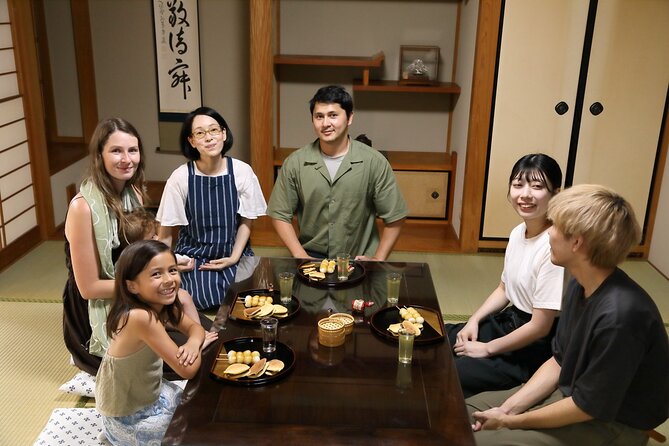
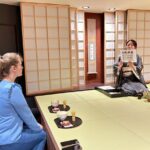
After the cooking, you sit down to enjoy what you made. The finish includes matcha in a very traditional room, with a garden view. This is where the experience stops feeling like a class and starts feeling like a Kyoto afternoon.
There’s a practical reason to appreciate this segment: you taste your own work while it’s fresh and still aligned with what the instructor taught. You can connect each texture and flavor back to the steps you did. If something is slightly off, it also becomes easier to pinpoint why.
Coffee and/or tea are included as part of the overall experience too, so you’re not left scrambling for a beverage once you finish cooking.
If you’re the type who wants more than one photo-op, this part matters. It’s quiet, it’s scenic, and it lets you slow down long enough to actually enjoy the desserts instead of treating them like a quick souvenir.
English-Speaking Guidance and Small-Group Pace
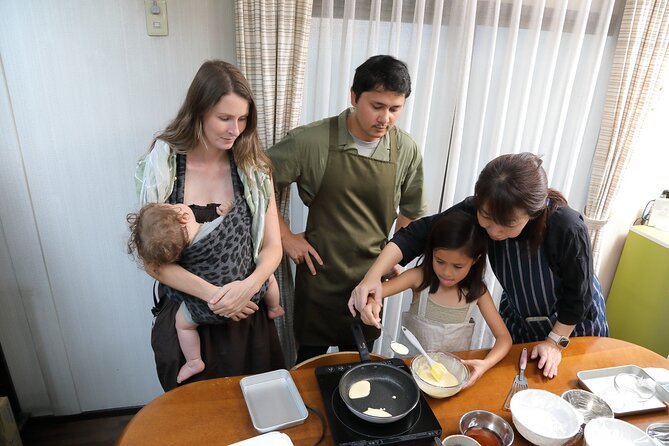
The program is conducted entirely in English. That’s a big plus if you want to understand what you’re doing while you’re doing it. It’s also handled by licensed guide interpreters, which means the instruction is built for clear communication, not just simple pointing.
Small group size (max 6) helps keep everything manageable. You’re more likely to get a direct answer when you run into a technique question, and you won’t be stuck waiting your turn for a basic correction.
This pace is also why the class tends to work well for mixed groups. A confident adult can focus on technique. A teen can focus on hands-on steps and still feel guided. And if you’re traveling alone, you still get attention instead of being treated like an extra seat at a big table.
Price and Value: What You Get for $79.26
At $79.26 per person for about 2 hours 30 minutes, this isn’t a budget “snack class.” But it also doesn’t feel overpriced for what you’re actually getting.
Here’s the value breakdown that matters:
- You get ingredients and all seasonings included.
- Fees and taxes are included in the price.
- Coffee and/or tea are included.
- You receive recipes for the desserts you prepare, so you can repeat the results at home.
That last part is more valuable than it sounds. Cooking classes are often a one-time memory unless you leave with something usable. Recipes turn your time into a skill you can bring home, and that makes the cost easier to justify.
Also, the small group and English instruction add real value. You’re paying for guided technique, not just a kitchen access fee.
Timing, Location, and Getting There Without Stress
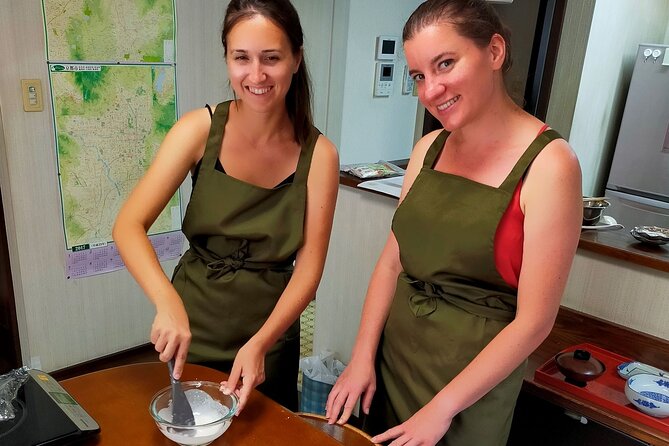
The class runs for approximately 2 hours 30 minutes. Plan your day so you’re not sprinting to a second activity right afterward. Wagashi is hands-on, and the tea-and-sweets finish takes time.
Your meeting point is 38-4 Fukakusa Watamorichō, Fushimi Ward, Kyoto 612-0022, Japan. The end point is back at the same meeting place.
You get a mobile ticket, which is convenient. The experience is near public transportation, but there’s no hotel pickup or drop-off. So build in time to find the address and arrive a few minutes early.
If you’re combining this with a Fushimiinari visit, it can fit well. Just make sure you’re not scheduling it back-to-back with a long walk when your legs are already tired.
Who Should Book This Wagashi Cooking Class (and Who Might Skip It)
This is a great pick if:
- you want authentic wagashi experience (not just generic dessert-making)
- you prefer learning through doing
- you’d like English-only instruction
- you want recipes you can actually use later
- you’re visiting with teens or a mixed group and need something hands-on
It’s also a solid option if you have dietary preferences, because vegetarian and vegan are supported when you notify them ahead of time.
You might consider something else if:
- you expect a long walking tour component, since this is primarily a cooking experience
- you dislike sweets or don’t want to handle ingredients and textures directly
- you strongly rely on hotel pickup (this one doesn’t offer it)
Should You Book It?
If you’re craving a Kyoto experience that feels more local homey than tour-bus polished, this class is a strong yes. The big reasons are practical: small group size, English instruction with licensed interpreters, hands-on cooking of about three wagashi, and a sit-down finish with matcha and a garden view. Add in recipes you can take home, and it becomes more than a one-afternoon sugar fix.
Book it if you want to learn technique, not just collect a photo. Skip it if you’re looking for a purely passive activity or if getting yourself to the meeting address is a deal-breaker.
FAQ
What is the duration of the Kyoto wagashi cooking class?
The class lasts about 2 hours 30 minutes.
Where is the meeting point?
The meeting point is 38-4 Fukakusa Watamorichō, Fushimi Ward, Kyoto 612-0022, Japan. The activity ends back at the meeting point.
How many people are in the class?
The group lesson maximum is 6 people.
Is the class taught in English?
Yes. The class is conducted entirely in English, and the instructors are licensed guide interpreters.
What wagashi will I make?
You will prepare about 3 popular Japanese desserts. Examples mentioned include black sesame mochi and mitarashi dango.
Are vegetarian or vegan diets welcome?
Yes. Vegetarian guests are welcome, and the experience is vegan friendly. You should let them know in advance about dietary restrictions.
What is included in the price?
Included items are all seasonings and ingredients, an English-speaking instructor, all fees and taxes, and coffee and/or tea. Recipes are also provided for the desserts you make.
Is hotel pickup or drop-off included?
No. Hotel pickup and drop-off service is not included. The tour requires you to get to the meeting point on your own.
Is there any weather concern?
Yes. This experience requires good weather. If it’s canceled due to poor weather, you’ll be offered a different date or a full refund.
If you want, tell me your travel dates and whether you’re going as a solo traveler or with family, and I’ll suggest a good time slot around Fushimiinari so the day flows smoothly.