REVIEW · KYOTO
Traditional Tea Ceremony Experience in Kyoto
Book on GetYourGuide →Operated by B.B.Advisors Inc. AN KYOTO · Bookable on GetYourGuide
Kyoto’s matcha ritual is surprisingly practical. In just 30 minutes, you’ll learn the basics of the tea ceremony while sipping single-origin matcha and getting an OHIGASHI sweet. I like that this one keeps things hands-on and easy to follow, with guests seated at tables and chairs instead of the usual floor setup. The main drawback to plan for is that it can feel a bit fast, and the amount of English support may vary depending on the group.
I also like the focus on a real tea experience: you don’t just get a drink, you get instruction on what you’re doing and why. You’ll also see a demonstration of how matcha is made, which helps the ritual make more sense when you take a sip. One more consideration: the building has no elevator, so expect stairs even though it’s listed as wheelchair accessible.
In This Review
- Key things to notice before you go
- Kyoto Tea Ceremony in 30 Minutes: What You’re Really Booking
- Getting There From Gojo Station: Easy Walk, Clear Arrival
- OTE-MAE at Table Level: Movements, Utensils, and a Different Kind of Calm
- Single-Origin Matcha and OHIGASHI: What You’ll Taste and Why It Works
- The Matcha-Making Demonstration: More Meaning in One Sip
- Language, Crowding, and Hearing the Guide: The Real-World Tradeoffs
- Duration and Flow: How This 30-Minute Format Feels
- Price and Value: Is $7 Fair for Matcha Culture?
- Who Should Book This Tea Ceremony (and Who Might Not)
- Should You Book It?
- FAQ
- FAQ
- How long is the traditional tea ceremony experience?
- Where do I meet for the tea ceremony near Gojo Station?
- Is this activity wheelchair accessible?
- What is included in the price?
- Is there English translation available?
- Is a completion certificate included?
Key things to notice before you go
- Single-origin matcha included so you’re not guessing what you’re tasting
- OHIGASHI (Japanese dried sweets) served with the tea
- OTE-MAE tea ceremony experience with guided steps and utensil handling
- Seated at tables and chairs, making it less physically demanding than floor ceremonies
- English translation as much as possible, so group language matters
- No elevator and stairs required to reach each venue area
Kyoto Tea Ceremony in 30 Minutes: What You’re Really Booking
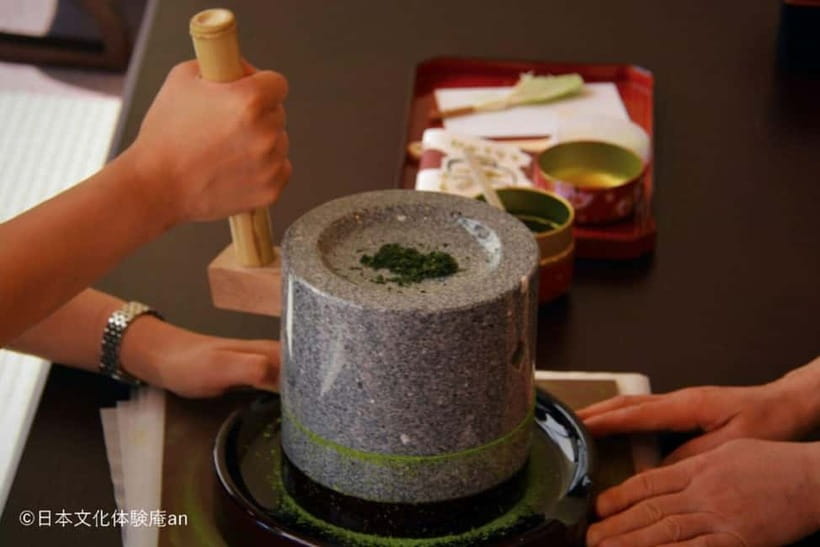
This is a compact Kyoto traditional tea ceremony experience, built for people who want the culture without a half-day commitment. At $7 per person and 30 minutes, it’s priced like a small cultural “taste,” not a long-form, multi-course ceremony.
What makes the time feel worthwhile is that you’re not only drinking matcha. You’re doing the OTE-MAE style tea ceremony experience, guided through the movements and the meaning behind them. Even if you only catch parts of the explanation, you’ll still leave with a clearer sense of what the ceremony tries to communicate: calm focus, respect for the tools, and attention to the moment.
If you’ve been hoping for a deep, hour-long lecture on Kyoto tea history, treat your expectations accordingly. The format is short, and the experience is designed to give you the essentials rather than an extremely detailed classroom session.
You can also read our reviews of more tours and experiences in Kyoto.
Getting There From Gojo Station: Easy Walk, Clear Arrival
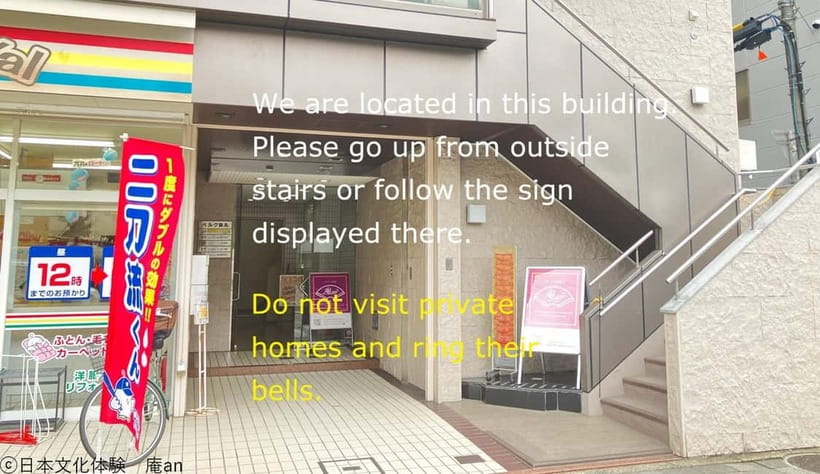
The meeting point is straightforward. You’re looking for a spot about a one-minute walk from Exit 1 of the Kyoto Subway Karasuma Line Gojo Station. The store entrance faces Gojo-dori, which helps because you’re not trying to hunt down a hidden side street.
If you like to show up early, do it. The session won’t be held if you’re late, and the rules say they can’t accommodate delays. That matters more than you might think in Kyoto, where a “quick stop” can accidentally become a 15-minute detour if you get turned around.
A practical note: the schedule is 10:00 to 17:00. Reservations received after 17:00 are processed the next day, so if you’re booking close to evening, double-check your confirmation time.
OTE-MAE at Table Level: Movements, Utensils, and a Different Kind of Calm
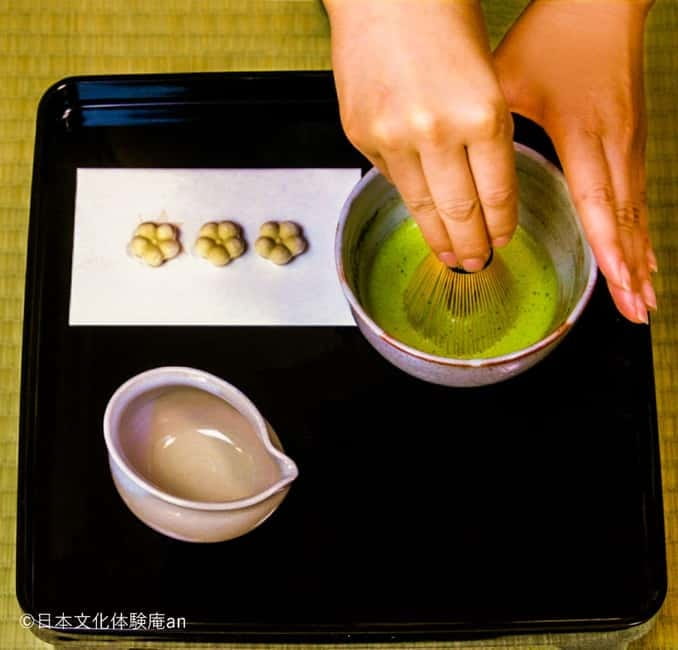
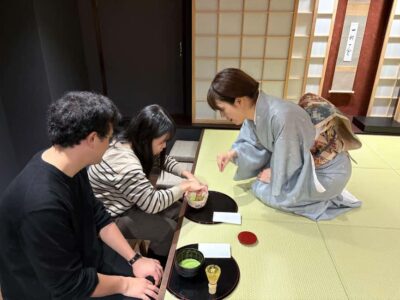
This ceremony is built around OTE-MAE, the guided way of preparing and presenting tea. In many tea experiences, you’re expected to sit on the floor. Here, you’ll be seated at tables and chairs, which changes the feel right away.
Why that matters: it keeps the focus on the ritual itself rather than on physical endurance. If you’ve got stiff knees, you’re carrying a heavy backpack, or you just want to experience the ceremony without battling posture, this setup is a big plus.
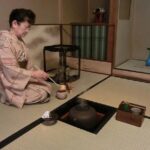
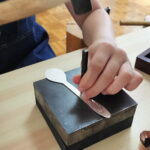
During the session, you’ll get instruction from a Japanese instructor and follow along with the steps. You’ll learn how the matcha is whisked, how the serving flow works, and how the utensils are handled. Even in short sessions, these details are often where the magic is, because they help you understand why tea ceremony movements look the way they do.
The tea ceremony is also a lesson in pacing. You’ll move slower than you normally do in travel mode, and that alone can be the “calming” effect people come for.
Single-Origin Matcha and OHIGASHI: What You’ll Taste and Why It Works
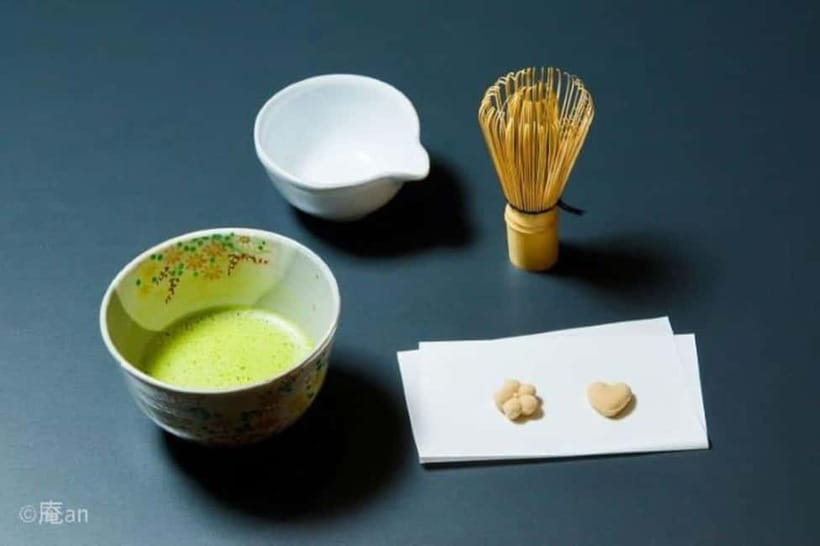
You’ll be served single-origin matcha, which is a major quality signal. Single-origin usually means the tea is coming from one source rather than a blended profile, so the flavor tends to be more specific. Expect a strong, grassy matcha character rather than a vague “sweet green tea” taste.
Next comes OHIGASHI, Japanese dried sweets. This pairing is smarter than it sounds. Matcha can be intense, and OHIGASHI helps balance the experience with sweetness and texture. Even if you don’t know the etiquette, you’ll feel the contrast quickly: bitter-green tea flavor up front, then a complementary bite.
One small thing to watch for: because this is a short experience, you may not get as much time to compare flavors or ask questions as you would in longer private sessions. Still, the combination of matcha + OHIGASHI means you don’t leave empty-handed or just “having watched.”
The Matcha-Making Demonstration: More Meaning in One Sip
A standout element here is the demonstration showing how matcha is made into matcha tea. That’s helpful even if you already know what matcha is.
Why it matters for your experience: without a quick “how it becomes matcha” explanation, the ceremony can feel like choreography with no context. With the demonstration, you’re more likely to notice the texture, the whisked foam, and the way the tea’s character changes when it’s prepared correctly.
In other words, you’ll probably drink more intentionally. You’ll know what to pay attention to. And that turns a one-time activity into something you can carry home—at least in your mind.
Language, Crowding, and Hearing the Guide: The Real-World Tradeoffs
This kind of experience can swing based on group size and language mix. Some sessions run smoothly, while others can be harder to follow if you’re trying to catch every detail.
A couple patterns to plan around:
- Crowds happen. If the venue is busy, it may be more difficult to hear the guide clearly.
- English support can vary, because English translation is provided as much as possible, and the activity language is Japanese.
So if your top goal is detailed historical context and you want to understand every sentence, you might feel the instruction is more basic or more limited than you hoped. If your goal is to learn the steps, taste good matcha, and get a feel for tea ceremony etiquette, you’ll likely be happier.
My practical advice: go in with a “skills first” mindset. Watch the movements, focus on what you’re doing with the utensils, and treat the cultural explanations as helpful bonus information—not the entire point.
Duration and Flow: How This 30-Minute Format Feels
At 30 minutes, the tempo is tight. Even when the experience runs close to the full time, it can feel like you’re only scratching the surface. That’s not a flaw—it’s the business model.
Here’s how that typically shapes your experience:
- You’ll likely have enough time to taste tea properly.
- You’ll likely get through the main steps of the OTE-MAE flow.
- You may not have time for long Q&A or deeper tangent questions.
If you want a “try it once” introduction, 30 minutes is ideal. If you want a slow, contemplative ceremony where you fully absorb every concept, you may want to look for a longer class elsewhere.
Price and Value: Is $7 Fair for Matcha Culture?
For $7 per person, you’re paying for a guided tea ceremony experience that includes single-origin matcha and OHIGASHI. You’re also getting a matcha-preparation element and an OTE-MAE lesson, which usually costs more when it’s longer or private.
The value is strongest if you:
- want an easy entry into Kyoto tea culture,
- like learning by doing,
- appreciate good matcha and a proper pairing with sweets.
The main value “catch” is the finishing touch. A completion certificate is mentioned as not included and costs 300 JPY. If you want that extra souvenir, factor it into your budget. But if you’re just after the ceremony itself, you can consider the $7 fee quite reasonable for what’s provided.
Also remember: you’re near transit. The Gojo Station area makes it simple to add this to a busy Kyoto day without major detours.
Who Should Book This Tea Ceremony (and Who Might Not)
This is a great fit if you want:
- a quick, authentic Kyoto-style activity,
- hands-on instruction at table height,
- a matcha experience with the essentials: tea + sweet + preparation explanation.
It’s less ideal if you:
- need a lot of spoken English time (translation is provided as much as possible, but it’s not promised at a specific level),
- expect a long, deeply detailed history lesson,
- are very sensitive to noise or crowded rooms.
If you’re traveling with kids, note that children who sit on their parents’ laps are free of charge when under 2 years old. For families, this can be a manageable cultural stop that doesn’t require long sitting on the floor.
Should You Book It?
I’d book it if your goal is to taste real matcha culture in a short window and learn the core etiquette and steps without overcommitting your schedule. The combination of single-origin matcha, OHIGASHI, and an OTE-MAE guided session is good value for the money, especially if you appreciate a calm, focused experience.
Skip it if your top priority is a long lecture or detailed history with strong, reliable English throughout. The format is short, and you’ll likely absorb the most through the practical parts—watching, doing, tasting—rather than through extended explanation.
FAQ
FAQ
How long is the traditional tea ceremony experience?
The experience lasts about 30 minutes.
Where do I meet for the tea ceremony near Gojo Station?
Meet about a 1-minute walk from Exit 1 of the Kyoto Subway Karasuma Line Gojo Station. The store entrance faces Gojo-dori.
Is this activity wheelchair accessible?
It is listed as wheelchair accessible, but there is no elevator, so stairs are needed to reach each venue area.
What is included in the price?
It includes the OTE-MAE tea ceremony experience, and you will be served single-origin matcha and OHIGASHI.
Is there English translation available?
English translation is provided as much as possible. If you want to add it, you should contact in advance.
Is a completion certificate included?
No. A completion certificate is not included and costs 300 JPY.