REVIEW · UJI
Uji: Green Tea Tour with Byodoin and Koshoji Temple Visits
Book on GetYourGuide →Operated by Pinpoint Traveler · Bookable on GetYourGuide
Uji has the tea calm you crave, not the Kyoto scramble. On this guided green tea tour, I love how you get hands-on tasting and then connect it to the places where Shinto, Buddhism, and samurai-era culture all shaped tea in Japan. You start with a legendary long-running teahouse dating to 1160, then taste high-grade green tea like gyokuro before heading out to major UNESCO temple stops.
I also like that the guides make the spiritual side practical, not vague. On past departures with guides such as Damien, Ferdinand, Brian, David, and Kevin, you’re taught how to respectfully handle shrine and temple customs, including a blessing-style ritual you can repeat later in your trip. It’s one of those tours where the history explains itself because you’re standing in the middle of it, not just hearing facts.
One catch: this is a temple-and-stairs day. It runs rain or shine, and it’s not recommended if you have limited mobility or back problems, since you’ll deal with stairs and uneven terrain.
In This Review
- Key highlights you’ll actually care about
- Uji’s tea story starts before Kyoto ever got loud
- Getting there and back: Keihan Uji Station is your anchor
- 1160 teahouse to green tea lesson: what you learn, you can taste
- Ujigami Shrine: Shinto purification and the tea-spring link
- Crossing the river to Byodo-in: UNESCO without the full Kyoto crush
- Koshoji Temple on the mountain: time to slow your pace
- Walking, stairs, and weather: plan for a real temple day
- Price and value: what you get for $111
- Who this tour suits best (and who should skip it)
- Should you book the Uji Green Tea Tour with Byodo-in and Koshoji?
Key highlights you’ll actually care about
- 1160 teahouse start: A long-running tea shop sets the tone for how old Uji’s tea culture really is
- Gyokuro tasting with brewing lessons: You learn how brewing changes flavor and then taste the result
- Ujigami Shrine purification: A stone grotto and spring water connect tea culture to Shinto practices
- Byodo-in + Phoenix Hall: UNESCO sights plus a modern museum stop (entrance included)
- Koshoji Temple in the mountains: End with quieter mountain temple vibes and time to slow down
Uji’s tea story starts before Kyoto ever got loud
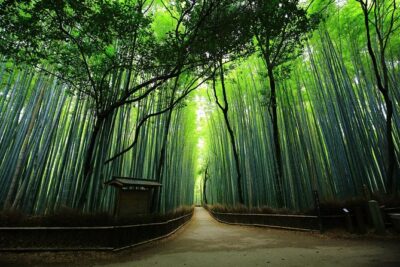
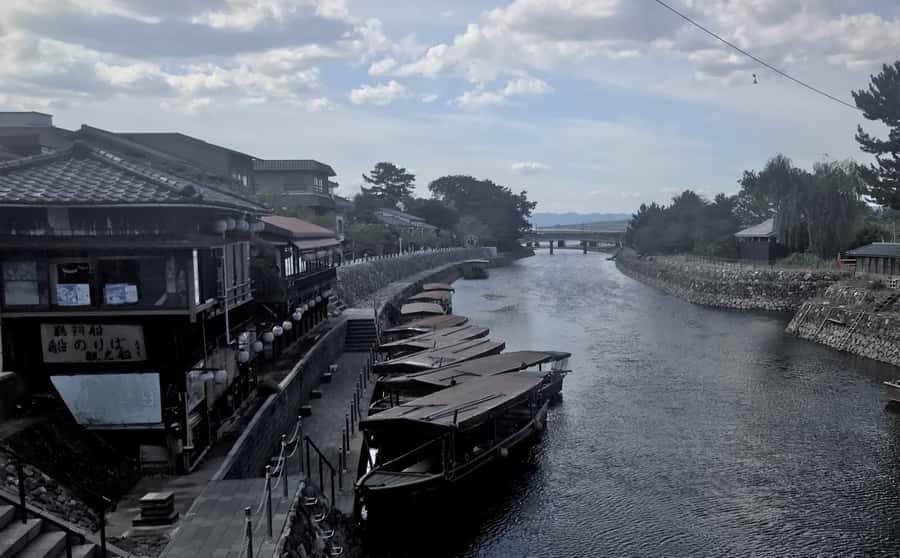
If Kyoto feels like a highlight reel, Uji is the chapter you want to linger on. It’s in the Kansai region and about a short local train ride from central Kyoto areas like Gion or Kyoto Station, roughly 30 minutes depending on your route. The payoff is a calmer Uji River walk, plus mountain views that make the day feel away from crowds.
Uji is also built around tea, not tourism theater. The culture here grew from real work: growing, processing, brewing, and sharing tea in ceremonies and daily life. That’s why this tour works better than just wandering—your guide ties each flavor step to a place and a tradition.
You can also read our reviews of more tours and experiences in Uji.


Getting there and back: Keihan Uji Station is your anchor
This tour starts at the only exit at Keihan Uji Station, and there’s an escalator that goes all the way up to ground level. That detail matters because Uji can feel slightly confusing if you arrive without a plan, especially if you’re juggling train connections.
The end point is back at the meeting spot, so you’re not stuck hunting for how to get home after temple steps and tea cups. If you’re pairing this with other Kyoto plans, this “back to start” setup makes scheduling easier.
1160 teahouse to green tea lesson: what you learn, you can taste
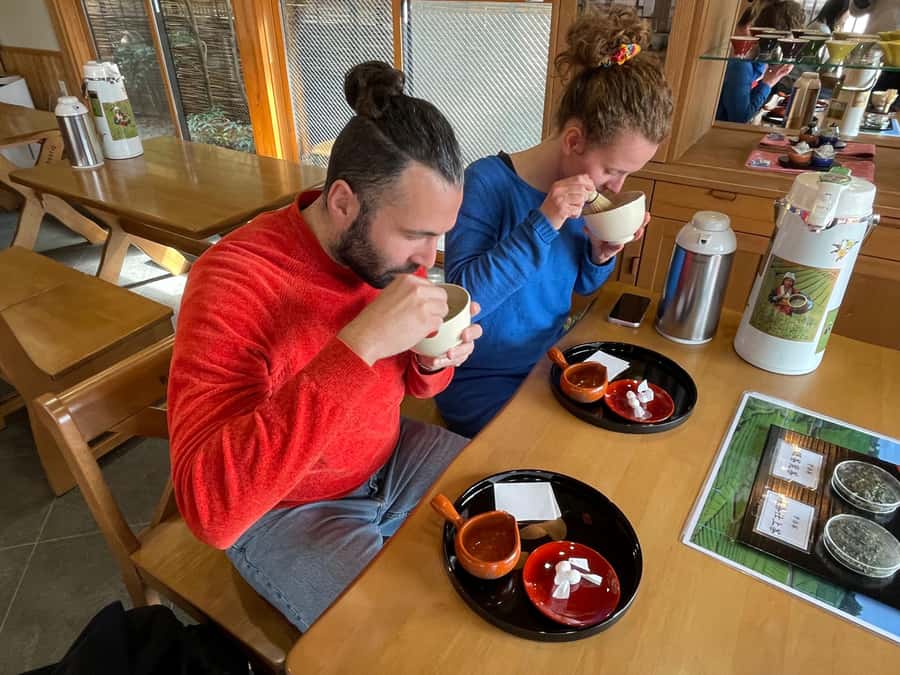
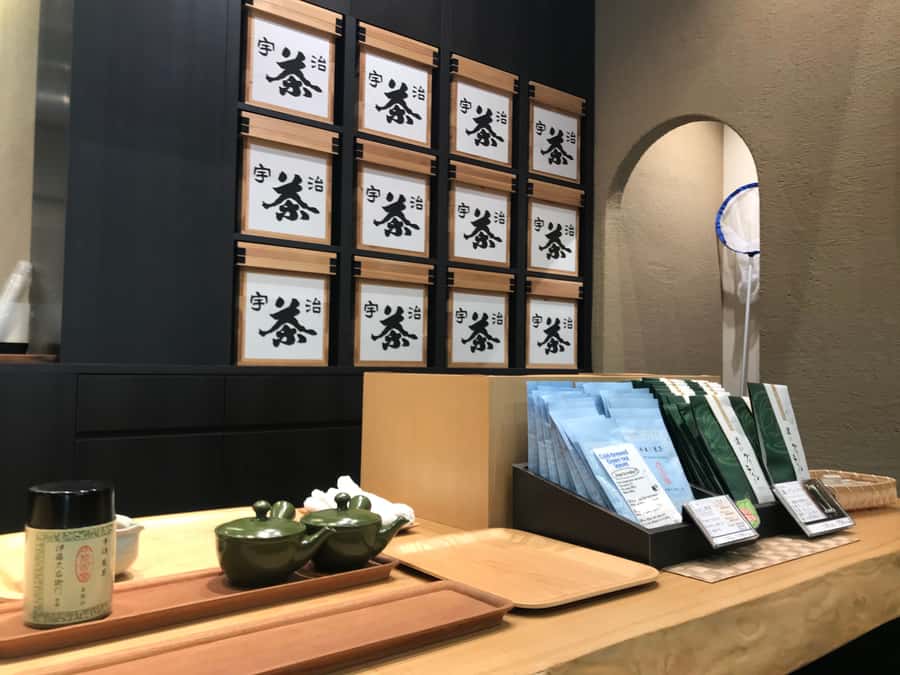
The first big moment is the long-running teahouse that’s been operating since 1160 AD. Your guide explains how a family kept the shop going through generations—because tea wasn’t only a beverage, it was tied to status, livelihood, and community.
From there, you move into a tasting experience focused on high-grade Uji green tea, including gyokuro. You’ll learn what makes it special—how it’s grown, why it tastes the way it does, and how brewing affects the flavor profile. It’s the kind of lesson that sticks because you’re tasting at each step, not just hearing theory.
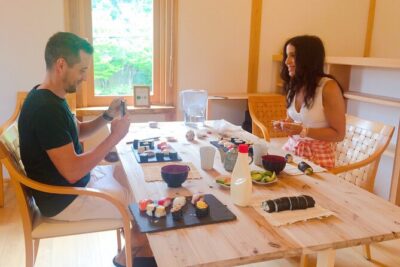
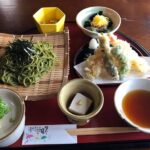
A fun and very “Uji” twist: after you’ve savored the cups, you mix the remaining tea leaves with ponzu and eat them. This isn’t for everyone, but it’s memorable and it gives you a sense of how locals waste nothing and treat tea as part of everyday food culture, not only a ritual drink.
Practical tip: take your time with each sip. The guide’s explanations make more sense when you taste first, then listen to what you just experienced.
Ujigami Shrine: Shinto purification and the tea-spring link
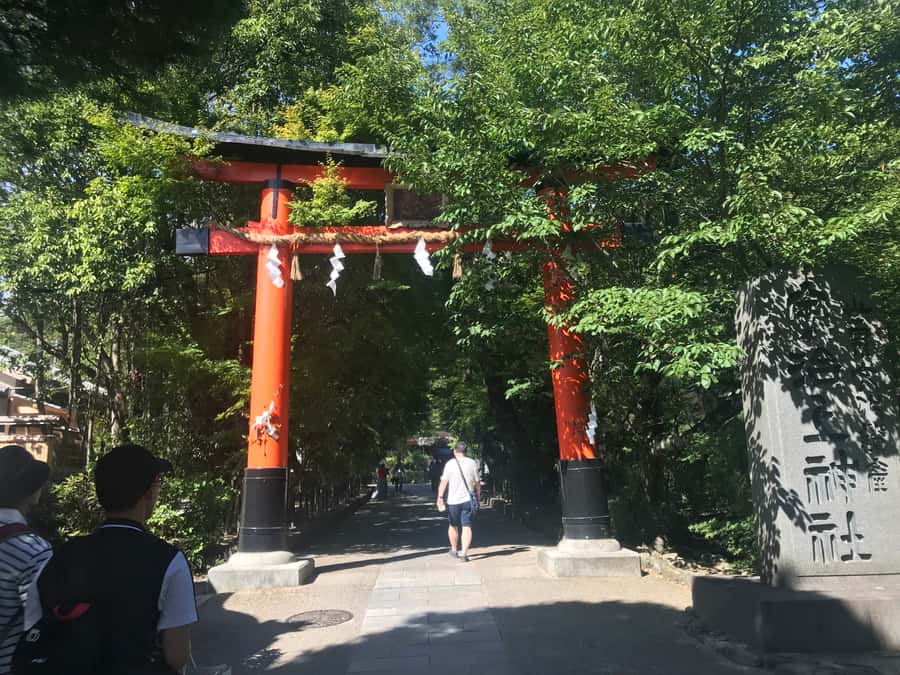
Next you head into nature and up into mountain-side atmosphere at Ujigami Shrine, described as the oldest original Shinto shrine in Japan. It also holds Uji’s guardian deities, and it’s a UNESCO World Heritage Site, so you’re not just seeing a pretty shrine—you’re seeing a site with serious significance.
This stop has one of the most tangible connections to tea culture on the whole itinerary: Ujigami Shrine has the last remaining source of natural spring water that many tea houses still collect for brewing. Your guide points this out so you understand why spring water isn’t a minor detail here. In tea, water and method can change everything.
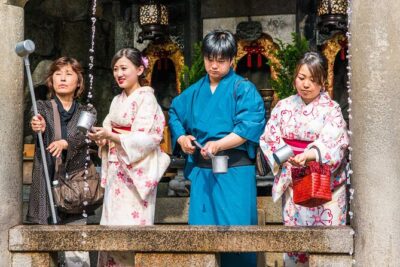
You’ll also step inside a stone grotto and purify yourself with the water. If you’re not sure how to do this, watch what your guide demonstrates and follow along. A number of guests noted that guides taught them how to do shrine and temple blessings properly, and you’ll likely use the same approach here.
What to expect physically: you’re walking in a temple setting where terrain can be uneven and steps are common. Wear comfortable shoes with grip, even if it looks like a smooth path from a distance.
Crossing the river to Byodo-in: UNESCO without the full Kyoto crush

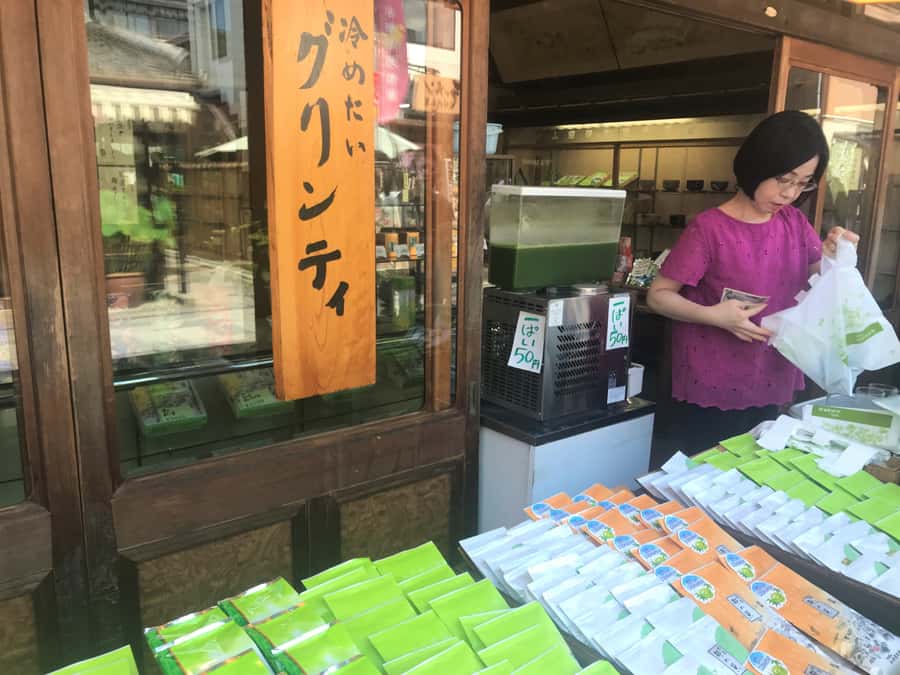
After the shrine, you cross the river and follow a pilgrimage path connected to Byodo-in. The route is lined with tea shops that go back to medieval periods, so you’re not simply passing stores—you’re walking along a historic trade and pilgrimage corridor.
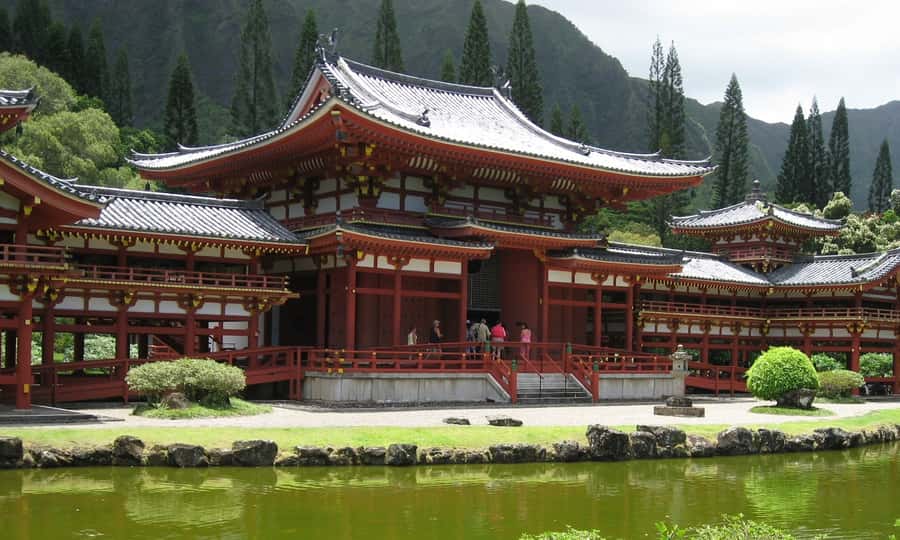
Byodo-in is one of the UNESCO anchor stops of the day. Your tour includes the entrance fees, and you’ll also visit a modern museum inside, with admission included. That museum piece is genuinely useful: it helps you understand the temple’s spirituality and art before you stare at the big icon and wonder what you’re looking at.
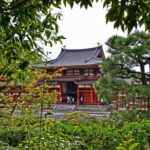
The star sight is Phoenix Hall. Your guide connects this to how samurai, religion, and the tea world all tie together in Uji. Even if you’re not a history nerd, you’ll likely feel the structure of the place: the layout, the symbolism, and the way the hall projects power and calm at the same time.
One more practical note: this is a popular area. You may still see other visitors, but the tone of the day is quieter than central Kyoto, especially with an itinerary that threads through Uji’s smaller streets and river scenery.


Koshoji Temple on the mountain: time to slow your pace
You finish with Koshoji Temple, which is known for dramatic mountain-hugging placement and a Zen-focused atmosphere. This is a nice change of rhythm after the museum and the museum crowds that sometimes gather around major icons.
The experience here is more about stillness than checklists. After a few cups of tea and a day of walking, Koshoji gives you a chance to breathe, look around, and let the temple setting settle in. Your guide can frame what you’re seeing so it’s not just scenic, but it’s still an easy stop to enjoy on your own for a few minutes.
If you’re sensitive to noise, this is a good place to take a short pause away from the river path activity.
Walking, stairs, and weather: plan for a real temple day

This tour includes stairs, and it runs rain or shine. That means your day could involve damp stone and slippery steps, so don’t go in with sandals or flexible flats that don’t grip well.
Also, this isn’t recommended for people with limited mobility, and it’s listed as not suitable for mobility impairments, back problems, and heart problems. If you fall into any of those categories, I’d treat the tour as a “no,” even if the distances look manageable on a map.
If you’re unsure, you can still judge it quickly: if you struggle with stairs for a regular temple stop, this will likely feel like too much.
Price and value: what you get for $111

At $111 per person for about four hours, the value is tied to what’s included. You’re not just buying a guide and sightseeing; the tour includes Byodo-in and Koshoji Temple entrance fees, plus a structured green tea tasting experience featuring gyokuro.
That matters because temple admissions in Japan add up, and guided context makes the experience less confusing—especially when you’re trying to understand Shinto and Buddhist customs without accidentally doing the wrong thing. It’s also a small win for time: you get a planned route through Uji that saves you from piecing everything together with transit plus ticket lines.
What’s not included is food and drink outside the tea portion. So if you want lunch, plan to grab it after the tour, or add a simple snack stop near the end of your day. The tea portion handles tasting, but it doesn’t promise a full meal.
Who this tour suits best (and who should skip it)
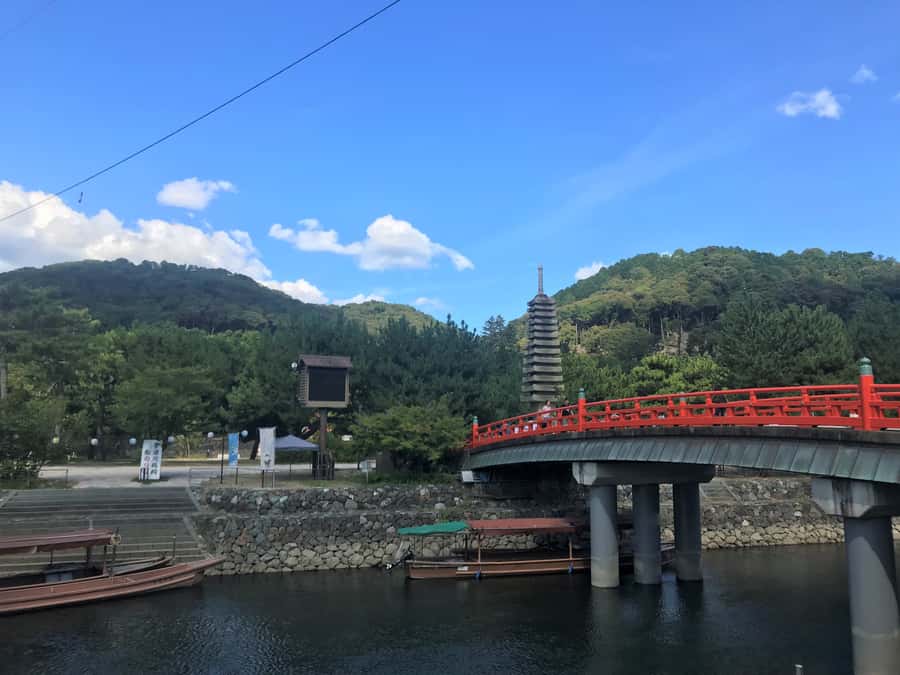
You’ll probably love this tour if you’re into tea and want context. It’s also a great fit if you want a guided way to understand Shinto-Buddhist relationships in Japan without reading a stack of books first.
It’s also a good choice for people who like UNESCO sites but don’t want the full Kyoto tourist churn. Uji’s river views and mountain scenery help the day feel slower, even while you visit major temples.
Skip it if you can’t handle stairs or uneven ground, since the tour involves temple walking and stair steps. If weather affects your mobility, also factor that in because it runs rain or shine.
Should you book the Uji Green Tea Tour with Byodo-in and Koshoji?
Book it if you want a tea-focused day that connects flavors to real places: a 1160 teahouse start, a gyokuro tasting with brewing lessons, purification at Ujigami Shrine, and major UNESCO stops at Byodo-in and Koshoji. The price feels fair when you count admissions plus the guided tea experience, and the guided customs help you enjoy temples without guessing.
Don’t book it if stairs and rough terrain are a problem for you. If walking is fine but you want to learn customs, this is one of those tours that turns a half-day into a story you’ll remember every time you taste green tea later.