REVIEW · KYOTO
Private Tea Ceremony and Sake Tasting in Kyoto Samurai House
Book on Viator →Operated by KyotoSamuraiHouse · Bookable on Viator
A samurai house that teaches quiet.
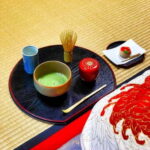
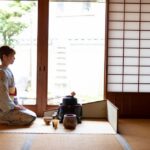
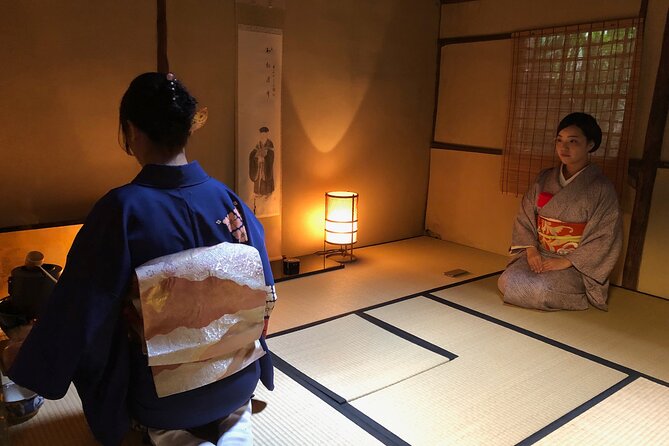
I love the private tea ceremony setting and the calm, step-by-step pace inside a 300-year-old samurai residence. And I really like that the tea itself is high-grade organic matcha from Kyoto Uji, served in a traditional tea room where you can slow down and actually pay attention.
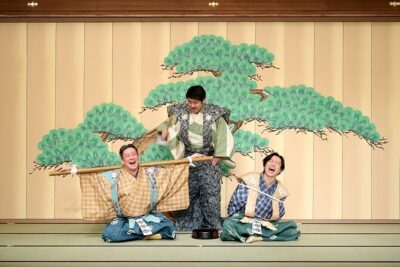
Next comes the part that makes this feel like Kyoto, not a script: after tea, you can add sake (5 shots) or Japanese whisky (2 shots), or choose a hands-on matcha making option. Then you get time for photos in a wedding kimono (for ladies) and with samurai-style props, so you leave with memories you can hold onto.
One practical heads-up: the property is old, so there’s only one old restroom on site. Plan to use it before you arrive, especially if you’re traveling with a group.
In This Review
- Key things that make this Kyoto experience worth your time
- Kyoto Samurai House: quick to reach, slow to enjoy
- Inside the 300-year-old tea room: what the 50 minutes look like
- The matcha ritual: tasting, whisking, and the small details that matter
- Sake or whisky tasting: how it works and what you should know
- Kimono and katana photos: the best way to plan the extra time
- Practical tips that make the experience feel smoother
- Price and value: why $99 can make sense here
- Who should book this (and who might want to skip it)
- Should you book the Kyoto Samurai House tea and tasting?
- FAQ
- How long does the Kyoto Samurai House tea ceremony experience take?
- Is this experience private for my group?
- Do adults choose between matcha making, sake, or whisky?
- Is alcohol served to everyone?
- Can I take photos in kimono and with a katana?
- Is there a weight limit?
Key things that make this Kyoto experience worth your time
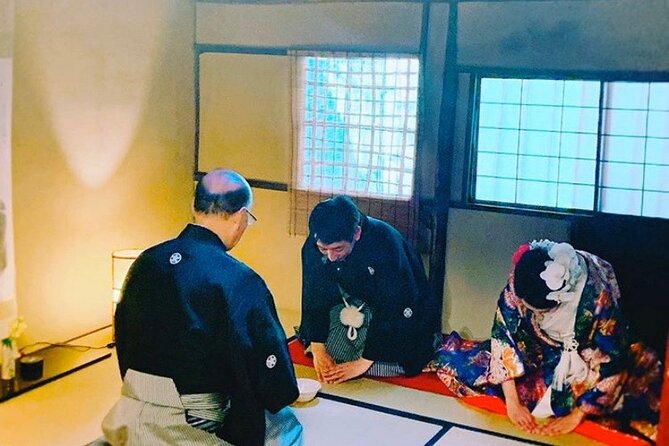
- Entire samurai house, private to your group: no crowd shuffle, no waiting for the next slot.
- Kyoto Uji organic matcha in a traditional tea room: the star ingredient is taken seriously.
- Choose your add-on for adults: make your own matcha, or do sake (5 shots), or whisky (2 shots).
- Dress-up photos with kimono and samurai-style props, with options that affect timing.
- Quiet cultural focus: tea is taught as ritual and values, not just a tasting demo.
- Easy to fit into your day: the place is about an 8-minute walk from Kyoto Station.
Kyoto Samurai House: quick to reach, slow to enjoy
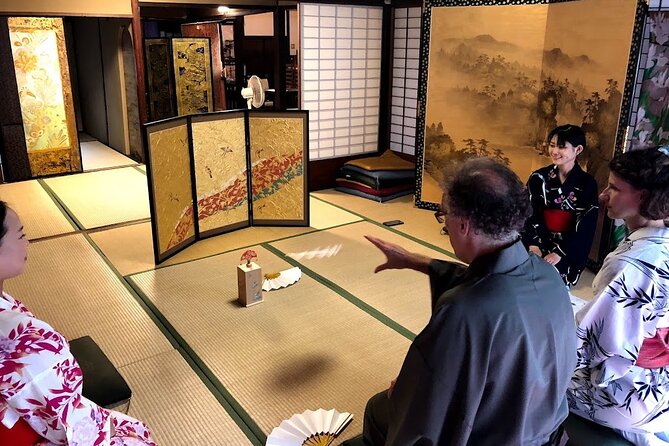
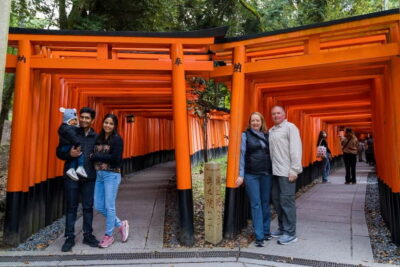
Kyoto often feels like you’re sprinting from temple to temple. This experience flips that. It’s located at Kyoto Samurai House (384 Mongakuchō, Shimogyo Ward, Kyoto), and it’s an easy 8-minute walk from Kyoto Station, so you can squeeze it into almost any day without burning half your afternoon on transit.
The setting matters. You’re not just entering a storefront or community center. You’re stepping into a family-run samurai home that’s been around for centuries, and you get access to the space in a way that feels respectful and contained. The “private” part is more than marketing: it’s what allows the ceremony to feel like ceremony, not performance.
Also, you’ll want to show up on time. The whole flow is designed for a smooth 50-minute rhythm, and the hosts keep things moving without rushing you.
You can also read our reviews of more food & drink experiences in Kyoto

Inside the 300-year-old tea room: what the 50 minutes look like
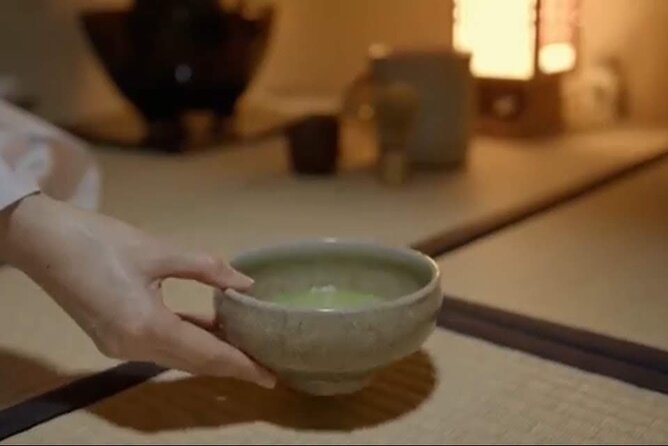
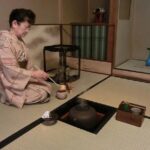
Your visit runs about 50 minutes (approx.) and follows a simple structure: welcome, tea ceremony, then your chosen add-on. Because it’s private, you can ask questions during the pauses instead of waiting your turn.
Here’s what you can expect in the tea room itself:
- A traditional tea ceremony using matcha served properly in a setting that matches the ritual.
- Explanation of how to enjoy matcha in the ceremonial way, including what you’re doing with the bowl and why each step matters.
- A guided experience that stays focused on the culture and the technique, not just the taste.
Your host(s) also encourage photos during your visit. That’s handy, because Kyoto is the kind of place where you’ll want proof you were actually there—just keep it respectful during the ceremony itself.
The matcha ritual: tasting, whisking, and the small details that matter
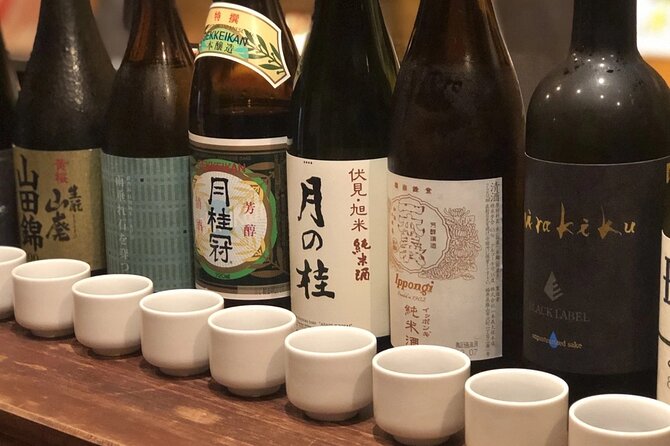
Matcha in Japan isn’t like ordering a drink with a new label. It’s closer to a small lesson in attention.
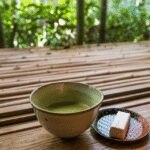
The matcha used here is organic and locally sourced from Kyoto, Uji. That’s a big deal, because Uji matcha is known for its quality, and you’ll feel the difference when the host talks you through the steps. You’ll learn how to handle the bowl and how to “read” the tea—what good matcha looks and tastes like, and how the ceremonial approach changes your experience.
For adults, there’s also a choice element. You can try making your own matcha with a bamboo whisk as your selected add-on (if you choose that option). The hands-on part is where you really start to understand the technique. The whisking isn’t just for fun; it’s how you create the proper texture and finish.
If you’re under 20, alcohol isn’t part of your visit. Instead, you’ll get a matcha whisking lesson after the tea ceremony, which keeps the focus on craft and ritual.
Sake or whisky tasting: how it works and what you should know
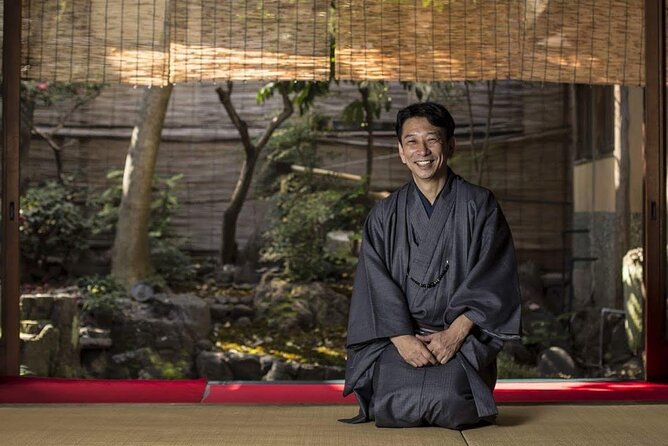
After tea, adults over 20 can choose one of these add-ons:
- Sake tasting (5 shots)
- Japanese whisky tasting (2 shots)
- Or hands-on matcha making (instead of alcohol)
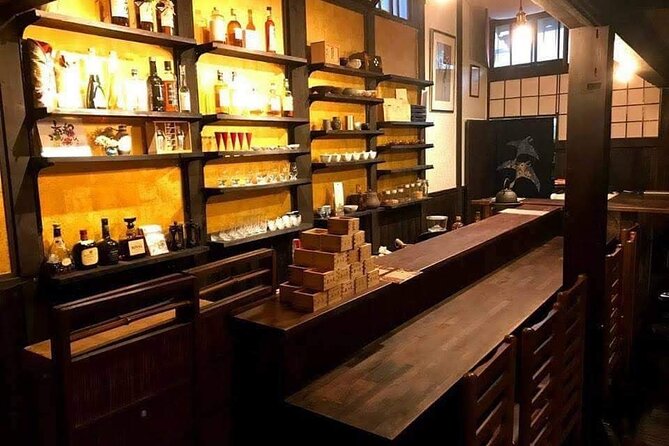
That choice matters for planning. If you want to taste alcohol, this is the cleanest setup: you get guided pours and explanations, not random samples. And because the group is private, you can ask what you’re noticing—dryness, sweetness, aroma, how each drink changes across small sips.
The tasting portion is also where the hosts shine in conversation. Many guests describe the explanations as clear and fun, especially around the differences between types of sake and how local whisky flavors come across.
One important rule: only guests over 20 are served alcohol. If you’re traveling with mixed ages, it’s still easy—under-20 guests do matcha whisking after tea instead.
Kimono and katana photos: the best way to plan the extra time
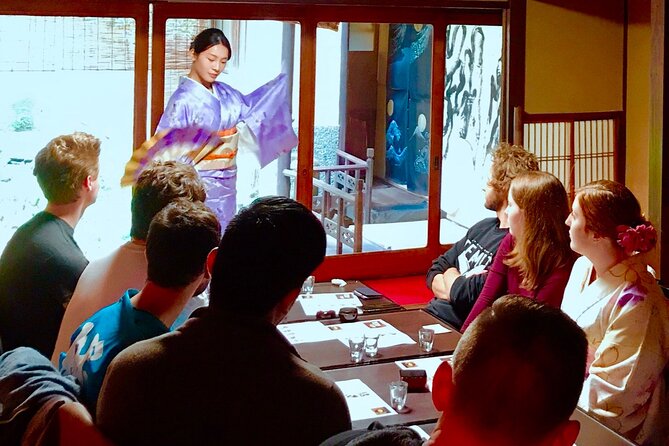
Photos are part of the draw here, but they’re also something you should handle thoughtfully. The dress-up isn’t meant to turn the tea ceremony into a costume party.
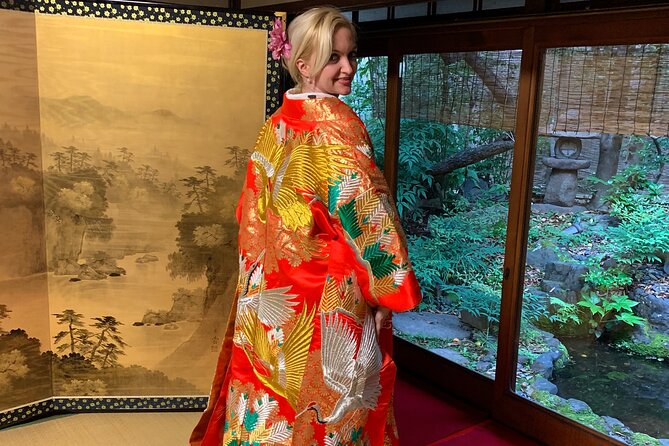
During the experience, you can take photogenic photos with samurai swords (katana) and kimono. For ladies, there’s a wedding kimono option.
Timing affects your decision:
- If you want to wear kimono during the tea ceremony, it takes extra 30 minutes and comes with an extra cost.
- It’s also limited (one group for that option).
- For other time slots, the kimono-at-ceremony option is handled differently and may be exclusive through specific booking times.
So here’s the practical way to think about it. If you want the photos but don’t want the visit to run longer, choose the standard approach and save the full kimono-while-in-ceremony add-on for when you’re sure you can enjoy the extra time.
Also: you’ll want to wear shoes you can manage. Old houses can have floors and steps that are charming but not always sneaker-friendly.
You can also read our reviews of more private tours in Kyoto



Practical tips that make the experience feel smoother
A few small things can turn this from good to great:
- Use the restroom before you go. There’s only one old toilet in the 300-year-old property. This isn’t about comfort—it’s about flow and timing.
- Don’t plan a tight connection right after. The experience ends back at the meeting point, but you’ll want breathing room afterward for photos and getting your bearings.
- Bring patience, not a stopwatch. The whole point is pacing. The ceremony feels meditative when you don’t keep checking your watch.
- Check adult vs youth options early. If you want sake or whisky, you’ll need to be over 20 and you’ll choose that as your add-on.
- Confirm your group size. This is a private activity, and it requires a minimum of 2 people to run.
And one quirky note: you’ll see guidance that this experience isn’t recommended for people over 120 kg, so if that applies to you, it’s worth taking seriously before booking.
Price and value: why $99 can make sense here
At $99 for an experience that’s about 50 minutes, the price can look “high” at first glance—especially if you’re comparing it to public tea shows.
But the value comes from three areas:
- Privacy: you and your party get the time and attention. That changes the feel of the ceremony a lot.
- A serious setting: a 300-year-old samurai residence is not the same as a modern studio. The space is part of the lesson.
- The add-on choice: for adults, you’re not just sipping. You’re choosing either hands-on matcha, or alcohol tastings with guided explanations (5 sake shots or 2 whisky shots).
If you’re the kind of person who likes one great cultural stop instead of ticking off three mediocre ones, this price starts to feel fair. If you’re chasing the lowest cost possible, you’ll find cheaper tea experiences. But you’ll also likely trade away the private calm that makes this one work.
There’s also a “take it home” angle. You can purchase matcha tea bowls (chawan) and silk kimono, so your memories don’t have to end when the photos do.
Who should book this (and who might want to skip it)
This is a strong match if you:
- want a quieter Kyoto moment away from crowds
- enjoy ritual and explanations, not just tasting
- like the idea of dressing up for photos in a respectful way
- are traveling as a couple, small group, or family with kids old enough to participate comfortably
It may not be the best fit if:
- you need lots of restroom flexibility (there’s only one old restroom)
- you’re traveling with mobility needs that make stairs or an older home difficult (and if you’re over 120 kg, it’s explicitly not recommended)
- you want a very long, sightseeing-style outing (this is about quality time, not all-day exploring)
Should you book the Kyoto Samurai House tea and tasting?
I think you should book it if your Kyoto plan includes at least one “slow down” experience. The private tea ceremony, the Uji matcha, and the chance to either make matcha or do a guided sake/whisky tasting make this feel like more than a photo stop.
If your priority is photos only, you might decide it’s too cultural. But if you want a genuine slice of Kyoto—taught in a calm voice, in an old home—this is the kind of stop you’ll remember when the rest of your itinerary starts blending together.
One last nudge: plan for timing, use the restroom first, and choose your adult add-on in advance so the flow feels effortless.
FAQ
How long does the Kyoto Samurai House tea ceremony experience take?
It runs for about 50 minutes (approx.).
Is this experience private for my group?
Yes. It’s a private tour/activity, and only your group participates.
Do adults choose between matcha making, sake, or whisky?
Yes. For guests over 20, you choose one option: making your own matcha with a bamboo whisk, a sake tasting (5 shots), or a Japanese whisky tasting (2 shots).
Is alcohol served to everyone?
No. Alcohol is only provided to guests over 20.
Can I take photos in kimono and with a katana?
Yes. You can take photos with samurai swords (katana) and kimono during the visit. If you want to wear kimono during the tea ceremony, it requires extra 30 minutes and an extra cost, and it’s limited.
Is there a weight limit?
The experience is not recommended for people weighing 120 kg or more.