REVIEW · UJI
Kyoto Matcha Green Tea Tour
Book on Viator →Operated by Arigato Japan KK · Bookable on Viator
Matcha starts in Uji, not Tokyo. This 3-hour-and-change tour takes you through Uji City, the Kyoto area known for matcha, with chances to taste different styles and watch matcha being made. You also finish with time at Byodoin Temple, a UNESCO World Heritage Site.
I especially like the way the experience mixes food and technique: you’re not just sampling tea, you’re also learning what goes into a good cup. I also like that a set lunch is included, along with matcha sweets like wagashi and matcha ice cream, so you’re not hunting for meals midway through.
One consideration: it’s not recommended for vegans and gluten-free diets. It is vegetarian friendly, so if you can work within that, you’ll likely be fine.
In This Review
- Key points at a glance
- Uji matcha: why this area matters for your cup of tea
- Price and what you actually get for $221
- Getting started: Uji Station at 11:00 and an easy finish
- Tea shops and Uji culture: browsing with context (not guesswork)
- Uji Shrine stop: tradition in walking distance
- Amagasetsuri Bridge: a quick scenic breather
- Masuda Chaho: ending on a tea-shop note
- The matcha-making moment: how the cup comes together
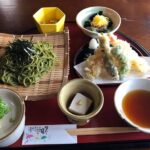
- Lunch, wagashi, and matcha ice cream: the smart way to do this day trip
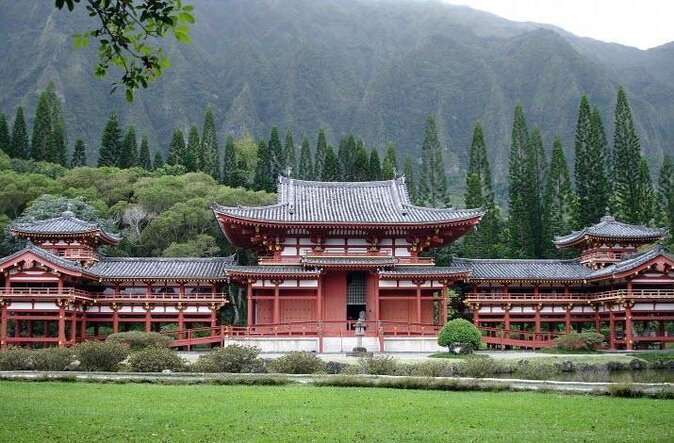
- Byodoin Temple: UNESCO without the heavy planning
- Small group, attentive guidance: what makes it feel worth it
- Who should book this Uji matcha tour (and who should reconsider)
- Weather and timing: the easy day that still depends on the sky
- Should you book the Kyoto Matcha Green Tea Tour?
- FAQ
- How long is the Kyoto Matcha Green Tea Tour?
- Where does the tour start and where does it end?
- What’s included in the tour price?
- Is Byōdo-in Temple admission included?
- How many people are in the group?
- Is this tour suitable for vegans or gluten-free diets?
- Is it family-friendly?
- What is the cancellation policy?
Key points at a glance
- Uji tea-shop time with a guide: browse local shops and get help translating what you see and taste
- Matcha making demonstration and tasting: watch the process and then sample the results
- Included set lunch plus sweets: wagashi and matcha ice cream are part of the experience
- UNESCO Byodoin Temple visit: a historic stop without needing to plan it yourself
- Small group size (max 10 people): better pace and more attention as you move between spots
Uji matcha: why this area matters for your cup of tea
Uji is where Kyoto’s matcha reputation gets real. This isn’t a tea lesson that happens in a classroom. It’s tea culture on its home turf: you’ll move through Uji’s tea shops and nearby sights, then end up where matcha fans like to slow down with a cup.
What I like about the way this tour is structured is that it treats matcha like a craft, not a souvenir. You get tastings, then a matcha-making moment that connects the powder you buy with the cup you drink. That kind of sequence makes your shopping choices smarter afterward.
Also, the itinerary has a nice rhythm. You start in the town area (Uji), walk through a few scenic, traditional-feeling spots, then cap it with a major temple landmark. That pacing matters because Uji is compact, but it still rewards walking and taking breaks.
You can also read our reviews of more tours and experiences in Uji.
Price and what you actually get for $221
At $221 per person, the price is not cheap. But when you break it down, it includes a lot of the stuff that usually costs extra when you plan on your own.
Here’s what’s included in the experience:
- matcha tasting
- lunch in a restaurant
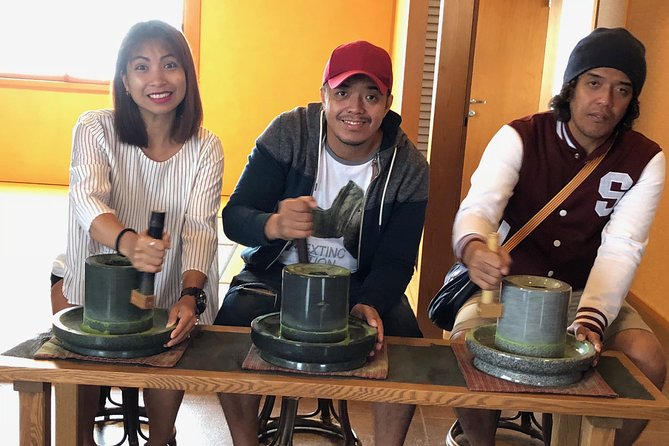
- matcha making
- wagashi sweets
- matcha ice cream
- shopping time
That package is the main reason I think it can be good value. Many tea tours either focus on shopping or focus only on tasting, and you’re still left to figure out lunch. Here, you’re fed as part of the program. You’re also getting multiple matcha-related touches (tasting, making, sweets), which means you’re not just paying to passively watch.
One more value point: the group is limited to a maximum of 10 people. In a small group, you’re more likely to get clearer explanations when you ask questions about tea styles, quality, or what’s different from one cup to the next.
Getting started: Uji Station at 11:00 and an easy finish
The tour starts at 11:00 am at Uji Station (Otsukata Uji, Kyoto). It ends at Byōdo-in Temple (Renge-116 Uji, Kyoto), with time around the shopping streets in the Byodoin area.
This matters for planning your day. Uji is usually visited on a half-day or day-trip schedule, and starting at a set time helps you avoid “stand around and decide” stress. Since there’s near public transportation access and you don’t need to rely on hotel pickup, you can keep your own travel logistics simple.
You should also know this is a walk-around kind of tour. The route includes stops like a wooden suspension bridge and temple grounds, and the tour requests moderate physical fitness. Nothing sounds extreme, but comfy shoes are a smart move.
Tea shops and Uji culture: browsing with context (not guesswork)
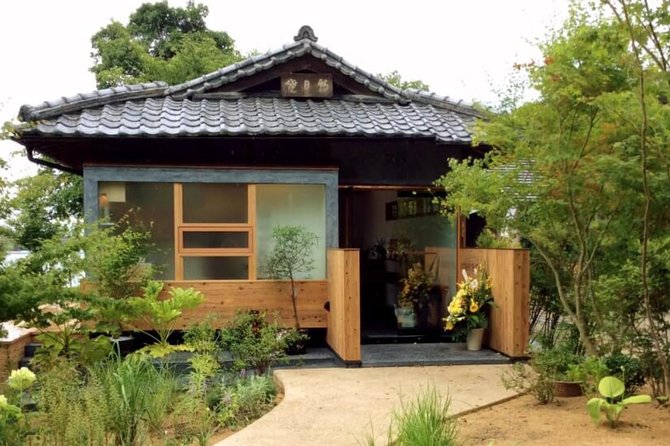
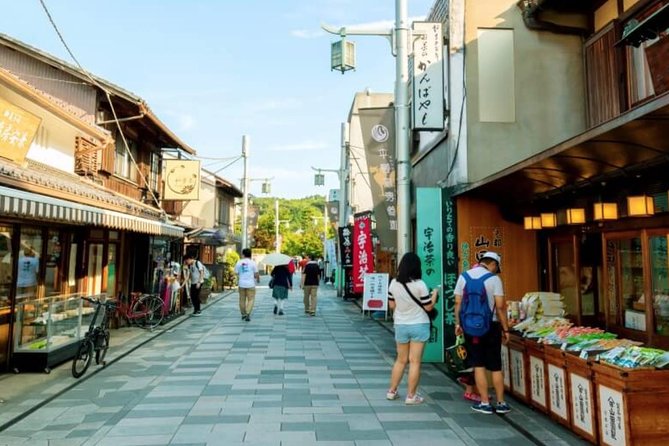
Your first big block is in Uji—its tea-shop world and surrounding sights. The idea is that you see matcha from multiple angles: where it’s sold, how it’s presented, and how local businesses connect tea to everyday life.
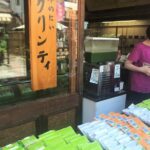
You’ll also have a chance to browse local shops for souvenirs unique to the area. That’s exactly where a guide helps. Matcha products can look similar to an outsider, but the differences in grind, quality level, and intended use can be meaningful. Having translation support makes your purchases feel intentional rather than random.
Uji Shrine stop: tradition in walking distance
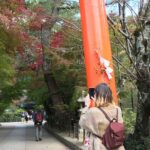
One of the stops along the way includes Uji Shrine, a historic Shinto shrine. The tour pairs it with the idea that you might see the neighboring Ujigami Shrine area as part of the same cultural corridor (often visited together). Even if you don’t know the meaning of every detail, the setting helps you understand how deeply tea culture ties into place and routine.
What to watch for: the mood shift. Uji isn’t only about tasting. It’s also about taking a slow moment in a sacred space before you head back to shops and food.


Amagasetsuri Bridge: a quick scenic breather
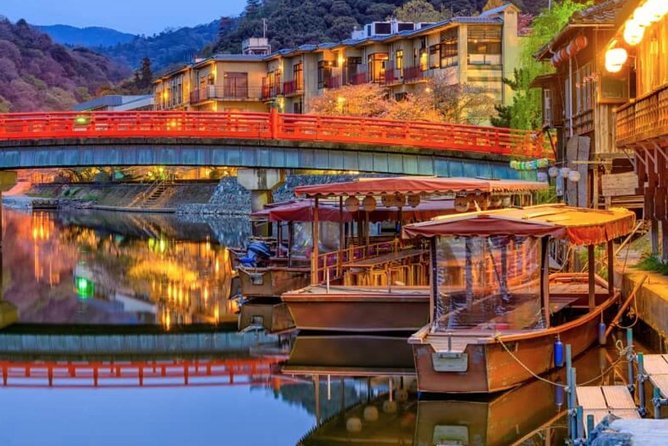
You’ll also pass Amagasetsuri Bridge, described as a scenic wooden suspension bridge. It crosses with views toward the Uji River and nearby tea shops.
This stop is brief, but it’s useful. It gives you a reset between tea tasting and the more structured parts of the experience. It also helps you orient yourself in the town—so the rest of the walk feels more like moving through neighborhoods than following a rigid checklist.
Masuda Chaho: ending on a tea-shop note
Near the end of the Uji portion, you reach Masuda Chaho, a well-known tea shop where you can unwind with premium Uji matcha or hojicha.
Even if you’re already committed to matcha, hojicha is an important contrast. Hojicha is roasted and typically feels different in aroma and flavor than the bright, grassy profile people associate with matcha. That kind of contrast can make your final tastings feel more meaningful, because you’re comparing—not just repeating.
The matcha-making moment: how the cup comes together
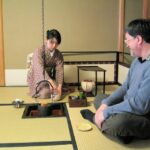
A highlight here is watching matcha being made, then tasting what the process produces. This is the part where the tour stops being “just nice tea” and becomes practical.
You’ll see matcha making as a step-by-step ritual: the idea is that the powder isn’t just poured. It’s prepared to create texture and balance in the cup. Even without getting too technical, it helps you understand why people obsess over tools, temperature, and technique.
Practical tip for your brain: during the demonstration, pay attention to what changes as the tea is prepared. That’s what will later help you choose better tea when you’re back home. You’ll be able to ask smarter questions like which matcha is meant for drinking straight versus using in sweets, and why some tastes feel smoother or more mellow.
And then you taste. That’s the real payoff—because you’re not leaving the learning moment behind. Your tasting follows your observation, so you can connect cause and effect fast.
Lunch, wagashi, and matcha ice cream: the smart way to do this day trip
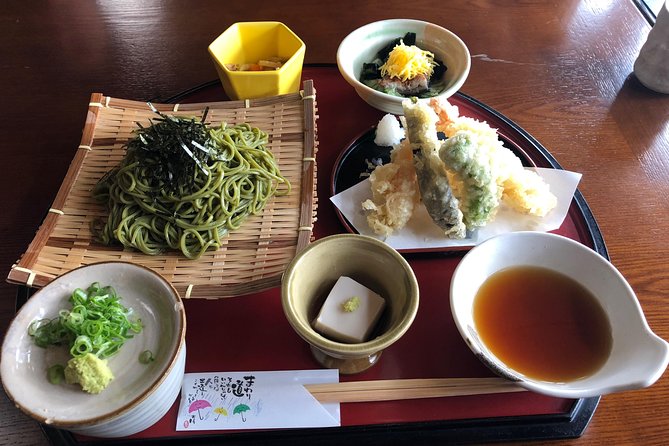
One of the most practical parts of this tour is that you don’t need to bring food. You get lunch in a restaurant as part of the program, then you continue into sweets that keep the matcha theme consistent.
You’ll have:
- lunch included
- wagashi sweets included
- matcha ice cream included
This is a big deal on a travel day. Uji can be easy to overplan, and tea experiences can drag if you’re hungry or waiting for food after tastings. Here, lunch and sweets are built in, so you keep energy stable from tea shop time through temple time.
Also, wagashi matters because it shows how matcha isn’t only a drink. It’s paired with Japanese sweets in ways that balance sweetness, bitterness, and texture. Even if you’re new to wagashi, the inclusion here helps you understand why matcha often feels more harmonious alongside traditional desserts than alongside Western-style snacks.
If you’re sensitive to strong flavors, start slow during tastings. Matcha can be intense, and sweets can either soften it or highlight its roast-to-grass balance.
Byodoin Temple: UNESCO without the heavy planning
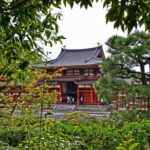
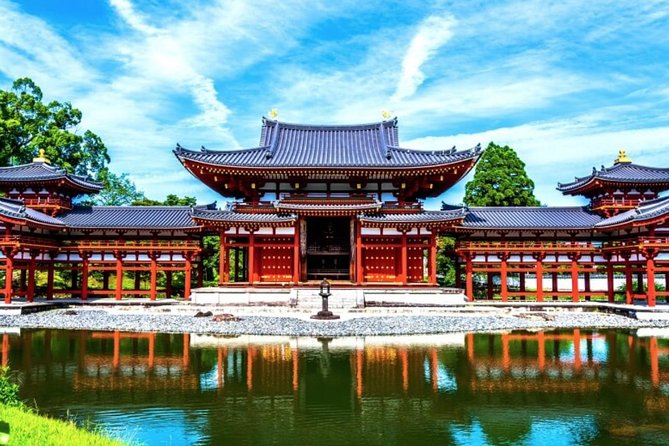
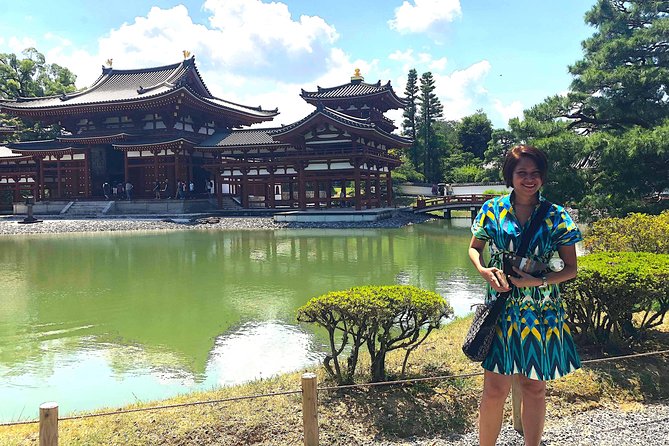
You finish with Byōdo-in Temple, listed as a World Heritage site, with admission ticket information showing free. The temple stop is brief in the schedule, but it’s positioned as a capstone.
A short temple visit can be a win if you’re doing Uji as part of a longer Kyoto itinerary. It means you’re not sacrificing the tea-focused parts of the day to chase a full-length cultural program. You still get the big landmark payoff, and then you’re released into the nearby shopping streets.
If you want to make the most of it, use your time for two things:
- Take a slow look for architectural details and atmosphere
- Step aside when crowds form, if any, so you can actually see rather than just pass through
Small group, attentive guidance: what makes it feel worth it
This tour caps at 10 people, and the tone from the experience profile is clear: the goal is warm, careful guidance. The description and high satisfaction emphasize hospitality and attention to detail—exactly what you want on a food-and-tea day where language can be a barrier.
You’re also dealing with a theme that can be confusing. Matcha isn’t just one thing. There are styles, grades, and ways to enjoy it. A good guide helps you avoid common mistakes like buying something that looks right but isn’t suited for your preferred drinking style.
Also, because there’s shopping time, you’ll benefit from knowing what to ask for. Even a few translation moments can save you from uncertainty and help you choose teas you’ll actually use after your trip.
Who should book this Uji matcha tour (and who should reconsider)
This is a strong fit if you:
- love tea and want more than surface-level tasting
- want to learn how matcha is crafted, not just where to buy it
- like a structured morning that still includes walking and shop time
- appreciate pairing tea with Japanese sweets and a set meal
It’s a less ideal fit if you:
- need vegan or gluten-free options (it’s not recommended for those needs)
- expect an all-access experience with no walking (the route includes a bridge and temple area, and it asks for moderate fitness)
Family context is also worth noting. It’s described as family-friendly, but children must be accompanied by an adult, and there’s a note that passport info is required for kids age 10 and above. The tour also lists a minimum drinking age of 21 years, which suggests some beverages may be subject to age rules.
Weather and timing: the easy day that still depends on the sky
This experience is described as requiring good weather. If poor weather cancels it, you’ll be offered another date or a full refund. It’s also helpful to know the average booking window is about 47 days in advance, so popular dates can move faster than you might expect for a 3-hour tour.
If you’re planning Uji on a Kyoto schedule with temples and train connections, try to keep your evening flexible. That way, if weather changes the itinerary, you have room to adjust.
Should you book the Kyoto Matcha Green Tea Tour?
I’d book this if you want a matcha-focused day that feels guided and practical: tea shops in Uji, a matcha-making moment, and a built-in meal with wagashi and matcha ice cream, then a stop at Byōdo-in Temple to wrap it up.
I’d think twice if you’re vegan or gluten-free, since the experience is not recommended for those dietary needs. And if you dislike walking or want hotel pickup, this format may feel a bit too independent, since it lists no hotel pickup/drop-off and transport costs are not included.
If you’re a fan of Japan’s food-and-craft culture, this tour is one of those rare short experiences that teaches and feeds you in the same block—without making you plan every detail.
FAQ
How long is the Kyoto Matcha Green Tea Tour?
It runs about 3 hours 15 minutes.
Where does the tour start and where does it end?
It starts at Uji Station (Otsukata Uji, Kyoto) and ends at Byōdo-in Temple (Renge-116 Uji, Kyoto), with shopping streets in the Byodoin area as the finish point.
What’s included in the tour price?
Matcha tasting, lunch in a restaurant, matcha making, wagashi sweets, and matcha ice cream, plus shopping time.
Is Byōdo-in Temple admission included?
Yes. The temple stop lists admission ticket free.
How many people are in the group?
The tour has a maximum of 10 people.
Is this tour suitable for vegans or gluten-free diets?
It is not recommended for vegans and gluten-free needs. It is vegetarian friendly.
Is it family-friendly?
Yes, it’s described as family-friendly. Children must be accompanied by an adult, and passport information is required for kids 10 and above.
What is the cancellation policy?
You can cancel for free up to 24 hours in advance for a full refund. The experience also depends on good weather, with an option for a different date or a full refund if canceled due to poor weather.