REVIEW · UJI
Utilising upcycled Matcha! Creating matcha incense (Uji, Kyoto)
Book on Viator →Operated by INCENSE KITCHEN · Bookable on Viator
Green tea, turned into incense you can reuse.
In Uji, Kyoto at Eshin-in, you’ll make matcha incense using matcha that would otherwise be thrown away, and you’ll leave with a scent story you can actually show off. I love that it’s hands-on (moulds in your hands), and I love the calm temple setting while you work. One heads-up: the instructor speaks Japanese, so plan on an interpreter if you need English.
I also like how the experience is built around the actual materials. You make 6–7 pieces of incense using fresh Uji matcha, and the workshop focuses on how to warm them so you get aroma without the usual “smoky stick” situation. Add in a kind, patient instructor vibe, plus a beautiful garden and river views, and it feels like a slower, more thoughtful hour than most Kyoto activities.
The main downside is timing and language. The session starts promptly, so you’ll want to arrive early and not run late, and without an interpreter you may feel a bit on the outside of the explanation.
In This Review
- Key things to know before you go
- Why Uji’s matcha incense is different from the usual smoke-sticks
- Eshin-in temple: garden flowers and Byodoin views while you work
- Your 60-minute hands-on: instructions first, then 6–7 moulded pieces
- Wooden mould matcha: edible-sweet shapes and aroma stones you can reuse
- What you actually get: souvenirs, discounts, and a smart value check
- Who this suits best (and who might bounce off it)
- Planning your day in Uji: timing, walking, and the temple experience
- Should you book this matcha incense workshop?
- FAQ
- What do I make in the workshop?
- How does the incense work—do I get smoke?
- Where is the workshop held?
- How long does the workshop take?
- What language is the instruction?
- What’s included in the price?
- Who can participate, and is there a group size limit?
Key things to know before you go
- Smoke-free style incense: warmed to release aroma instead of heavy smoke.
- Matcha from waste: tea collected from machine crevices gets reused as incense (fresh matcha ordered for the rest).
- Wooden mould method: you’ll learn how the moulds shape the pieces.
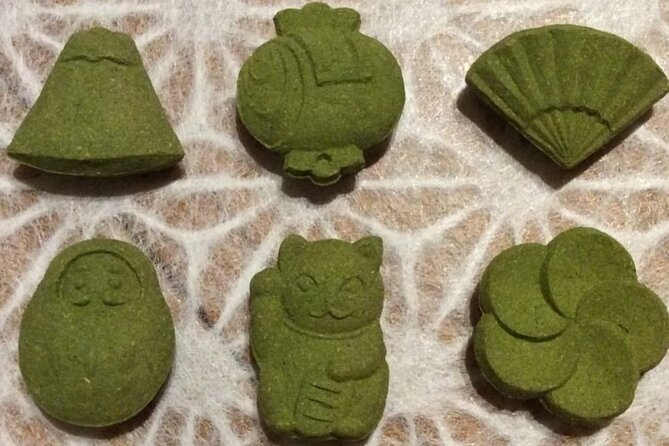
- Sweets-like shapes: the look is part of the souvenir, not just the scent.
- Reuse after fragrance: the shapes remain after the aroma fades for later use.
- Temple setting: Eshin-in garden views and a look across to Byodoin Temple.
Why Uji’s matcha incense is different from the usual smoke-sticks
This workshop isn’t about lighting a traditional incense stick and calling it done. The matcha incense here is designed to be warmed so the aroma of tea fills the air. The big practical win is that you don’t have to worry about the typical smoke-health headache that some people associate with incense.
What makes it feel extra meaningful is the ingredient story. The incense uses matcha that comes from what accumulates in the crevices of a machine and has to be discarded. That discarded matcha is then used for the incense, while fresh Uji matcha is ordered for the parts that need to stay clean and fresh for drinking.
And yes, it smells like matcha in a way that feels more delicate than “perfume incense.” You’re learning a method tied to the material itself, not just following a generic craft step.
You can also read our reviews of more tours and experiences in Uji.
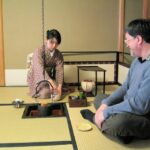

Eshin-in temple: garden flowers and Byodoin views while you work
The workshop takes place at Eshin-in Temple, in the heart of Uji’s tourist area. You’re about a 5-minute walk from Uji Bridge, so you can combine this with a casual tea-and-temple stroll without feeling like you’re commuting across Kyoto.
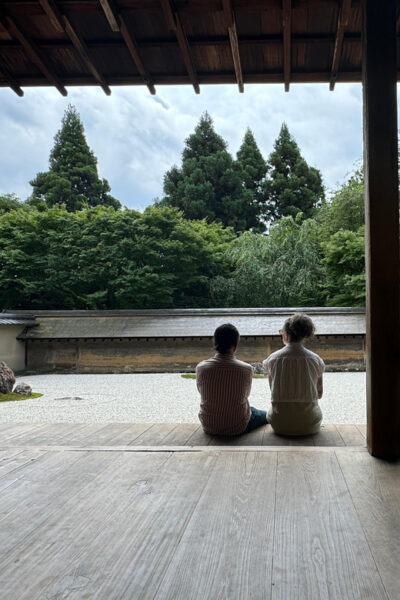
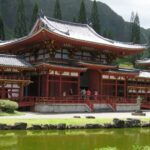
Inside the temple grounds, the experience is softened by the environment. The garden has seasonal flowers carefully tended by the abbot, and the view looks across the Uji River toward Byodoin Temple. It’s the kind of backdrop that makes a short workshop feel relaxing rather than rushed.
Also, the craft itself matches the vibe. The raw material has a soft, clay-like feel, which makes the process calming as your hands press moulds and shape the pieces.
Your 60-minute hands-on: instructions first, then 6–7 moulded pieces
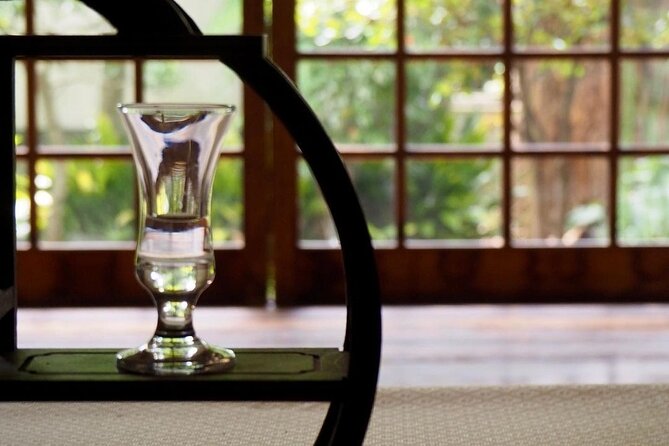
The session runs about 1 hour total. It breaks down into a 15-minute introduction and then about 45 minutes of making your incense.
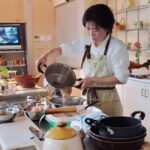
First you’ll get an explanation of how this unique matcha incense is made using wooden moulds, plus how to warm/burn it afterward. Then you’ll move into the practical part: making enough pieces for a satisfying take-home set—6–7 pieces is the goal.
This is a small group experience, with a maximum of 8 people, which matters. With a low headcount, you’re more likely to get patient, clear guidance as you mould and as you figure out the finishing steps.
You should also plan around punctuality. The session starts exactly at the scheduled time, and you’re asked to arrive 5 minutes early so you don’t keep others waiting.
Wooden mould matcha: edible-sweet shapes and aroma stones you can reuse
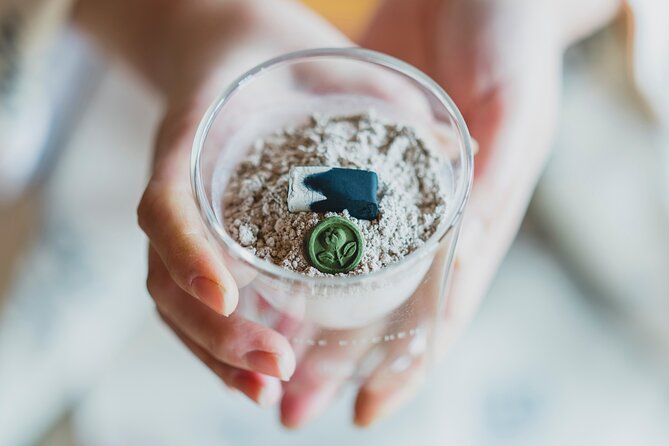
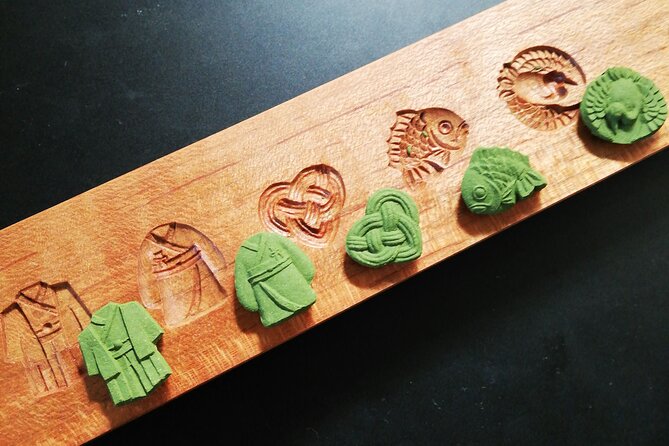
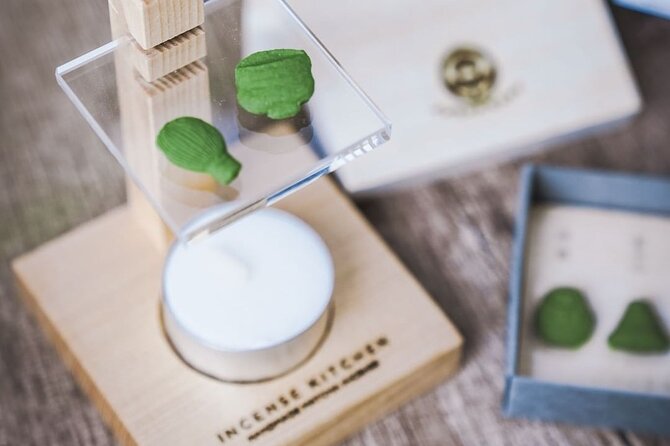
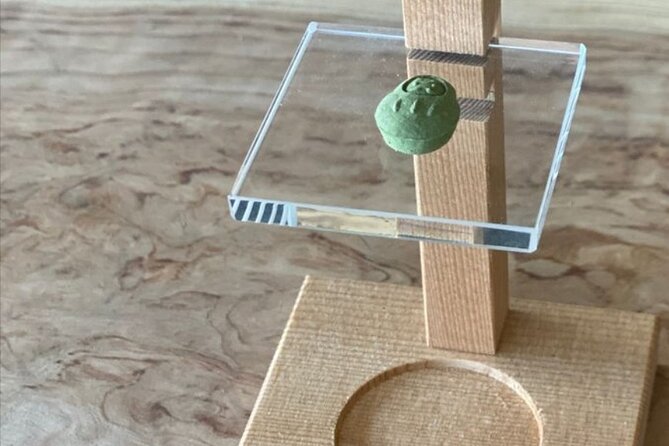
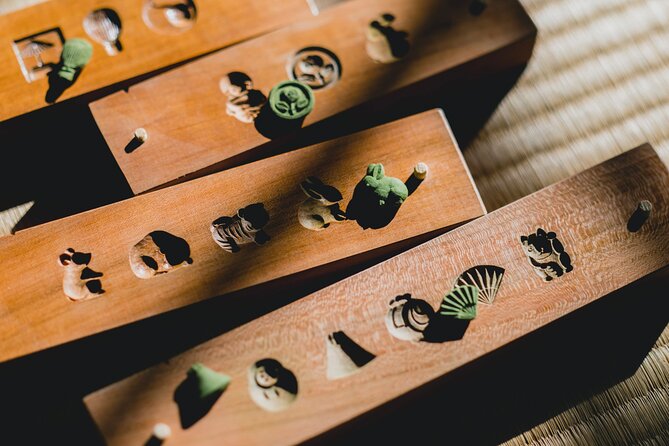
One of the coolest details is how the finished incense looks. The incense takes on the shape of edible sweets, so it doesn’t feel like a random craft blob. Even after the aroma fades, the beautiful shape remains, which means you can use it repeatedly as an aroma stone.
During the workshop, you’ll learn the method behind those shapes. The whole point of the experience is that it’s matcha incense made from wooden moulds, not just matcha powder pressed into any old form. You’ll also likely work with mould themes that change by season—spring and summer motifs have been used in the workshop.
When it’s time to activate the aroma at home, the concept is simple: you warm the piece to release scent. The workshop teaches you how to do it, so you’re not guessing afterward.
And the “soft clay” texture is more than a fun detail. It makes the activity feel hands-on and soothing—less frantic craft, more slow, focused shaping.
What you actually get: souvenirs, discounts, and a smart value check
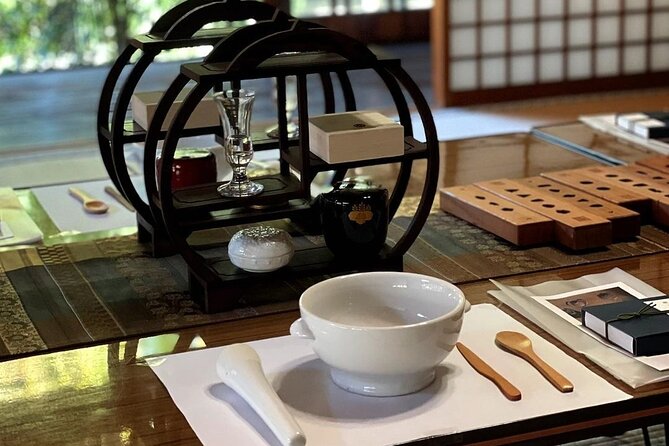
At $55.38 per person, this isn’t a bargain craft workshop. But you’re not just paying for a small sample either. The value comes from the quantity and the temple-to-souvenir experience.
Here’s what’s included:
- You take home the 6–7 matcha incense you create.
- Your group gets a special gift box containing 5 additional incense pieces.
- You also receive discount tickets to the Uji Municipal Tea House and the Tale of Genji Museum.
- One parking space is free per group (if you’re driving).
- All fees and taxes are included in the listed price.
That gift box detail is big for value. Even if you make a few pieces yourself, you’re leaving with more than a single personal keepsake set. It’s the kind of souvenir you can share or keep for later without feeling like you used up everything in one day.
Do factor in the one potential cost add-on: if you need English interpretation, the instructor speaks only Japanese. You can request English at booking, but there’s an on-site fee of ¥8,800 per group paid on the day. If you’re comfortable with basic words and gestures, you might not need it—but if you want the full explanation, budget for it.

Who this suits best (and who might bounce off it)
This workshop fits best if you like calm, tactile activities and you enjoy tea-adjacent crafts. The process is hands-on but not intense, and the finished pieces are both practical (aroma) and display-worthy (the sweet-like shape).
It also makes sense for mixed-age groups. The experience states most travelers can participate, and it accepts children under 14 when they attend with adults. One family-friendly angle is that moulding is something kids can help with, while adults can focus on getting the shaping right and learning the warming method.
Where you might pause: if you want a high-volume sightseeing day, this hour can feel a bit like a “single-focused stop.” It’s meant to be relaxing and immersive in a small way—if you’re the type who hates sitting still for any reason, you may feel the time more.
The language factor is the other real consideration. If you don’t choose English interpretation and you need explanations in your own language, you’ll still make incense—but the story behind the process may be harder to follow.
Planning your day in Uji: timing, walking, and the temple experience
Because the session begins promptly, I’d plan your arrival so you’re not cutting it close. Aim to be at Eshin-in about 5 minutes early, then take a quick moment to look around the grounds before you start.
The location is very workable. You’re near public transportation, and if you’re driving you get one free parking space; if that lot is full, you’ll use nearby paid parking.
One practical tip: this workshop is held at the temple itself. If you navigate with generic directions, it’s easy to confuse the temple venue with an office location. Use the exact address for Eshin-in Temple (Yamada-67, Uji) and you’ll save yourself stress.
If you’re pairing this with other Uji sights, keep your schedule flexible. Uji is at its best when you slow down a little, and the temple views across the river make it worth building in a little breathing room before or after your workshop.
Should you book this matcha incense workshop?
Book it if you want a Kyoto souvenir with real craft behind it: matcha incense made from wooden moulds, created from tea that would otherwise be discarded, and designed to be warmed for aroma rather than smoked like a typical stick. You’ll get a satisfying take-home set plus a gift box, and the temple setting makes the hour feel special even if you’re not a hardcore “craft person.”
I’d skip it if you need everything explained in English and you don’t want to add the interpreter fee. Also skip if you’re looking for a fast, high-energy activity.
If you do book, choose English interpretation if language matters to you, arrive early, and treat the hour like a reset. The combination of soothing hands-on work and the view across to Byodoin is exactly the kind of small, authentic Uji moment that’s hard to fake anywhere else.
FAQ
What do I make in the workshop?
You’ll make 6–7 pieces of matcha incense, and you take the pieces home at the end.
How does the incense work—do I get smoke?
The incense is warmed to release aroma of tea. This approach avoids the typical health worries associated with smoky incense.
Where is the workshop held?
It’s held at Eshin-in Temple in Uji, Kyoto, a 5-minute walk from Uji Bridge. The session starts and ends back at the meeting point.
How long does the workshop take?
It’s about 1 hour total, with roughly 15 minutes for introduction and explanation, and about 45 minutes to make the incense.
What language is the instruction?
The instructor speaks Japanese. If you select English at booking, an interpreter can be arranged with an on-site fee of ¥8,800 per group.
What’s included in the price?
The price includes all fees and taxes, your incense pieces, a gift box of matcha incense (5 pieces) for each group booking, and discount tickets to the Uji Municipal Tea House and the Tale of Genji Museum.
Who can participate, and is there a group size limit?
The experience is for ages 15+ for the per-person rate, but children under 14 can join with adults. The group size is limited to a maximum of 8 travelers.