Kyoto can feel like a maze of shrines and streets. This tour turns that chaos into a plan that fits you, with a private local host and a day that can shift as you walk.
I love the way it blends big-name Kyoto with lesser-known stops—so you see the essentials without spending the whole day following the same crowd. I also like the setup that starts with a questionnaire, so you are not just getting a script, you are getting a route shaped around your interests.
One thing to consider: it is mostly on foot, so you’ll want comfortable shoes and a bit of walking stamina. Between sites, you might use public transport or a taxi at an extra cost, depending on what your host recommends.
In This Review
- Key things to know before you go
- A private, unscripted walking day in Kyoto
- How your local host builds your route (and keeps it flexible)
- Sanjo-Ohashi Bridge: crossing into a Kyoto story
- Machiya alleys and teahouse atmosphere in Kyoto’s east side
- A Shinto shrine stop: lanterns, rituals, and side paths
- A public garden break that feels like a local pause
- Cobblestone alleys, ryokan, and quiet old-world charm
- Pickup, transfers, and the walking reality
- Price and value: $251.52 for a 7-hour private host
- What you can expect on the day of the tour
- Who this tour suits best
- Should you book this Kyoto private 7-hour tour?
- FAQ
- How long is the Kyoto Private 7-Hour Hidden Gems Tour with a Local – Unscripted?
- Is this tour private or group-based?
- Is hotel pickup included?
- Where does the tour start?
- Is the tour mostly walking?
- Will I need to pay extra for transportation between stops?
- Are food and attraction tickets included?
- What do you get before the tour starts?
- Can I choose when the tour starts?
- What is the cancellation policy?
Key things to know before you go
- Private by design: it is only your group, so your pace stays yours
- Tailor-made route: your host builds the day from your questionnaire and preferences
- Walking-first experience: expect Kyoto streets, alleys, and short transfers if needed
- Major landmarks plus quieter corners: you get both the icons and the calm
- Direct communication with your host: you can adjust your plan as the day unfolds
- English-speaking guide experience: Masaya’s fluent English is specifically called out in the reviews
A private, unscripted walking day in Kyoto
Kyoto rewards slow attention. This tour leans into that with a private format where you are not fighting for a spot in a crowd or sticking to a rigid order.
You start with a pre-tour questionnaire about what you like: history, food, culture, photo stops, or simply places that feel calm and old. Then your host uses that to shape the route, so the day feels less like sightseeing and more like you are walking with someone who actually lives the rhythms of the city.
You can also read our reviews of more private tours in Kyoto


How your local host builds your route (and keeps it flexible)
The biggest value here is that you get a conversation before you even meet. You share must-sees, preferences, and personality cues, and your host reaches out to craft a plan that matches your style.
That matters because Kyoto is not one-size-fits-all. If you want atmosphere, your host can lean toward quiet neighborhood streets and garden time. If you want landmarks, you still get them, but you should see them with context instead of just checklists.
Flexibility is built in. As you go, your host can adjust the order or timing based on what you enjoy most in the moment—weather, how long a stop takes, or what you want to linger on.
In the reviews, Masaya is singled out for doing exactly that: making the 7-hour tour feel special, communicating in strong English, and tailoring the day with practical advice.
Sanjo-Ohashi Bridge: crossing into a Kyoto story
A very likely early stop is the historic crossing over the Kamo River and the symbolic entry into Kyoto’s cultural east side. The meeting point is at Starbucks Coffee Kyoto Sanjo-ohashi Bridge, which makes this part of the day easy to start without stress.
What you gain from this stop is more than a photo spot. Your host can explain the bridge’s role in travel during the Edo period and how it connects to the old Tokaido Road—the main artery that once helped shape where people moved and how cities developed.
Even if you already know that Kyoto has layers, a local can make the layers feel real. You’re walking into neighborhoods with an understanding of why this area matters, not just admiring it because it looks scenic.
Practical note: this is a great place to set expectations for your day. If you want more culture versus more walking, you can usually feel the rhythm of the route right away.
Machiya alleys and teahouse atmosphere in Kyoto’s east side
Next you might head toward one of Kyoto’s most atmospheric neighborhoods: wooden machiya townhouses, quiet stone lanes, and traditional teahouses. Your host can guide you through quieter paths that many people miss when they only aim for the most famous streets.
The point here is texture. Kyoto’s charm is not only temples and gates. It is the human-scale details: the narrow alleys, the way buildings sit close to the street, and the sense that the city has its own tempo.
If your interest leans cultural, your host may explain geiko traditions and show you how that world fits into today’s Kyoto. This is also where the tour’s private format helps: you can ask questions in a normal voice, and you are not forced to move on with a big group.
Watch your footing. Stone alleys look great, but they can be uneven. If you want a smooth walking day, wear shoes that grip.
A Shinto shrine stop: lanterns, rituals, and side paths
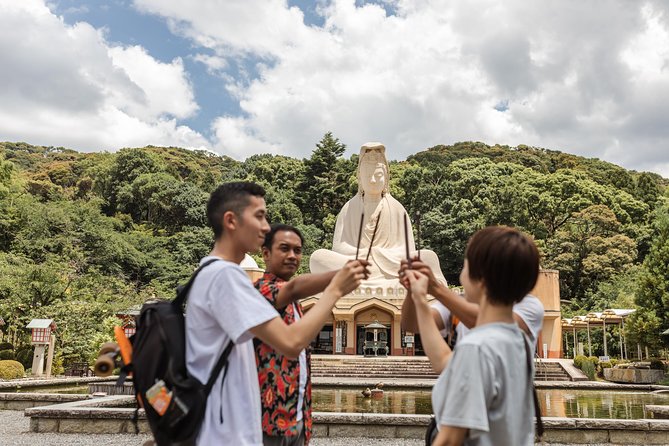
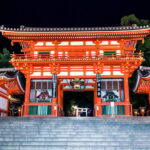
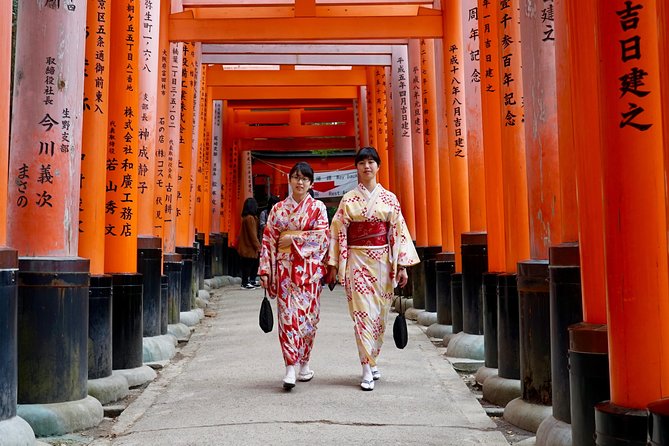
You may also visit a Shinto shrine that is open to all and known for bright lanterns, seasonal festivals, and a welcoming energy. Your host might show you purification rituals, or take you through calmer sub-shrines with quieter corners.
This is a strong stop for two reasons. First, it gives you Kyoto’s spiritual layer without making you feel lost. Second, your host can explain what you are seeing in plain terms—so it stops being a mystery you silently admire and becomes something you understand.
Purification rituals can be a head-scratcher if you see them from afar. Having someone guide you on what the steps mean (and how visitors usually participate) makes the experience feel respectful instead of confusing.
One consideration: shrine time is flexible. If you want to move quickly, tell your host early. If you like slower moments, this stop can stretch comfortably because shrines have both main areas and quieter side spaces.





A public garden break that feels like a local pause
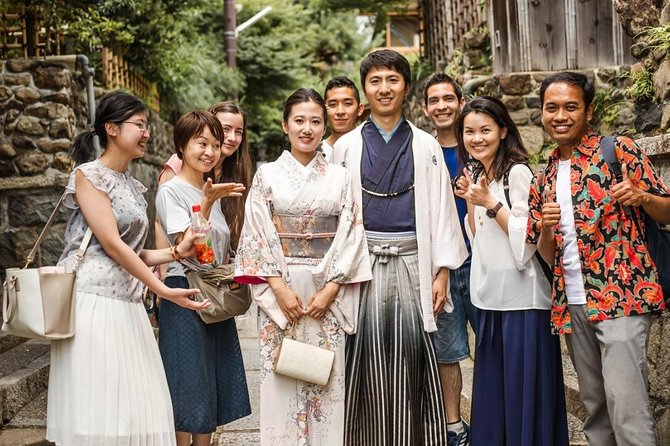
Another possible stop is a spacious public garden beloved by locals, especially during cherry blossom season. You can expect tree-lined walkways, reflective ponds, and shaded benches—perfect for a breather and a low-key snack break if you bring one along or plan around it.
This is where the tour’s value shows if you are tired of nonstop walking. A garden stop gives you oxygen and a reset, and it helps you see Kyoto as more than architecture.
Also, gardens change with season, so your host’s recommendations can steer you toward what is currently meaningful—flowers, colors, or just the way light moves through the trees that day.
If you are visiting during peak bloom, your host may prioritize timing and pacing so you spend time looking, not stuck. If you are going off-season, you still get calm, which Kyoto does well year-round.
Cobblestone alleys, ryokan, and quiet old-world charm
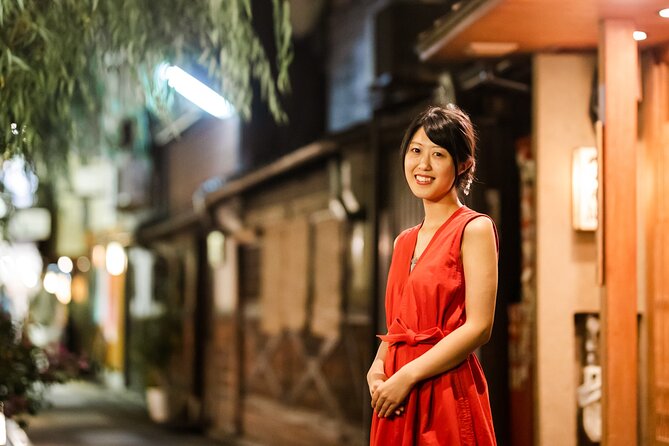
Later in the day, you might visit a preserved cobblestone alley hidden in central Kyoto. Think traditional inns (ryokan), secluded gardens, and that old-world hush that makes you lower your voice without being asked.
This kind of lane is where Kyoto’s details can surprise you. The buildings feel lived-in even when they are formal or historic. And the gardens behind the scenes give you a sense of what life can be like beyond the street view.
The drawback here is simple: these lanes can be photo-friendly but also easy to overstay. If you have a lot of shopping or dinner plans afterward, give yourself a little buffer in case your host recommends extra time in a spot you really like.
The good news is a private host can manage that. If you mention dinner timing, your route can adjust so you are not rushing out of a great moment.
Pickup, transfers, and the walking reality
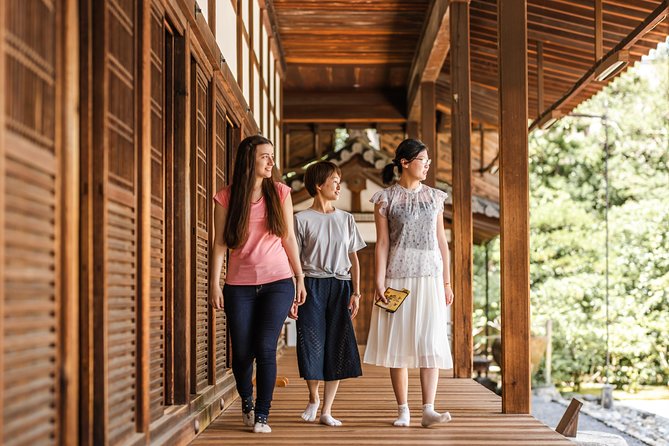
This is primarily a walking experience, and a private vehicle is not included. Hotel pickup can be arranged from centrally located hotels, which is a helpful convenience if you are staying near the action.
Transfers between sites may use public transportation or local taxis, and any exact transportation costs can be discussed with your host after your reservation is finalized. That means your route can be optimized for how you want to move—though it does also mean you should expect potential extra costs beyond the base price.
If you prefer to minimize transit spending, tell your host your budget early. A good host can often create a route that strings together nearby areas on foot.
Price and value: $251.52 for a 7-hour private host
At $251.52 per person for about 7 hours, this is not a budget group tour. But private Kyoto guidance has costs, and the structure here is designed to justify it.
You are paying for:
- a fully customized route based on your questionnaire
- a private walking day rather than a fixed checklist
- flexible timing and the ability to adjust as you go
- direct communication with your host for planning and local recommendations
You should also note what is not included: food, drinks, and attraction tickets, plus transportation (with possible add-ons if transfers are needed), and gratuities. So your total day cost depends on your own choices at shrines, gardens, and meals.
The value shows most when your interests are specific. If you want cultural context, explanations, and a tour that matches your pace, the private format tends to feel worth it. If you only want the most famous sights with minimal storytelling, you might spend less elsewhere with a standard group route.
What you can expect on the day of the tour
Your start point is clearly defined at Starbucks Coffee Kyoto Sanjo-ohashi Bridge. From there, the route follows your interests and the host’s choices, often blending river-area history, neighborhood atmosphere, shrine culture, and calm garden or alley stops.
Because it is private, you can set the tone early:
- If you want more walking for views and atmosphere, say so.
- If you prefer fewer stops with longer time at each, ask for a slower rhythm.
- If you want photo time, mention it upfront so the host can design around it.
It is also a good idea to think about timing for meals. Food and drinks are not included, so you will likely want to plan a breakfast or snack strategy around your garden or alley breaks.
Who this tour suits best
This tour fits well if you want Kyoto to feel personal rather than mechanical. It is also a good match if you like understanding context, not just snapping pictures.
You should strongly consider it if:
- you want a mix of top landmarks and quieter streets
- you enjoy asking questions and getting clear answers
- you care about pace and flexibility
- you want a local perspective in the small details
It may be less ideal if you want a vehicle-based tour or if your day is packed with strict timing where you cannot slow down at a great lane or shrine.
Based on the reviews, the experience shines when your guide is attentive and communicates well. Masaya’s English and tailored approach are specifically praised, and that kind of guide match can make the entire day feel smooth.
Should you book this Kyoto private 7-hour tour?
Book it if you like Kyoto for its texture: streets, rituals, gardens, and the stories that explain why the city feels the way it does. The customized route and private pace are the core reasons to choose this, and they are what you should feel during the walk, not just read on a brochure.
Skip it if you want a cheaper, standardized checklist where you move in a tight schedule with minimal guidance. If you are chasing only famous hits with no interest in context, you can probably find a lower-cost option.
If you do book, bring comfortable walking shoes and come ready to share what you really want from Kyoto. The best tours are the ones where you collaborate—this one is built for that.
FAQ
How long is the Kyoto Private 7-Hour Hidden Gems Tour with a Local – Unscripted?
It lasts about 7 hours.
Is this tour private or group-based?
It is a private tour. Only your group will participate.
Is hotel pickup included?
Pickup can be arranged from any centrally located hotel.
Where does the tour start?
The tour starts at Starbucks Coffee – Kyoto Sanjo-ohashi Bridge (Kyoto, Nakagyo Ward).
Is the tour mostly walking?
Yes. It is primarily a walking experience, and a private vehicle is not included.
Will I need to pay extra for transportation between stops?
Transportation is not included. Public transport or local taxis may be used for transfers, and costs can be discussed with your host after your reservation is finalized.
Are food and attraction tickets included?
No. Food, drinks, and tickets to any attractions are not included.
What do you get before the tour starts?
You’ll receive a questionnaire to share your interests, preferences, and must-sees, and you can communicate directly with your host for planning.
Can I choose when the tour starts?
Yes. Flexible start times are available, and you can choose your preferred time when booking.
What is the cancellation policy?
Free cancellation is available up to 24 hours in advance of the experience for a full refund.