REVIEW · KYOTO
Kyoto Ramen Bowl Painting and Michelin Cooking Class
Book on Viator →Operated by 無双心ラーメンアカデミー · Bookable on Viator
A good bowl starts long before the first slurp. This Kyoto experience mixes Michelin-starred ramen cooking with time at three famous temples, then adds a hands-on ramen-bowl art session. You’re not just watching from the sidelines—you’ll actually make the noodles, toppings, and flavor approach the way their chef teaches it.
I love the class setup because it’s run by Musoshin Ramen Academy, meaning you’re learning inside a real ramen restaurant operation (not a one-off demo). I also like that vegetarian and vegan ramen are built into the workshop, so you’re not stuck with a sad substitute.
One consideration: if you choose the bake-your-bowl option, you’ll need to come back the next morning (or later) to pick up the baked bowl.
In This Review
- Key highlights you’ll care about
- Kyoto Ramen Bowl Painting and Michelin Cooking Class: the real draw
- Meeting at 440-5 Nishigomonchō: easy to find, small to settle in
- Temples first: Kiyomizu-dera, Kennin-ji, Sanjusangendo in short order
- Kiyomizu-dera Temple: the big Kyoto mood-setter
- Kennin-ji Temple: calmer, good for looking closer
- Sanjusangendo: long, quiet, and visually memorable
- In the kitchen with Shin: cooking Michelin-style ramen that you can repeat
- What you’ll actually do
- Vegetarian and vegan ramen: real choices inside the same class
- Painting your ramen bowl: a fun souvenir with a serious option
- The baked-bowl option: plan your next morning
- Bandana souvenir
- What’s included (and why it’s good value at $78.18)
- Timing and logistics: how to fit 90 minutes into a Kyoto day
- Who this ramen academy suits best (and who should think twice)
- Should you book Musoshin Ramen Academy in Kyoto?
- FAQ
- FAQ
- What is the duration of the Kyoto ramen workshop?
- Where does the experience start?
- What happens during the ramen class?
- Is vegetarian or vegan ramen available?
- Can I paint my own ramen bowl?
- Can I take the bowl home?
- When do I pick up the baked bowl if I choose the oven option?
- How many people are in a group?
- Can I cancel and get a refund?
Key highlights you’ll care about
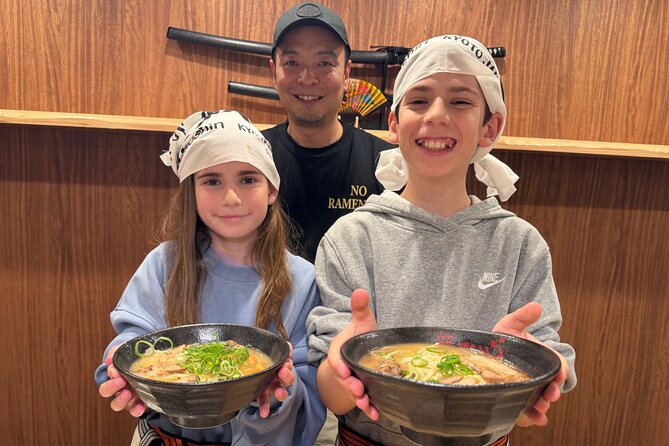
- Small-group ramen workshop (max 12), so you can ask questions and actually get hands-on help.
- Chef-led Michelin-style ramen instruction using ingredients prepared in advance from their nearby store.
- Real options for vegetarian and vegan ramen, not a last-minute tweak.
- Paint a bowl on the second floor, then either take it as-is or bake it.
- Souvenirs include a bandana plus your finished ramen bowl artwork.
Kyoto Ramen Bowl Painting and Michelin Cooking Class: the real draw
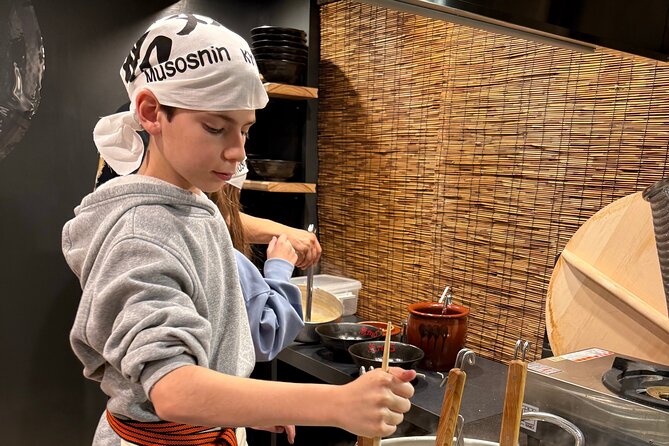
In Kyoto, lots of food experiences promise authenticity. This one earns it by being specific about what you do: you cook ramen using the restaurant’s Michelin-starred recipes approach, then you eat what you make. It’s straightforward, and that matters. You’re in a working ramen setting, learning processes and ingredient choices you can recreate later.
Another reason I think you’ll like it: the ramen ingredients are brought in from the nearby Musoshin Gion store. And they’re not thrown together from scratch five minutes before class. The ingredients used in your workshop are ramen ingredients prepared by their chef the day before. That means you get a smoother class experience and you’re tasting a version of their ramen that’s meant to be consistent—not just improvised.
The best part for me is that the experience doesn’t treat art as an afterthought. You paint your bowl on-site, and you get a plan for what happens next if you want it baked. That turns a simple souvenir into something more personal.
You can also read our reviews of more cooking classes in Kyoto

Meeting at 440-5 Nishigomonchō: easy to find, small to settle in
You meet at 440-5 Nishigomonchō, Higashiyama Ward, Kyoto (605-0816). It’s listed as near public transportation, which is exactly what you want in Kyoto. Getting to a ramen workshop shouldn’t become a mini scavenger hunt.
Also, you’ll use a mobile ticket, which is a small thing but helpful. Kyoto has plenty of transfers, lines, and ticket windows—keeping your entry simple reduces friction before you even start cooking.
With a maximum of 12 travelers, you’re not squeezed into a crowd. In practice, that usually means more attention from the chef and quicker help when your hands get sticky with ramen assembly.
Temples first: Kiyomizu-dera, Kennin-ji, Sanjusangendo in short order
This experience builds in three temple stops, starting with Kiyomizu-dera Temple, then Kennin-ji Temple, and ending at Sanjusangendo Temple. Your total time for the whole outing is about 1 hour 30 minutes, so think of these as a focused, scenic walk-through rather than a slow, in-depth temple day.
That’s not a drawback if you’re doing this as part of a broader Kyoto plan. It’s actually useful: you get the emotional “I’m in Kyoto” feeling early—classic sights, atmospheric streets, and the sense you’re in the right place—then you transition into the hands-on ramen part while your energy is still high.
Kiyomizu-dera Temple: the big Kyoto mood-setter
Kiyomizu-dera is the name people know, and that’s a good thing here. In a short schedule, it’s your fast-hit cultural anchor. It gives you the dramatic Kyoto backdrop, so when you sit down later, the day feels like a sequence, not a random food stop.
Potential drawback: because it’s one of the most famous stops, you may notice busier foot traffic. Since your class window is tight, plan to arrive ready to move.
Kennin-ji Temple: calmer, good for looking closer
Kennin-ji often feels like a gentler pause compared with the biggest spectacle sites. In a tightly timed tour, that helps. You can slow down a bit, notice details, and reset your brain before the workshop.
You can also read our reviews of more tours and experiences in Kyoto




Sanjusangendo: long, quiet, and visually memorable
Sanjusangendo is the kind of place you remember for its visual rhythm—something about the scale and repetition makes it stand out in memory. Even if you don’t spend forever inside, the stop is a strong “Kyoto” capstone before you head into the ramen academy.
In the kitchen with Shin: cooking Michelin-style ramen that you can repeat
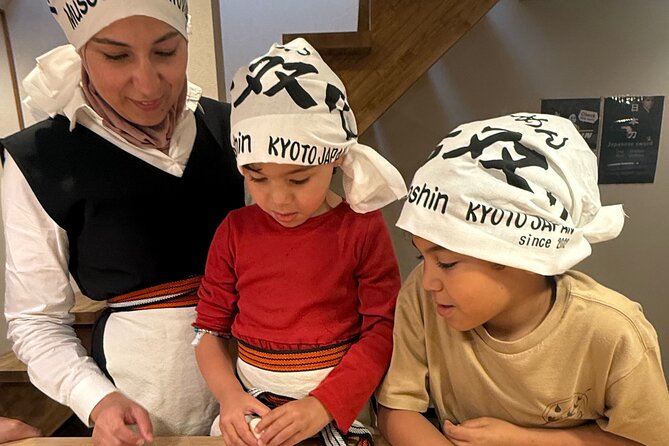
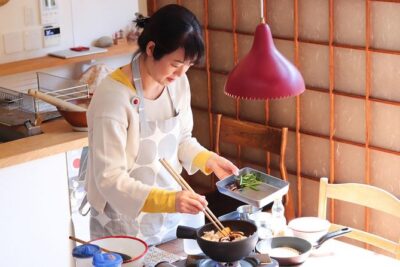
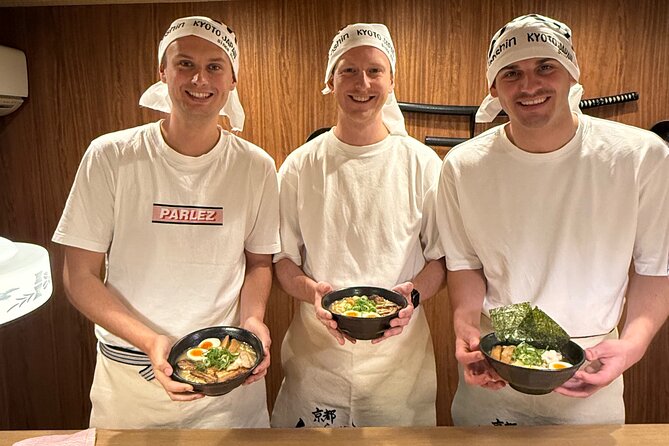
At the Musoshin Ramen Academy, a chef leads you to make your own Michelin-starred ramen style dish. The class happens on the first floor, and the setup is built around step-by-step instruction.
What I appreciate is the teaching angle: you’re not just assembling toppings. You’re learning the process behind how the ramen comes together—how ingredients and flavor elements work as a system. That’s the difference between eating great ramen and understanding why it tastes great.
The chef host is named Shin in the class feedback I’m drawing from, and the consistent theme is his style: talented, passionate, and genuinely willing to answer questions. If you like food enough to ask why a step matters, you’ll probably have a good time here.
What you’ll actually do
While the exact step list can vary by class flow, you can expect to:
- Work through their ramen recipe steps guided by the chef
- Assemble and cook your ramen following the Michelin-starred recipe approach
- Enjoy the ramen you made yourself
That last point is key. You don’t finish class and wonder if it tasted good. You taste it right away, while the methods are still fresh.
Vegetarian and vegan ramen: real choices inside the same class
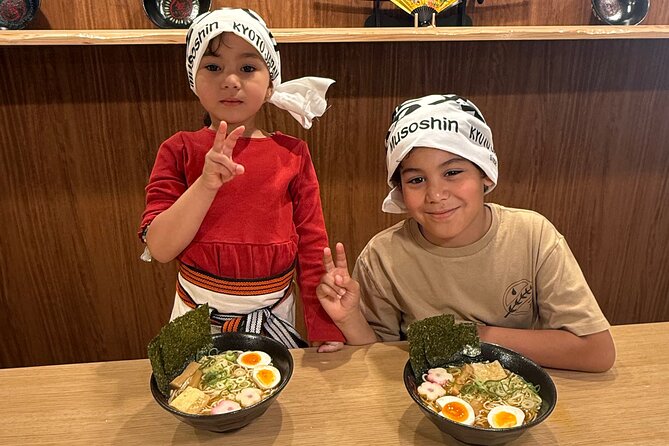
Musoshin Ramen Academy explicitly mentions that the ramen can be changed to vegetarian or vegan ramen. That means you’re planning your food to fit your dietary needs from the start of class, not trying to adapt at the end.
If you travel with plant-based friends or family, this is a big deal. It can be frustrating when a food tour says they can do it, but the result is clearly an afterthought. Here, the academy notes that they have many vegetarian and vegan customers, which suggests the team is used to offering real swaps.
Practical tip: when booking, make sure you select the vegetarian/vegan option if available. That’s the best way to keep your experience smooth and ensure your ingredients match the class recipe.
Painting your ramen bowl: a fun souvenir with a serious option
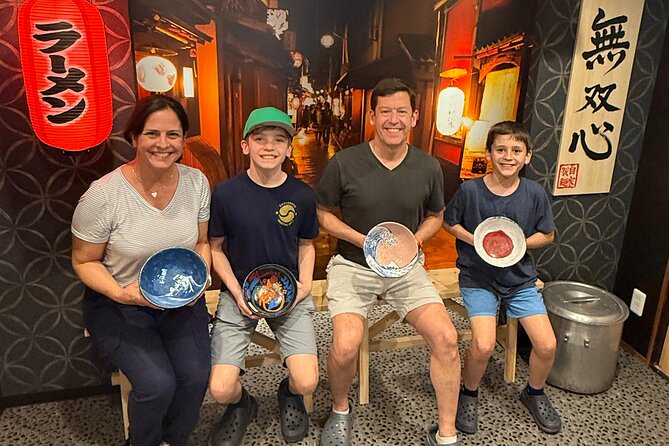
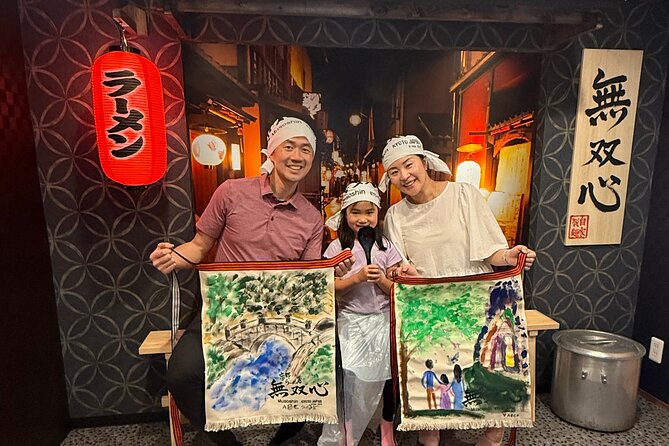
After cooking, you’ll head to the second floor for bowl painting. This is where the experience turns playful. You paint your own ramen bowl on-site, and you get something that feels personal—not a generic takeaway.
You have two ways to handle the painting afterward:
- Take the painted bowl home as it is.
- Use the free option to place the bowl in a special oven to bake it, then pick up the baked result later.
The baked-bowl option: plan your next morning
If you choose the oven option, you’ll need to come back the next morning or later to pick up the baked bowl. In other words, you get an art souvenir that lasts better—but it requires a small follow-up plan in your schedule.
If your itinerary is already packed, consider whether that extra pickup time will fit. If it won’t, taking the bowl as-is still gives you an original Kyoto-made keepsake.
Bandana souvenir
Along with the bowl, you’ll also receive a bandana as a souvenir. It’s the kind of small item that’s easy to pack, and it matches the ramen workshop theme nicely.
What’s included (and why it’s good value at $78.18)
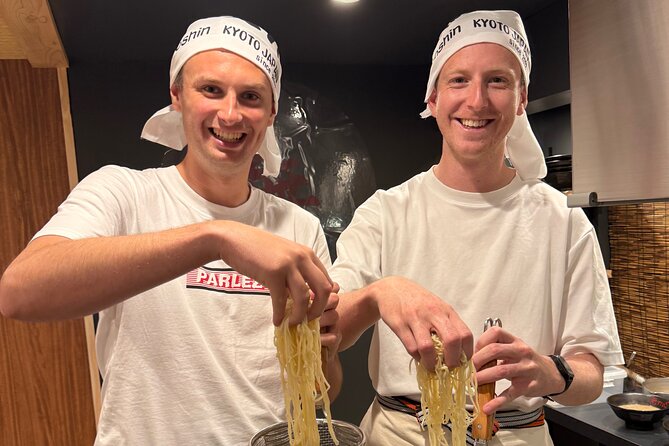
The price is $78.18 per person for about 1 hour 30 minutes, and it includes the ramen cooking instruction, your meal, bowl painting, and souvenirs. That’s not just “a taste.” It’s an active class where you learn a recipe approach, then eat what you make.
Here’s the value math I’d use when deciding:
- You’re paying for instruction from a chef in a dedicated ramen academy.
- You’re paying for ingredient sourcing and preparation done in advance (ingredients brought from their nearby store and prepped the day before).
- You’re also paying for the extra activity: bowl painting plus either taking it or baking it.
For many food experiences in big cities, you’re paying for a guided tasting with limited interaction. Here you’re paying for hands-on cooking and art. In a place like Kyoto—where time is expensive and experiences can be spread out—this combo can feel efficient.
Group size matters here too. A maximum of 12 travelers is a sweet spot for a class. It’s small enough for real guidance, but not so tiny that it becomes too rigid.
Timing and logistics: how to fit 90 minutes into a Kyoto day
Plan for about 1 hour 30 minutes total. Because your itinerary includes three temple stops, the pacing will be quick. That’s normal for a short-format tour like this.
I recommend you treat this as either:
- Your main activity for a shorter afternoon block, or
- A timed add-on day, where you finish other sightseeing on either side.
Also, wear shoes you can walk in. Even if the temple stops are not marathon-length, Kyoto surfaces and steps add up fast. If you want to enjoy the cooking part without worrying about your feet, comfortable walking footwear helps.
Who this ramen academy suits best (and who should think twice)
You’ll probably love this if:
- You want food you can recreate, not just food you can photograph
- You like interacting with the chef and asking questions
- You travel with kids (the class feedback I’m basing this on includes families, including a 12-year-old)
- You’re excited by the craft side of travel: cooking plus painting
You might think twice if:
- Your schedule can’t handle a possible next-morning pickup for the baked bowl
- You prefer a longer temple-focused tour over a quick sightseeing add-on
- You’re looking only for ramen tasting and nothing else
Should you book Musoshin Ramen Academy in Kyoto?
If you want one experience that hits multiple travel goals—Kyoto atmosphere, hands-on cooking, and a take-home art project—this is a strong choice. The main reason to book is the combination of a real ramen restaurant academy and a chef-led class that actually teaches you. Add the bowl painting and the vegetarian/vegan options, and the value becomes easier to justify.
If you hate the idea of coming back for anything later, choose the take-as-is bowl option. If you’re flexible, the baked bowl adds a nice upgrade to the souvenir.
FAQ
FAQ
What is the duration of the Kyoto ramen workshop?
It’s listed as approximately 1 hour 30 minutes.
Where does the experience start?
The meeting point is 440-5 Nishigomonchō, Higashiyama Ward, Kyoto, 605-0816, Japan.
What happens during the ramen class?
A chef instructs you on how to make Michelin-starred ramen, and then you enjoy the ramen you made yourself.
Is vegetarian or vegan ramen available?
Yes. The ramen can be changed to vegetarian or vegan ramen.
Can I paint my own ramen bowl?
Yes. Bowl painting is done on the second floor.
Can I take the bowl home?
Yes. You can take the painted bowl home as it is, or you can use a free oven-baking option and pick up the baked bowl later.
When do I pick up the baked bowl if I choose the oven option?
You can pick it up the next morning or later.
How many people are in a group?
The activity has a maximum of 12 travelers.
Can I cancel and get a refund?
Free cancellation is available up to 24 hours in advance of the experience for a full refund.