REVIEW · KYOTO
Kyoto Ume Liqueur Experience with CHOYA – Make Your Souvenir
Book on GetYourGuide →Operated by CHOYA shops株式会社 · Bookable on GetYourGuide
Turning ume into a souvenir feels personal. This CHOYA workshop lets you taste ume-based flavors, learn the craft behind Japan’s umesh u and syrup tradition, and leave with your own sealed bottle built for home enjoyment.
Two things I really like: first, the format is hands-on right away, so you’re not just watching—you’re mixing your own combination after tasting different ume and sugar pairings. Second, it’s offered in English with a CHOYA Ume Concierge, so the explanations are easy to follow even if you’re new to the world of ume.
One thing to think about: if your group wants both umeshu and ume syrup, you’ll need to book separately. Also, umeshu making is limited to age 20+ (while younger guests can make syrup), so plan based on who’s joining.
In This Review
- Key highlights
- Why CHOYA’s Kyoto ume workshop feels different
- Your 1-hour flow: tasting, choosing, and making your ume drink
- What you’re actually taking home: umeshu vs. syrup timing
- How ume and sugar pairings change the flavor
- Small group, big focus: what the setting is like
- Age rules and planning: syrup for younger visitors, umeshu for 20+
- Price and value: is $31 for 1 hour fair?
- Quick tips so you get the most out of it
- Who should book this Kyoto Ume Liqueur Experience
- Should you book this?
- FAQ
- How long is the Kyoto CHOYA Ume Liqueur Experience?
- What is included in the price?
- Do I take home both umeshu and ume syrup in this workshop?
- When will my items be ready to enjoy at home?
- Is the workshop available in English?
- Who can make umeshu, and who can make ume syrup?
- Is the group size small?
- Are there any restrictions during the workshop?
Key highlights
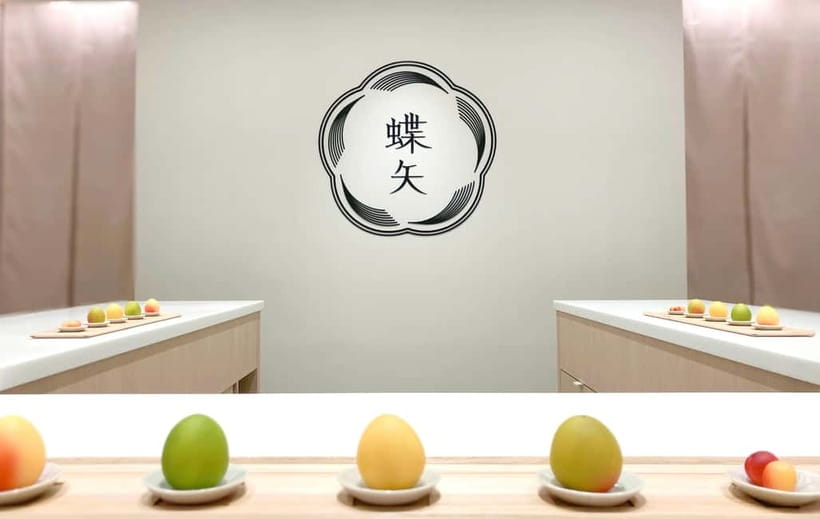
- English CHOYA Ume Concierge guides you step by step, plus multilingual booklets are available (EN/CN/JP).
- Taste first, then decide: sample ume and sugar/syrup options before you mix your own recipe.
- 100+ combinations to choose from, so you can build something that matches your preferences.
- Hands-on making in a small group (limited to 10), with time for photos during the process.
- Flight-safe packaging: sealed bottle with a leak-proof cap, packed in a durable box for air travel.
- A timeline you can taste later: your umeshu is ready in about 1 month, while the syrup is ready in about 1 week.
Why CHOYA’s Kyoto ume workshop feels different
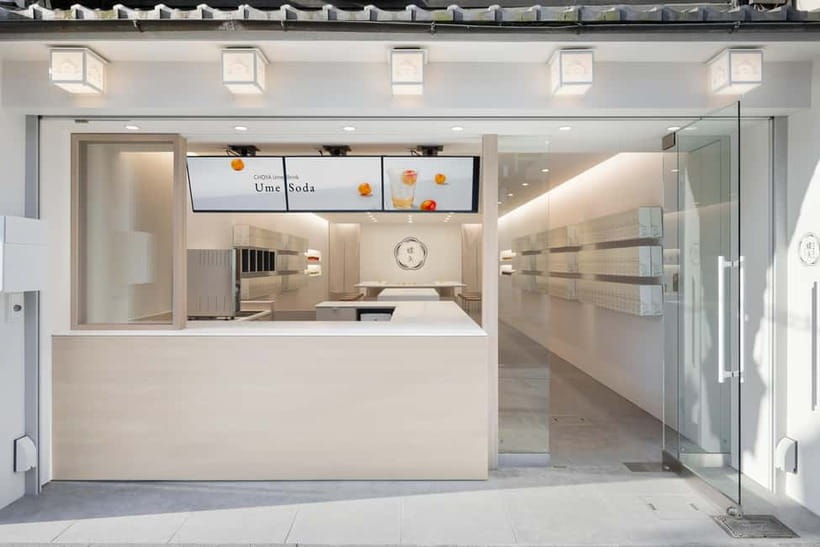
Kyoto has no shortage of food experiences, but this one focuses on a single ingredient with real meaning. Ume (Japanese sour plum) sits at the crossroads of everyday pantry life and celebratory drink culture, and CHOYA’s shop turns that into something practical you can take home.
What makes it feel especially solid is the CHOYA Ume Concierge setup. You get an English guide who can explain what you’re tasting and why different choices lead to different flavor outcomes. In one case, the guide Takatori-san led people through each step in English, which is exactly what you want when you’re trying to understand the logic behind the final flavor.
Also, this is not a rushed “buy this kit” moment. It’s built around tasting—ume syrups and pairings—so your souvenir is tied to your own decisions. That matters, because ume flavors can range from bright and tangy to deeper and rounder depending on what you select.
You can also read our reviews of more tours and experiences in Kyoto.
Your 1-hour flow: tasting, choosing, and making your ume drink
The whole workshop runs about 1 hour, and the structure is straightforward. You start with an orientation to the ume tradition and what you’ll be making. Then you move into tasting and decision-making before you do any hands-on mixing.
Here’s the flow you should expect:
- Tasting ume and syrup options: you’ll compare different types of ume and pair them with sugars. The goal is to help you notice the differences before you lock in a combination.
- Choose your combination: after sampling, you decide what you want to make. You’ll be able to select from 100 combinations, which sounds abstract—until you realize it’s basically a menu of taste paths.
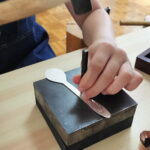
- Make your ume or syrup using the kit: once you’ve picked, you place your order and move into the mixing and bottling step. This part is hands-on, with a “special kit” designed for the experience.
- Photos are welcome: you can capture the moment while you’re working, so you’re not stuck waiting until you’re done.
One practical note: sessions start promptly with other guests. If you arrive late, you might miss part (or all) of the program, depending on timing—so plan to be early or at least on time.
What you’re actually taking home: umeshu vs. syrup timing
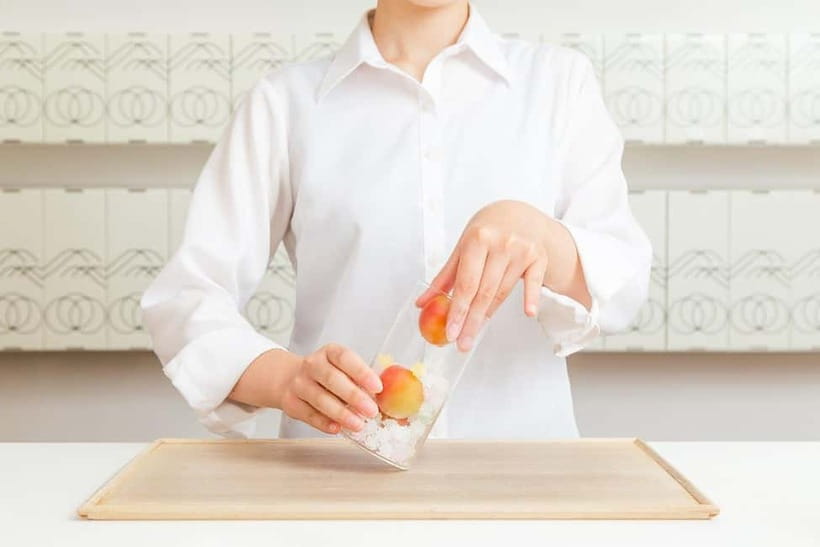
This is one of those rare activities where the “souvenir” has an outcome you’ll notice over time. Your bottle or syrup needs a wait period, and the workshop sets those expectations clearly.
- Umeshu (liqueur): typically ready in about 1 month.
- Ume syrup: typically ready in about 1 week.
That timeline is more than a cute detail. It affects how you’ll use your souvenir when you’re back home. If you want something to enjoy quickly, syrup is the faster win. If you’re okay waiting a bit for a more classic liqueur experience, umeshu gives you that longer arc—and something to look forward to after the trip.
You also get packaging designed for travel. The final product is sealed with a leak-proof cap and packed in a durable box. The message is clear: don’t risk a mess in transit. They even flag a specific handling rule—don’t remove the silicone cap, and keep it packed in the box for safe air travel.
How ume and sugar pairings change the flavor
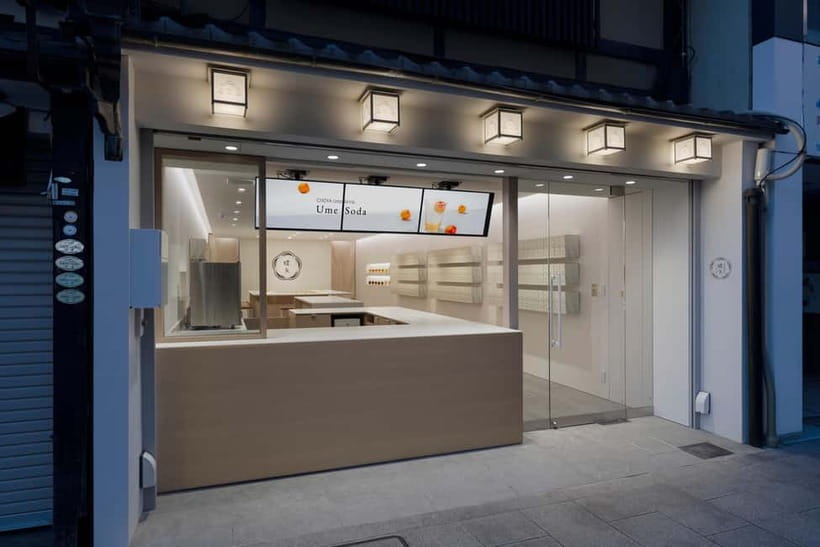
The tasting step is the real magic trick here. Instead of relying on a description you can’t quite picture, you get to compare options directly. You sample ume/syrup types and sugars, then you build your own pairing.
Why this matters: ume isn’t “one flavor.” Even within the same ingredient family, sourness, aroma, and how sweetness balances that acidity can shift. That’s why the workshop treats tasting as part of the craft. You’re learning what you like—then making something that matches your palate instead of taking a guess.
The experience also teaches you the basic mindset behind ume culture: people make adjustments based on taste and intended use. Syrup is often about mixing into drinks, while umeshu is about liqueur-style enjoyment. The workshop helps you connect the choice you make with how you’ll experience it later.
And if you’re a CHOYA fan, this is extra satisfying. It feels less like a generic “Kyoto tasting lesson” and more like a brand-backed craft process grounded in what they know best.
Small group, big focus: what the setting is like
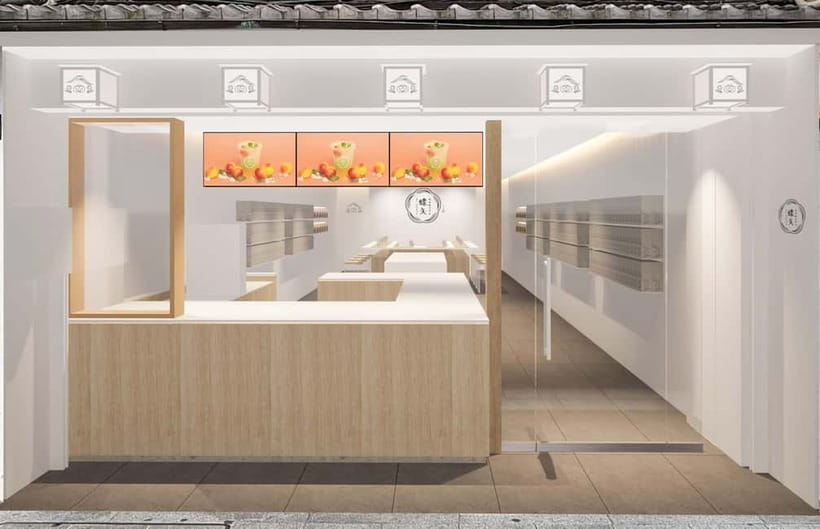
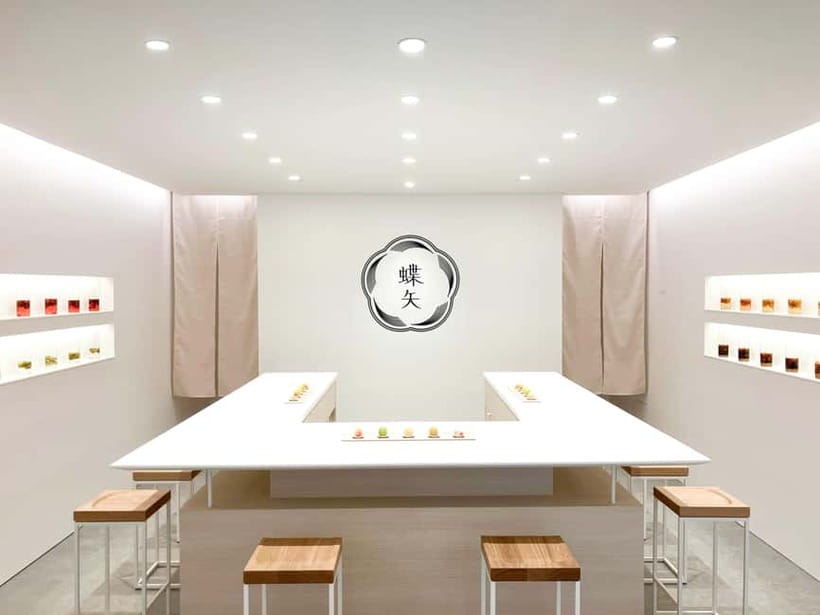
This workshop is set up for a small group—limited to 10 participants. That’s not just for comfort. It makes it easier to ask questions, get guidance while you’re mixing, and stay on track during the 1-hour session.
You also get guide booklets available in EN / CN / JP even though the live guide is English. That’s helpful if you want to re-check a concept after you’re done mixing and before you head back out into Kyoto.
The shop environment also gets favorable comments for being beautiful, which matters more than it sounds. If you’re spending part of your day inside a calm, attractive space, your photos and your memory of the process tend to feel more special.
Age rules and planning: syrup for younger visitors, umeshu for 20+
This is important for families and mixed-age groups. Umeshu making is limited to those 20 years of age or older. If someone in your group is 19 or under, they can still participate by making ume syrup.
So the simplest planning approach is:
- If everyone wants umeshu: make sure the group meets the 20+ requirement.
- If you have younger participants: plan on syrup for them.
- If you want both syrup and umeshu in the same group: you’ll need to book separately for the different making options.
That separate booking detail is easy to overlook, and it can change your timing. If you’re going with friends and you’re all hoping to “do the same thing together,” check this before you commit.
Price and value: is $31 for 1 hour fair?
At $31 per person, you’re paying for more than “a taste.” You’re paying for:
- an English-speaking CHOYA Ume Concierge
- guided tasting of ume and sugar/syrup options
- the hands-on making process with a special kit
- your take-home souvenir, sealed and packed for air travel
The value shows up in what you don’t have to solve yourself. You’re not searching for the right ingredients, the right ratios, or the right process in a grocery store. You’re also not just buying a bottle off a shelf without understanding what you’re buying.
Could you buy ume products in Kyoto for less? Probably. But you’d be giving up the part that makes this memorable: choosing your own combination after tasting and leaving with something you’ll enjoy later. In other words, the workshop turns a drink purchase into a craft story you can taste.
Also, a one-hour format is a big plus if you’re managing a tight Kyoto schedule. It’s short enough to fit into a day of temples and neighborhoods without turning into your whole afternoon.
Quick tips so you get the most out of it
A few practical things will make your experience smoother and your souvenir better:
- Arrive on time. Sessions start promptly, and being late can cut into the program.
- Go in ready to taste. You’re meant to sample ume and sugars before choosing.
- Don’t remove the silicone cap and keep everything packed in the box for travel. This is part of the flight-safety design.
- Use photos as you work. The program doesn’t lock you out of pictures during the making step.
- Remember it’s alcohol-free during the workshop. The rules don’t allow intoxication or alcohol/drugs, so the session stays focused on craft, not drinking.
If you’re thinking about gifts, the packaging helps. A sealed bottle in a durable box is easier to trust as a take-home item than an improvised container.
Who should book this Kyoto Ume Liqueur Experience
This workshop fits best if you want something that’s small, flavorful, and tied to a cultural craft. I’d especially recommend it if:
- you’re a CHOYA fan or ume enthusiast
- you enjoy food experiments where choices matter
- you like the world of Japanese drinks—sake, whisky culture, or anything that pairs tradition with a personal twist
- you want a Kyoto activity that doesn’t require long travel across town or complicated instructions
It’s also a good pick if you’re the type who enjoys learning “why this tastes like this,” because the tasting + mixing design supports that goal.
If you’re only looking for a quick shopping stop, you may find it takes a little more time than you want. But if you want a hands-on souvenir with a story and a future tasting date, it’s a strong match.
Should you book this?
I’d book it if you want a personal ume souvenir you build yourself, not just buy. The English concierge guidance, the tasting-first approach, and the practical take-home packaging make the price feel reasonable for what you get.
Pass, or at least double-check, if:
- your group needs umeshu for everyone but includes under-20 participants (syrup is the option for them)
- you’re planning to do both umeshu and syrup together without realizing separate booking may be required
- you can’t reliably arrive on time for a prompt 1-hour session
If your schedule is manageable and you like the idea of tasting your way into the recipe, this is the kind of Kyoto experience that turns a simple ingredient into a memory you’ll actually use at home.
FAQ
How long is the Kyoto CHOYA Ume Liqueur Experience?
It lasts about 1 hour, with different starting times based on availability.
What is included in the price?
You get an English-speaking Ume Concierge, learning about ume culture, tasting ume and sugar pairings, deciding your combination, making your umeshu or ume syrup with a kit, and taking it home in sealed, durable travel packaging.
Do I take home both umeshu and ume syrup in this workshop?
Not automatically. The information indicates you should book separately if your group wants to do both types of making.
When will my items be ready to enjoy at home?
Umeshu is ready in about 1 month, and ume syrup is ready in about 1 week.
Is the workshop available in English?
Yes. The live guide is English, and guidebooks are available in EN / CN / JP.
Who can make umeshu, and who can make ume syrup?
Umeshu making is limited to people age 20 or older. Guests age 19 and under are welcome to make ume syrup.
Is the group size small?
Yes. It’s a small group experience limited to 10 participants.
Are there any restrictions during the workshop?
Food and drinks are not allowed, intoxication is not allowed, audio recording is not allowed, and bare feet are not allowed.