REVIEW · KYOTO
Osaka: Japanese Drum Taiko Workshop
Book on GetYourGuide →Operated by EE tour · Bookable on GetYourGuide
Taiko hits different when it’s right in front of you. This Osaka-area Japanese drum workshop gives you a short cultural lesson, a pro taiko performance up close, and then a step-by-step chance to play yourself. I especially like how beginner-friendly it feels, and how you leave with a hachimaki you customize with a wish and a photo in traditional costume.
One thing to plan around: the whole experience runs about 2 hours including travel, and the team can’t wait for late arrivals. If you show up after the start, you won’t be able to join, so build in extra time near JR Takatsuki Station.
In This Review
- Key highlights worth showing up for
- Where Taiko becomes more than a show in Osaka-area studios
- Meeting at JR Takatsuki Station without the common mix-up
- Writing a kanji wish on your hachimaki (and why it’s not just a souvenir)
- The pro taiko performance that sets the pace for what you’ll learn
- Learning taiko basics step-by-step with an instructor who keeps it friendly
- Playing together: the moment it clicks as a group
- Price and value: what $103 actually buys you
- Who should book this taiko workshop (and who should think twice)
- Should you book this Osaka Japanese Drum Taiko Workshop?
- FAQ
- Where is the meeting point for the Osaka Taiko workshop?
- How long does the experience take?
- What language is the tour guide?
- Is the workshop suitable for beginners?
- What’s the minimum age to participate?
- What do I get as part of the workshop?
- Can I bring an observer who won’t play?
- How do I get to the studio from Osaka or Kyoto?
- What if I’m traveling solo?
- FAQ
- What is the cancellation policy?
- Can I arrive late and still join?
Key highlights worth showing up for
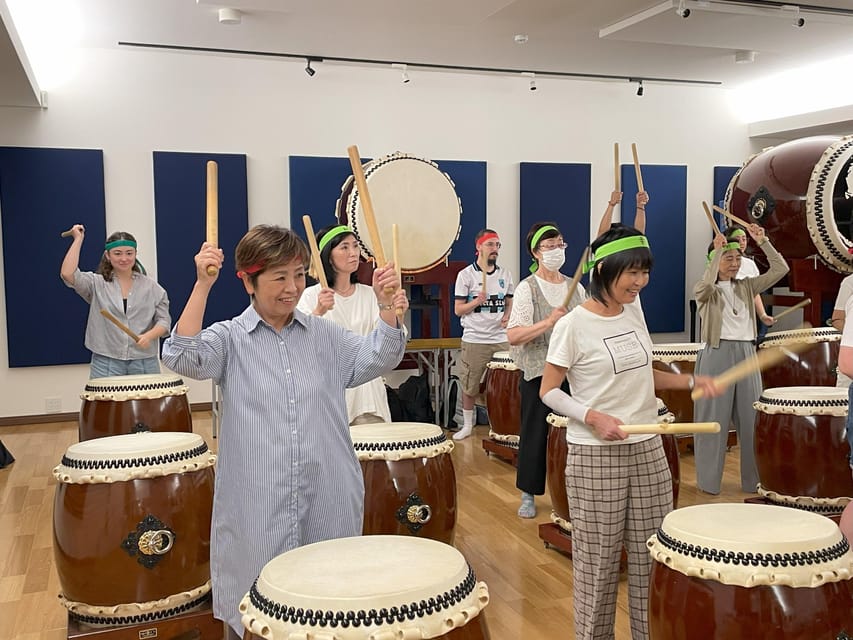
- Beginner-ready drumming with an instructor focused on basics and technique
- Pro taiko performance that sets the bar before you pick up the sticks
- Hachimaki with kanji wishes so you go home with something personal
- Friendly English guidance (often with guides like Michiko or Naru)
- Traditional costume photo including a happi and your hachimaki
- Convenient transport by car between JR Takatsuki Station and the studio
Where Taiko becomes more than a show in Osaka-area studios
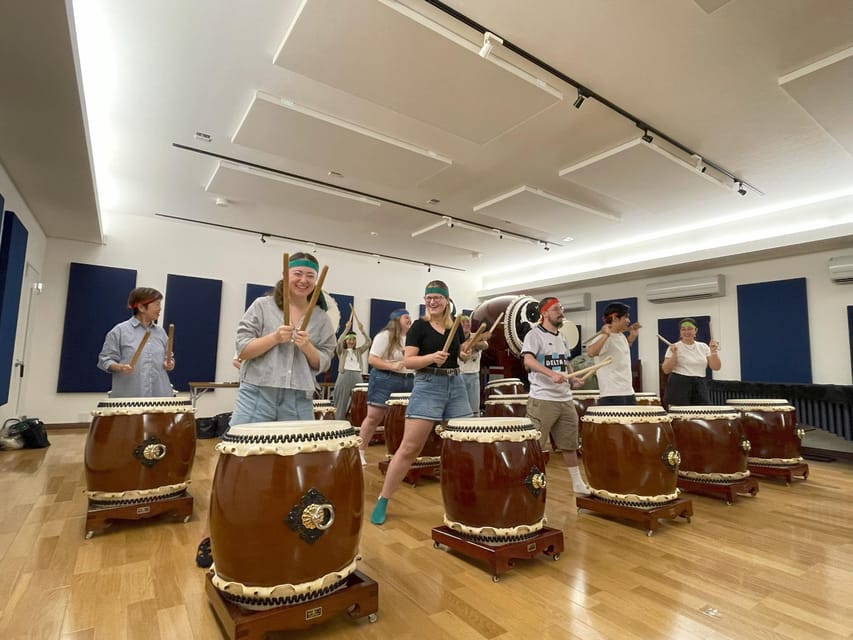
Taiko is famous for a reason: it’s loud, physical, and instantly communicative. In this workshop setting, you get the cultural context first, then the body-and-mind practice right after. That order matters. You don’t just copy beats; you understand what the rhythm is meant to express.
The location is also smart for Osaka and Kyoto visitors. You meet at JR Takatsuki Station, which sits between the two big cities, and the train ride is about 15 minutes from either side. Add the studio pickup/drop-off by car, and your day doesn’t turn into a transit marathon.
You can also read our reviews of more tours and experiences in Kyoto

Meeting at JR Takatsuki Station without the common mix-up
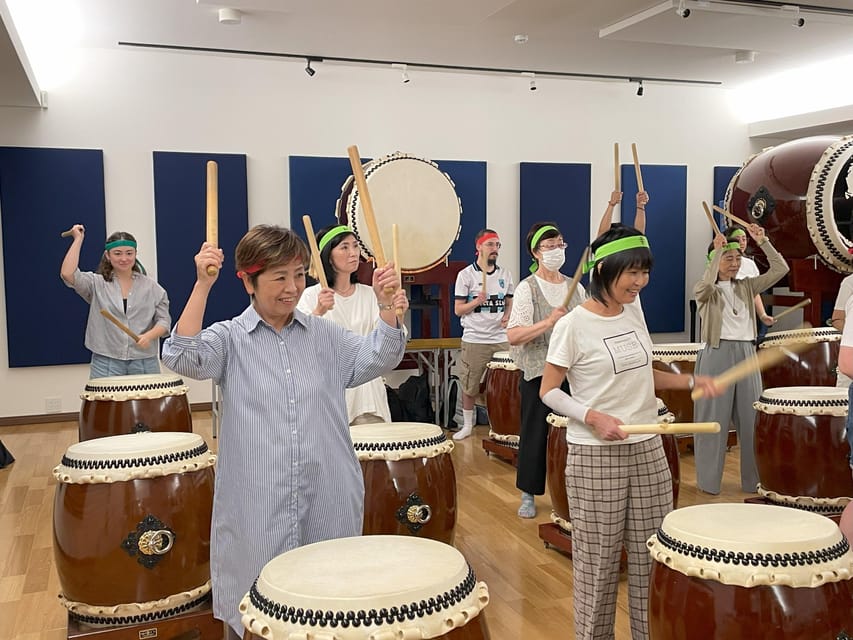
The meeting point is very specific: JR Takatsuki Station Central Ticket Gate, 2nd floor. Don’t go downstairs. Also, watch the station choice: there are two Takatsuki stations (JR and Hankyu), and this workshop uses JR Takatsuki Station, not Hankyu Takatsuki.
Arrive 15 minutes early. They cannot wait for late arrivals, and you can’t join after the session starts. The guide will be holding a banner with a taiko drum, which makes it easier than the usual crowded-station guessing game.
Once everyone’s gathered, you ride by car to the studio and back. Taxis from Osaka aren’t recommended because the trip can take longer than you’d expect and tends to cost more than the rail option.
Writing a kanji wish on your hachimaki (and why it’s not just a souvenir)
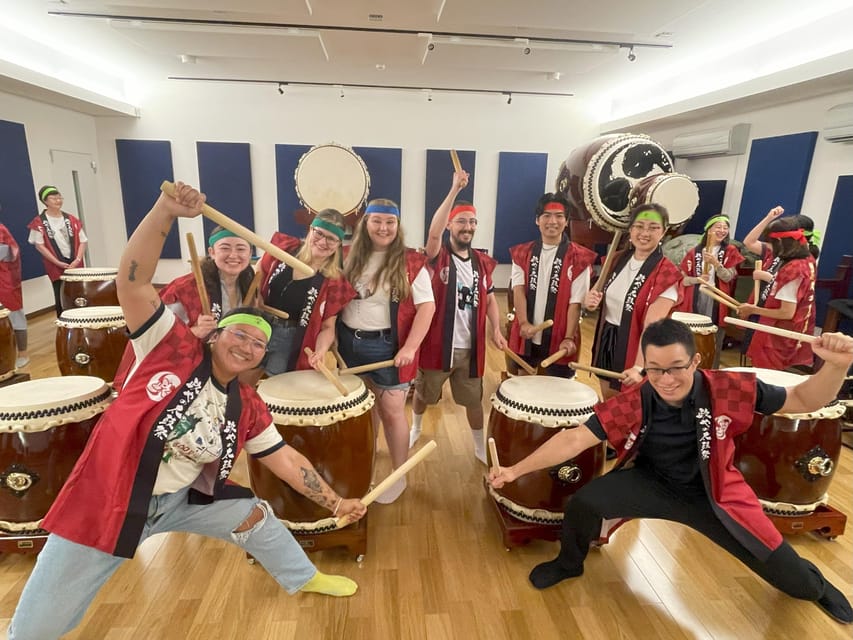
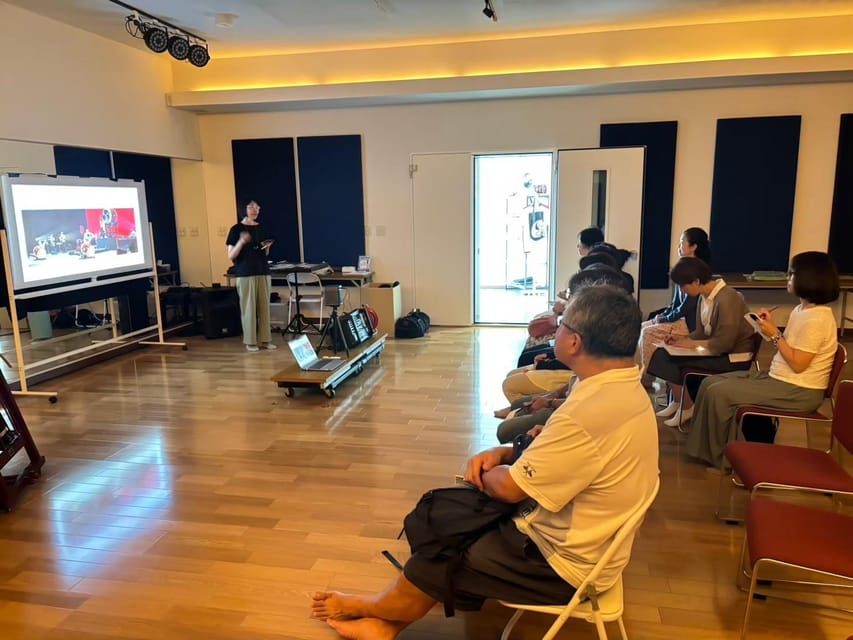
The workshop starts with a brief explanation of Taiko’s history and why it matters in Japanese life. This isn’t a lecture that drags on. It’s meant to give you just enough cultural footing so the drumming doesn’t feel random.
Then comes the hands-on ritual: you write your kanji wish on a hachimaki, the traditional headband. It’s a small activity, but it changes how you experience the rest of the class. Instead of wearing a generic costume, you’re wearing a message you made.
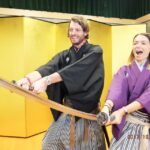
They also provide your traditional elements for the end of the experience. You’ll finish with a commemorative photo in costume, including a happi and your hachimaki. It’s the kind of souvenir that feels personal because you helped create it.
The pro taiko performance that sets the pace for what you’ll learn
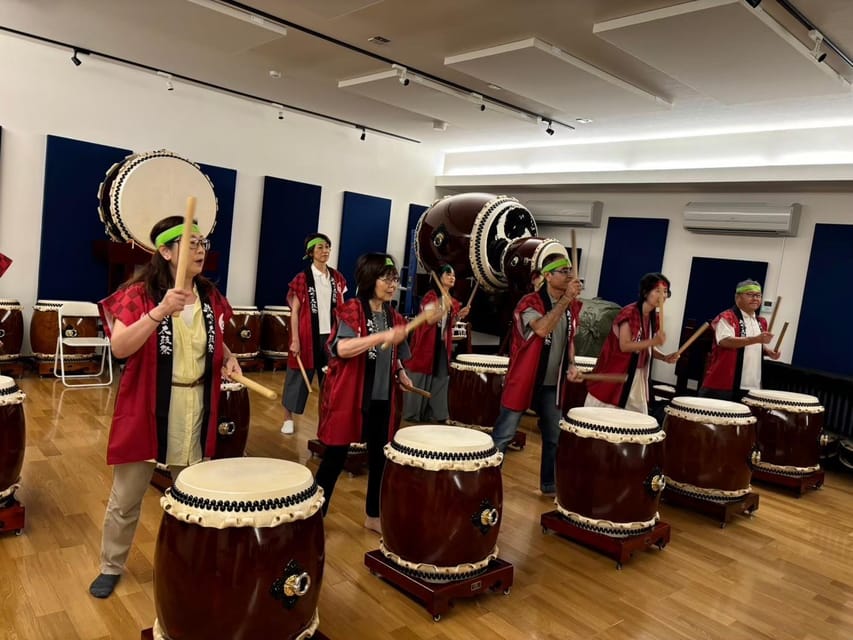
Before you start drumming, you watch a powerful taiko demonstration by a professional player. This is one of the most praised parts of the whole experience because it gives you a real sense of what good taiko sounds and looks like.
It also acts like a live lesson. You see how energy travels from stance to hands to the drumhead, and you get a clearer idea of what the instructor will be coaching later. In a group workshop, this kind of model performance prevents the classic beginner problem: confusion about timing.
Learning taiko basics step-by-step with an instructor who keeps it friendly
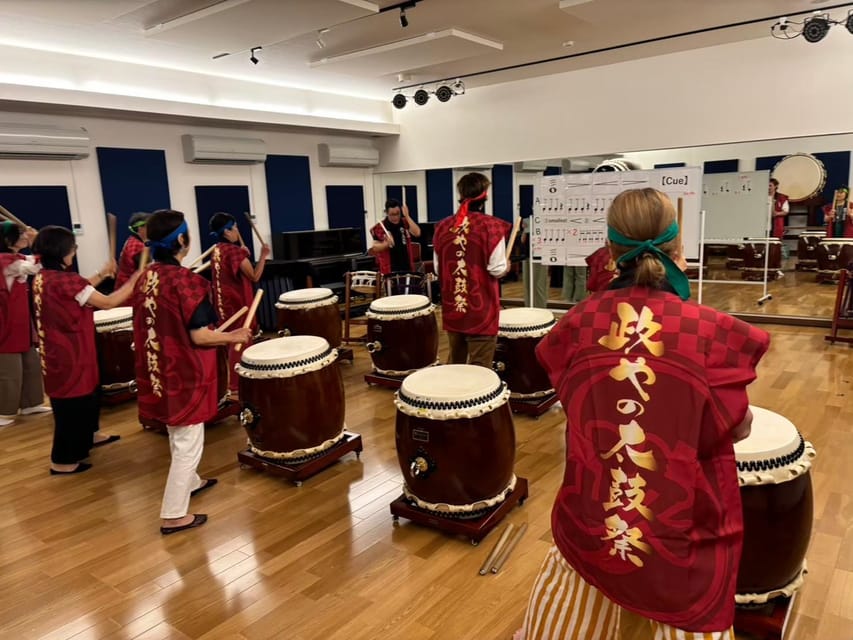
After the performance, you’ll get instruction on basic movements and techniques. The teaching approach is meant for real beginners, not just people who already read rhythm patterns for fun. If you’ve played other percussion, you might spot similarities, but taiko still has its own physical style and grip demands.
You’re not asked to master everything in 2 hours. Instead, you learn the fundamentals that make the group beat sound right together. One of the nicest things is that the instructors tend to stay encouraging, which matters when the drums are bigger than you expected and the rhythm feels fast.
Even the setup helps. Some groups note they’re provided special studio gear for the drumming stance, including footwear that makes it easier to move and hit with confidence. Not glamorous, but it supports the actual goal: making sure you can play without slipping around like a newborn deer.





Playing together: the moment it clicks as a group
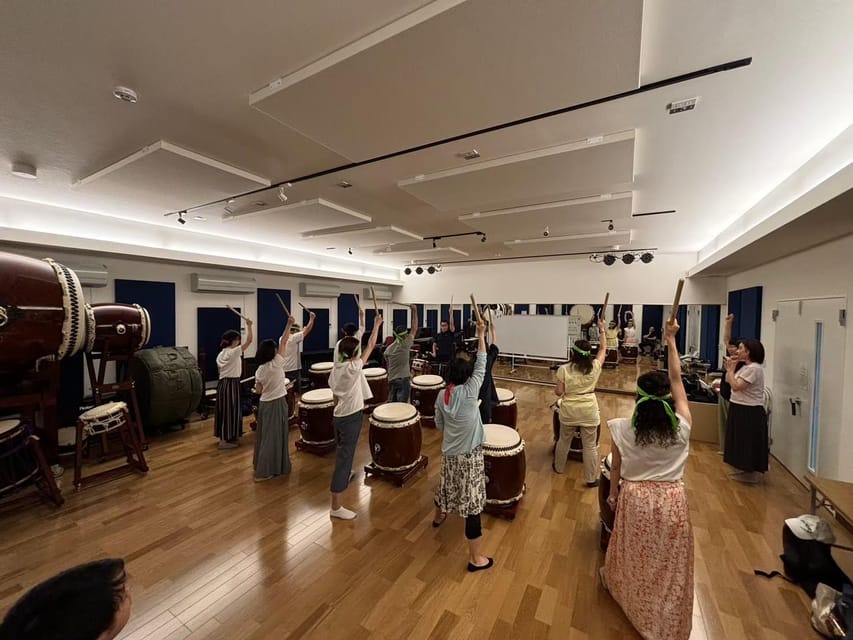
At the end, you play a simple piece as a group. This is the payoff. The structure of the workshop takes you from history and ritual (hachimaki) to watching (pro performance) to doing (technique) to performing (the shared song).
The group piece is also why taiko feels so social. You’re not isolated with an instrument. You’re part of a rhythm unit, listening for cues and reacting to everyone else’s timing. That shared beat is often what people remember most later, even if they forget a specific technique.
Photos also become part of the memory. After you play, you get that costume photo with the happi and hachimaki look, so you can actually capture what you did, not just what you watched.
Price and value: what $103 actually buys you
At $103 per person, you’re paying for much more than a casual cultural activity. The price includes the taiko workshop, an English-speaking guide, the taiko instructor, your hachimaki, and car transport between JR Takatsuki Station and the studio. You also get the group experience plus the commemorative costume photo.
That’s why the value feels solid. Many “activity” tours give you a short demo and call it done. Here, you get a history intro, a professional demonstration, hands-on instruction, and a shared performance. It’s closer to a mini lesson than a quick sightseeing stop.
If you have someone who just wants to watch, there’s a catch to plan for. Observers pay 8,000 yen per person and need to pay cash at the drum studio on the day of the tour. Also, you should notify the provider ahead of time if you’re bringing an observer, because transportation may not be arranged otherwise.
Who should book this taiko workshop (and who should think twice)
This is a great fit for almost anyone who can handle a short, energetic activity. Reviews highlight that it works well for people with no taiko experience and that it’s enjoyable across different coordination levels. I’d treat it as a “try it once” drumming class with real cultural grounding, not as a training session for serious players.
It’s also a strong family option. One family booking praised it highly, and another noted the workshop as one of the best things they did in Japan. Since the whole session is structured and guided, it tends to feel organized rather than chaotic.
On the flip side, it’s not suitable for children under 7. Also, on some days, solo participant bookings may not be available, meaning you might need to book and pay for two participants. If you’re traveling solo, check your date carefully before you lock it in.
Should you book this Osaka Japanese Drum Taiko Workshop?
Book it if you want a hands-on Japan experience that feels genuinely Japanese, not just themed. The combination of pro taiko performance, a short cultural intro, and immediate drumming practice is the winning formula here, and the hachimaki kanji wish plus costume photo make it memorable.
Skip it only if timing stress will wreck your day or if you can’t be punctual. You need to arrive 15 minutes early, and you won’t be able to join after the start time. If you can handle that, this is the kind of activity that turns into a story you’ll keep telling long after the trip ends.
FAQ
Where is the meeting point for the Osaka Taiko workshop?
You meet at JR Takatsuki Station Central Ticket Gate, 2nd floor. The guide will be standing there with a banner showing a taiko drum. Make sure it’s JR Takatsuki, not Hankyu Takatsuki.
How long does the experience take?
The total duration is 2 hours, including travel time.
What language is the tour guide?
The experience is guided in English.
Is the workshop suitable for beginners?
Yes. The workshop is designed so people without any taiko experience can enjoy playing, learning basics, and playing a simple piece together.
What’s the minimum age to participate?
Children under 7 cannot participate.
What do I get as part of the workshop?
You get the taiko experience, an English-speaking guide, a taiko instructor, a hachimaki, car transport to and from the studio, and a commemorative photo in traditional costume.
Can I bring an observer who won’t play?
Yes, but observers have a separate fee of 8,000 yen per person. Observers should pay cash at the drum studio on the day of the tour, and you should notify the provider in advance.
How do I get to the studio from Osaka or Kyoto?
The best approach is to take the JR train to Takatsuki (about 15 minutes from either Osaka or Kyoto). Then you’re taken by car between the station and the studio.
What if I’m traveling solo?
Some days do not allow single-participant bookings. On those days, you may need to book and pay for two participants to join.
FAQ
What is the cancellation policy?
You can cancel up to 24 hours in advance for a full refund.
Can I arrive late and still join?
No. Please arrive 15 minutes early. They cannot wait for late arrivals, and you cannot join after the start time.