REVIEW · KYOTO
4.5-Hour Kyoto Bike Tour with Lunch and UNESCO Zen Temples
Book on Viator →Operated by MagicalTrip Inc. · Bookable on Viator
Bike Kyoto, skip the rush. This 4.5-hour Kyoto bike tour strings together major Zen sights with a calm ride by the Kamogawa River, led by an English-speaking guide who keeps the day moving at a human pace. You’ll visit UNESCO-listed Kennin-ji for its famous dry garden and then head to Nanzen-ji for a classic temple-gate moment.
What I like most is the mix of guided history and real “time on the street.” You get a small group (max 5) plus rental bike, helmet, bike lock, and a proper teahouse lunch, so you’re not juggling tickets and logistics while trying to see Kyoto. I also like that the route is set up for photos during the ride and that your guide will point out what to notice at each stop.
One thing to consider: temple time is brief, so if you love slow wandering you may want a second visit later. Also, the lunch options are vegan/vegetarian available, but the food uses fish stock, and the team can’t guarantee allergy-free meals.
In This Review
- Key things to know before you ride in Kyoto
- A Kyoto bike tour that strings temples with river calm
- Meet the bike crew: small groups, helmets, and real guidance
- Gion start to Kennin-ji: getting oriented fast
- Kennin-ji’s karesansui garden in UNESCO time
- Nanzen-ji’s gate and 20-minute Zen stop
- Lunch at 6 Shōgoin Nishimachi teahouse: choices and caveats
- Kamogawa River cycling and the Heian Shrine pass-by
- Price and value for $99.10 plus what’s not included
- Who should book, and when to skip it
- Should you book this Kyoto bike tour?
- FAQ
- How long is the Kyoto bike tour with lunch?
- What’s included in the price?
- Do I visit Kennin-ji and Nanzen-ji, and are the admissions covered?
- Where does the tour start and end?
- What time does the tour begin?
- Is the lunch vegan or vegetarian-friendly?
- How many people are in the group?
- Can I use my smartphone while cycling?
Key things to know before you ride in Kyoto
- Max 5 riders means more personal attention and an easier pace for temple stops.
- Bike + helmet + lock are included, plus insurance covering bodily injury liability.
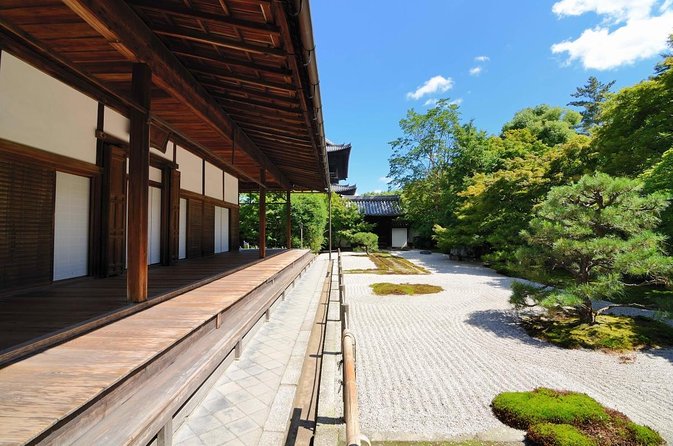
- Kennin-ji is timed well (about 30 minutes) with admission included and a dry-garden focus.
- Nanzen-ji is a quick hit (about 20 minutes) with admission free.
- Lunch is a teahouse stop (around 50 minutes) with vegan/vegetarian possible, but fish stock is used.
- Smartphone rules are strict: you can use it only when stopped, and alcohol + cycling isn’t allowed.
A Kyoto bike tour that strings temples with river calm
This is the kind of Kyoto day that works when you want big sights without spending hours in lines or hunting down addresses. The core idea is simple: start in Gion, connect to Zen temples, eat lunch at a traditional teahouse, then roll back with the feel-good rhythm of a riverside ride.
The UNESCO angle is the anchor of the morning. Kennin-ji is Kyoto’s oldest Zen temple, and the stop is specifically built around its karesansui (dry landscape) garden. Then you switch gears to Nanzen-ji, where the tone is more “grand temple gate + seasonal atmosphere,” even with limited time.
By the end, the Kamogawa stretch does something useful: it breaks up the day so your brain isn’t stuck in temple mode the whole time. It also keeps the energy up, since cycling is a nice way to cover ground without feeling rushed through every doorway.
You can also read our reviews of more cycling tours in Kyoto
Meet the bike crew: small groups, helmets, and real guidance
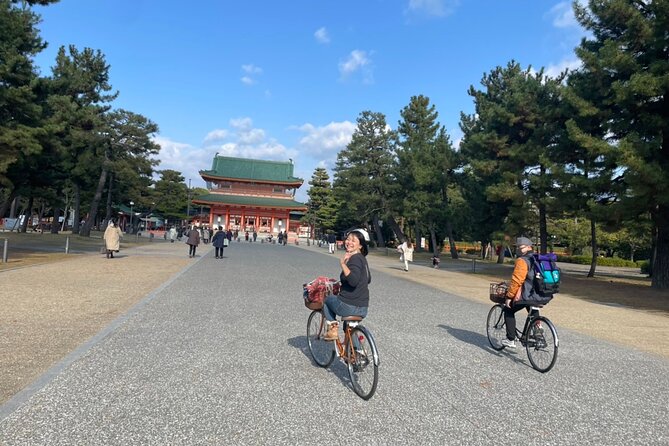
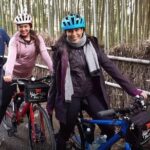
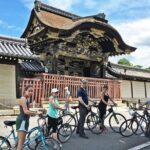
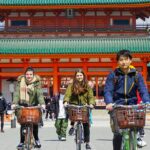
You don’t show up to scramble. The tour includes a rental bike, a helmet, and a bike lock, and the guide handles the route flow in English. There’s also bike insurance with bodily injury liability included, which is a comfort detail if you’re thinking about safety.
What matters day-to-day is group size. With a maximum of 5 travelers, the guide can slow down for questions, adjust the pace when traffic or pedestrians get tricky, and keep your timing tight at each stop. That “small group” factor is exactly why people often rate this tour so highly.
In practice, I’d expect you’ll learn faster too. The guide is there to explain the history and significance of each point of interest, and names you may see leading groups include Yusuke, Naru, Icchan, and Hiro. If you’re lucky enough to get one of these guides, you’ll likely find the tone is friendly and helpful, with clear direction on where to look.
Gion start to Kennin-ji: getting oriented fast
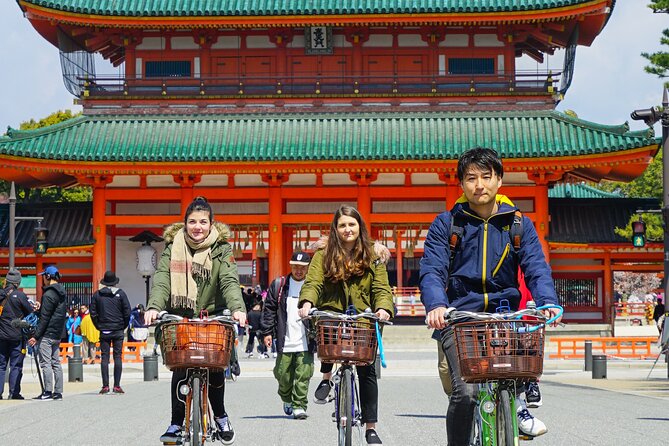
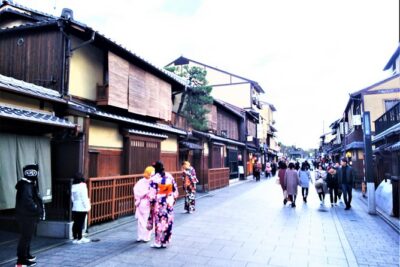
The tour kicks off at 9:00 am in the Gion area, starting from a 7-Eleven near Higashikujō Kamitonodachō. After meeting up, you’ll start cycling right away, navigating your way toward Kennin-ji in the Gion district.
This first leg is more than a warm-up. It gets you out of the “Kyoto sightseeing list” mindset and into the “I’m moving through the city” mindset. You’ll also pass by Heian Shrine along the way, which works well if you’re curious about where it sits in relation to the rest of central Kyoto.
One practical point: Japan has clear cycling traffic expectations, and your guide will explain the rules to you. The tour also prohibits cycling under the influence of alcohol, and smartphone use while riding is strictly prohibited. You can use a smartphone when the bike is stopped, which keeps things safer and prevents chaos.
Kennin-ji’s karesansui garden in UNESCO time
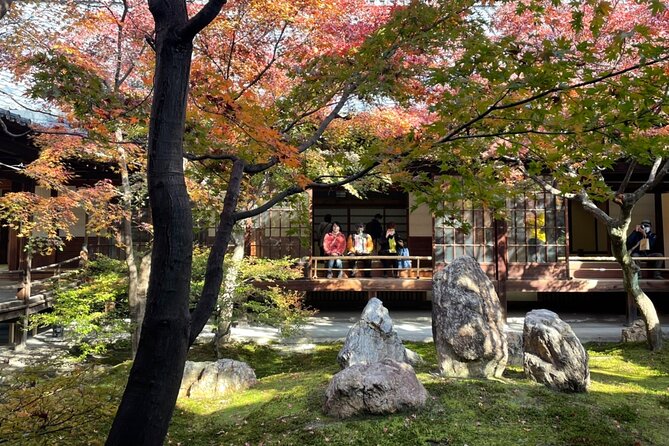
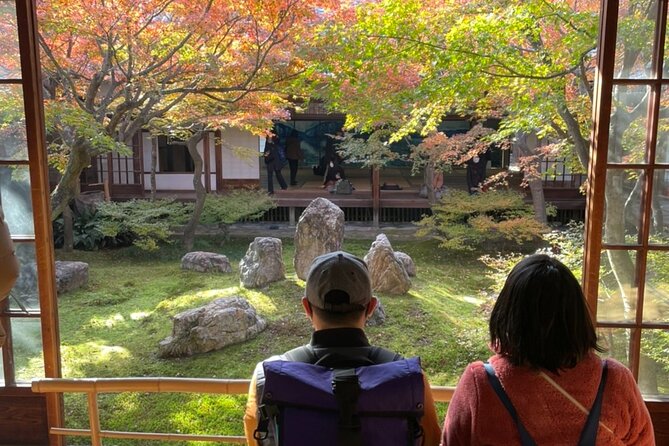
Kennin-ji is the UNESCO stop, and it’s treated like the centerpiece it is. You’ll spend about 30 minutes here, with admission included. This is the oldest Zen temple in Kyoto, and the garden focus is the big takeaway.
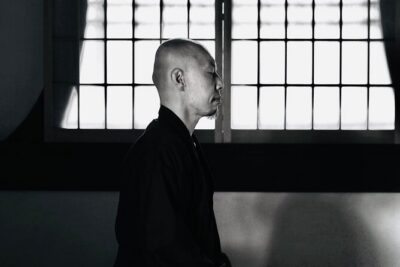
When you’re looking at the karesansui (dry landscape garden), I’d suggest you slow down and pay attention to simplicity. Don’t try to “race” to get a perfect photo. Instead, use the guide’s cues and notice how the garden creates atmosphere with restrained shapes and careful arrangement.
This is a great stop if you like structured sightseeing. You get enough time to enter, look around, and absorb the Zen vibe without feeling like you missed half the place because you got turned around. The admission being included also matters here—you don’t need to handle extra ticket costs mid-tour.
The main drawback is also time: 30 minutes goes quickly. If you’re the type who wants to sit and watch details for a long stretch, plan to return later on a slower day. For a first pass during a busy Kyoto visit, though, it’s well paced.
Nanzen-ji’s gate and 20-minute Zen stop
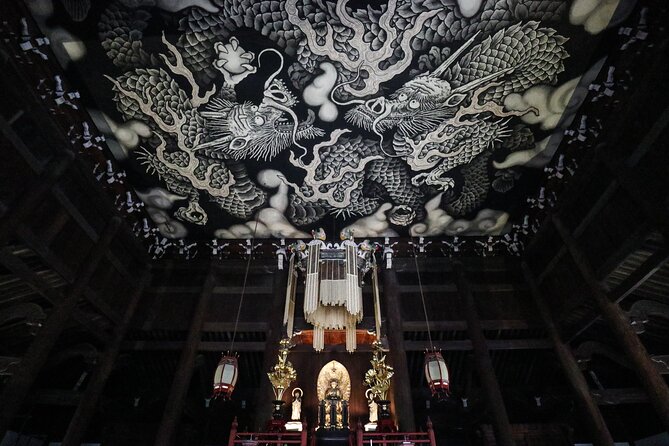
Next is Nanzen-ji, a Zen temple with a history of 700 years, and the timing is shorter at about 20 minutes. Admission here is free, so you’re mostly paying in time and attention rather than tickets.
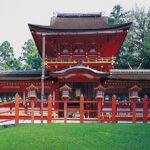
The highlight you’ll focus on is the temple gate and the way nature changes through the seasons. Even in a short visit window, the gate is usually the visual anchor that helps you orient yourself quickly—then you can step back and appreciate the setting around it.
This is a good stop for photographers, but it’s also a good stop for people who don’t want to spend the whole day inside. You get a sense of scale and tradition without turning the afternoon into a long temple marathon.
If you’re traveling with someone who gets temple fatigue, this stop length is a sweet spot. If you’re a temple fanatic, you might wish the schedule allowed more time—but that’s the tradeoff for fitting both Kennin-ji and Nanzen-ji into a single half-day bike loop.
You can also read our reviews of more tours and experiences in Kyoto
Lunch at 6 Shōgoin Nishimachi teahouse: choices and caveats
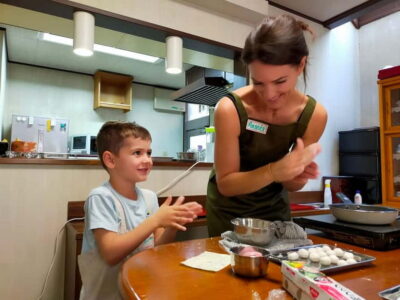
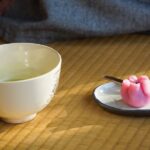
The lunch stop is around 6 Shōgoin Nishimachi. You’ll have roughly 50 minutes here, with a teahouse-style meal included (local Kyoto lunch or dessert). This is one of the most practical parts of the tour because it resets your energy halfway through.
Here’s what to know about food: vegan/vegetarian options are available, but fish stock is used. That’s important for anyone with allergies, strict dietary restrictions, or strong avoidance. The tour asks that you inform them at least one day before if you have dietary requests or allergies, and they also note they can’t guarantee allergy-free meals or substitutions because the food is prepared in a kitchen they don’t control.
So yes, it’s a teahouse meal, and yes, it’s included—but you should treat it like a “best effort” meal rather than a medically certified meal. If you fall into the allergy category, email or message ahead and be very specific.
On the upside, you’re not left searching for food after temple time. You’re dropped into a planned location with time to eat and stroll around the Japanese garden area, which helps your brain transition from temples to a more relaxed Kyoto rhythm.
Kamogawa River cycling and the Heian Shrine pass-by
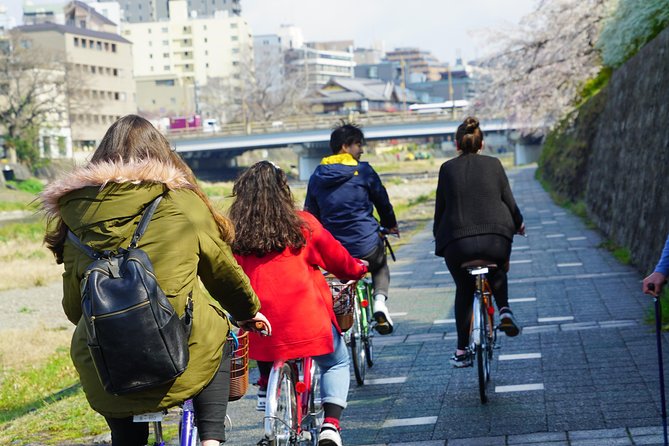
Between stops, and especially near the end, the Kamogawa River ride is where the tour feels light. It’s not just transit. Cycling along the river gives you wide, open sightlines and a change in mood from temple interiors.
The itinerary includes a stop that soaks up the atmosphere of the Kamogawa River as you glide by. That matters because Kyoto can get visually intense—many buildings, many details, many rules. A river ride gives you a breather and helps the day feel like a journey instead of a sequence of checkpoints.
You’ll also pass by Heian Shrine during the route. Since it’s described as a pass-by, don’t count on extended exploring there. But it’s a nice “spot awareness” moment, especially if you want to understand how different parts of Kyoto connect geographically.
If you tend to enjoy active travel, this portion is the payoff. It’s why people love this tour: you get classic Kyoto highlights plus the simple pleasure of riding through the city with the river as your soundtrack.
Price and value for $99.10 plus what’s not included
At $99.10 per person for about 4 hours 30 minutes, the value comes from what’s included, not just the headline duration. You’re getting:
- rental bike, helmet, and bike lock
- guide (English-speaking)
- entrance fee to Kennin-ji
- lunch at a teahouse
- photos during the tour
- bike insurance covering bodily injury liability
- a mobile ticket
That’s a lot packaged into one price, which is exactly what you want when Kyoto travel gets expensive fast and time gets tight.
What’s not included is also clear: additional drinks and food can cost extra. That’s normal, but it’s worth planning for, especially if you’re cycling in summer heat.
If you were to do Kennin-ji tickets, bike rental, and lunch separately, it’s easy for costs to creep up. Here, the structure prevents that creep and saves you from decision fatigue during a busy sightseeing day. The only reason the value might feel weaker is if you’re the type who wants longer temple time or a more flexible lunch plan.
Who should book, and when to skip it
This tour fits best if you want a guided, structured half-day in Kyoto that balances temples with a pleasant ride. You don’t need to be an expert cyclist. The tour notes most travelers can participate, and it also sets a height requirement of over 150 cm (4’11”), which is mostly about bike fit.
Wear comfortable clothing and shoes suited to cycling, and plan for temperature swings. Japan’s weather can be extreme, and the tour may be canceled if conditions aren’t safe. If that happens, you’ll be offered a different date or a full refund, so you’re not trapped if the weather turns.
I’d also consider skipping (or at least being extra prepared) if any of the following apply:
- you’re sensitive to fish stock in meals
- you can’t follow smartphone rules while riding
- you want more than brief temple time for deep contemplation
For everyone else, this is a smart way to get moving through Kyoto and still see the important Zen highlights.
Should you book this Kyoto bike tour?
Book it if you want Kennin-ji + Nanzen-ji + lunch in one efficient morning/early afternoon and you enjoy cycling through real neighborhoods, not just riding between buildings. It’s also a strong choice if you appreciate small groups, clear guidance, and a day paced so you can actually enjoy what you came to see.
Skip it if you need a totally allergy-safe meal, you dislike riding in traffic environments, or you’re hoping for a slow, hours-long temple crawl. In Kyoto, that kind of day is best paired with a lighter plan later.
If you fit the “balanced sightseeing” style, this tour is a practical, enjoyable way to experience Kyoto’s Zen side without turning the day into a marathon.
FAQ
How long is the Kyoto bike tour with lunch?
The tour lasts about 4 hours 30 minutes.
What’s included in the price?
You get a rental bike, helmet, bike lock, a certified English-speaking guide, entrance to Kennin-ji, photos during the tour, and lunch at a Japanese teahouse.
Do I visit Kennin-ji and Nanzen-ji, and are the admissions covered?
Yes. Kennin-ji admission is included, and Nanzen-ji admission is listed as free for the stop.
Where does the tour start and end?
It starts at a 7-Eleven at 44-1 Higashikujō Kamitonodachō, Minami Ward, Kyoto, and ends back at the bike rental shop (Rental Bicycle KYOTO ECO TRIP Flagship shop).
What time does the tour begin?
The start time is 9:00 am.
Is the lunch vegan or vegetarian-friendly?
Vegan/vegetarian options are available, but fish stock is used. You should mention dietary requests or allergies at least one day before the tour.
How many people are in the group?
The tour has a maximum of 5 travelers.
Can I use my smartphone while cycling?
Smartphone use while cycling is strictly prohibited by law in Japan. You can use it when the bicycle is stopped.