REVIEW · KYOTO
Osaka/Kyoto: Arashiyama, Nara & Fushimi Inari Shrine w/Lunch
Book on GetYourGuide →Operated by VIP Japan Tour · Bookable on GetYourGuide
First, a day like this is pure jump-start for Kyoto. You get Arashiyama bamboo, Nara’s deer-and-temple moment, and Fushimi Inari’s tunnel of torii in one organized sweep, plus lunch at Kyoto Wasabi in a traditional townhouse setting. I especially like the hands-on feeling of Nara Park and the way the shrine stop is guided so you know what you’re looking for, not just where to walk. The only real drawback is that Fushimi Inari can feel busy and a bit tight on time, especially if you’re a slower walker or want a longer wander.
The best part is that the day is built for people who don’t want to figure out transit between places that are popular for a reason. You’ll ride in an air-conditioned vehicle, get an English- or Chinese-speaking guide, and then enjoy each spot at your own pace within the allotted time. Just plan for a classic Japan day trip vibe: lots of highlights, some crowding, and you’ll do more walking than you think.
In This Review
- Quick highlights you’ll care about
- Why this Arashiyama–Nara–Fushimi day trip is so popular
- Arashiyama Bamboo Forest: the walk you’ll remember most
- Lunch at Kyoto Wasabi: Kobe shabu-shabu without the hassle
- Nara Park deer and Todai-ji: the moment that feels most human
- Fushimi Inari Taisha: torii gates, crowds, and a better way to do it
- The bus, the timing, and how to avoid the usual day-trip traps
- Price and value: is $61 a smart deal?
- Who should book this tour (and who should not)
- Should you book this Arashiyama–Nara–Fushimi day trip?
- FAQ
- How long is the tour?
- Is lunch included?
- What does the tour include besides lunch?
- Do I need to pay for Todaiji temple?
- Is hotel pickup or drop-off included?
- Is the bus air-conditioned?
- What should I do about the deer at Nara Park?
- Where does the tour end?
Quick highlights you’ll care about
Bamboo Forest timing that makes photos and strolling easier
Kobe shabu-shabu lunch in Kyoto Wasabi, a 120+ year townhouse
Nara Park deer experience with clear “don’t bother them” guidance
Fushimi Inari torii route explained so you don’t get lost in the crowds
AC bus, English/Chinese commentary, and a smooth return to Kyoto or Osaka
Why this Arashiyama–Nara–Fushimi day trip is so popular
If you want Kyoto and Nara but only have one day, this is the kind of plan that saves you stress. Instead of stitching together trains, transfers, and timing checks, you get an organized route that hits the big-ticket sights: Arashiyama Bamboo Forest, Nara Park (with deer and Todai-ji), and Fushimi Inari Taisha with its iconic torii gates.
The pacing is designed for “see it now, think about it later.” That means the bus time matters because the guide sets expectations before you step off. In the field, you’re free to wander, take photos, and choose your own spot to pause—just keep an eye on the time window so you’re back when the group reconvenes.
I like that the day doesn’t pretend you’ll do everything slowly. It’s practical. You’ll cover ground, you’ll hit the standout photo moments, and you’ll go home with a head full of impressions.
You can also read our reviews of more tours and experiences in Kyoto
Arashiyama Bamboo Forest: the walk you’ll remember most
Arashiyama is one of those places where the setting does half the work for you. When you enter the bamboo forest, you immediately notice the scale—towering stalks, a tunnel-like effect, and that calm that makes the whole area feel cooler and quieter than the surrounding streets.
This stop is more than a postcard. It’s a chance to reset your day. The air feels different in the bamboo, and the shade helps if you’re traveling during hotter months. Also, it’s one of the best places to slow down and do photos without the pressure of a tight museum-style schedule.
Practical tip: wear walking shoes you don’t mind getting a little dusty. The path isn’t a flat runway, and you’ll likely take multiple detours for viewpoints. Also, if crowds bother you, arrive focused: pick a few photo angles first, then wander.
Lunch at Kyoto Wasabi: Kobe shabu-shabu without the hassle
A lot of day tours include lunch that feels like a consolation prize. This one puts the meal right in the “worth it” category.
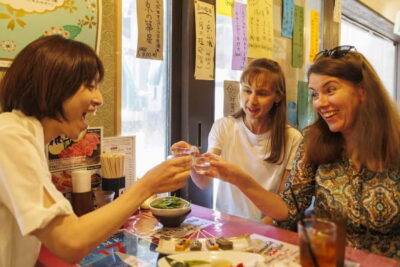
Lunch is at Kyoto Wasabi, described as a charming Kyoto townhouse that has welcomed guests for over 120 years. That matters because the meal feels like part of Kyoto, not just fuel between stops. You also get real menu choice, not one default plate.
Your included options are:
- Kobe beef shabu-shabu (wagyu beef cooked at the table in savory broth)
- Kyoto pork shabu-shabu (tender pork and silky tofu in fragrant broth)
- Vegetarian curry rice (a comforting, spice-forward alternative)
There’s also an option for Kobe beef aburi sushi available for additional on-site orders on the day, if you want to treat yourself.
Why this is good value: when a tour includes a meal, you’re buying time as well as food. Without this plan, you’d still have to hunt for a good place, deal with wait times, and figure out ordering. Here, you trade that uncertainty for a set lunch stop, and it’s in a traditional setting.
If you’re traveling with picky eaters, this menu structure helps. You’re not stuck choosing only between meat and “something bland.” You can match the dish to your appetite and still keep moving.
Nara Park deer and Todai-ji: the moment that feels most human
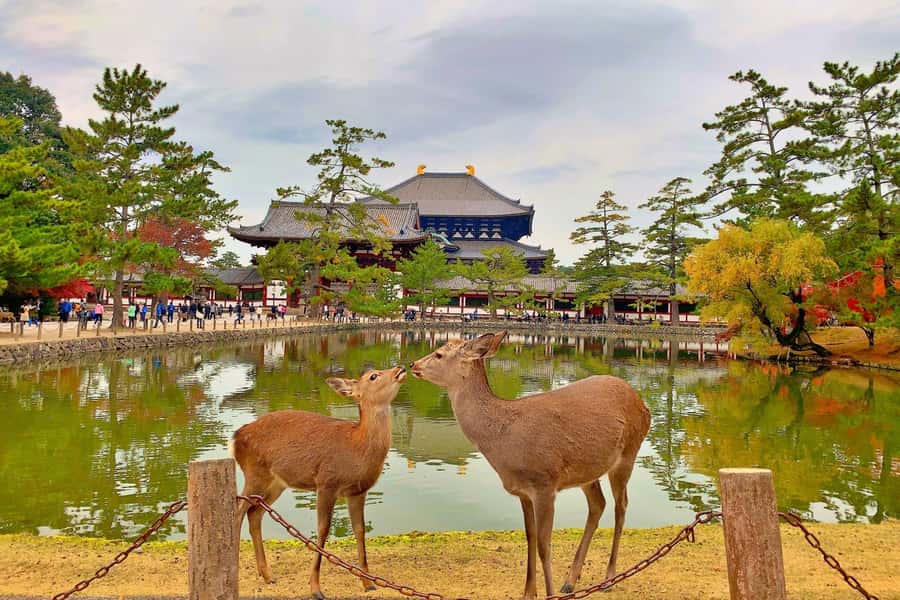
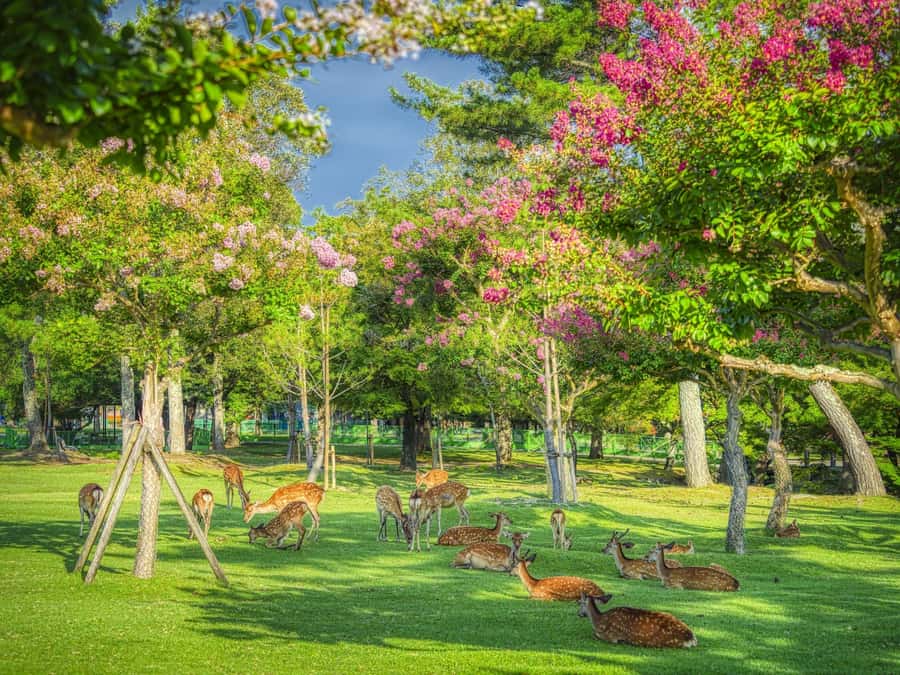
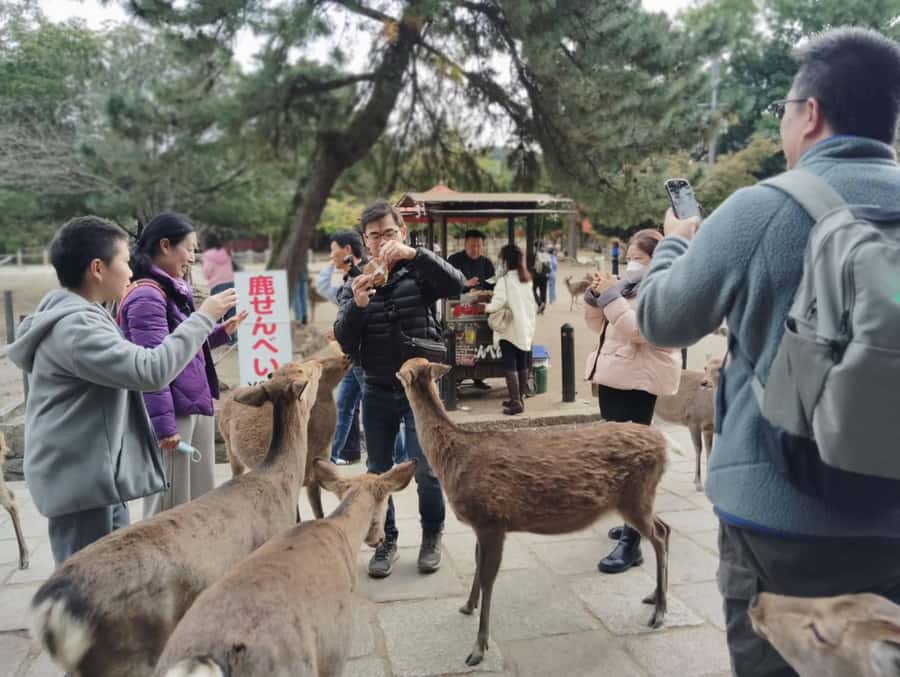
Nara Park hits a different note than Kyoto. Kyoto can feel refined and sculpted; Nara feels lived-in. The centerpiece here is the deer at Nara Park—friendly in the way wildlife can be friendly, but still wild.
You’ll get the classic deer encounter, and the key is to treat it like nature, not a petting zoo. The tour guidance is clear: don’t disturb the deer. That’s not just etiquette. It keeps you safer and helps preserve the experience for everyone else.
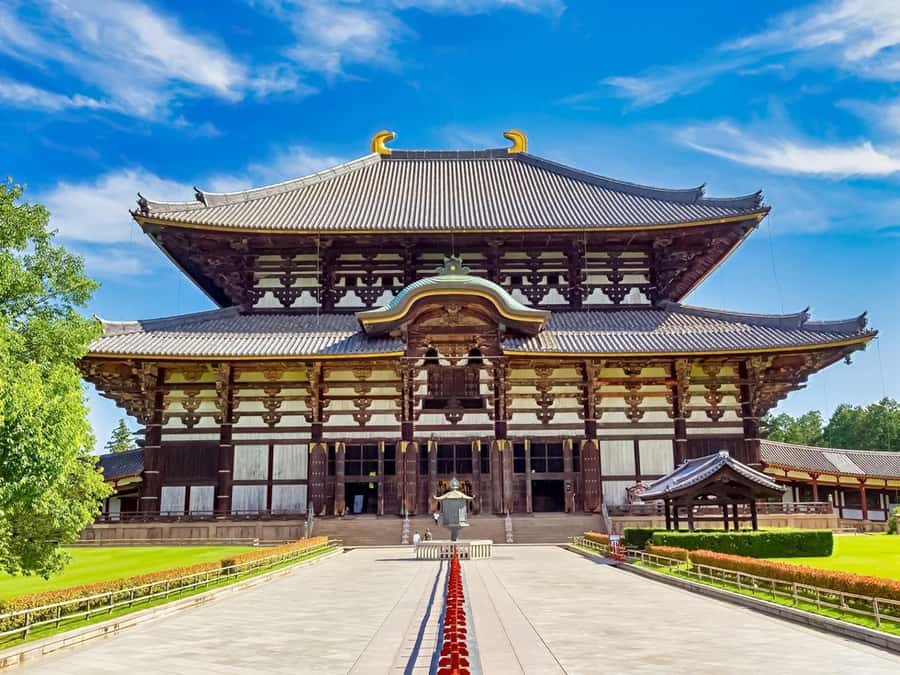
Todai-ji enters the picture as the big historical payoff. It’s the world’s largest wooden structure and another UNESCO World Heritage site, built around the famous colossal Buddha statue. There’s an entrance fee for Todai-ji that is optional—not included—so you can decide based on your priorities that day.
A realistic expectation: Nara’s charm comes with crowd energy. You’ll walk through an open, active area with lots of people moving in waves. If you want quiet photos, you’ll need a bit of patience and timing.
What I like about this stop as a tour choice is that it’s not just sightseeing. It’s sensory: the sounds, the movement, the scale of the temple complex, and those deer you can’t ignore once you’re there.
Fushimi Inari Taisha: torii gates, crowds, and a better way to do it
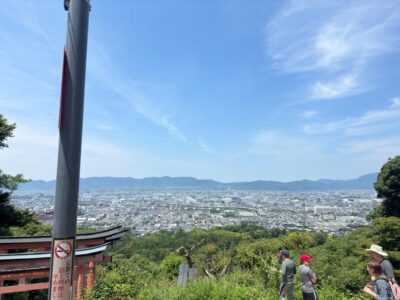
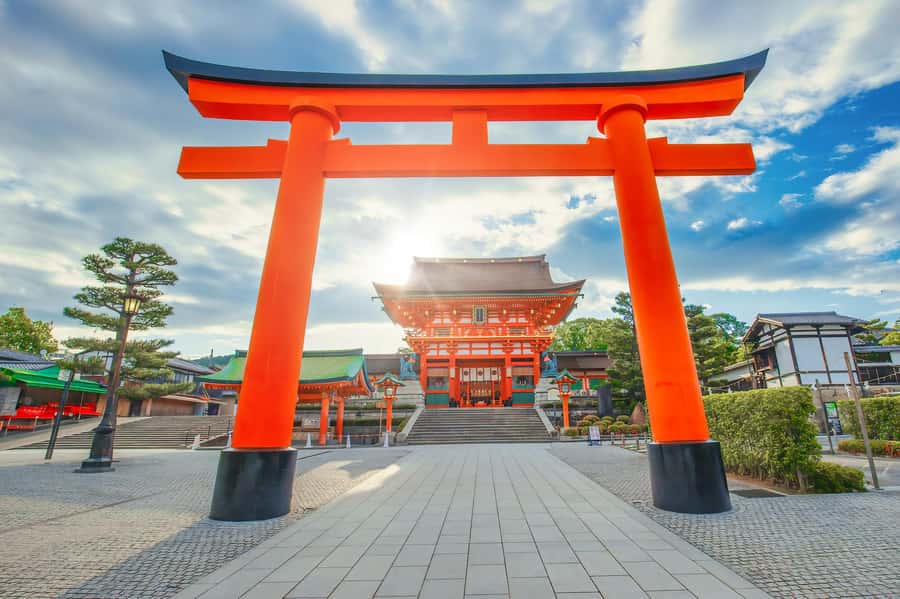
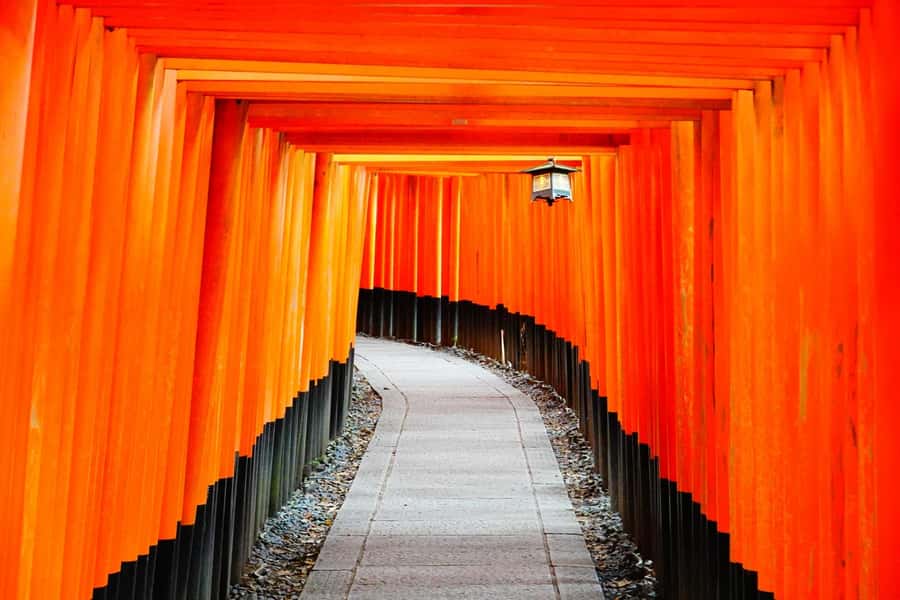
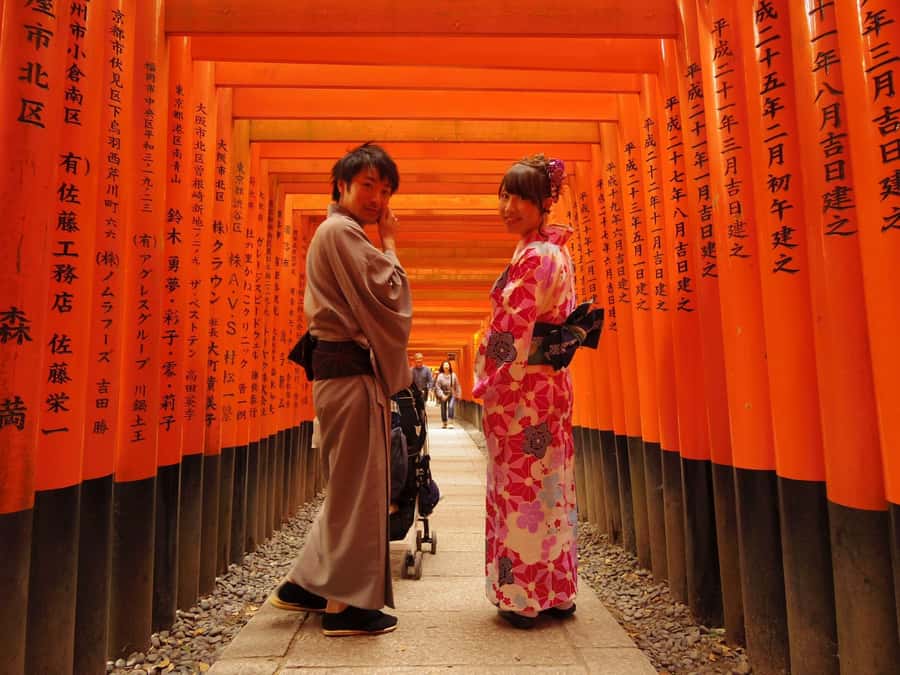
Fushimi Inari Taisha is famous for a reason: around 1,000 vermilion torii gates create a tunnel-like ascent up Mount Inari. Even if you’ve seen pictures, standing under the gates is different because the perspective shifts with every turn.
This tour’s value is that the guide helps you understand what you’re seeing. Fushimi Inari is a Shinto shrine dedicated to Inari Okami, tied to prosperity topics like business success and household safety. You’ll also encounter multiple smaller shrines along the way, each tied to the deity’s worship. That context turns the gates from scenery into a story you can follow.
Now, the practical consideration: Fushimi Inari can get crowded, and some time can get eaten up by walking and the location of where buses park. One common friction point is that the last stop can feel rushed compared with how long you want to linger. If you’re the type who likes to wander without a stopwatch, plan a little extra time on your next Kyoto day.
Helpful mindset: treat this stop like a walk with checkpoints. Decide what you want most:
- the most iconic gate tunnel view
- the upper viewpoints (if you’re willing to climb)
- the smaller shrine pauses for photos
Then commit to that plan so you don’t end up sprinting because the crowd slowed you down.





The bus, the timing, and how to avoid the usual day-trip traps
This experience runs about 9 hours, though traffic and conditions can shift it. It’s also important that the bus leaves promptly. Late arrivals or the wrong meeting point can mean you miss the tour, and there won’t be a refund for that.
That’s the downside of organized days: they’re built on fixed departure times. I’d rather have that structure than a vague plan, but you need to respect it.
What you can expect from the logistics:
- An air-conditioned vehicle
- An English- or Chinese-speaking guide
- Commentary may switch between languages depending on group size
- The tour returns by bus, with the option to end in Kyoto or Osaka
One more practical note: once you arrive at each site, you’re not typically following the guide step-by-step inside. The guide gives key info on the bus, then you roam and come back on schedule. That’s actually good for flexibility, especially if your pace is different from the average group.
Also, bring water and something small for heat if you’re traveling in summer. Some guides handle this with extra support like wipes and fans, but you should still come prepared.
Price and value: is $61 a smart deal?
At $61 per person, this tour is positioned as a value-packed day. The reason it can feel like a good bargain is that you’re not just paying for transit. You’re paying for:
- a guide in English or Chinese
- lunch included
- all taxes and fees
- an air-conditioned bus for a multi-stop route
When you compare that to the cost of getting yourself between Arashiyama, Nara, and Fushimi Inari, plus the time you’d spend figuring it out, the pricing makes more sense. Day tours add convenience, and convenience is the product here.
Where you might feel the cost isn’t perfect: if you want deep time at each place. This plan targets the main highlights. If your dream Kyoto day is slow, museum-level pacing, you’ll probably want a separate, more flexible schedule for the temples or the quieter neighborhoods.
Still, as a one-day sampler that leaves you full (literally—shabu-shabu or curry) and oriented, the value is real.
Who should book this tour (and who should not)
This is a strong fit if:
- you want the big Kyoto and Nara sights without transit stress
- you like organized plans but still want some freedom on-site
- you’re traveling as a group (including families) and want someone to keep the day moving
- you care about getting shrine and temple context, not just walking through crowds
It might not be the best fit if:
- you hate crowds and want solitude at Fushimi Inari for a long time
- you’re the type who needs long sit-down time before you’re ready for the next stop
- you want a food experience with lots of restaurant flexibility outside the included lunch
If you fall in the middle—wanting structure but also wanting time—this tour can still work. Just know that you may need to extend Fushimi Inari or Nara on another day if you love wandering.
Should you book this Arashiyama–Nara–Fushimi day trip?
Yes, book it if you want a high-impact, low-stress day that gets you to the must-see Kyoto-and-Nara trio with a real lunch included. The bamboo forest stop gives you that atmospheric Kyoto feeling, Nara Park adds the memorable deer moment, and Fushimi Inari is the kind of landmark that looks good in photos but hits harder in person.
Skip it or adjust expectations if you need lots of quiet time at the last stop. For Fushimi Inari, go in with a plan for what you want to see most, and don’t expect the day to feel leisurely.
If you’re okay with a packed but organized day, this is a solid use of one travel day in the Kyoto region.
FAQ
How long is the tour?
The tour is approximately 9 hours, but it can vary depending on traffic and unforeseen conditions.
Is lunch included?
Yes. Lunch is included, with options like Kobe beef shabu-shabu, Kyoto pork shabu-shabu, or vegetarian curry rice.
What does the tour include besides lunch?
You also get an English- or Chinese-speaking guide, an air-conditioned vehicle, and all taxes and fees. Exact meeting points depend on the option booked.
Do I need to pay for Todaiji temple?
Todaiji temple entrance fees are not included. The entrance fee is optional, depending on whether you choose to visit.
Is hotel pickup or drop-off included?
No. Hotel pickup/drop-off is not included, so you’ll meet the group at the designated meeting point.
Is the bus air-conditioned?
Yes, the vehicle is air-conditioned.
What should I do about the deer at Nara Park?
The deer are wild animals. Follow the guidance not to disturb them.
Where does the tour end?
The tour ends back at the meeting point, and you can return by bus with an option to disembark at either Kyoto or Osaka.