REVIEW · KYOTO
Kyoto: Tea Ceremony Meditation – Make Matcha with Tea Master
Book on GetYourGuide →Operated by aeru · Bookable on GetYourGuide
Kyoto matcha slows everything down. This 45-minute Omotesenke-style tea ceremony meditation in a 100-year-old townhouse gives you a calm, hands-on way to learn matcha etiquette, not just watch it. I especially like the small group size (limited to 10), and the chance to ask real questions with English-speaking tea masters. One possible drawback: you’re asked to keep the space perfume-free and you won’t have time for extra extras like kimono or hotel pickup.
What makes it feel authentic is the setting and the training behind the lesson. You’ll be guided by a host trained in the Omotesenke tradition, then you’ll whisk and make your own bowl with authentic, handcrafted utensils. Just note that this isn’t a food experience—there’s a sweet served with your tea, and no outside food/drinks are allowed, so come ready for tea and the ritual pace.
In This Review
- Key highlights you’ll actually feel
- A Calm Matcha Lesson Inside a 100-Year-Old Gojo Townhouse
- Omotesenke Tea Masters and Why English Q&A Feels Better Than a Script
- Making Matcha Yourself: The Steps That Actually Travel Home
- A quick etiquette tip for the day
- The Pace: 45 Minutes That Fits Kyoto Without Frying Your Day
- Tea Sweets and the Quiet Moment After You Drink
- Utensils, Japanese Crafts, and Meaningful Souvenirs
- Price and Value: Why $45 Can Be Fair for Hands-On Matcha
- Getting There in Kyoto: Gojo Area Directions (and No Hotel Pickup)
- Practical arrival tip
- Who Should Book This Matcha Workshop (and Who Might Skip It)
- Should You Book It? My decision checklist
- FAQ
- How long is the Kyoto tea ceremony meditation matcha workshop?
- What does the ticket cost?
- What’s included in the experience?
- Is hotel pickup or drop-off included?
- Is kimono rental included?
- Is the workshop wheelchair accessible?
- How many people are in each group?
- Are perfumes or colognes allowed?
- What’s the meeting point and how do I find it?
Key highlights you’ll actually feel
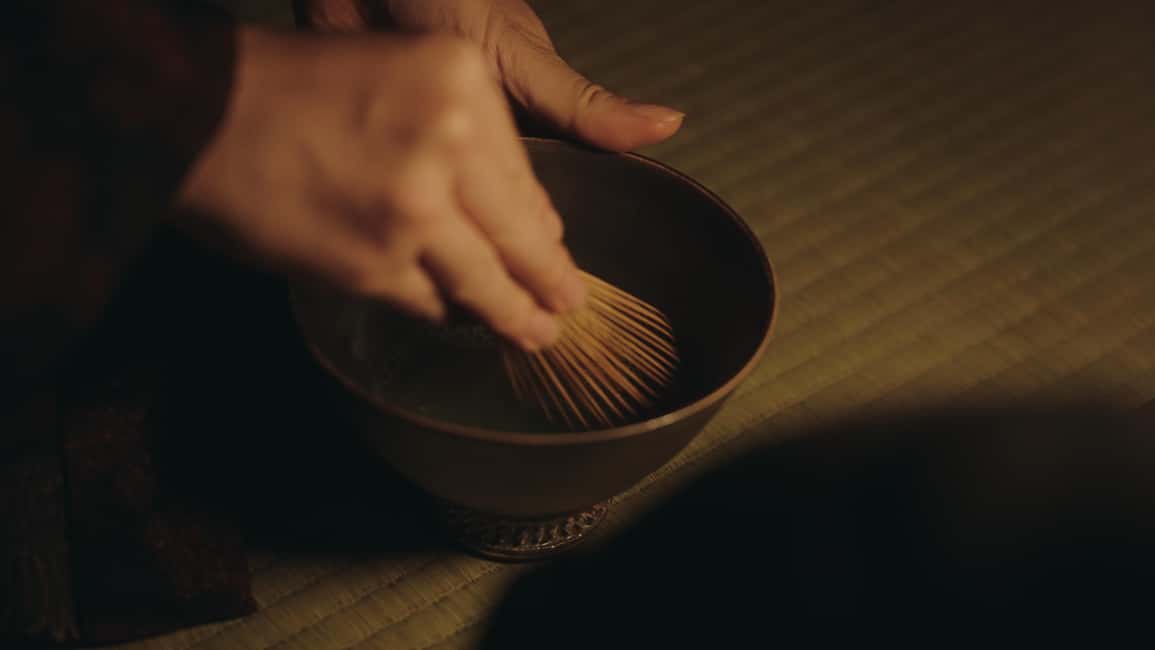
- 100-year-old Kyoto townhouse setting with tatami-style quiet that changes your tempo fast
- Small group (max 10) so you get hands-on help, not a spectator seat
- Omotesenke-trained guidance with English support and space for questions
- You make the matcha using authentic, handcrafted utensils
- Sweets plus a tea-tasting moment that’s part lesson, part calming reset
A Calm Matcha Lesson Inside a 100-Year-Old Gojo Townhouse
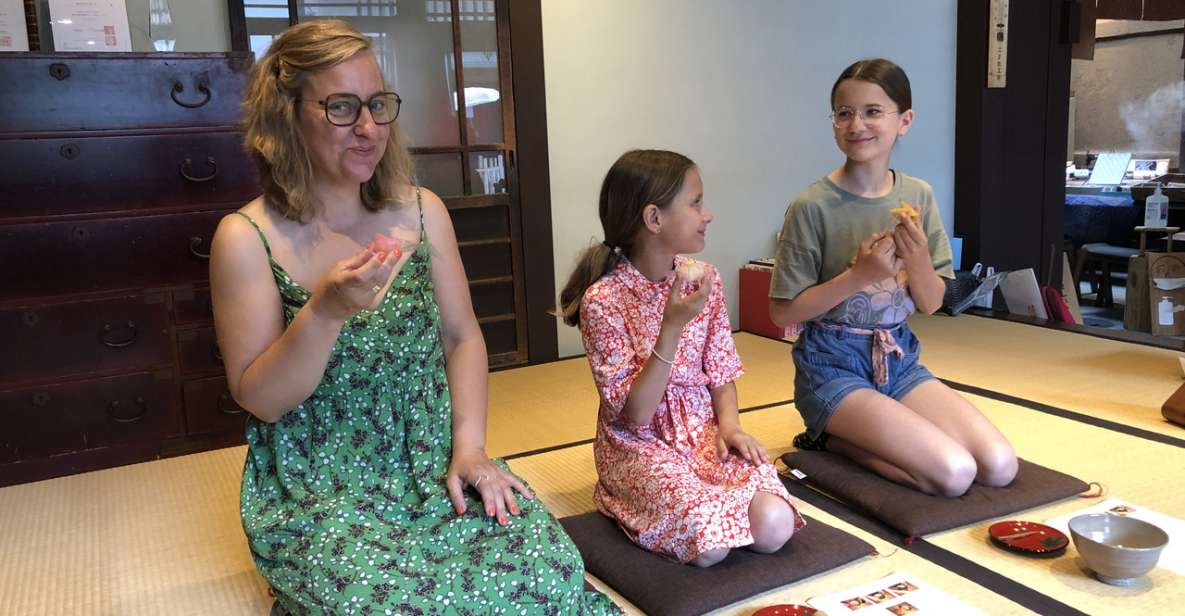
Kyoto can be loud. This experience chooses the opposite. You step into a traditional 100-year-old townhouse, where the room’s stillness and the scent of tatami help you shift gears right away. The ceremony doesn’t start with lectures. It starts with atmosphere: sit, breathe, and learn how tea can be done slowly on purpose.
The big win here is that the teaching environment supports the subject. When you learn matcha in a calm room, the details feel less like rules and more like rhythm—how you hold a bowl, how you prepare the space, and how the pace changes the cup. That matters, because matcha is simple on paper (powder + water), but exact in technique.
And the “meditation” part isn’t a gimmick. Even though you’re learning, the flow is designed to settle your brain. You’ll get instruction, then do the steps yourself, then drink your tea and sweet while everything is still fresh and focused.
You can also read our reviews of more tours and experiences in Kyoto.
Omotesenke Tea Masters and Why English Q&A Feels Better Than a Script
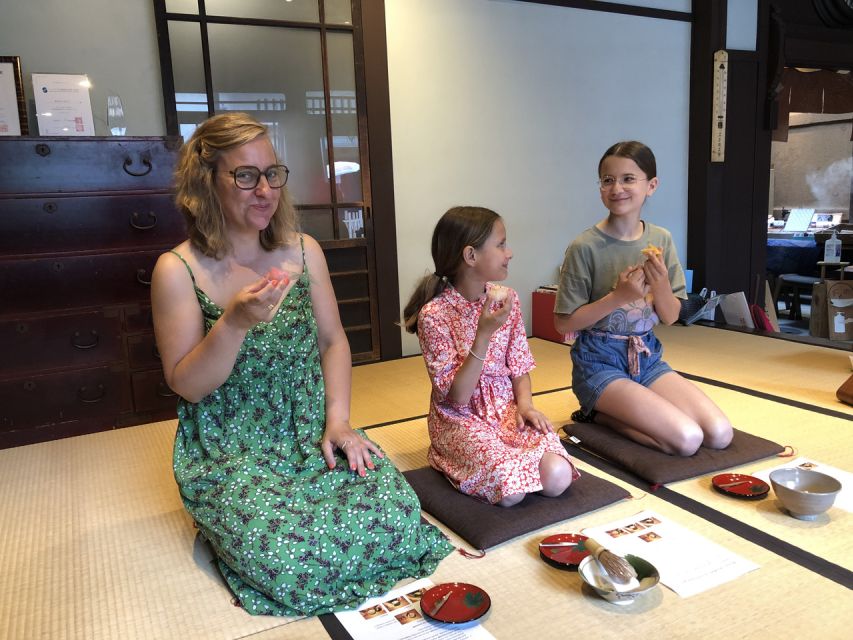
The host is trained in Omotesenke, one of Japan’s most respected schools of tea ceremony. That training shows in the structure: you’re guided step by step, with etiquette explained as you go—not as an afterthought.
English-speaking instruction is also a practical plus. Tea ceremony can be confusing if you only get a quick overview. Here, you’re welcomed to ask questions about tea and Japanese culture. That’s where the experience turns from entertainment into understanding.
In the class history you’ll see familiar host names like Miki, Aki, Joko, Yoko, and Kiyoka. You shouldn’t expect the exact same person each time, but it tells you this program uses real tea teachers who can explain clearly across cultures. If you’ve ever wanted to know why people do something a certain way in Japan, this is the kind of setup where answers come naturally.
One more small but meaningful detail: the class is small enough that questions don’t get stuck in the back of the room. You’re not yelling into a crowd. You’re talking to the person teaching you.
Making Matcha Yourself: The Steps That Actually Travel Home
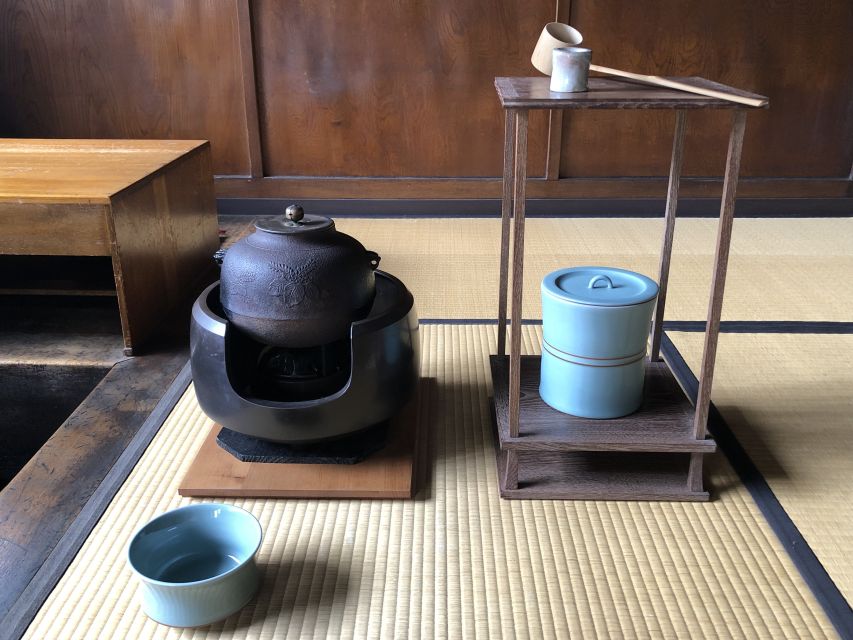
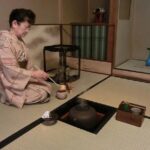
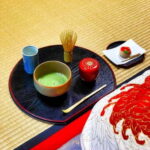
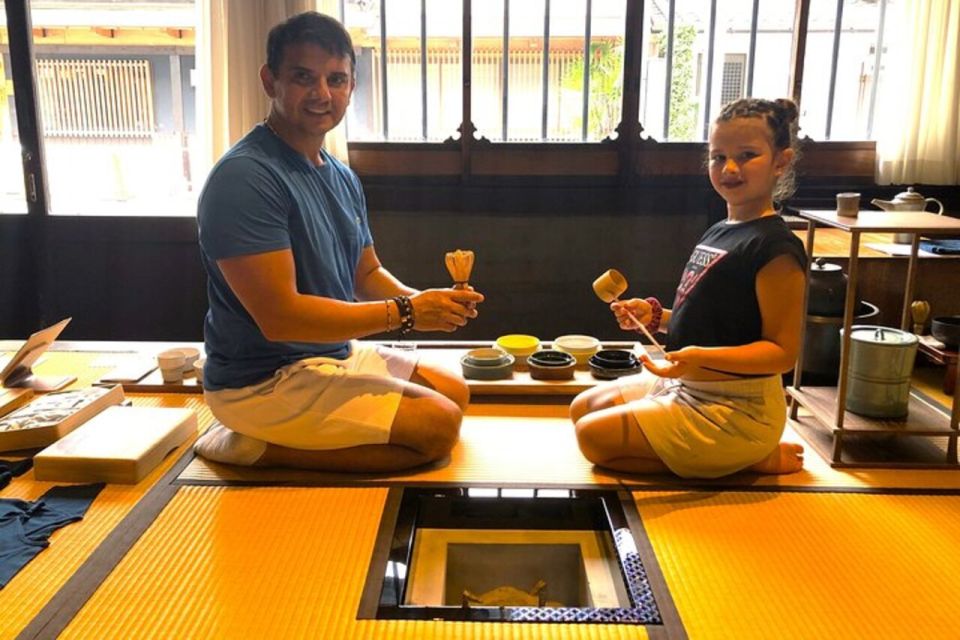
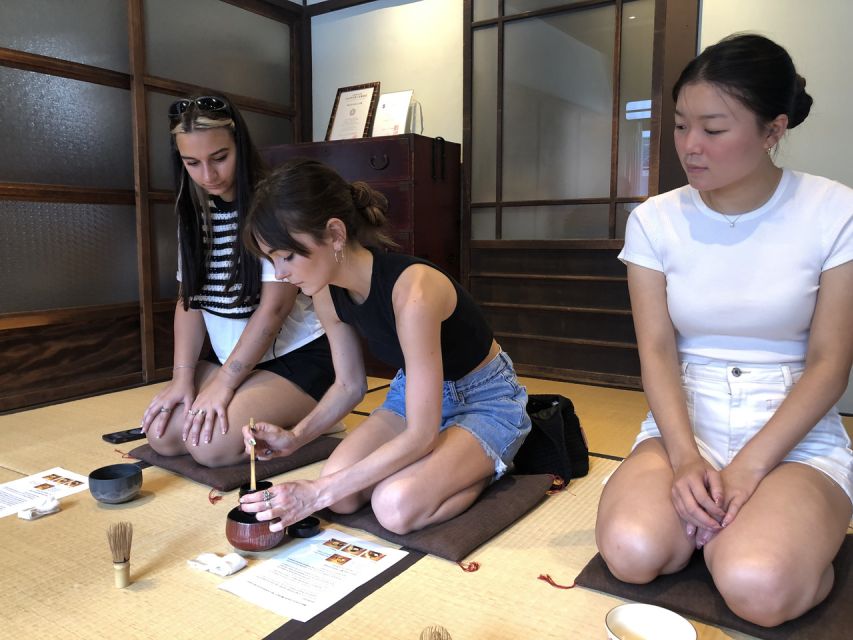
You’ll learn matcha-making the way it’s done for ceremony: with care, not speed. You’ll watch first, then make your own bowl. That hands-on part is what makes this worth your time in Kyoto. Watching is nice. Doing it once, even simply, gives you the muscle memory to appreciate what you’re seeing at tea houses later.
The workshop uses authentic, handcrafted utensils made by skilled artisans. That’s important because utensils aren’t just tools—they shape the feel of the process. The whisking texture, the way you handle the bowl, and how you move all affect the final cup and your own sense of control.
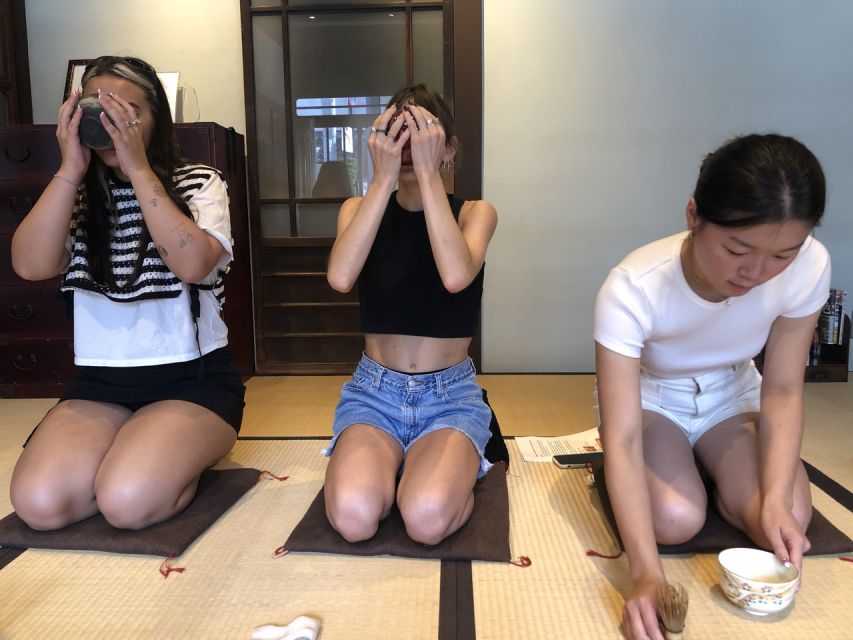
After you make your matcha, you’ll enjoy it right away with a traditional sweet. The tasting moment is part of the lesson: you experience the difference that technique makes, not just the idea of it.
And since this is “tea ceremony meditation,” the teaching isn’t harsh or rigid. It’s more like: here’s the reason behind the movements, and here’s how to do them calmly. You’ll leave with a better understanding of etiquette—plus a bowl of matcha you can recreate later.
A quick etiquette tip for the day
You’ll get the best aroma and atmosphere if you skip perfumes and colognes. Matcha is all scent and freshness—strong fragrance fights it. If you’re sensitive to smell, this rule helps you too.
The Pace: 45 Minutes That Fits Kyoto Without Frying Your Day
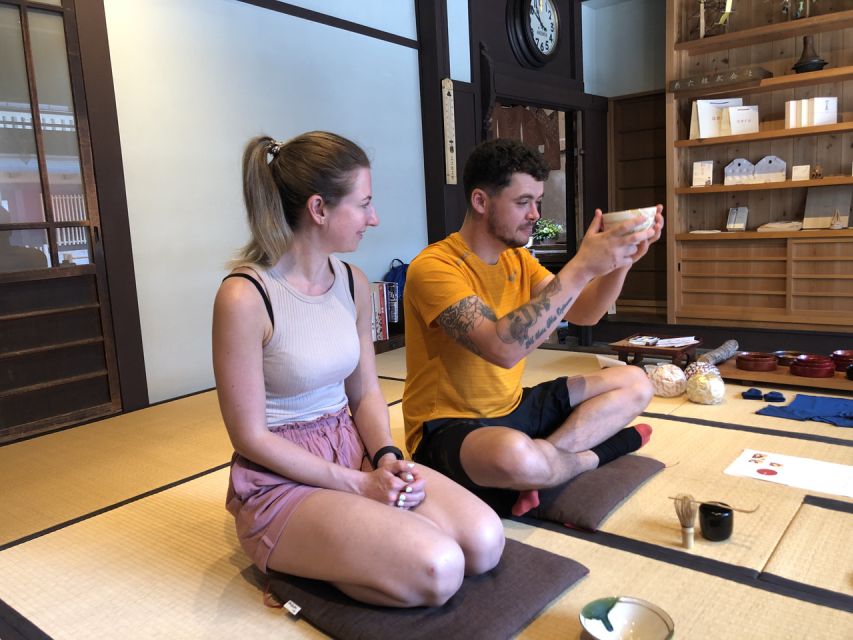
At 45 minutes, this class is short enough to slot into a busy Kyoto itinerary. That speed is a feature, not a flaw. Kyoto is made of walking, lines, and decision-making. A 45-minute reset gives you a calm pocket without stealing your whole afternoon.
Here’s how the time tends to feel:
- You arrive and settle into a limited-space setting.
- You get step-by-step guidance in the Omotesenke style.
- You make your own matcha bowl.
- You finish with your tea and a Japanese traditional sweet.
One consideration: the venue is described as not suitable for eating, and you’re asked to arrive no earlier than 10 minutes before your scheduled time. Translation: you’re there for the ceremony only, not for a snack stop before or after.
If your goal is a peaceful cultural moment that doesn’t turn into a half-day commitment, this timing makes sense.
Tea Sweets and the Quiet Moment After You Drink
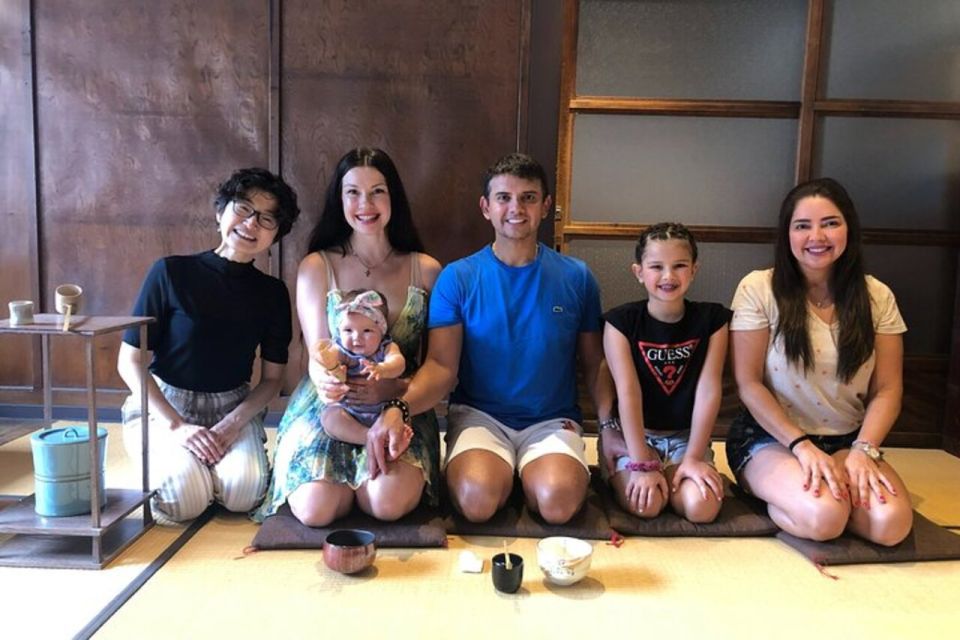
Included in the experience is 1 cup of matcha tea and Japanese traditional sweets. This matters because sweets aren’t random here. They’re typically paired to balance the tea experience—sweet first impressions, then matcha’s deeper flavor.
The sweet is also a useful bridge if you’re new to matcha. If you find the tea taste unfamiliar, the pairing helps you focus on the whole ritual rather than judging the cup alone.
The calm doesn’t stop after you drink. The class design encourages you to let the cup settle in your memory. That’s often what people remember most: not just the “how,” but the feeling you get when you do it correctly and slowly.
Utensils, Japanese Crafts, and Meaningful Souvenirs
One of the nicer parts is the chance to explore Japanese crafts connected to the experience, with opportunities to take home souvenirs. In practice, that usually means you can browse items at the end that relate to what you used or learned—like utensils and tea-related objects.
This is a better shopping model than the hard-sell version you sometimes see in tourist workshops. You’re not dragged through a store; you learn the ceremony, then you get an instinct for what you might want to bring back—something you’ll actually use or display with context.
If you’re the type who loves small, useful souvenirs (not just magnets), this portion can be a highlight.
Price and Value: Why $45 Can Be Fair for Hands-On Matcha
The price is $45 per person for about 45 minutes. On paper, that can sound “touristy.” But the value comes from what’s included and how it’s taught.
You’re getting:
- A guided tea ceremony experience
- Your own bowl of matcha-making instruction and execution
- 1 cup of matcha
- Traditional sweets
- Use of authentic, handcrafted utensils as part of the lesson
- Small-group attention (max 10)
Many cheaper classes end up being more like a demo with a quick try. Here, your time is built around doing the steps yourself and drinking your result. That’s where the value lands. You leave with something you can remember and, if you want, something you can recreate.
If you’re only hoping for a quick photo and a short sip, you might feel it’s not worth it. But if you want a real cultural skill you can understand (and maybe practice later), this price is in the fair zone.
Getting There in Kyoto: Gojo Area Directions (and No Hotel Pickup)
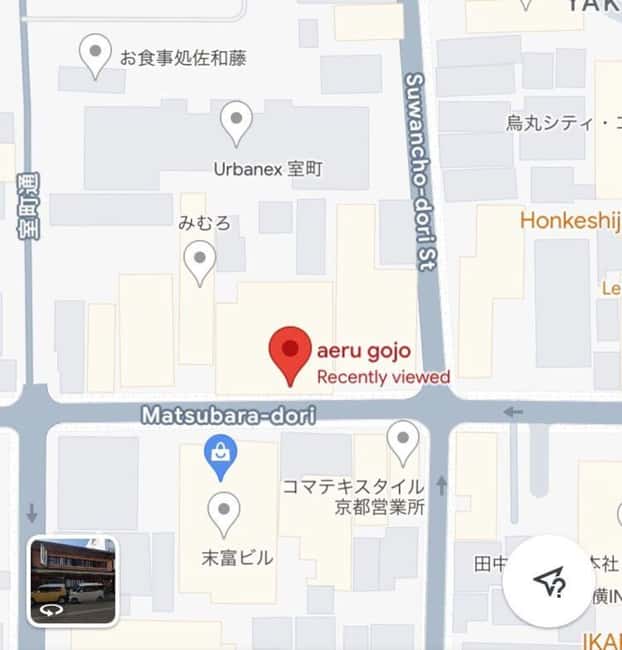
There’s no hotel pickup and drop-off, so you’ll want to plan on getting there yourself. That’s common for smaller cultural classes, but it’s still worth flagging because Kyoto can throw curveballs with walking distance and street names.
Your meeting point (from Karasuma-dori Street) is:
- Turn at the corner with the Family Mart convenience store
- Go straight for one block
- Look for the sign for aeru gojo, next to Only Corporation, across from Zen Kyoto
There’s also no parking lot. If you’re arriving by rental bicycle, you’ll need to use public parking spaces, and the closest option is linked in the activity info.
Practical arrival tip
Arrive no earlier than 10 minutes before your scheduled time. The space is limited, and you’re not meant to linger in a way that disrupts the ceremony flow.
Who Should Book This Matcha Workshop (and Who Might Skip It)
This is a strong match for:
- First-timers who want tea ceremony context, not just a tasting
- People who love quiet, guided experiences in beautiful spaces
- Anyone who wants hands-on instruction with proper technique
- Families with older kids who can sit through a short cultural lesson (the format is friendly enough for children in some groups)
It might be a less perfect fit for:
- Anyone hoping for a full, strict formal tea ceremony lasting hours
- People who want extras like kimono rental (not included)
- Those who need a class that works around strong fragrance or last-minute snack stops
Also, keep in mind what’s not allowed: food and drinks aren’t permitted, and bikes aren’t allowed inside the venue. So if you’re coming straight from shopping or eating, finish first.
Should You Book It? My decision checklist
Book this Kyoto matcha workshop if your goal is a calm cultural reset plus real technique. The combination of a serene 100-year-old townhouse, English-friendly instruction, and the fact that you make your own matcha pushes it into the “worth planning for” category.
Skip it or choose another option if:
- You want a longer, more formal multi-course tea event
- You’re counting on kimono or hair styling being included
- You need a more flexible setup for food/drinks during the session
If you want one Kyoto experience that feels authentic, teachable, and emotionally quiet, this is one of the better bets.
FAQ
How long is the Kyoto tea ceremony meditation matcha workshop?
It runs for 45 minutes.
What does the ticket cost?
The price is $45 per person.
What’s included in the experience?
You get the tea ceremony experience, 1 cup of matcha tea, and Japanese traditional sweets.
Is hotel pickup or drop-off included?
No. Hotel pickup and drop-off are not included.
Is kimono rental included?
No. Kimono and hair setting are not included.
Is the workshop wheelchair accessible?
Yes, the experience is wheelchair accessible.
How many people are in each group?
It’s a small group limited to 10 participants.
Are perfumes or colognes allowed?
To enjoy the matcha aroma and for the comfort of everyone, you’re asked to refrain from wearing perfumes or colognes.
What’s the meeting point and how do I find it?
From Karasuma-dori Street, turn at the corner with Family Mart, go straight one block, then look for aeru gojo next to Only Corporation and across from Zen Kyoto.