REVIEW · KYOTO
Kyoto: Gion Local Food Tour (Taste 15 Dishes)
Book on Viator →Operated by With Japan · Bookable on Viator
Kyoto at night has a way of pulling you in fast. This Gion local food tour turns a tricky language-and-menu situation into a simple walk from spot to spot, with a guide handling ordering and translation and 15 different dishes to sample in about three hours.
I like that the experience mixes famous classics with everyday izakaya-style comfort food, so you get variety without needing to research restaurants all day. One possible drawback is that this is a fast-paced, food-first night in busy streets, so you’ll want to arrive on time and wear shoes you can walk in comfortably.
In This Review
- Quick Take: What You’ll Actually Enjoy
- Kyoto Gion Food Tour: Why This Works Better Than DIY Nights
- The part I’d call out
- Price and Value: Is $94 a Fair Deal for 15 Dishes?
- Where value can wobble
- The 3-Hour Night Route: Yakitori to Tonkatsu to Sushi & Tempura
- Stop 1: Kawaramachidori for Yakitori and Izakaya-Style Bites
- Stop 2: Gion for Tonkatsu (Crispy Pork Cutlet)
- Stop 3: Gion Shirakawa for Sushi and Tempura
- The Real Secret Ingredient: Translation and Ordering Help
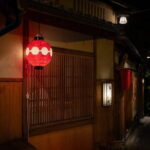
- Gion at Night: Stories, Short Walks, and Cultural Context
- Why this matters for you
- The Group Size and Pace: Small Enough to Feel Human
- Practical advice for you
- What’s Included (and What You Should Budget For)
- When This Tour Might Not Be Your Best Fit
- How to Make the Meeting Work Smoothly
- Should You Book This Kyoto: Gion Local Food Tour?
- FAQ
- What is included in the Kyoto Gion Local Food Tour?
- How long is the tour?
- How much does the tour cost?
- Where does the tour start?
- What time does the tour start?
- What foods will I try on the tour?
- How many people are in the group?
- Is a mobile ticket used?
- What is the cancellation policy?
- Do I need to tip or pay extra for gratuity?
Quick Take: What You’ll Actually Enjoy
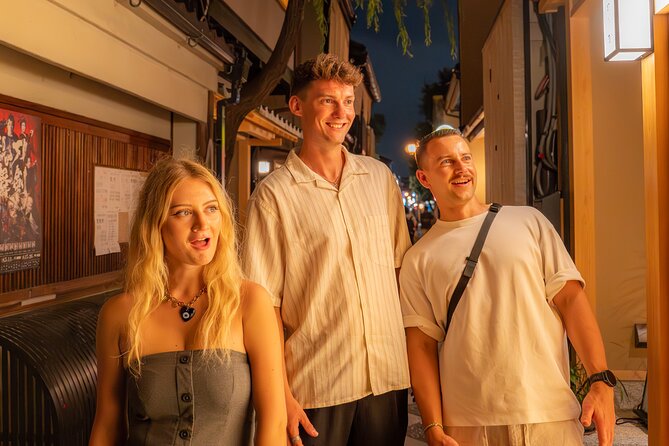
- 15 local dishes in one evening, so you can taste more than you could on your own
- Guide-led ordering and translation, which saves you from menu guesswork
- A night route that ties food to place, including Gion atmosphere and cultural context
- Stops built around yakitori, tonkatsu, sushi, and tempura styles
- A small group (up to 15 people) that keeps the pace friendly and manageable
Kyoto Gion Food Tour: Why This Works Better Than DIY Nights
Kyoto is wonderful, but food planning can get annoying fast—menus are in Japanese, restaurants can be hard to enter if you’re solo, and the best places are often packed. This tour is built to remove those friction points. You show up, the guide takes care of ordering and translation, and you move as a group between places that fit the theme of the night.
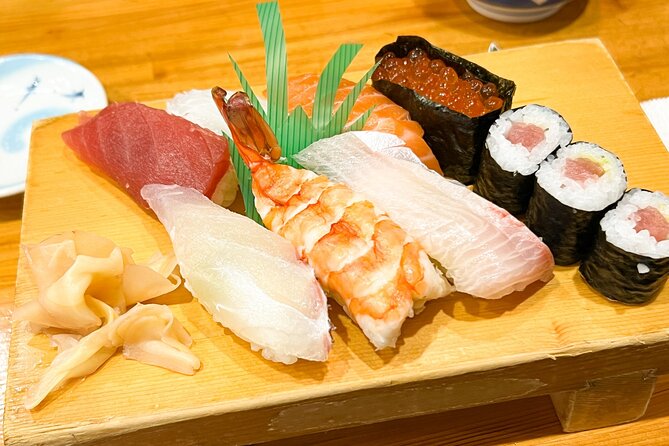
Another reason it feels good is the balance. You’re not stuck with only one kind of food. The format is very “Japan at ground level”: quick plates, skewers, fried cutlets, and a closing stop that typically includes sushi and tempura. It’s exactly the kind of spread that helps you figure out what you like without wasting time on a full meal that might miss.
You can also read our reviews of more food & drink experiences in Kyoto

The part I’d call out
The guides named in guest experiences—people like Ryu, Misaki, Jay, Yu, and Liu—get praised for being friendly, keeping the group moving, and helping people feel included even across different comfort levels with Japanese. That matters because you’re tasting a lot, but you also want the night to feel relaxed, not rushed or confusing.
Price and Value: Is $94 a Fair Deal for 15 Dishes?
At $94 per person, you’re paying for three things: multiple meals/snacks, drinks, and a guide who handles the hard parts (ordering, timing, translation, and crowd navigation). If you’ve ever tried to “DIY” a food crawl in Kyoto, you know the hidden costs: cover charges, expensive solo dinners you don’t love, and the time spent searching.
Here’s what the tour includes based on the details you provided:
- 15 local dishes
- 2 drinks
- a local guide
- about 3 hours in the evening
That’s the core value equation. If the average dish costs more than you’d spend on your own, the difference is offset by convenience and the fact that you’re sampling at multiple small spots. Also, because it’s small-group (max 15 travelers), you’re not dealing with a huge crowd that makes ordering and movement awkward.
Where value can wobble
One lower-rating experience mentioned disappointment with what was served early in the evening, specifically that the early portion felt skewer-heavy. Another low-rating account mentioned logistical hiccups that affected the first stop. Those aren’t guaranteed outcomes, but they’re a reminder: this is a shared tasting format, not a custom tasting menu.
So, if you want variety that feels extremely even across the night, go in with an open mind. If you’re flexible and just want lots of food with help from the guide, the value usually makes more sense.
The 3-Hour Night Route: Yakitori to Tonkatsu to Sushi & Tempura
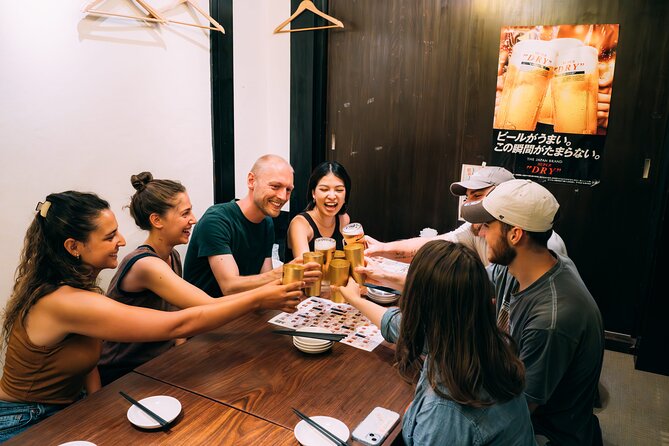
The tour is structured as a short walk-and-taste circuit with three main stops, each roughly an hour. You’ll likely spend time between locations as well—so think of it as a guided night stroll with scheduled snacks.
You can also read our reviews of more tours and experiences in Kyoto
Stop 1: Kawaramachidori for Yakitori and Izakaya-Style Bites
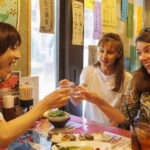
This first stop leans classic: yakitori (grilled chicken skewers) plus other izakaya-style dishes. It’s a smart opener because skewers and small plates are designed for sharing and variety—you can taste without committing to a full entrée.
What you’ll like here
- It sets the tone for the rest of the night: Kyoto street food energy, but handled for you.
- If you’re new to yakitori, this is an easy first step with guide help.
What to watch
- One critical comment focused on the early skewers being repetitive. That doesn’t mean it will be your experience, but it’s a good reason to come hungry with the expectation of izakaya-style comfort food rather than gourmet surprises.
Stop 2: Gion for Tonkatsu (Crispy Pork Cutlet)
Next up is tonkatsu, deep-fried pork cutlet served crisp and savory. This stop is the contrast move: after grilled skewers, you get something crunchy and rich. It’s also a great dish for people who want to understand Japanese frying technique in a way that’s easy to appreciate.
Why this works in Gion
Gion is famous for its atmosphere, and tonkatsu is the kind of food that feels right in a casual evening context. You’re tasting something that’s both approachable and distinct, without needing specialized knowledge to enjoy it.
Potential drawback
If you don’t like fried food, this is the moment when the menu may feel heavier. The tour does include multiple types of dishes overall, but tonkatsu is a big anchor here.
Stop 3: Gion Shirakawa for Sushi and Tempura
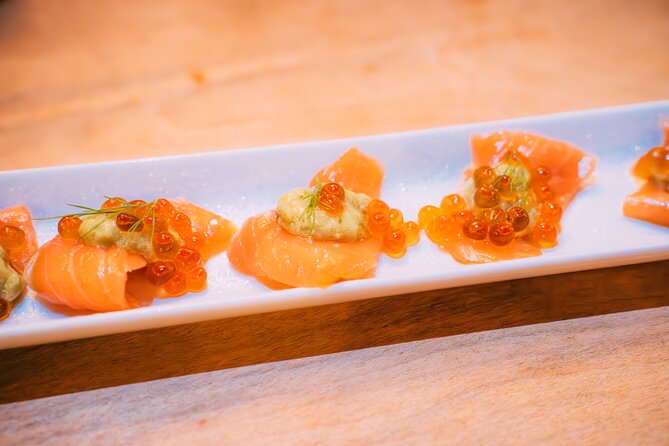
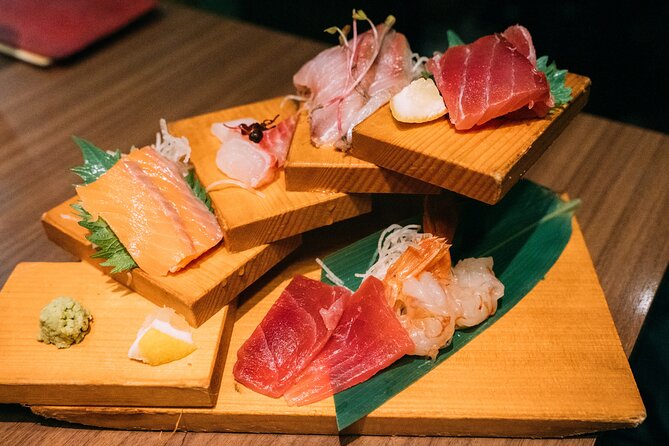
The final stop shifts to two of Japan’s most recognizable foods: sushi and tempura. This is also where the night can feel like a payoff—lighter than tonkatsu in many cases, but still deeply satisfying.
One detailed guest account described sake being part of the mix at this stage, alongside the sushi and tempura. You shouldn’t assume every night includes that exact pairing, but it gives you an idea of the style: a celebratory finish that tastes like a proper Kyoto evening.
What you’ll likely feel here
- You’re wrapping up with variety: seafood rice flavors plus crispy battered bites.
- The guide’s translation help matters most at the end, because menus and pairings can get more specific.
The Real Secret Ingredient: Translation and Ordering Help
This tour’s biggest practical advantage is that the guide handles the parts that typically slow people down: ordering, explaining, and smoothing over any menu confusion. That’s not just “nice”—it changes your whole experience.
In practical terms:
- You don’t waste time asking basic questions in a language you’re not fluent in.
- You don’t accidentally order something that you can’t eat comfortably.
- You can focus on the food and the stories instead of managing logistics.
Several praised guides in guest experiences are noted for being fluent in English and Japanese, and for keeping communication clear. One guide—Misaki—was specifically praised for early updates and being warm and enthusiastic, which is exactly the kind of prep that makes a night tour feel stress-free.
Gion at Night: Stories, Short Walks, and Cultural Context
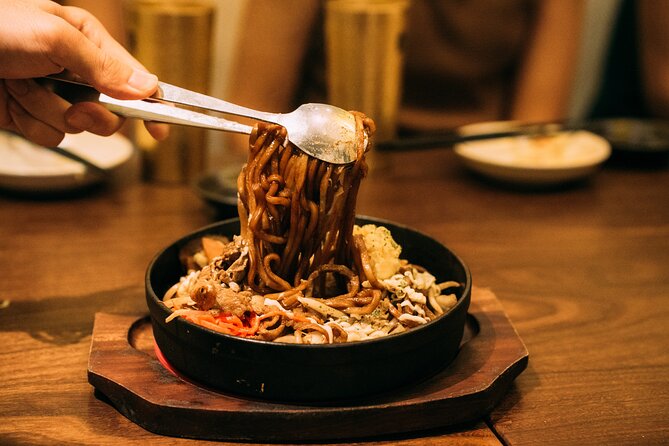
Food tours can sometimes feel like you’re just checking off plates. This one tries to connect dishes to the surrounding world—food history and traditions—so the night feels like more than a snack run.
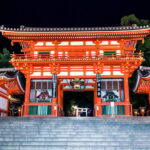
A memorable detail from guest experiences: a guide described religious meaning related to Shinto and explained writing on lanterns during a walk that can include Yasaka shrine while you’re waiting for the next snack. Even if your exact timing differs, it’s a good example of how the tour turns “where are we walking?” into “why does this place matter?”
Why this matters for you
If it’s your first trip to Kyoto, cultural snippets help you notice what you’d otherwise miss. You’ll still be eating, but you’re also learning how locals think about food and place. That’s the difference between eating in Japan and understanding how Japan eats.
The Group Size and Pace: Small Enough to Feel Human
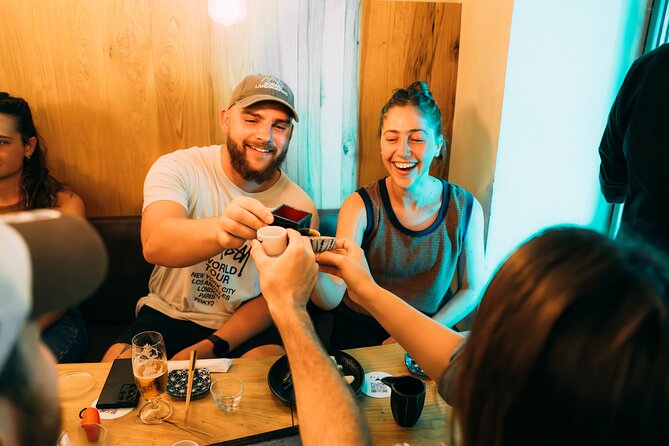
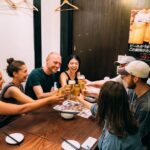
With a maximum of 15 travelers, the tour stays in the sweet spot. Big groups struggle with movement and ordering; small groups help you stay together and keep the vibe friendly.
That’s why many guests mention feeling like it was more like going out with friends than joining a busload of strangers. A guide like Ryu was praised for keeping the group comfortable and for pacing the walk while snack timing happened. Another guide (Leo) was described as flexible and personable, which usually means the night doesn’t feel rigid if someone needs a quick moment.
Practical advice for you
- Bring a light jacket. It’s a 6:30 pm start, and Kyoto can cool off at night.
- Expect walking between stops, and plan on staying with the group.
- Eat before you go only if you’re truly light on appetite; the tour is designed around you working through multiple dishes.
What’s Included (and What You Should Budget For)
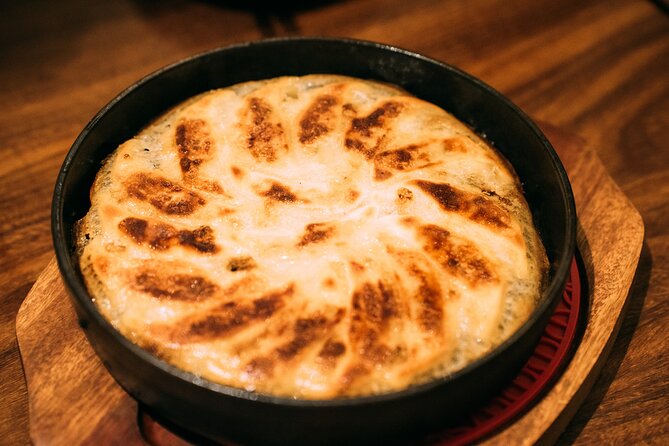
Included:
- 15 local dishes
- 2 drinks
- local guide
Not included:
- gratitude (which is just a reminder that tips are optional, not built into the price)
So the only real extra costs should be anything you choose to buy beyond the 2 drinks and what you want to snack on after the tour ends.
When This Tour Might Not Be Your Best Fit
Based on what you provided, here are the main reasons someone might not love it:
- You strongly dislike chicken skewers. Since the first stop focuses on yakitori, it may feel too chicken-forward if your preferences are narrow.
- You hate busy-night navigation. It’s a walking tour in a crowded area, so you’ll want stamina and patience.
- You need everything to run perfectly on schedule. One account described missing the first stop due to confirmation issues and trouble finding the meeting point after changes. That’s not the norm, but if you’re the kind of person who panics when plans shift, arrive early and keep an eye on your messages.
How to Make the Meeting Work Smoothly
The tour starts at 6:30 pm at Doutor Coffee Japan in Kyoto:
- Address shown: Kyoto, Nakagyo Ward, Komeyachō, 391 河原町ニュートーキョービル 1F
It ends back at the meeting point.
Two practical moves will help:
- Arrive a bit early so you can confirm you’re at the right door or floor.
- Keep your mobile ticket ready on your phone so you can check in fast.
Should You Book This Kyoto: Gion Local Food Tour?
I’d book it if you want a structured, low-stress way to eat your way through Kyoto without wrestling with menus or timing. The price feels reasonable for the amount of food (15 dishes) plus the guide help (ordering and translation), and the small-group size keeps the night friendly.
Skip it (or at least think twice) if you’re picky about what you eat or you’re hoping for a highly custom gourmet menu. This is more about authentic local eating patterns—especially izakaya-style bites early on—and less about fine dining theatrics.
If you’re flexible, hungry, and excited to walk through Gion at night while someone else handles the order forms, this one is a solid pick.
FAQ
What is included in the Kyoto Gion Local Food Tour?
The tour includes 15 local dishes, 2 drinks, and a local guide.
How long is the tour?
The duration is approximately 3 hours.
How much does the tour cost?
The price is $94.00 per person.
Where does the tour start?
It starts at Doutor Coffee Japan, Kyoto (address provided in the meeting point details).
What time does the tour start?
The start time is 6:30 pm.
What foods will I try on the tour?
The tour includes dishes such as yakitori (grilled chicken skewers), tonkatsu (crispy pork cutlet), plus a final stop featuring sushi and tempura.
How many people are in the group?
The tour has a maximum of 15 travelers.
Is a mobile ticket used?
Yes, the tour includes a mobile ticket.
What is the cancellation policy?
You can cancel for a full refund up to 24 hours in advance of the experience start time. If you cancel less than 24 hours before, the amount paid is not refunded.
Do I need to tip or pay extra for gratuity?
Gratitude is listed as not included, which means tips are not automatically included in the price.