REVIEW · KYOTO
Kyoto Railway Museum Admission Ticket
Book on GetYourGuide →Operated by GlobalTix JP · Bookable on GetYourGuide
Kyoto has trains that feel alive. At the Kyoto Railway Museum, you walk through railway history using real cars, real engines, and interactive displays, all in one solid day. I especially like the sheer variety: 53 real trains, from steam classics to the famous Shinkansen, and the fact that you can get hands-on instead of just reading placards.
I also love the roundhouse experience. Seeing a working steam locomotive and watching the turntable rotation is the kind of mechanical theater that makes even non–train people grin. One thing to keep in mind: the museum is closed every Wednesday, and opening hours can vary, so check before you go.
In This Review
- Key highlights you’ll actually care about
- Getting to Kyoto Railway Museum and squeezing value from 1 day
- 53 real trains: the collection that makes the museum work
- Roundhouse magic: steam locomotive ride and the turntable spectacle
- Hands-on exhibits: train interiors and driving simulators
- Dioramas, Sky Terrace breaks, and the indoor pace
- Price and value: why $9 is a fair deal for this museum
- Who should buy this ticket
- Quick practical tips before you go
- Should you book the Kyoto Railway Museum admission ticket?
- FAQ
- Where is the Kyoto Railway Museum?
- How much is admission?
- How long can I spend at the museum?
- What are the main things to do there?
- What should I expect from the collection?
- Is the museum closed on certain days?
- Are there height or age rules for tickets?
- Can I leave and re-enter during the same day?
- What if there is a long line when I arrive?
- Is the museum wheelchair accessible?
Key highlights you’ll actually care about

- 53 real trains on display, spanning steam to Shinkansen
- Working steam locomotive ride for a nostalgic, hands-on feel
- Roundhouse turntable rotation that you can watch up close
- Train interiors you can step into, not just view through glass
- Driving simulators and other interactive exhibits for active learning
- Sky Terrace views to reset your brain between exhibits
Getting to Kyoto Railway Museum and squeezing value from 1 day
If you want this to feel easy, treat it like a focused museum visit, not a long Kyoto wandering day. Your ticket is standard admission for a 1-day visit, and the basic plan is simple: go in, pick your favorites, and don’t overthink it.
Your meeting point is direct entry. You’ll proceed straight to Kyoto Railway Museum for redemption at the site (the coordinates are 34.9870986, 135.7422732 if you plug it into your map app). When you get your ticket handled, you can move through the museum at your own pace.
A small logistics note that matters once the lines build up: if it’s busy, you should wait in line at the entrance area for the Early Bird Advance Ticket. The museum is very popular with families and train fans, and a little patience at the start keeps the rest of your visit smooth.
Also, plan around the closure. The museum is closed every Wednesday, and opening hours may be different depending on the day. If your schedule includes a Wednesday, it’s an easy swap to make before you commit.
You can also read our reviews of more tours and experiences in Kyoto


53 real trains: the collection that makes the museum work
The headline here is the collection: 53 real trains you can see in real life, not just in photos. That number is big enough that you’ll want a strategy, because otherwise you’ll end up “speed-watching” and missing what you came for.
What makes this collection meaningful is the range. You get everything from older steam-era machinery to high-speed modern rail, including the Shinkansen. That sweep is what turns the museum from a hobbyist stop into a satisfying learning experience for anyone curious about how rail systems evolve.
As you walk, pay attention to what changes across eras:
- Engines and drivetrains show different design priorities depending on the technology of the time
- Passenger cars reflect changing ideas about comfort, capacity, and service
- Signaling and rail “supporting systems” help you see that trains are only part of the story
A pattern you’ll likely notice: the museum doesn’t just say what a train is. It also explains the technical “how it works” pieces you’d normally never spot while watching trains from a station platform.
And yes, it’s a great place for kids because it’s interactive and visual. Even if you’re traveling solo, you get the benefit of a family-friendly layout: clear points of interest, hands-on areas, and frequent moments where you stop moving because something is genuinely cool.
Roundhouse magic: steam locomotive ride and the turntable spectacle
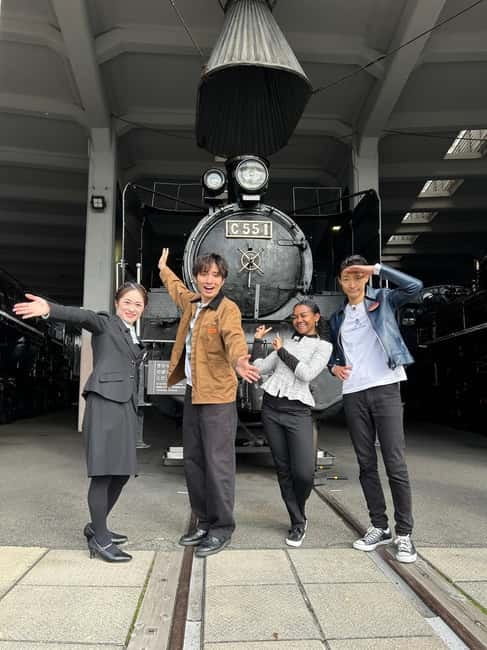
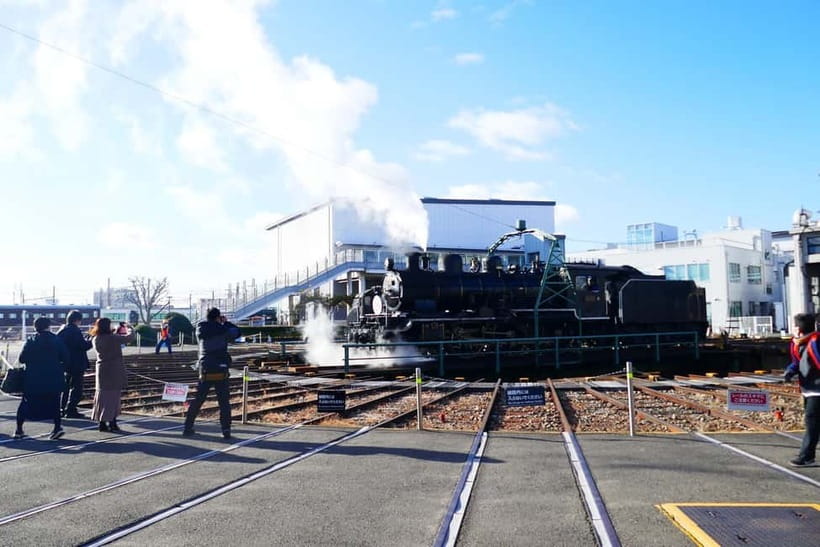
This is the part that turns museum time into a memory. The museum includes a working steam locomotive, and you can ride it. That’s the kind of experience that doesn’t require you to know anything about rail engineering first. You just hop in and feel what steam power has that modern trains don’t.
Right next to that, you can watch the roundhouse action. The turntable rotation is described as thrilling, and it’s easy to see why. The spectacle is mechanical and obvious: a massive platform swiveling so different cars can line up. You’re not imagining it from a diagram. You’re watching it do its job.
Practical tip: keep this part flexible. The museum offers both a ride and a viewing experience, and they’ll naturally take some time to fit into your visit. Build your schedule like this:
- Do the indoor exhibits first, so you’re not rushing when you get to the roundhouse
- Save a chunk of time to stand, watch, and participate if the ride slot is available during your visit
No matter your interest level, this roundhouse section is where the museum earns its “don’t miss” status.
Hands-on exhibits: train interiors and driving simulators
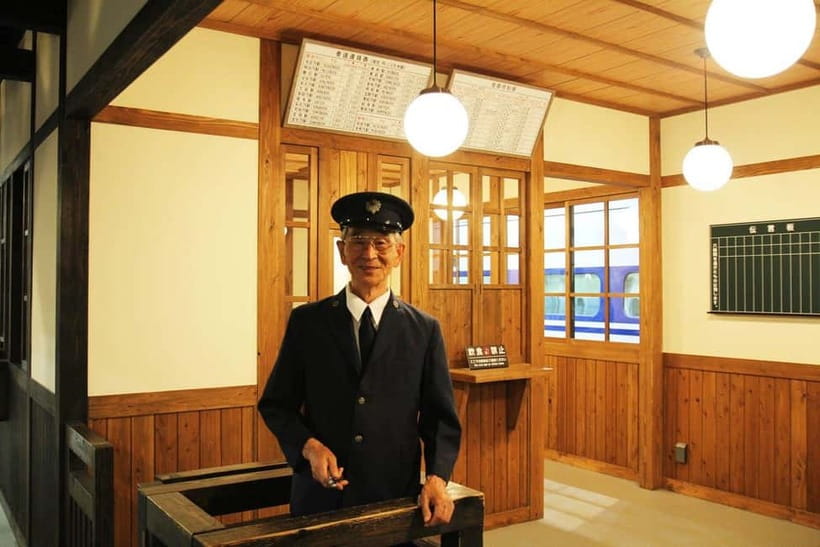
If you like museums, you probably already know the secret: the ones that feel worth it are the ones you can touch. Here, you can step inside iconic trains and explore details up close. That changes everything. Seeing a cabin from the outside is one thing. Standing in it, looking at layout and controls, is another.
Then there are the hands-on simulators, including train-driving style experiences. Even if you don’t get every control right, the point is the attempt. You’re learning how the experience feels and how rail operations work at a simplified, understandable level.
The best way to enjoy these is to slow down in the simulator areas. Don’t treat it like a quick photo stop. Spend enough time to run through at least one full interaction so you actually connect what you see with what the machine is doing.
One small consideration: interactive areas can take longer than you expect, especially when the museum is busy. That’s not a dealbreaker. It’s just why you should plan for a calm pace rather than trying to “cover everything” in a rush.
Dioramas, Sky Terrace breaks, and the indoor pace
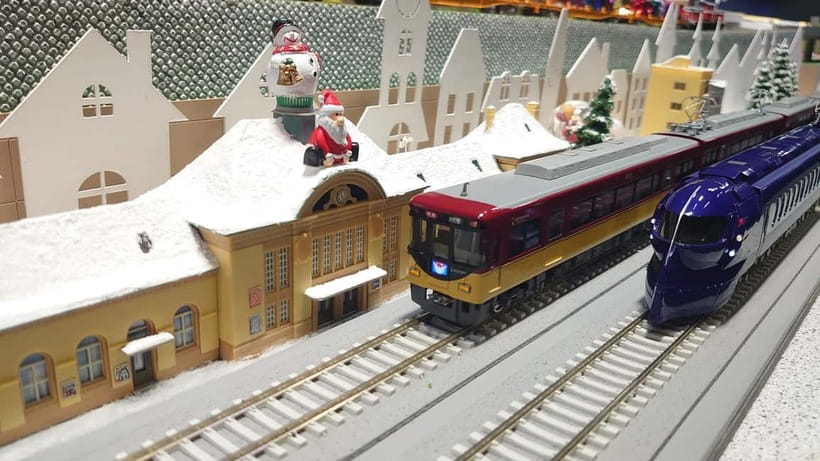
Between the big-ticket items, you’ll find railway dioramas—detailed scenes that help you understand how rail travel connects systems: tracks, stations, and the movement logic that ties it all together. Dioramas are great because they turn abstract ideas into something you can point at.
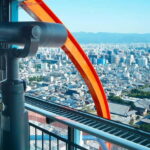
You’ll also get a break point at the Sky Terrace for views. That matters more than it sounds. After time spent focusing on small details (wheels, doors, dashboard layouts, mini scenes), you’ll want a reset. A terrace view is a good moment to step back, get air, and reconnect the museum into one coherent experience.
One of the nice surprises from how people describe the experience is that it can feel quiet and cool inside, which makes it comfortable to keep going even when the day outside isn’t ideal.
You can also read our reviews of more museum experiences in Kyoto






Price and value: why $9 is a fair deal for this museum
The ticket price is about $9 per person for standard admission, valid for 1 day. On paper, that’s inexpensive compared to many special museums. In practice, the value comes from the mix.
You’re paying for:
- A large number of real train exhibits (53 trains)
- A high-impact highlight (steam locomotive ride)
- Another “wow” element (roundhouse turntable rotation)
- Multiple active experiences (train interiors and simulators)
That combo is why the math works. You’re not paying for one single attraction. You’re paying for a full day’s worth of different “ways to learn,” from visual to hands-on to mechanical spectacle.
Also, the museum is wheelchair accessible, which is a real practical advantage for families and travelers who need mobility-friendly routes. (It’s not just a nice-to-have; it affects how comfortably you can plan your visit.)
If you’re comparing options in Kyoto, this is one of those places where the ticket feels like it gets spent on experiences, not just entry.
Who should buy this ticket
This is a strong choice if you fit any of these:
- You love trains, model engineering, or the idea of how technology changes over time
- You’re traveling with kids who enjoy hands-on stuff and inside-the-world experiences
- You want one Kyoto activity that works even if weather changes your mood
- You want more than photos from a rail theme stop, with multiple chances to touch, sit, or try something
If you’re strictly after outdoor sightseeing, this museum won’t replace Kyoto’s temples. But if you’re the type who likes switching gears and doing one focused, tech-and-transport day, it’s a great match.
Quick practical tips before you go
A few small details can make your visit smoother:
- Check the day you’re visiting. The museum is closed on Wednesday.
- Opening hours may vary—check the official info before you set your day.
- Bring your plans for re-entry: if you leave and come back, you’ll need to present the admission ticket to staff when you re-enter.
- When it’s busy, use the Early Bird Advance Ticket entrance line area rather than improvising your way through the crowd.
- If you’re traveling with kids: infants under 3 are free, and children age 3 to 7 can buy tickets on-site for 200 yen.
One more note, just so it doesn’t surprise you: the ticket is non-refundable, so double-check your date before you commit.
Should you book the Kyoto Railway Museum admission ticket?
Book it if you want a single-day activity in Kyoto that feels practical and fun, not just “look and walk.” For the cost, you get a rare mix of 53 real trains, real mechanical highlights like the steam locomotive ride and turntable rotation, and real hands-on time with simulators and train interiors.
Skip it only if your schedule is tight on the wrong day (especially Wednesday closures) or if you dislike interactive museums and mechanical showpieces. Otherwise, this is one of the easiest “worth it” ticket buys for a train-minded traveler, and it can still be a satisfying day even if you’re not.
FAQ
Where is the Kyoto Railway Museum?
It’s in Honshu, Japan, at Kyoto Railway Museum. The coordinates are 34.9870986, 135.7422732.
How much is admission?
Admission is about $9 per person (standard admission).
How long can I spend at the museum?
The ticket is valid for 1 day.
What are the main things to do there?
You can explore railway history through interactive exhibits, see 53 real trains, step inside iconic train cars, try train-driving simulators, watch the turntable rotation, and ride a working steam locomotive.
What should I expect from the collection?
The museum displays 53 real trains, ranging from steam engines to the Shinkansen.
Is the museum closed on certain days?
Yes. The museum is closed every Wednesday.
Are there height or age rules for tickets?
Infants under 3 years old are free of charge. Children between 3 and 7 years old can purchase tickets on-site for 200 yen.
Can I leave and re-enter during the same day?
You’ll need to present the admission ticket to staff when you re-enter.
What if there is a long line when I arrive?
When there are many people in the queue, wait in line at the entrance of Early Bird Advance Ticket.
Is the museum wheelchair accessible?
Yes, it is wheelchair accessible.