REVIEW · KYOTO
Private Nara Tour from Osaka – Meet at Your Hotel
Book on GetYourGuide →Bookable on GetYourGuide
Deer and temples in one calm day. This private Nara trip from Osaka gives you a guided, low-stress route to Kofuku-ji and Todai-ji, plus time at Nara Park for those iconic deer photos.
I love the way Masa explains what you’re seeing, and how the day stays easy to follow from stop to stop. I also love the deer-feeding moment at Nara Park, because it’s fun, memorable, and a real photo-op.
One consideration: lunch is a scheduled stop but it is not included, and you’ll do plenty of walking on temple grounds—bring comfortable shoes.
In This Review
- Key things you should notice before you go
- From Osaka to Nara: the quiet advantage of a private guide
- Higashimuki Shopping Street: a short stop that sets the mood
- Kōfuku-ji Temple: UNESCO wooden architecture you can read with the right help
- Nara Park and deer feeding: where the photos happen, and why it’s more than a gimmick
- Todai-ji: the Great Buddha (Daibutsu) and the scale you feel in your feet
- Himuro Shrine and Yoshikien Garden: the calmer side of Nara
- Lunch time: plan for a stop, not an included meal
- The guide makes the day: Masa’s style and why it shows
- Price and value: what $514 really buys for up to 6
- What to bring for comfort and photos
- Who this tour fits best
- Should you book this private Nara tour?
- FAQ
- What’s the duration of the private Nara tour from Osaka?
- Where does pickup happen?
- How long are the main guided stops?
- What’s included in the price?
- What isn’t included?
- What should I bring?
Key things you should notice before you go
- Private hotel pickup and return so the day starts with less fuss
- English-speaking guide born and raised in Japan (with a very patient style)
- Kofuku-ji first, so you warm up with UNESCO sights before the big finale
- Nara Park deer feeding paired with guided time so you know where to look and when to slow down
- Todai-ji Great Buddha (Daibutsu) with time to actually take in the scale
- Entrance fees included for the listed temples/shrines and gardens, which helps the math
From Osaka to Nara: the quiet advantage of a private guide
This is a straightforward day trip structure: you meet your guide in Osaka, ride the train for about 70 minutes, and then move through Nara at a pace that feels human. The private setup matters, because it removes the mental overhead of figuring out which ticket lines to hit and how to connect sites efficiently.
The tour also keeps your brain clear. You’re not left reading signs alone. Your guide points out what matters as you walk, so you spend your energy looking at things instead of translating every detail.
And with up to 6 people per group, it has that small-team feel. That makes a difference at places like Todai-ji, where it’s easy to get swept along if you don’t have a plan.
You can also read our reviews of more private tours in Kyoto
Higashimuki Shopping Street: a short stop that sets the mood
Before temples, you’ll get a guided look at Higashimuki Shopping Street. It’s a useful warm-up: you get the local rhythm of Nara while still keeping the day moving.
This is also where the guide’s flexibility can come in handy. If you want a snack break or to pause for something specific, having someone guiding you through a short shopping-street segment makes it simpler than trying to squeeze extra time later.
It’s not meant to be a shopping marathon. Think of it as a taste of everyday Nara, before the sacred spaces take over.
Kōfuku-ji Temple: UNESCO wooden architecture you can read with the right help
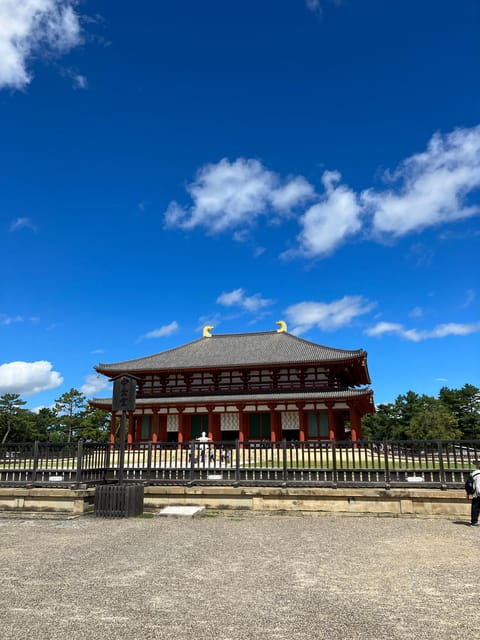
Kōfuku-ji is one of the Seven Great Temples of Nara, and it’s a UNESCO World Heritage Site. You’ll spend about 30 minutes here with a guide, which is a smart amount of time for a first big temple stop.
The standout feature is the wooden architecture and the sense of formality in the grounds. Kōfuku-ji traces back to 669, and that age shows in the way the site feels both historic and carefully maintained.
Here’s what I like about the way this stop is built into the day: it gives you context before the famous headline attraction. If Todai-ji is the giant moment, Kōfuku-ji is the foundation. Your guide can help you connect the dots on what you’re seeing and why it matters, instead of treating it like a quick checklist.
Also, you’ll learn that Nara has both temples and shrines, and the differences aren’t just academic. Those distinctions shape the atmosphere, the layout, and even what stories people associate with each place.
Nara Park and deer feeding: where the photos happen, and why it’s more than a gimmick
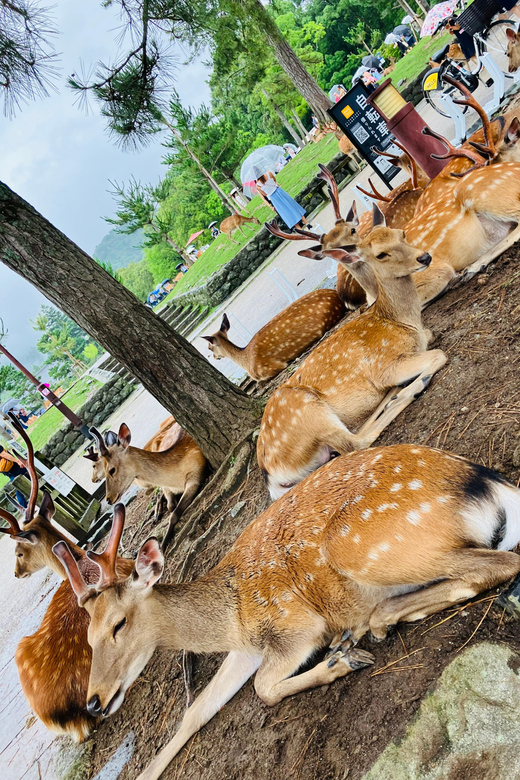
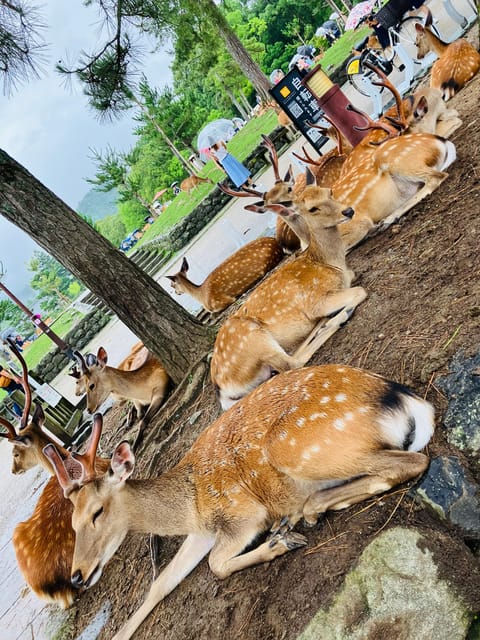
Then you head to Nara Park, a large green space famous for free-roaming deer. These deer are treated with special attention in the city, and they’ve long been part of Nara’s cultural symbolism—believed to be messengers of the gods.
This is the moment that most people remember, and for good reason. You’ll have guided time to feed the deer, and you get to do it with the structure of a planned stop rather than rushing around hoping you’ll catch the right angle.
A practical tip: plan to slow down. The best deer photos come when you’re calm and ready. A guide who knows the timing helps you avoid the worst scramble and gives you a better chance of getting good shots without losing your place.
Also, bring your camera settings for daylight and keep an eye on where you’re standing. You’ll likely be navigating around people and animals at once, so comfy shoes aren’t optional here—they’re part of keeping the experience enjoyable.
Todai-ji: the Great Buddha (Daibutsu) and the scale you feel in your feet
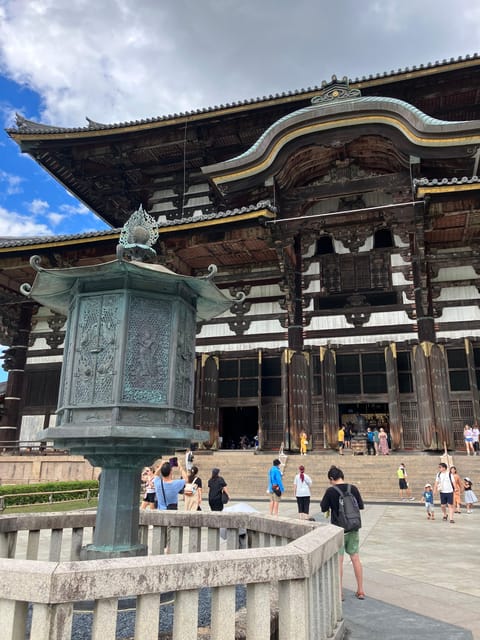
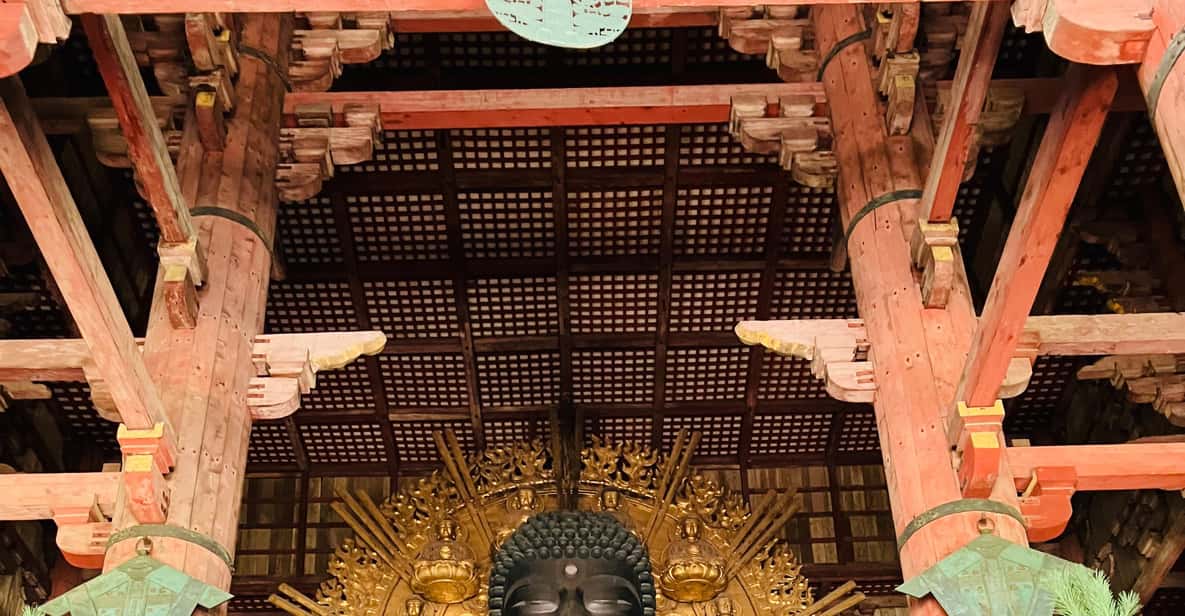
Todai-ji is the headline stop, with about 60 minutes on the grounds. The key draw is the Great Buddha, or Daibutsu: a bronze statue measuring around 15 meters tall.
Even if you’ve seen photos, this is one of those places where scale lands differently when you’re standing there. The grounds are designed to make you slow down. With a guide, you also get a better sense of what you’re looking at and how the site developed over time.
Todai-ji was founded in the 8th century, and that long timeline matters. It helps explain why the site feels like a centerpiece of Buddhism in Japan, not just a single statue in a single frame.
One helpful thing I like about this tour approach: you’re not just told facts. Your guide’s job is to connect the story to what’s around you—so your visit feels more like understanding than sightseeing.




Himuro Shrine and Yoshikien Garden: the calmer side of Nara
After Todai-ji, the day doesn’t immediately sprint into the next big attraction. You’ll visit Himuro Shrine for about 20 minutes and then Yoshikien Garden for about 20 minutes.
These stops work well for two reasons. First, they break up the intensity of large temple grounds. Second, they give your legs a chance to reset while still staying in the culture zone.
I also like how the day uses short guided segments here. You get enough time to appreciate each place without burning the full afternoon on one location. If you’re traveling from Osaka and only have one day to spend, that balance is a big deal.
Lunch time: plan for a stop, not an included meal
Lunch happens as a stop with about one hour allocated. The important detail is that lunch is not included in the price, so you’ll need to budget for it separately.
This is actually a good setup if you have dietary preferences. With a guide in your corner, you can often pick something that fits your taste instead of being locked into a fixed meal plan.
Because the tour includes entrance fees, you’re already covering the major temple costs. That means your lunch choice becomes the main variable in your day’s spending.
The guide makes the day: Masa’s style and why it shows
This tour’s quality lives and dies by the guide, and the pattern here is consistent: Masa brings a friendly, patient approach that keeps people comfortable while also answering a lot of questions.
In particular, I like the way Masa is described as explaining the differences between temples and shrines so it feels practical—not just academic. That kind of clarity matters when you’re moving between multiple sacred sites in one day.
There’s also a strong theme of customization. If you want extra snack time or a slightly different pacing, the tour structure still allows it as long as you flag it.
And yes, photo friendliness is part of the package. When you’re at a place like Nara Park, the difference between good and great photos is often timing. A guide who knows where to be and when helps you get those memorable deer moments without turning the day into chaos.
Price and value: what $514 really buys for up to 6
The price is $514 per group up to 6 people, for a total duration of about 6 hours. For a private day, that’s a reasonable setup because several big costs are bundled: entrance fees for all the listed sites and hotel meet-up plus return with the guide.
Transportation fees are not included, and meals and beverages aren’t included either. So think of this as a guided culture package with the major entry costs handled, while you handle your personal spending like lunch.
Here’s a simple way to judge value. If you fill the group to 6, the per-person cost can drop a lot compared with booking separate tickets and trying to manage everything alone. If you’re traveling as fewer than 6, the per-person figure rises—but you’re still paying for convenience, pacing, and a real human who can guide you through the sites.
Also remember optional gratuity is appreciated. That’s worth factoring in if you want to tip your guide for extra flexibility.
What to bring for comfort and photos
This is a walking day with temple steps and park time. Bring:
- Comfortable shoes
- Camera
- Sunscreen
- Water
In practice, this is your checklist for avoiding the two common day-trip problems: sore feet and dehydration. Nara Park time especially benefits from water, since you’re outside and moving around.
Who this tour fits best
This is a great fit if you want:
- a structured day trip that covers the must-see Nara highlights without you planning every move
- a private guide who can explain what you’re looking at, including temple vs. shrine differences
- a memorable nature moment at Nara Park without turning it into a stressful free-for-all
It’s also ideal for small groups who want flexibility. Up to 6 people means you can often adjust the pace, ask questions, and get answers without feeling like you’re in a crowded bus tour.
Should you book this private Nara tour?
If you’re coming from Osaka and you want a single, guided day that hits Kōfuku-ji, Todai-ji, and Nara Park deer feeding, this is a smart choice. The biggest reason to book is the guide-led pacing—especially the way Masa’s explanations help you understand the sacred spaces instead of just passing through them.
If you’re on a tight budget and can handle transit and admissions on your own, you might save money by DIY. But for most people, the convenience, included entrance fees, and the quality of the guiding style make it worth paying for.
FAQ
What’s the duration of the private Nara tour from Osaka?
The tour lasts about 6 hours, including train travel time between Osaka and Nara.
Where does pickup happen?
Pickup is from your hotel in Osaka, with meet-up and return provided as part of the tour.
How long are the main guided stops?
You can expect guided time at Higashimuki Shopping Street (about 20 minutes), Kōfuku-ji (about 30 minutes), Nara Park (about 30 minutes), Himuro Shrine (about 20 minutes), Todai-ji (about 1 hour), and Yoshikien Garden (about 20 minutes), plus a lunch stop with about 1 hour allocated.
What’s included in the price?
Entrance fees to all the mentioned sites are included, along with hotel meet-up and return with an English-speaking guide.
What isn’t included?
Transportation fees and meals and beverages are not included. Optional guide gratuity is also not included.
What should I bring?
Bring comfortable shoes, a camera, sunscreen, and water.