REVIEW · KYOTO
Kyoto: Non-Verbal Theatre Show Tickets at GEAR
Book on GetYourGuide →Operated by ART COMPLEX · Bookable on GetYourGuide
A wordless show that still hits you hard. GEAR turns a broken toy factory into stage magic, and I especially love how the story stays emotional through movement and touch instead of dialogue. The other big win for me is the feeling of being close to the action, with realistic sets and tricks you can really watch. One consideration: the theatre is small (just 72 seats) and the S seats are compact, so if you dislike tight seating you’ll want to plan accordingly.
I like that the show is built for mixed ages, from little kids to adult professionals. It runs for about 90 minutes, so it’s a practical Kyoto evening stop that won’t eat your whole night. It’s also designed for people with different language comfort levels since the performance is non-verbal.
If you’re the type who enjoys going in with no expectations, you’ll likely enjoy this most. The show also varies slightly from performance to performance, so a second visit can feel fresh instead of repetitive.
In This Review
- Key things to know before you go
- GEAR in Kyoto: A tight, high-impact show in a 1928 building
- The broken toy factory plot: robots, a living doll, and humanity
- Why the stage design and effects feel so real from your seat
- The 90 minutes: how to watch GEAR without missing the punchlines
- Seats and room size: the small S-seat reality (and why it still works)
- Is it family-friendly? Yes, with one important age rule
- Value check: $46 for 90 minutes of high-tech performance
- Who should book this show (and who might skip it)
- Should you book GEAR in Kyoto?
- FAQ
- How long is the GEAR non-verbal theatre show?
- Where is the meeting point for tickets?
- Is there a choice of seat numbers?
- How early should I arrive?
- Are children allowed?
- Can I eat or drink inside the theatre?
- What’s the cancellation policy?
Key things to know before you go
- Non-verbal storytelling that still feels personal, built around the power of touch
- Close-up stage effects with realistic set tricks and stagecraft you can see clearly
- Kabuki-inspired acting and stage techniques blended with modern technology
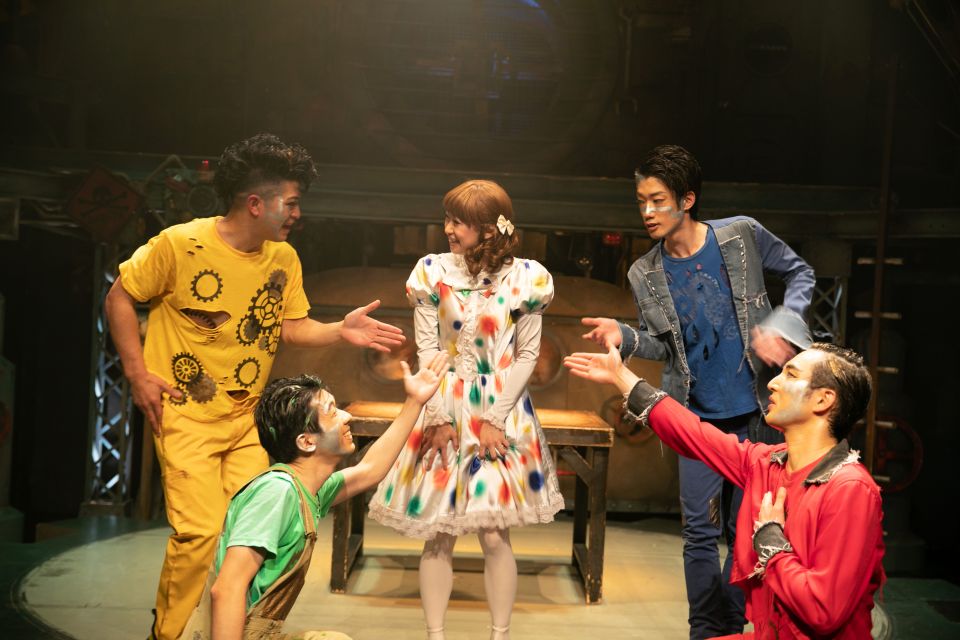
- A future toy factory plot where robot workers meet a doll that comes to life
- A small room with only 72 seats, and S seats are about 18 by 18 inches
- A mix of performance styles you’ll recognize instantly, like mime, magic, juggling, and dance moves
GEAR in Kyoto: A tight, high-impact show in a 1928 building

GEAR is a non-verbal theatre production in Kyoto that leans hard on physical performance. The venue sits in an older building dating to 1928, which gives the night a cozy, slightly mysterious feel before the show even begins. And because the theatre only has 72 seats, you don’t end up feeling like you’re watching something from far away.
This show is also priced like a “real production,” not a casual performance. At $46 per person for an S seat, you’re paying for a full 90 minutes of performance plus the stage effects and tech that support it. You can also book with flexible plans thanks to the free cancellation window and the option to reserve now and pay later.
You can also read our reviews of more tours and experiences in Kyoto

The broken toy factory plot: robots, a living doll, and humanity
The story takes place in a future broken toy factory. Robot workers come across a doll that comes to life, and that encounter turns into an emotional journey about what makes us human. The production is built around the idea of the power of touch, which is why the acting, movement, and physical timing matter so much.
Even if you’re not sure what kind of theatre you like, the premise is easy to follow. A wordless show still guides you clearly: you watch how the robots react, how the doll changes things, and how the emotional beats land through gestures and choreography. That’s one reason it works well for people who usually avoid subtitled theatre—there’s nothing to read, and the feeling comes through your eyes.
Why the stage design and effects feel so real from your seat
GEAR’s big selling point is stagecraft with a strong “you are watching it happen” quality. The stage design uses tricks and methods associated with classical Japanese theatre, including Kabuki-style stage acting and technique, then pairs those fundamentals with modern technology.
What you’ll notice once you’re seated is how much action happens at performance-level, not way up on a distant platform. The realistic set elements help sell the world—this isn’t a generic stage picture; it’s built to look like a toy factory environment that can transform. Multiple reviews specifically call out the inventive visuals and the way effects keep coming, which lines up with how the show is described: constant stage action paired with precise performers.
And because the audience is close, it’s easier to follow the visual logic. You’ll catch the little cues performers use to show who’s doing what, even without dialogue. That close-up approach is also why this show tends to feel different from big, mainstream performances.
The 90 minutes: how to watch GEAR without missing the punchlines
The show runs 90 minutes, and the doors open 30 minutes before start time. I’d treat that early window as your chance to get settled, find your bearings fast, and avoid rushing once things start. Since eating and drinking aren’t allowed in the theatre, arriving early also helps you feel comfortable without needing breaks.
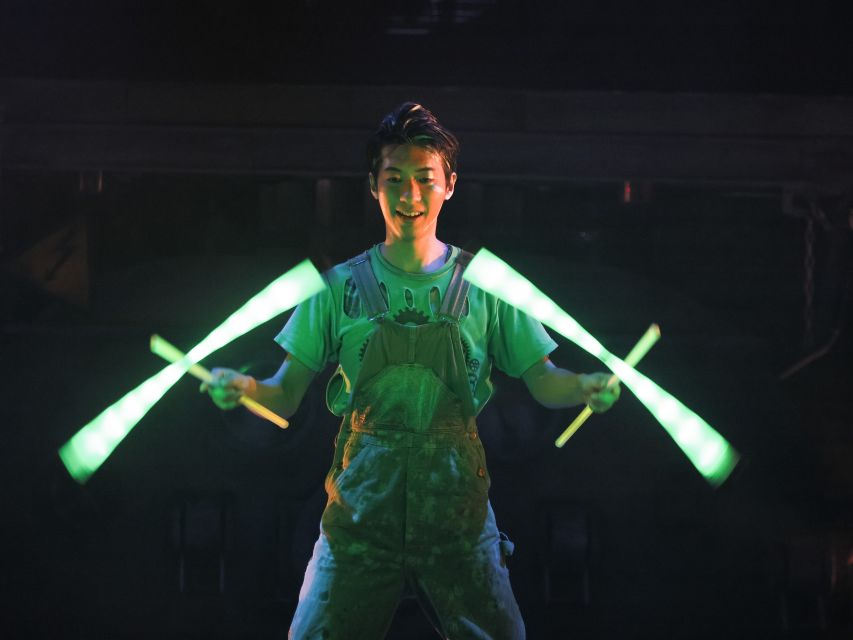
Once the performance starts, you should expect a blend of styles—fast physical comedy mixed with skill-heavy technique. Based on the performance descriptions from bookings, you’ll likely see dancing, magic tricks, mime, juggling, and robotic-style movement that looks perfectly controlled. The show also has an emotional arc, so the energy isn’t only about laughs; it moves toward feeling something, too.
Here’s my practical watching advice: keep your eyes on performers’ hands and bodies, not just their faces. In non-verbal theatre built around touch, small changes in posture and gesture often carry the story beats. If you go in with that mindset, you’ll stay oriented and you’ll catch more of the jokes.
Also note that the show can vary slightly. One of the best signs for repeat visitors is that it’s not always identical second-by-second, so your first and second experience won’t feel like a carbon copy.
Seats and room size: the small S-seat reality (and why it still works)
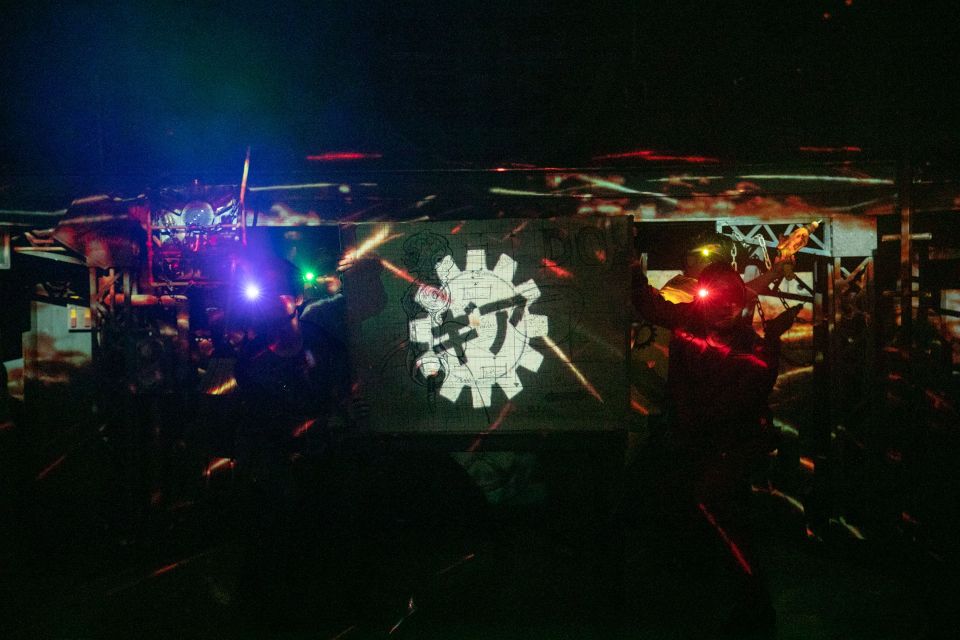
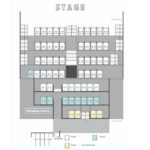
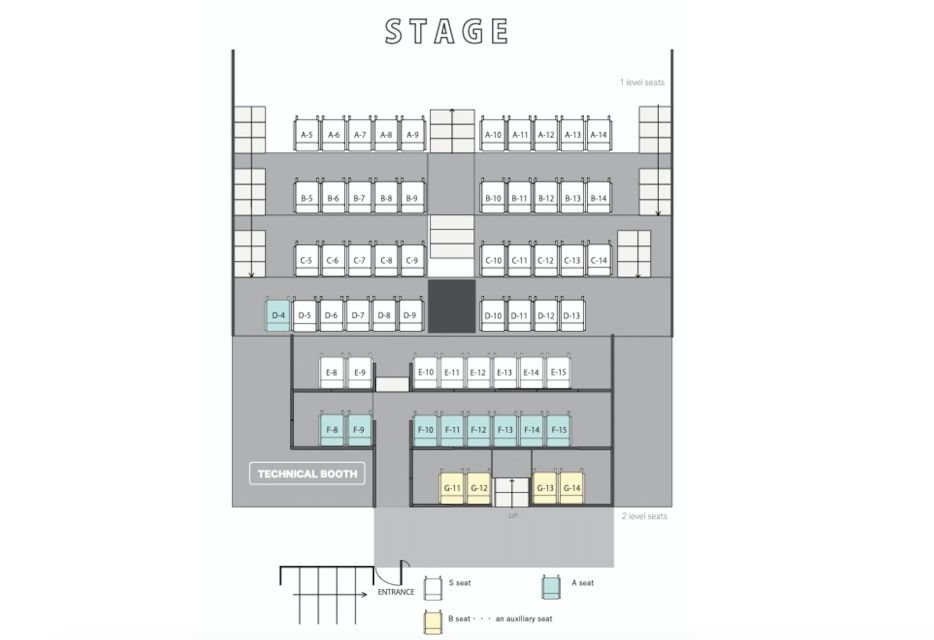
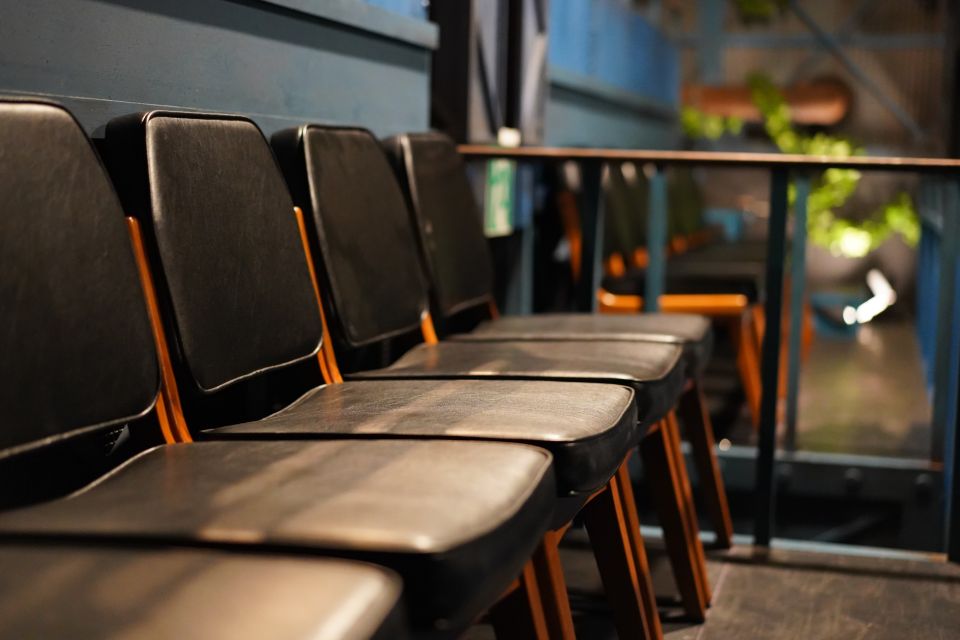
This is a small-capacity theatre. With only 72 seats, you should plan around limited space and a tight feel. The S seat size is listed as about 18 inches by 18 inches, and you can’t select a specific seat number because only S (Premium) seating is offered.
Now for the reassuring part: the small layout can actually be a benefit. Multiple people highlight that seats feel workable and that there aren’t really bad views. In a room this compact, the stage is close enough that “distance” doesn’t become the problem the way it does in larger theatres.
If you’re tall or sensitive to tight seating, I’d treat this as your main planning point. Arrive early, settle in, and wear something that doesn’t restrict comfort for a full 90 minutes. Also, since the venue doesn’t allow food or drink inside, you’ll want to handle any snacking outside before you enter.
You can also read our reviews of more tours and experiences in Kyoto



Is it family-friendly? Yes, with one important age rule
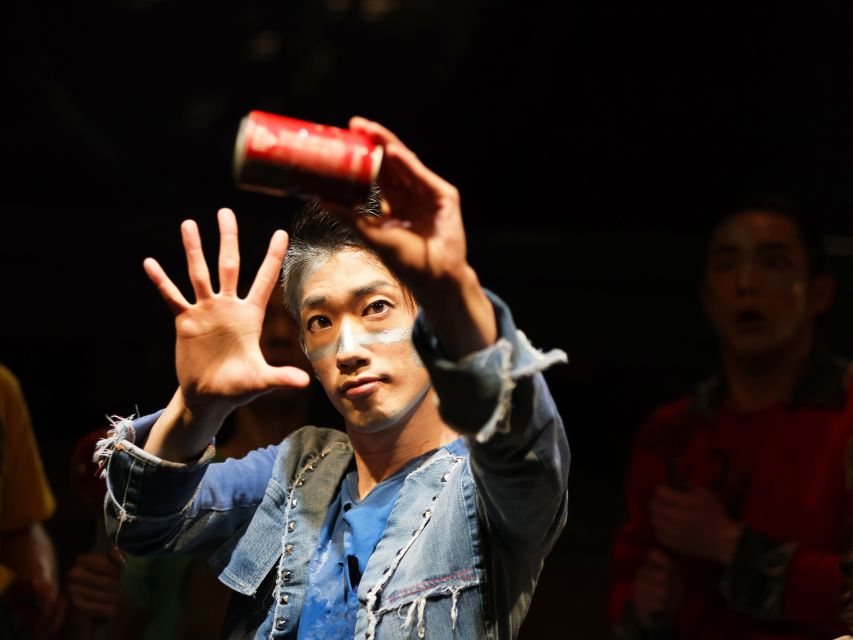
GEAR’s story and performance style are built to reach a wide audience range. The production is described as a show that has entertained everything from toddlers to adult professionals, and the physical comedy and visual clarity help it land across ages.
But there’s one clear rule: kids under 4 aren’t allowed in the theatre for security reasons. If you’re traveling with younger children, you’ll need to plan around that. For families with kids old enough to attend, the non-verbal format tends to make it easier for kids to follow compared with dialogue-heavy shows.
Value check: $46 for 90 minutes of high-tech performance
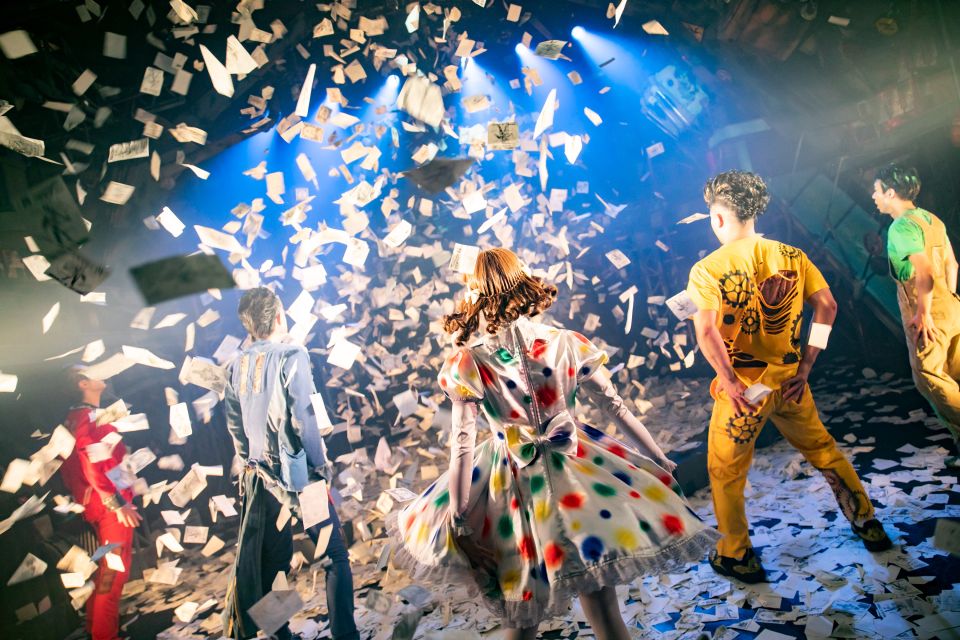
At $46 for a 90-minute show, GEAR sits in the “you’re paying for quality production” category. This isn’t just a simple theatre performance; it’s described as combining stagecraft from Kabuki theatre techniques with the latest technology. That blend costs money, and you can feel it in the way the show keeps moving and the visuals stay inventive.
The best value argument is clarity. Since the show is non-verbal, you’re not losing half the story to language. And because the performances are physical—dance, mime, juggling, and stage illusions—you don’t need subtitles to understand what’s going on emotionally.
The other value factor is the repeatability of the experience. If you’re in Kyoto long enough to see it twice, some visitors report noticeable variation from one performance to another, which means the second time can still feel rewarding.
Who should book this show (and who might skip it)
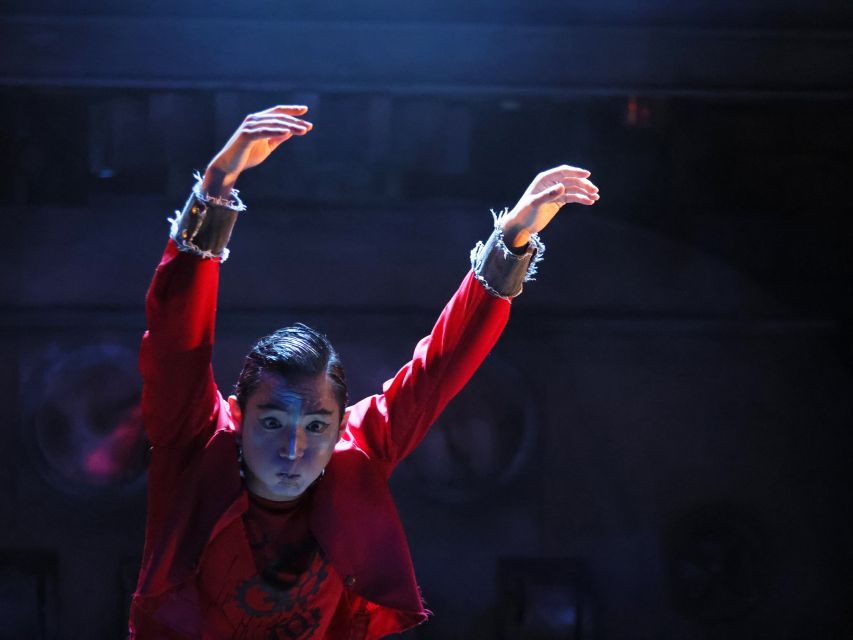
I’d book GEAR if you like:
- modern stage effects paired with strong acting
- comedy plus emotion in the same show
- performances you can follow even if you don’t speak Japanese
I’d also recommend it if you want a Kyoto evening plan that’s different from temples and gardens. The experience is in your face, tactile, and visual in a way that complements the slower parts of sightseeing.
You might skip it if you strongly dislike close seating or know you need a lot of personal space. Also, if you’re the kind of viewer who wants a strictly realistic historical setting, the future toy factory setup may feel more fantastical than you prefer.
Should you book GEAR in Kyoto?
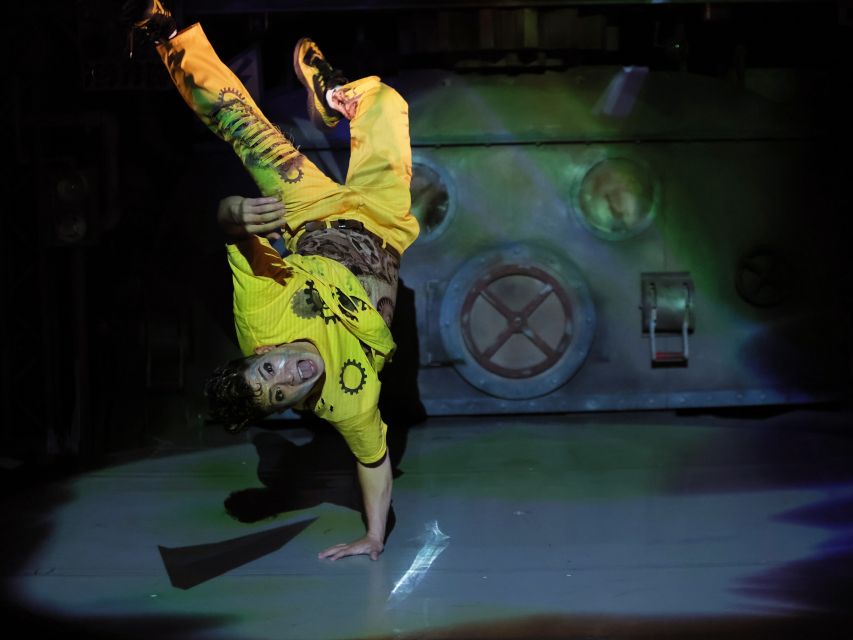
Book it if you want a compact, high-energy evening that doesn’t require language skills. The show’s format is built for clarity—robots, a living doll, and a theme about touch—while the performance mix (dance, mime, magic, juggling) keeps things entertaining minute to minute.
I’d especially say yes if you’re looking for something that feels modern but still connected to Japanese performance technique. The production’s Kabuki-informed acting and stage approach, combined with technology, is exactly the kind of thoughtful mix that makes Kyoto stand out in the first place.
On the fence? If your main concern is comfort, check your tolerance for small seating, then plan to arrive early so you’re not rushing. If you can handle the tight S-seat setup, GEAR is an easy “yes” for a memorable Kyoto night.
FAQ
How long is the GEAR non-verbal theatre show?
The show lasts about 90 minutes.
Where is the meeting point for tickets?
You should go to GEAR /Non-Verbal theatre.
Is there a choice of seat numbers?
No. Currently only S (Premium) seat tickets are available, and you cannot select a seat number.
How early should I arrive?
Doors open 30 minutes before the show starts.
Are children allowed?
Kids under 4 years old aren’t allowed in the theatre for security reasons.
Can I eat or drink inside the theatre?
No. Eating and drinking are prohibited in the theatre.
What’s the cancellation policy?
You can cancel up to 24 hours in advance for a full refund.