REVIEW · KYOTO
Kyoto Gion Cultural Walk & Geisha Show with Dining Options
Book on GetYourGuide →Operated by Ken's Tours Kyoto · Bookable on GetYourGuide
Gion feels like a movie you can actually walk in. This Kyoto experience pairs a Gion district walk with a Maiko meeting and performance, plus time to ask questions over a meal or tea. You’ll also get a guide who explains how the geiko and maiko world really works, not the Hollywood version.
I especially like that the group stays small (max 8), so you can hear the details and actually talk during the Q&A. The biggest consideration: this tour isn’t suitable for people with mobility impairments, and there’s also a no-luggage rule.
In This Review
- Key things to know before you go
- Finding Your Bearings in Gion: the Izumo-no-Okuni start point
- The Gion walk with your guide: what you’ll actually learn on the street
- Miyagawasuji dance show: how the performance fits the culture
- The real highlight: meeting a Maiko for Q&A and performance
- Tea, lunch, or dinner: how the meal options shape the mood
- Lunch with the Maiko (option for 10:30 AM)
- Tea break with the Maiko (option for 14:30 PM)
- Dinner with the Maiko (option for 18:30 PM)
- Price and value: what $108 buys you in Gion
- Pacing, comfort, and small logistics that matter
- Who should book this Kyoto Gion experience?
- Should you book it?
- FAQ
- Where is the meeting point?
- How long is the experience?
- What group size is it?
- What happens at the Maiko meeting?
- What food options are available?
- What language is the tour offered in?
- Is it accessible for mobility impairments or large luggage?
- FAQ
- Is there free cancellation?
- Do I have to pay right away?
- What if my schedule is tight—can I choose a time window?
Key things to know before you go
- Small group, max 8: easier questions, less crowd chaos in narrow streets
- Start at Izumo-no-Okuni: you’ll kick things off in Gion with a clear sense of place
- Gion walking portion (about 1.5 hours): history, rituals, and how daily life is shaped
- Miyagawasuji dance show: you see traditional performance in a proper setting
- Maiko time with Q&A + one or two songs: up close, interactive, and focused
- Meal option after the meeting: lunch plate, tea break, or a shared dinner course set
Finding Your Bearings in Gion: the Izumo-no-Okuni start point
You’ll meet in front of the statue of Izumo-no-Okuni near exit 4 of Keihan Gion Shijo Station. That matters more than you might think. Gion is atmospheric, but it’s also easy to get turned around when you’re trying to spot the old lanes, teahouse streets, and school areas that come up during the walk.
From this starting point, the guide can build the story in a logical order: first the district itself, then what you’re seeing (and what you’re not), and finally how performance and training connect to the everyday culture. It’s one of those tours where the route helps you make sense of what otherwise looks like just pretty streets.
You can also read our reviews of more walking tours in Kyoto


The Gion walk with your guide: what you’ll actually learn on the street
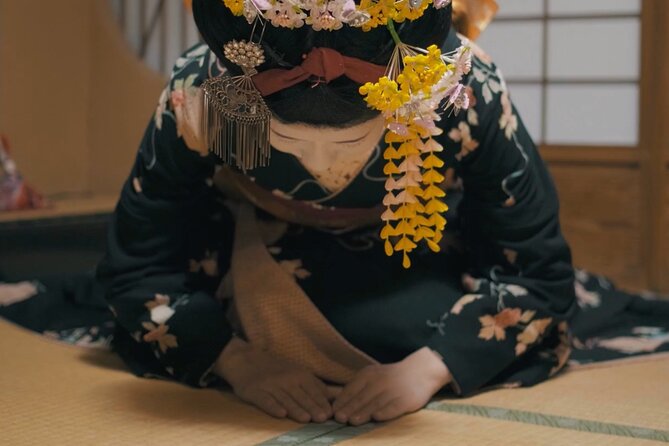
The walking portion runs about 1.5 hours, with an English-speaking guide leading you through Gion. The focus is on how geisha culture is lived—history, rituals, and the real meanings behind terms like geiko and maiko.
Here’s what I like about this part of the experience: your guide doesn’t treat it like a museum. You’ll learn the inner workings of the lifestyle—why certain areas are important, how the community is structured, and what details you should pay attention to while you’re walking. Guides on this route also tend to correct common misunderstandings about the role, training, and etiquette, which helps you enjoy the rest of the night with your eyes open.
Small-group format (up to 8) helps a lot. You can ask a question before it’s awkwardly too late, and the guide can respond to your specific curiosities rather than just broadcasting facts to the back row. In past tour groups, guides like Kenta and Akari have been praised for answering questions clearly and thoughtfully, and for staying respectful of the community.
Practical tip: wear comfortable shoes. You’ll be walking through an active neighborhood on a schedule, not sightseeing at your own pace.
Miyagawasuji dance show: how the performance fits the culture
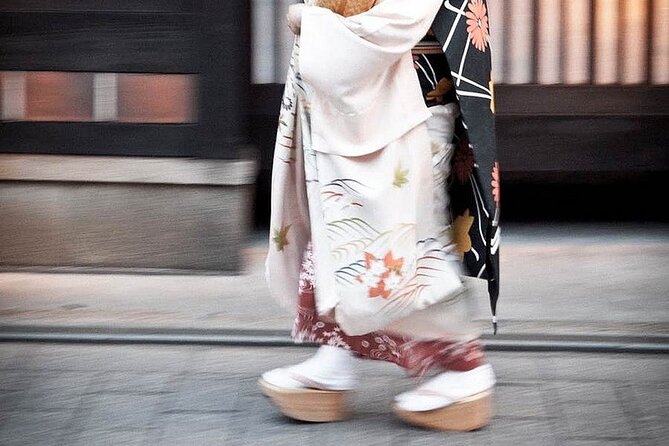
After the Gion walk, you’ll head to Miyagawasuji, Kyoto for a traditional dance show. This part runs about 1.5 hours. It’s not just entertainment. The way the performance is presented helps you understand how movement, costume, and timing connect back to training and cultural rules.
You’ll also see why a maiko performance isn’t treated like a pop-show with random crowd participation. It’s formal, practiced, and structured. That structure is part of the message: this is a discipline with a system behind it, and the audience is supposed to watch with respect.
Even if you’re not a dance expert, the show gives you something the walk alone can’t: the performance language. After seeing the dance context, you’ll be better prepared for the maiko meeting that follows, since you’ll have a clearer idea of what to notice.
The real highlight: meeting a Maiko for Q&A and performance

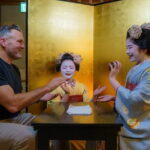
The core moment happens after the walk and show: you’ll meet a Maiko for about 50 minutes. This includes Q&A plus a performance with one or two songs.
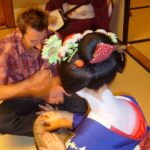
This is the part that many people remember for years, mostly because it’s interactive without turning disrespectful. In groups guided by Kenta and Akari, people have especially valued the chance to ask questions about daily life, training, and why the tradition exists the way it does. You’ll get a front-row view of the poise and discipline behind the appearance—hair, makeup, kimono details, and the way she carries herself.
The meeting also tends to make the culture feel real. You’re not just hearing explanations anymore—you’re watching and listening as she shares the human side of a profession often described in myths. Several past participants noted that the questions and answers helped replace Hollywood stereotypes with lived cultural reality.
Quick thought for your Q&A: ask questions that start with what you’re seeing, like how training shapes routines, or what etiquette means in everyday settings. If you want a simple template, ask what surprised her most about becoming a maiko, or what people commonly misunderstand.
Photo note: some participants report you’ll be allowed to take pictures during the session, but you may be asked not to share photos online. Follow the instructions you’re given on the day. It’s part of keeping the community respected.
Tea, lunch, or dinner: how the meal options shape the mood
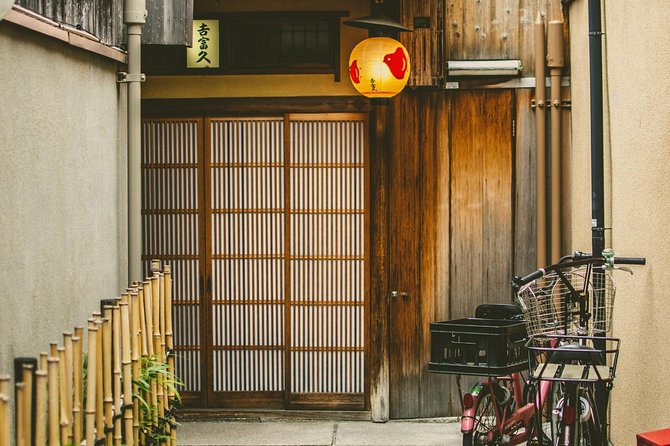
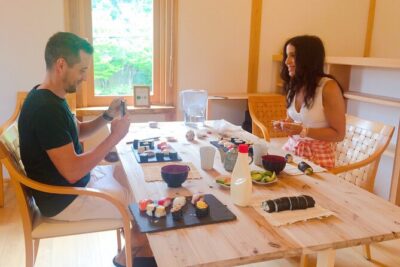
You get to choose your food option, and that choice changes the vibe of the second half of the experience.
You can also read our reviews of more tours and experiences in Kyoto

Lunch with the Maiko (option for 10:30 AM)
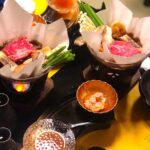
If you pick lunch, you’ll have a Japanese lunch plate. This option works well if you want your day to stay flexible and you don’t want nighttime logistics. People who chose lunch often mention the privilege of sitting down and asking questions at the same time as watching the maiko moment.
One practical note: it’s still a set meal, not a giant feast. You should treat it like a cultural stop, not your main food plan for the day.
Tea break with the Maiko (option for 14:30 PM)
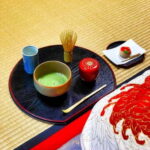
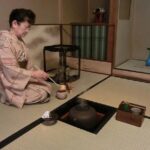
For the tea break option, you’ll enjoy a cup of tea. Tea time naturally slows things down. It’s a good match if you want time to chat and absorb what you just learned. On warm days, some groups have even mentioned the guide brought iced drinks, which helped the whole session feel more comfortable.
Dinner with the Maiko (option for 18:30 PM)
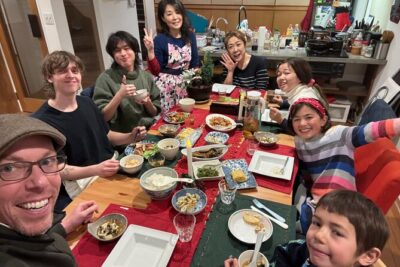
Dinner is the most “evening Kyoto” feeling. You’ll share dinner-sharing plates with 8 different foods. The set is designed for an intimate, communal meal rather than a loud restaurant experience.
Some participants described the dinner as kaiseki-style, and praised the food and pacing. The main thing to know is that this is a structured dinner around the event, not a casual stop where you can wander and order anything you want.
Price and value: what $108 buys you in Gion
At $108 per person for about 3 hours (210 minutes), you’re paying for four things at once: a guided walk, a dance show, a dedicated maiko meeting with Q&A and performance, and a scheduled food experience (lunch, tea, or dinner depending on your pick). It’s not just ticket value. It’s time value.
The small group size (up to 8) is a big part of the price justification. When the group is larger, Q&A becomes a rushed shuffle. Here, you’re more likely to get your questions answered and stay engaged without yelling over crowds.
Also, the guides’ role matters. Past participants highlighted guides such as Kenta and Akari for being personable, respectful, and clearly focused on history and culture, not just route management. When the guide brings context, the whole experience becomes easier to understand—and easier to remember.
Pacing, comfort, and small logistics that matter
The schedule is set. You’re not wandering Gion at your leisure between moments. Expect walking plus structured indoor time for the show and meeting.
Two practical constraints:
- No luggage or large bags are allowed. Travel light.
- The route isn’t suitable for people with mobility impairments, which usually means stairs, uneven surfaces, and the reality of walking through a historic neighborhood.
Comfort tip: plan to arrive a few minutes early at Keihan Gion Shijo so the meeting point is smooth. Once the group starts moving, you’ll want to keep up with the plan.
Who should book this Kyoto Gion experience?
This tour is a strong fit if:
- you want an English-led introduction to geiko/geiko and maiko culture that goes beyond myths
- you enjoy asking questions face-to-face, not just taking photos
- you like traditional performance and want the context for what you see
- you’re traveling in a small group or want a tour that doesn’t feel like a cattle line
It may be less ideal if:
- you need step-free accessibility
- you dislike structured timing (walking + show + meeting + food option)
- you’re hoping to do this as a quick, casual, unscheduled experience—this is planned as a full 3-hour cultural block
Should you book it?
I think it’s a smart booking if you want a real cultural encounter in Gion, not a sightseeing skim. The combination is the key: Gion walk + dance show + Maiko Q&A/performance + a scheduled meal or tea. At $108, you’re paying for access, time, and context, and the small group helps you actually benefit from that access.
If you can walk comfortably and you like learning through conversation, this is one of the best ways to spend a focused evening (or midday) in Kyoto’s most famous geisha district—because the tour doesn’t stop at what it looks like. It helps you understand why it looks that way.
FAQ
Where is the meeting point?
Meet in front of the statue of Izumo-no-Okuni near exit 4 of Keihan Gion Shijo Station.
How long is the experience?
It runs about 3 hours (210 minutes) total.
What group size is it?
The tour is a small group limited to 8 participants.
What happens at the Maiko meeting?
You’ll have a 50-minute session that includes a Q&A and a Geisha/Maiko performance with one or two songs.
What food options are available?
Depending on your selected time, you can choose lunch with the Maiko (a Japanese lunch plate), a tea break (a cup of tea), or dinner (shared plates with 8 different foods).
What language is the tour offered in?
The tour guide speaks English.
Is it accessible for mobility impairments or large luggage?
It’s not suitable for people with mobility impairments, and luggage or large bags are not allowed.
FAQ
Is there free cancellation?
Yes. You can cancel up to 24 hours in advance for a full refund.
Do I have to pay right away?
You can reserve now & pay later, meaning you can book your spot without paying immediately.
What if my schedule is tight—can I choose a time window?
The experience has different starting times, and you can check availability to pick the slot that matches your lunch/tea/dinner option.