REVIEW · KYOTO
Kyoto Family Kitchen Cooking Class
Book on Viator →Operated by Anthony · Bookable on Viator
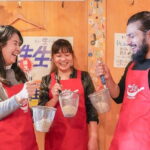
Kyoto hits different when dinner happens in someone’s home. This hands-on Kyoto Family Kitchen class is part cooking lesson, part relaxed family evening, with kids and pets in the mix. You’ll start with tea and conversation, learn the core building blocks of Japanese flavor, cook at the counter, and then sit down to eat the results together.
I love the home-kitchen format. It feels casual but purposeful, like you’re joining a family for a real weeknight meal, not performing for a classroom. I also like that you’re taught the staples (dashi, soy sauce, mirin, sake) that show up again and again in Japanese food, so the “how” sticks long after the apron comes off.
One thing to consider: this is not a quiet, hotel-style cooking studio. You’re walking into a busy suburban home with kids and pets, so if that makes you nervous, or you want a more formal, technique-heavy class, you may find the vibe less structured.
In This Review
- Key Takeaways Before You Go
- A Suburban Kyoto Dinner Party With Cooking Time Attached
- Meeting Near Kokusaikaikan and Getting Oriented Fast
- Tea, Chat, and the Real Reason This Works
- The Kitchen Counter Lesson: Japan’s Staple Flavors (and Why They Matter)
- What You’ll Cook: Hands-On Dishes You Can Actually Picture
- Dinner Family-Style: Eating the Meal You Built
- Price and Value: Why It’s More Than the $96.84 Number
- Practical Tips for Families, Vegetarians, and First-Time Home-Cooks
- Should You Book Kyoto Family Kitchen?
- FAQ
- What is the duration of the Kyoto Family Kitchen Cooking Class?
- Where does the experience take place?
- When is it offered?
- Is this a private activity?
- How much does it cost?
- What’s included in the price?
- What is not included?
- How do we get there?
- Is an English-speaking instructor provided?
- Are service animals allowed?
- Can I get a refund if I cancel?
Key Takeaways Before You Go
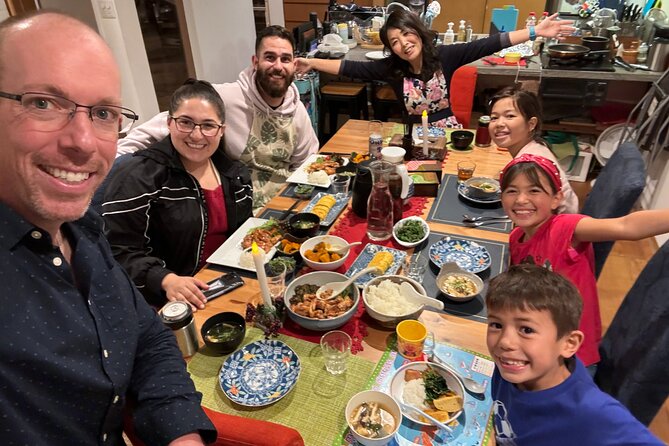
- Family-home setting: relaxed conversation, tea first, then cooking and eating together.
- Staples lesson that transfers: dashi, soy sauce, mirin, and sake basics so you can understand a lot of Japanese dishes.
- Hands-on cooking for all ages: the setup is informal enough that kids can participate too.
- Dinner included, not just samples: you’ll cook and then eat what you made.
- Food accommodations: the hosts are used to adjusting for food requirements, including vegetarian diners.
- Be ready for a casual structure: the experience can feel more like cooking alongside the family than a strict step-by-step workshop.
A Suburban Kyoto Dinner Party With Cooking Time Attached
This class takes you out of the usual Kyoto routine. You’re in a family home on a hill just outside the city center, in a suburban setting rather than a tourist-packed strip. That matters. It changes the pace. People aren’t rushing. You’ll get time to talk, ask questions, and settle in before any knife comes out.
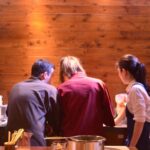
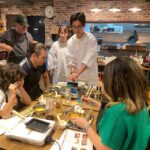
The core idea is simple: come over, have tea, chat about your trip, preview the dishes you’ll cook that night, then cook together around the kitchen counter. Afterward, you eat as a group around the table. The food is the anchor, but the real point is the contact: daily life in Kyoto, explained by people who live it.
The most praised part of this experience is how welcoming it feels. The best moments aren’t only the finished plates. It’s the in-between stuff: learning a little, watching how a family works in their own kitchen, and then sitting down like you belong.
You can also read our reviews of more cooking classes in Kyoto
Meeting Near Kokusaikaikan and Getting Oriented Fast
The start point is 33-50 Kamitakano Saimyōjiyama, Sakyo Ward, Kyoto. Sessions run Monday through Friday from 6:00 PM to 8:30 PM, so you’ll want to plan your day so you’re not sprinting across Kyoto at the last second.
What I like about the setup is that logistics are handled enough to let you focus on the experience. After booking, you’ll finalize meeting times, confirm the menu, and figure out directions. And transportation to the Kokusaikaikan subway station is included, which helps if you’re staying farther out or want an easy way back.
You’ll also get a mobile ticket, and service animals are allowed. In other words, it’s built to be practical, not fussy.
Tip: arrive with a little appetite and a little curiosity. This is the kind of activity where you’ll want to ask questions about ingredients, everyday habits, and what people actually cook at home.
Tea, Chat, and the Real Reason This Works
The first phase isn’t “sit down and watch.” It’s more like: settle in, drink tea, and talk. The hosts explicitly begin with conversation, then shift into food talk and a preview of what you’ll cook that evening.
That early warm-up does two things:
- It lowers the awkwardness barrier, especially if you’re traveling with kids.
- It gives you context for what you’re about to make, so the class becomes more than following instructions.
This is also where the family vibe shows up. You might meet the instructor and spend time with the family members present, plus their kids and pets. From what people describe, the atmosphere stays relaxed the whole way through, and conversation can be lively without needing perfect Japanese.
If you want an authentic “what Kyoto feels like at home,” this is the part that delivers. Most cooking classes teach technique. This one also teaches people.
The Kitchen Counter Lesson: Japan’s Staple Flavors (and Why They Matter)
The centerpiece of the “teaching” is understanding the staples behind lots of Japanese cooking. You’ll focus on core ingredients such as:
- dashi
- soy sauce
- mirin
- sake
This is valuable because it changes how you think about Japanese food. Instead of seeing each dish as a separate world, you start noticing patterns: umami base here, sweetness-and-gloss there, and balance across salty, sweet, and savory.
In a typical class, you might learn how to make one recipe. Here, the point is to learn a toolkit. If you enjoy eating Japanese food in restaurants, you’ll leave with a better sense of what’s driving the flavors you like—and what you can recreate later.
And because the setting is a family kitchen, you’ll likely get explanations in plain, practical terms. Not a lecture. More like “here’s how we use this at home.”
What You’ll Cook: Hands-On Dishes You Can Actually Picture
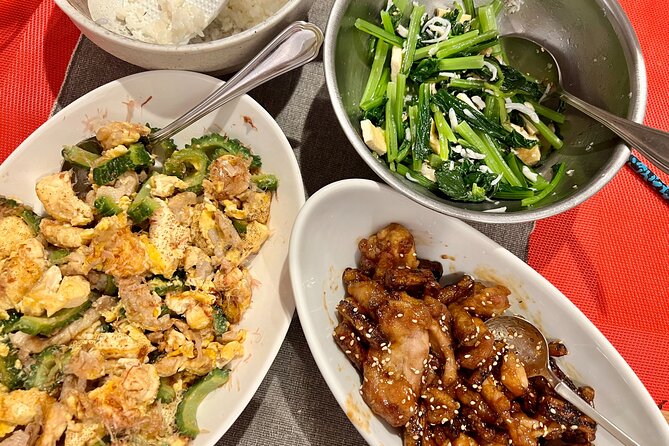
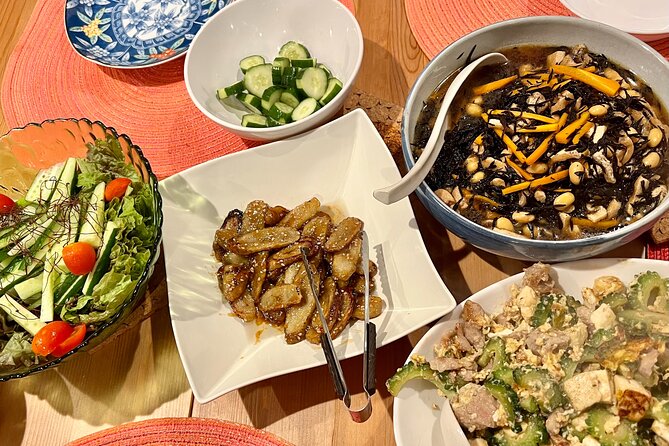
Menus can vary because the hosts finalize what you’ll cook with you after booking. Still, you’ll usually get a mix of classic comfort foods and everyday favorites.
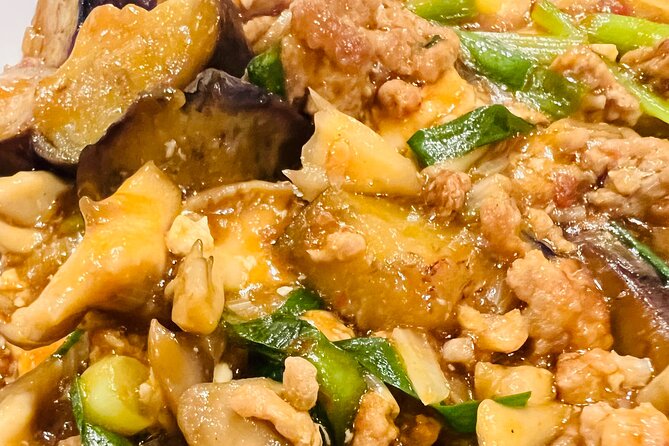
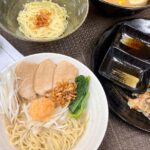
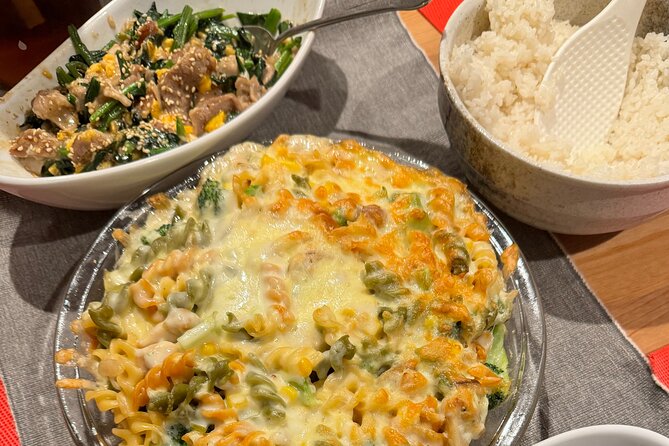
From the dishes people discuss, you may cook things like:
- gyoza
- tamago yaki
- okonomiyaki
- teriyaki-style chicken
- sautéed vegetables
If that looks like a crowd-pleasing spread, that’s the point. You’re not just making something exotic. You’re learning dishes that show up in real Japanese homes.
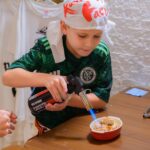
The hands-on part happens at the kitchen counter with slicing, dicing, mixing, and assembling. Because the atmosphere is informal, you’re not expected to already know Japanese knife skills or cooking jargon. Kids can take part too, which is a big deal for families who don’t want to spend their whole vacation splitting up from one another.
One more plus: the hosts are used to adapting for food requirements. In practical terms, that means if someone in your group is vegetarian, you’re not likely to be stuck eating a sad side salad while everyone else enjoys the main course. Still, confirm your needs ahead of time.
You can also read our reviews of more tours and experiences in Kyoto




Dinner Family-Style: Eating the Meal You Built
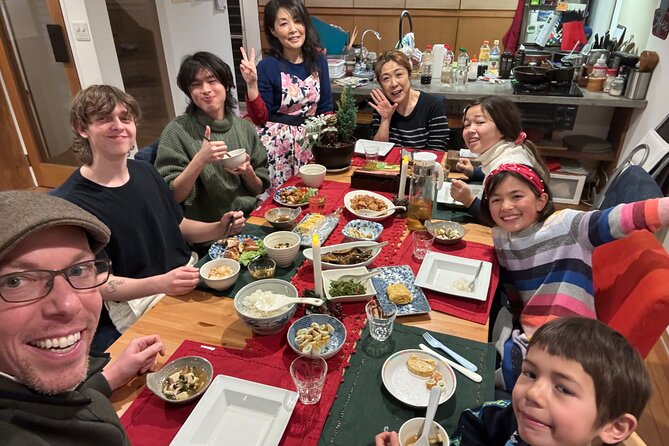
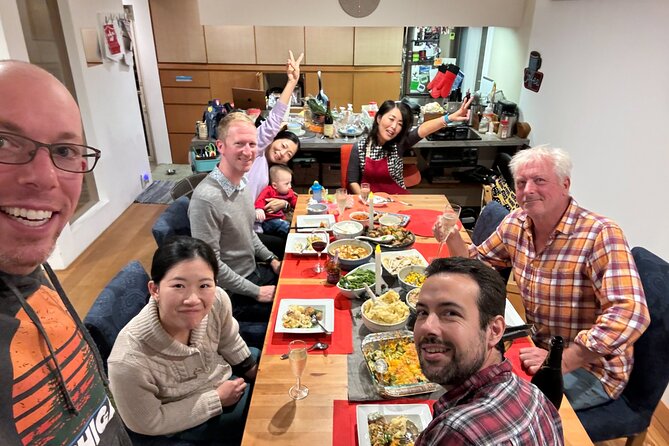
After you cook, you gather to eat. Dinner is included, along with coffee and/or tea. This is a key value point, because you’re paying for a complete experience, not just a cooking session where you leave hungry.
What makes the meal special is that it’s part of the conversation. People sit together. Stories come out. Questions get answered. If you’ve ever wondered what it would be like to dine with a Japanese family, this gives you a safe, warm version of that.
Also, eating your own food right away helps the lesson stick. You taste what you did, then connect it to what you were taught about staples and balance. That’s where the experience stops being “a class” and turns into a memory you can actually use.
And yes, the pets and kids factor in. In a few accounts, pets are clearly part of the scene, and nobody seems to treat that like a big issue. You’re joining their home rhythm for a couple hours. If you like that kind of human-scale authenticity, you’ll probably love it.
Price and Value: Why It’s More Than the $96.84 Number
At $96.84 per person for about 2 hours 30 minutes, this isn’t the cheapest activity in Kyoto. But it also isn’t the typical “pay for a demo” price.
Here’s where the value comes from:
- Dinner is included (not just tasting).
- Ingredients and seasonings are provided, plus taxes and fees.
- You get an English-speaking instructor.
- It’s a private activity, meaning only your group participates.
- Transportation to Kokusaikaikan subway station is included.
If you compare it to paying for a restaurant dinner plus a structured class, the math gets closer. The big difference is access. You’re paying for a home experience where the hosts aren’t just teaching recipes—they’re sharing everyday Japanese cooking and family life.
Where the “not perfect” side shows up is in expectations. One lower rating mentions that it can feel more like cooking alongside the host family than a tightly structured class. That doesn’t sound like most people’s experience, but it’s a reasonable consideration. If what you want is strict instruction and a step-by-step curriculum, look closely at how you like to learn. If you want warmth, hands-on participation, and the chance to eat dinner you made, this price feels much easier to justify.
Practical Tips for Families, Vegetarians, and First-Time Home-Cooks

If you’re bringing kids, you’re already thinking in the right direction. This is built for families, and people describe the atmosphere as friendly for all ages. You’ll likely find tasks that match different energy levels, from simple mixing to hands-on prep.
For vegetarian diners: you should communicate clearly before you go. The hosts have shown they can make sure vegetarian guests aren’t short-changed. Still, send your request early so the menu can be adjusted.
If you’re sensitive about pets: remember this takes place in a home with a cat and dog mentioned in the description. That doesn’t mean it’s chaotic. It means you should be mentally ready for a lived-in environment.
And if you like learning “why” not just “what,” pay attention during the staples segment. That part is where you’ll get the most long-term payoff, especially for flavors like dashi and the balance brought by soy sauce, mirin, and sake.
Finally, go with a group size that makes sense for a home. This is private, so small groups often feel most comfortable and interactive, but large groups are welcomed too—just confirm how your group will be handled.
Should You Book Kyoto Family Kitchen?
Book it if you want Kyoto that feels human and shared. This is a strong fit for:
- families with kids (the whole point is that everyone can participate)
- couples or small groups who want a quieter, non-touristy evening
- food lovers who want the basics behind Japanese flavor, not just one recipe
- anyone who would enjoy an English-speaking host in a real household setting
Skip it, or consider another option, if you want:
- a strictly structured cooking class with a classroom-style curriculum
- a quiet, pet-free environment
- a more “commercial” kitchen setup where nothing feels personal
My take: if you’re the type of traveler who loves being invited into daily life—tea, conversation, shared work at the counter, and then the meal—this is one of Kyoto’s best values. Not because it’s flashy. Because it’s real.
FAQ
What is the duration of the Kyoto Family Kitchen Cooking Class?
The class runs about 2 hours 30 minutes.
Where does the experience take place?
It starts at 33-50 Kamitakano Saimyōjiyama, Sakyo Ward, Kyoto 606-0064, Japan, and ends back at the meeting point.
When is it offered?
The experience is scheduled Monday through Friday from 6:00 PM to 8:30 PM.
Is this a private activity?
Yes. It’s private, meaning only your group participates.
How much does it cost?
The price is $96.84 per person. A minimum of 2 guests is required.
What’s included in the price?
Included: dinner, coffee and/or tea, an English-speaking instructor, all seasonings and ingredients, all fees and taxes, and transportation to the Kokusaikaikan subway station.
What is not included?
Alcoholic beverages are not included, and tip/gratuity is not included.
How do we get there?
After booking, you’ll finalize meeting times and directions. It’s near public transportation, and transportation to Kokusaikaikan subway station is included.
Is an English-speaking instructor provided?
Yes, the instructor speaks English.
Are service animals allowed?
Yes, service animals are allowed.
Can I get a refund if I cancel?
Free cancellation is available up to 24 hours in advance for a full refund. If you cancel less than 24 hours before the experience starts, the amount paid is not refunded.
![Kyoto: Personalize, private tour (3h, 5h, 8h) [W/Car Option] - Meeting José in Kyoto: start points that make logistics painless](https://l.discoveringkyoto.com/wp-content/uploads/kyoto-personalize-private-tour-3h-5h-8h-w-car-option-400x267.jpg)