REVIEW · KYOTO
Kyoto: Afternoon Japanese Izakaya Cooking Class
Book on GetYourGuide →Operated by Cooking Sun · Bookable on GetYourGuide
Cooking in Kyoto beats another temple stop.
In this Kyoto izakaya cooking class, you’ll cook Japanese comfort food in a real kitchen setting and chat with the chef while you cook and eat. I especially liked the English instruction (so you’re not stuck guessing what to do) and the fact that the recipes are written clearly enough that you can make them again later. One thing to keep in mind: the pace is fairly active, because you’re cooking and eating in two rounds during a 3-hour window.
I’ve found that these kinds of hands-on food classes work best when you want something practical, not just another meal. Here, the instructors (including Yumi and Yumiko, mentioned by name in reviews) keep things friendly and step-by-step, so even non-cooks can succeed. The only drawback I’d flag is that you should expect to focus on the task at hand during class time, not on wandering around Kyoto afterward.
If you’re looking for a fun indoor break that also teaches you how Japanese households actually eat, this one makes a lot of sense. You meet at Cooking Sun in Shimogyo Ward, then get into apron-and-utensil mode quickly.
In This Review
- Key things that make this Kyoto class worth your afternoon
- Entering The Cooking Sun Kitchen in Shimogyo Ward
- Two Cooking Rounds: How the 3 Hours Actually Flow
- What You’ll Cook: Japanese Home Dishes with Izakaya Energy
- Chef Conversation Is Part of the Lesson
- The Take-Home Recipes: Your Real Souvenir
- Price and Value: Is $67 a Good Deal?
- What to Expect In the Kitchen (And How to Set Yourself Up to Win)
- Who Should Book This Kyoto Izakaya Class?
- A Few Practical Notes Before You Go
- Should You Book This Kyoto Izakaya Cooking Class?
- FAQ
- How long is the Kyoto Japanese izakaya cooking class?
- Where is the meeting point?
- Is the class taught in English?
- How many dishes will I cook?
- What should I do if I have a dietary requirement?
- Can I cancel for a refund?
Key things that make this Kyoto class worth your afternoon
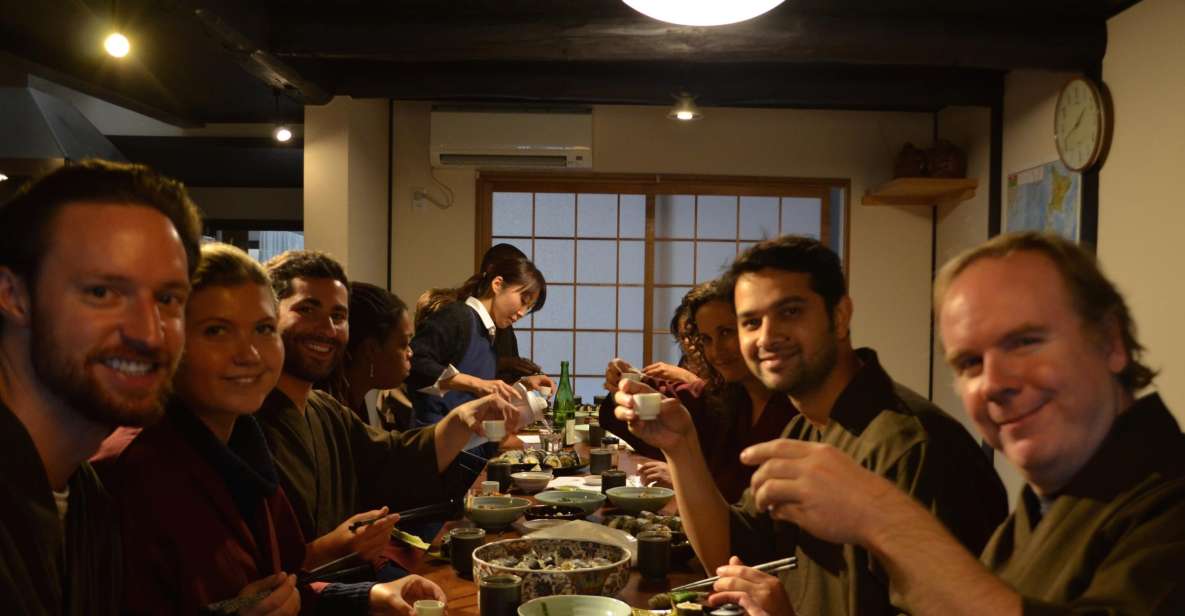
- Izakaya-style cooking with real chef conversation as you work and eat
- Clear English guidance that lowers the stress for beginners
- Two cooking rounds (cook, eat, cook again, then eat once more)
- Take-home recipes so your trip keeps feeding you after you fly home
- Menu variety you can actually taste-test (some reviews mention okonomiyaki and dashi basics)
- Dietary flexibility when you tell them in advance (including vegetarian adaptations noted in reviews)
Entering The Cooking Sun Kitchen in Shimogyo Ward
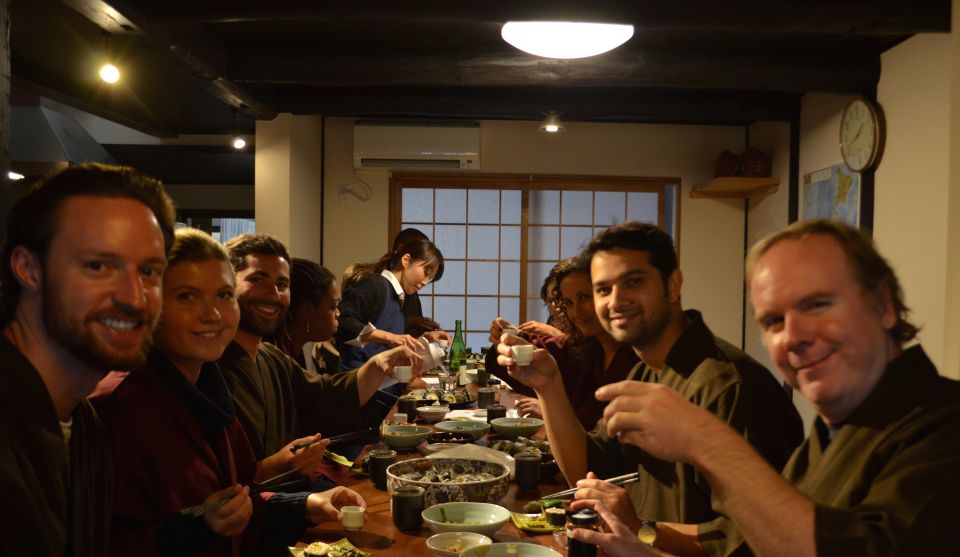
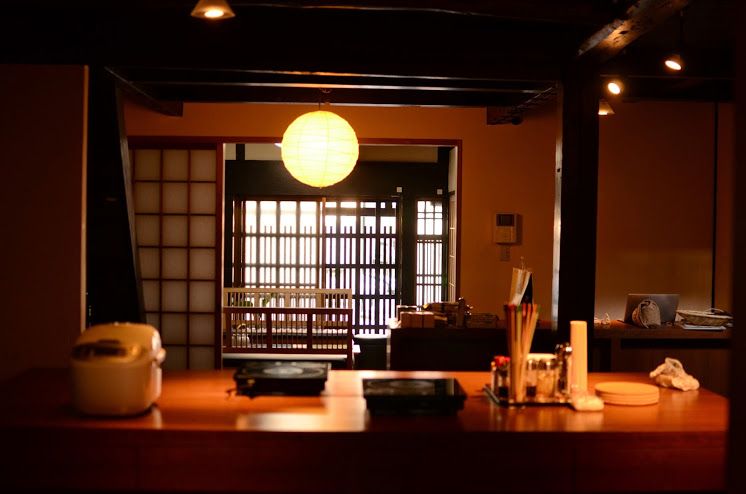
This class is set up for an afternoon that feels like joining a small group in someone’s working kitchen, not standing around for a demo. You meet at Cooking Sun in Shimogyo Ward, Kyoto, at Funayacho, 600-8466. The location matters because you get to spend less time hunting and more time cooking—Kyoto is great, but you don’t want your class start to become a scavenger hunt.
What you’re really buying with this experience is time plus instruction. In Japan, a lot of food culture is in the tiny decisions: how you season, how you time steps, and how you keep a dish consistent. A structured class like this gives you those basics fast—without requiring you to already know the ingredients or techniques.
You also get an added layer of comfort: instruction is in English, and the format is hands-on. That matters if you’re traveling with friends who don’t cook, or if you want to learn without feeling embarrassed when you wipe the wrong surface twice.
You can also read our reviews of more cooking classes in Kyoto

Two Cooking Rounds: How the 3 Hours Actually Flow
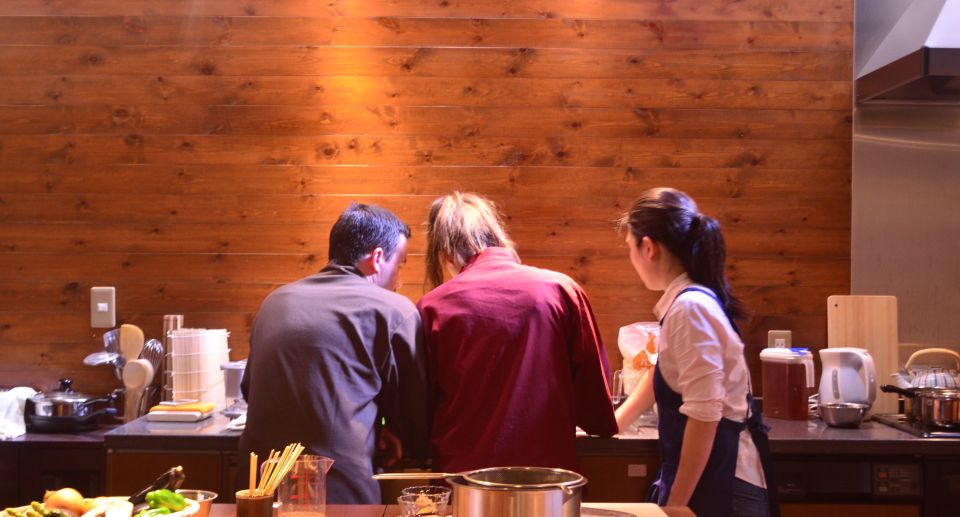
The class is built in two parts. First, you’ll cook 2 or 3 dishes together with your chef, then you’ll eat what you made. After that, you head back to the kitchen for 2 or 3 more dishes, followed by another eating round.
That structure is smarter than it sounds. Cooking in one big block would be chaotic—Japanese home cooking often relies on timing (hot pans, quick sauces, and correct doneness). The “cook, eat, then cook again” rhythm forces you to learn in chunks and resets everyone’s attention.
Here’s how it usually feels in practice:
- You start with a briefing style moment—what the goal dish is and how your station works.
- Then you work your way through active steps: chopping, mixing, heating, and assembling.
- You eat what you cooked, so you immediately understand what “good” looks and tastes like.
If you’ve ever taken cooking classes that run like a lecture, this one is the opposite. It’s more like a workshop: you’re doing the work while someone talks you through the why.
What You’ll Cook: Japanese Home Dishes with Izakaya Energy
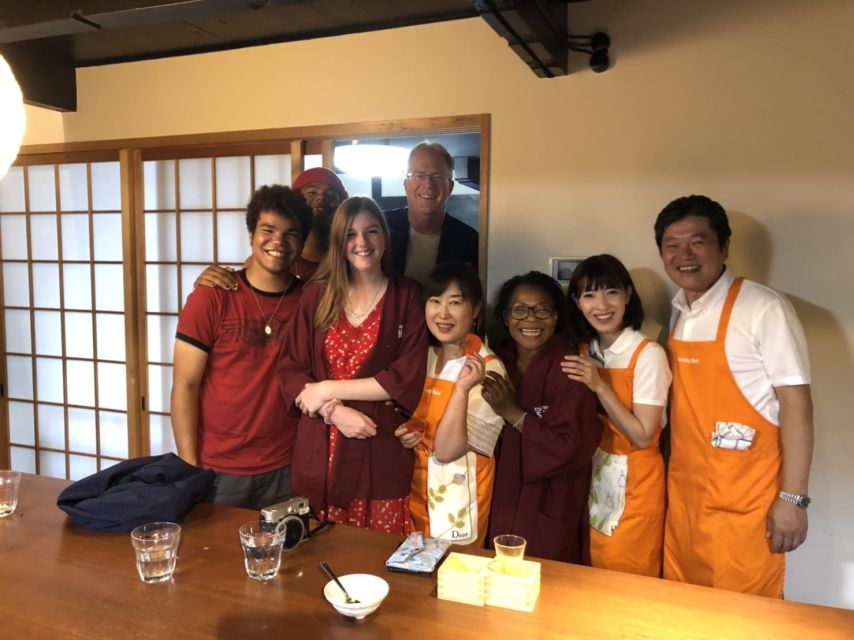
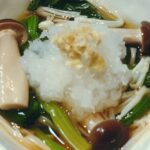
The description calls it Izakaya-style cooking, meaning the food sits comfortably between home meals and casual drinking-spot plates. That blend is one reason this class feels fun. You’re not just learning fancy restaurant skills—you’re learning dishes that make sense for everyday Japanese eating, with flavor profiles designed for sharing.
Across the reviews, certain dish types show up clearly:
- Okonomiyaki is specifically mentioned by one reviewer as the best they’ve had.
- People also talk about learning dashi and the related shopping list items like mirin and dashi, which tells me the class focuses on foundational Japanese seasoning—not just sauce-only tricks.
- Several reviews mention step-by-step recipes and dishes that are simpler than they first appear, which is exactly what you want on day one.
One important note: the class structure says 2–3 dishes per cooking round, but some reviews mention a larger total output (including cases with more dishes and even dessert). That suggests the menu can vary by session. If you care a lot about quantity, don’t assume every day is identical—treat it as a learning experience first, and a meal second (but a very tasty meal, of course).
Chef Conversation Is Part of the Lesson
In many Japanese izakaya settings, the fun is not only the food—it’s the back-and-forth. This class follows that vibe. You’re expected to talk with your chef while cooking and eating at the same time, which means you learn culture in a practical way.
That conversation piece is also what makes this feel authentic. You don’t just get a recipe sheet; you get context. You ask, they explain. You taste, you ask again. You also see how instructors handle real kitchen realities—what to do when something runs too thin, when the pan runs hot, or when your timing slips.
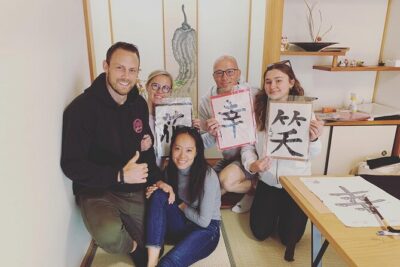
In multiple reviews, instructors are praised for being friendly and supportive. Names that come up include Yumi and Yumiko, and several people highlight that the class environment helps beginners succeed. That’s a real value—cooking classes are often either intimidating or overly casual. This one seems to land in the productive sweet spot: hands-on, but not harsh.
The Take-Home Recipes: Your Real Souvenir
The best part of a cooking class isn’t what you eat during the session. It’s whether you can reproduce it without a panic search on your phone. Here, you get written materials and guidance that reviewers repeatedly describe as well documented and step-by-step.
That means you can take the class home in two ways:
- You’ll remember the flavors and techniques.
- You’ll have a recipe format that makes it realistic to cook again.
This is why reviews mention people preparing these dishes at home soon after. When the class is done well, you don’t just leave full—you leave with a plan. You also learn what ingredients are worth stocking. Dashi and mirin show up in reviews, which is a hint that the class teaches you the building blocks, not just one-off sauces.
You also get an apron and utensils included. That sounds basic, but it matters. You don’t waste your limited Kyoto time figuring out kitchen tools. You just cook.
You can also read our reviews of more drinking tours in Kyoto


Price and Value: Is $67 a Good Deal?
At $67 per person for 3 hours, this class sits in the mid-range for activities in Kyoto, but the value is in what’s included. You’re getting:
- a structured cooking session (not a demo),
- ingredients supplied,
- utensils and an apron,
- and recipes you can use later.
If you compare it to paying for multiple meals alone, it’s a fair trade. You’re essentially buying an experience where your meal is created by you, with instruction guiding you through the details that make Japanese home cooking taste right.
Also consider this: many Kyoto sightseeing plans don’t teach you a real skill. This one does. Even if you never become a serious cook, you’ll learn how Japanese seasoning and technique work—then your next restaurant meal in Japan becomes more understandable.
One more practical value point: this is an indoor plan. Kyoto weather can be unpredictable, and this gives you a reliable afternoon activity that still feels cultural and local.
What to Expect In the Kitchen (And How to Set Yourself Up to Win)
You’re in an active cooking environment, so a few mindset tweaks will make the class more enjoyable:
- Expect timing pressure. You’re cooking multiple items in a short window.
- Listen first, then do. Step-by-step instruction is the difference between stress and success.
- Ask questions while you work. The class is designed for conversation with the chef.
Footwear and comfort matter more than you might think. You’ll likely stand for significant parts of the session. Also, because you’re cooking, you’ll want clothes you don’t mind getting a little food-kitchen reality on them.
Dietary considerations are another setup factor. The only clear rule you’re given is: if you have dietary needs, tell the supplier when you book. Reviews mention vegetarian accommodations, including separate utensils and pans, so the kitchen appears capable of adapting. Still, don’t wait until you arrive—message them early so they can plan.
Who Should Book This Kyoto Izakaya Class?
This is a great fit if you want a hands-on cultural activity that still feels manageable.
Best for:
- Food lovers who want to understand Japanese seasoning and technique, not only taste dishes.
- Beginners who need English guidance and structured steps (multiple reviews call out beginner-friendly instruction).
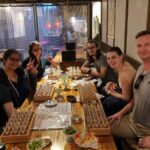
- Couples and small groups who want an activity that creates shared memories around a table.
It may be less ideal if:
- you dislike cooking and mainly want sightseeing,
- or you want a super relaxed, slow-moving afternoon. Reviews mention a fast pace, so this is more workshop than spa.
The good news: you don’t have to be a trained chef. Reviews include people who cook professionally, and people who don’t cook at all, both reporting they felt guided through tasks.
A Few Practical Notes Before You Go
Here’s what I’d plan around when scheduling your day:
- Since it’s a 3-hour activity, treat it like a solid anchor on your afternoon.
- You’ll start at Cooking Sun and then spend most of your time in the kitchen environment.
- The class is run in English, which is a big deal if you want to understand what you’re doing, not just copy motions.
Also: it’s listed as wheelchair accessible, which makes it a strong option if you need that kind of practicality. If you have specific needs, it’s worth confirming details when you book.
Should You Book This Kyoto Izakaya Cooking Class?
If you want an afternoon that’s genuinely useful and deeply Kyoto without requiring you to spend hours researching menus, I think this class is a strong yes. You’ll leave with more than full bellies: you’ll leave with repeatable recipes, foundational ingredients like dashi, and a better understanding of how izakaya dishes connect to everyday Japanese food.
Book it if:
- you want hands-on learning in English,
- you like the idea of cooking and eating in two rounds,
- and you care about taking something home besides photos.
Skip it if:
- you’re not interested in cooking at all,
- or you only want passive sightseeing and would rather spend that time walking Kyoto streets.
FAQ
How long is the Kyoto Japanese izakaya cooking class?
The class runs for 3 hours.
Where is the meeting point?
You meet at Cooking Sun, Funayacho, Shimogyo Ward, Kyoto, Kyoto 600-8466.
Is the class taught in English?
Yes. Instruction is listed as English.
How many dishes will I cook?
The class is structured around cooking 2–3 dishes in the first round and 2–3 more dishes in the second round.
What should I do if I have a dietary requirement?
If you have any dietary requirements, let the local supplier know upon booking.
Can I cancel for a refund?
Yes. The activity offers free cancellation up to 24 hours in advance for a full refund. There’s also a reserve now & pay later option.