Silence by the river beats temple crowds. Kyoto Hidden Riverside Zen Mediation and Uji Matcha is a Zen workshop done open air, on a riverside deck with trees, breeze, and the steady sound of water shaping your focus. Instead of a formal, temple-hall routine, you get a guided introduction to zazen as a real-life skill.
I really like two things about this experience. First, the session is taught in a workshop style, step by step, so you’re not left guessing how to sit or what you’re supposed to do with your attention. Second, it closes with a quiet tea time featuring premium Uji matcha and seasonal wagashi—gentle and simple, not a high-pressure performance.
One thing to consider: this is weather-dependent because it’s outdoors. If conditions are poor, you’ll be offered a different date or a full refund, so it helps to stay flexible.
In This Review
- Key things that make this Kyoto Zen workshop worth it
- Kyoto’s riverside zazen: why this feels different from temple halls
- How the 2-hour workshop flows, from first sit to mindful tea
- 1) You arrive and get oriented
- 2) Guided zazen basics, step by step
- 3) Personal reflection and integration tools
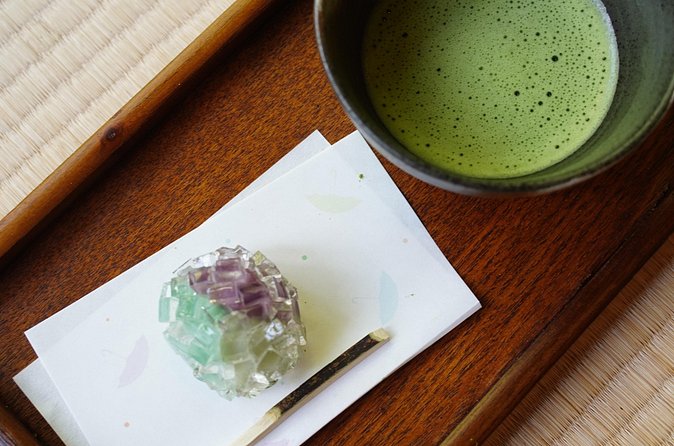
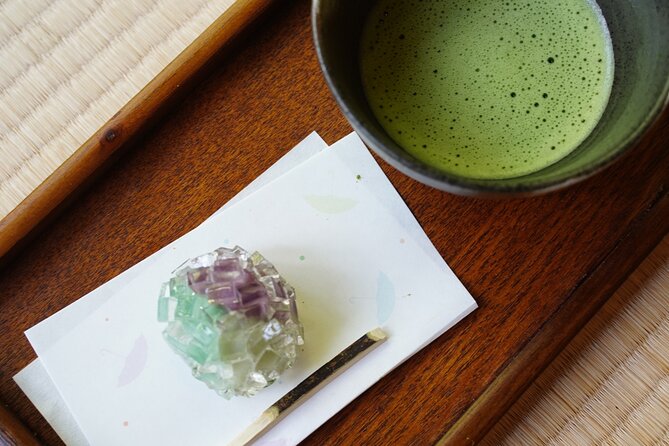
- 4) Tea time: premium Uji matcha and seasonal wagashi
- Meeting point in Ukyo Ward: show up smoothly
- English guidance and real-practice coaching for beginners
- Premium Uji matcha and wagashi: why the ending matters
- Price and value: what $105 buys you in Kyoto mindfulness
- Who should book this Zen-by-the-river session
- Should you book this Kyoto Hidden Riverside Zen Meditation and Uji Matcha experience?
- FAQ
- How long is the Zen meditation and Uji matcha experience in Kyoto?
- Where do I meet, and where does the experience end?
- Is the meditation session inside a temple?
- What food and drink are included?
- Will I have an English-speaking guide?
- How big is the group?
- What happens if the weather is poor?
- What is the cancellation policy?
Key things that make this Kyoto Zen workshop worth it
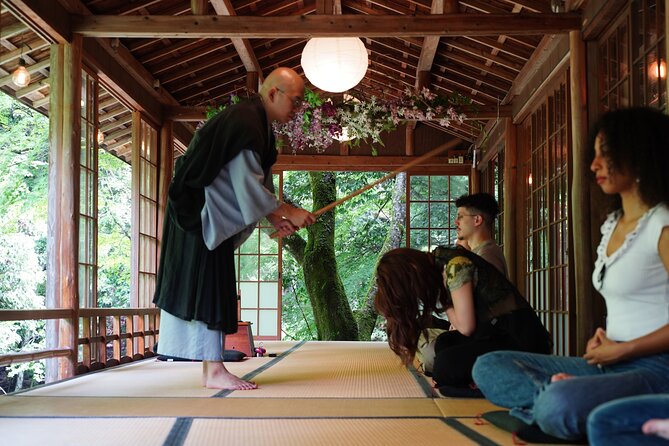
- Open-air riverside deck turns the sound of flowing water into part of the practice
- Beginner-friendly zazen basics are taught step by step, without heavy ritual focus
- English interpretation included so you can actually follow the meaning, not just the motions
- Small group size (max 10) keeps the class feeling personal
- Mindful finish with Uji matcha and seasonal wagashi helps you land back in your day
- Zen-focused, everyday approach trains awareness you can take home
Kyoto’s riverside zazen: why this feels different from temple halls
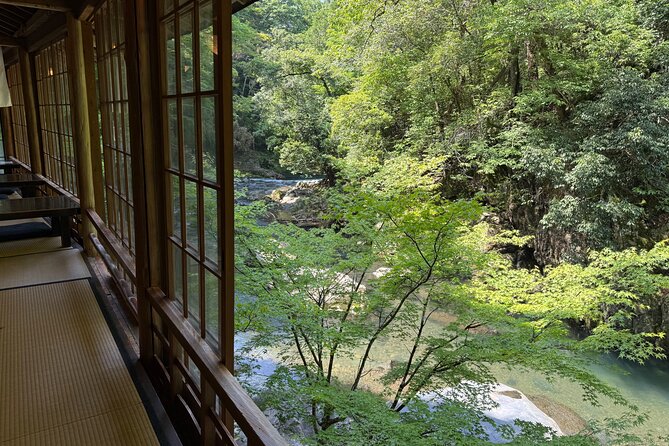
Kyoto is full of places to watch people sit in silence, but this experience takes that idea and changes the setting. You’re not sealed inside a temple building. You’re outside on a riverside deck, surrounded by trees and morning air, with the water nearby acting like a steady metronome for your attention.
That setting matters because it changes how “meditation” feels. Indoors, you can spend mental energy on sound control: keeping quiet, staying still, trying not to disturb others. Outdoors, the natural noise is already there. You can treat it as part of the practice instead of a distraction.
The workshop also avoids the vibe of strict ceremony. The goal here isn’t to impress anyone with perfect posture or religious script. It’s a practical introduction to zazen and the calm mindset behind it, with an emphasis on how Zen can show up in ordinary life.
You can also read our reviews of more tours and experiences in Kyoto.



How the 2-hour workshop flows, from first sit to mindful tea
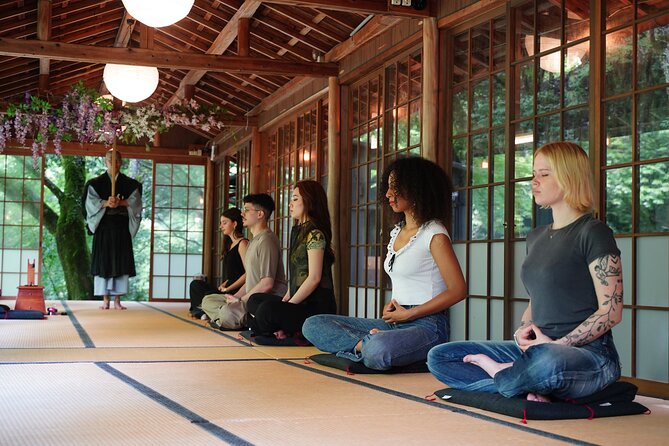
The full experience runs about 2 hours, and it’s structured like a guided class rather than a vague meditation event. You’ll start with the main zazen instruction, then transition into a quiet tea moment to close things off.
1) You arrive and get oriented
You’ll meet at 35 Umegahata Tonohatachō, Ukyo Ward, Kyoto. From the start, the tone is calm and clear. Since there’s an English speaking cultural guide with you, you’re not left piecing things together through limited instructions.
This matters for first-timers. When you’re new to seated meditation, the hardest part is often figuring out what to do in the first few minutes. A workshop format helps you get your bearings fast, so you can focus on being present instead of performing “meditation correctly.”
2) Guided zazen basics, step by step
The core of the experience is a guided introduction to zazen. You’ll be taught the basics in an approachable way, with real coaching rather than just one-time directions. The emphasis is on posture and breath as foundations, then on awareness as something you practice rather than something you wait to feel.
You’ll also notice how the workshop frames Zen as everyday. Instead of treating meditation as something sacred and separate from the rest of life, it’s taught as a mindset you can carry outside the session—back home, during your commute, in short pauses between tasks.
3) Personal reflection and integration tools
This isn’t only “sit and listen.” The workshop includes moments for personal reflection and guidance on how to integrate mindfulness into daily living. For me, this is one of the best parts of a short workshop: it gives you something usable, not just a pretty morning memory.
Because it’s guided, you also get feedback on what you’re doing mentally. Even without technical terms, you can learn the difference between forced stillness and relaxed attention, and how to return when your mind wanders.


4) Tea time: premium Uji matcha and seasonal wagashi
After the zazen session, you end with a peaceful tea time. You’ll enjoy premium Uji matcha along with seasonal wagashi. It’s described as a mindful way to close the experience, not a formal tea ceremony.
That detail is important. A tea ceremony can be long and rule-heavy. This matcha-and-wagashi finish is calmer. It helps your body and mind come down from “practice mode” without yanking you back into your phone immediately.
Meeting point in Ukyo Ward: show up smoothly

Logistics don’t have to steal your attention. This experience starts and ends back at the meeting point, so there’s no stressful handoff to different locations mid-activity.
The meeting address is 35 Umegahata Tonohatachō, Ukyo Ward, Kyoto, 616-8293, Japan. The good news: it’s near public transportation. That means you can plan like a normal Kyoto visitor—one simple destination, then you’re done when it ends.
It also uses a mobile ticket, which helps if you’d rather keep things digital while walking around Kyoto. If you like to travel light and avoid extra paperwork, that’s a nice fit.
English guidance and real-practice coaching for beginners
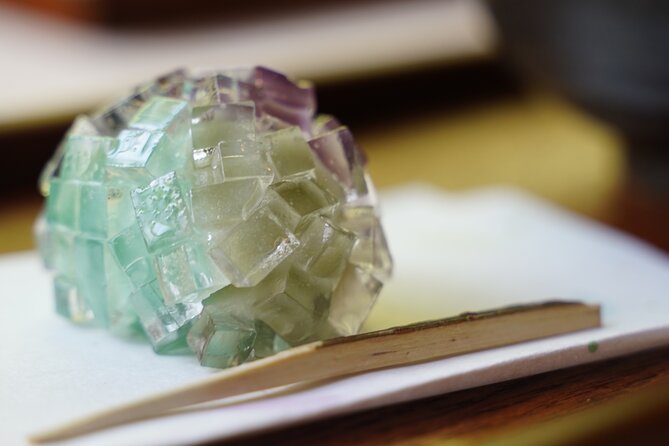
This workshop is led by a respected Zen instructor with decades of guiding practitioners at Kyoto’s most historic temples and shrines. That kind of background matters, not because you need a credential to meditate, but because it often correlates with better teaching.
Here, the instruction is explicitly approachable. The workshop is designed so beginners can understand what they’re doing and why. You’re guided through the basics of zazen rather than handed an expectation to figure it out solo.
Then there’s the cultural guide, who provides English interpretation and cultural insight in real time. This is a practical advantage. Zen instruction can sound abstract if you only hear a few phrases. With interpretation, you can connect the practice to meaning, and you’re less likely to get lost when the instructor explains the mindset behind sitting quietly.
Small group size also helps. With a maximum of 10 travelers, it’s easier for the guide to make sure everyone understands. You’re not just one face in a crowd.
Premium Uji matcha and wagashi: why the ending matters
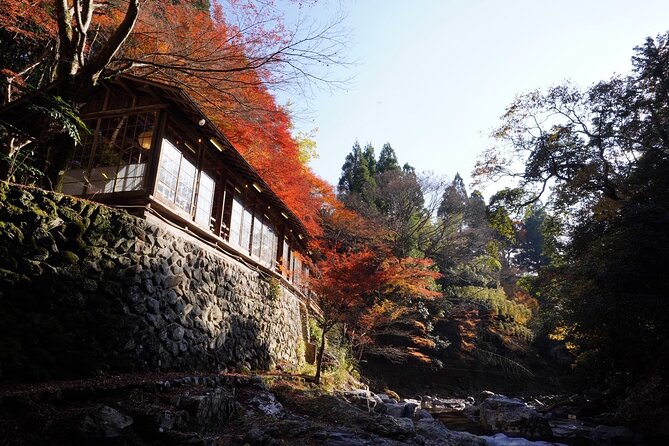
Many tours end with a stamp of satisfaction, like you “checked the box.” This one ends with something that changes your pace. The tea time isn’t just a snack stop; it’s a mental transition.
You’ll be served premium Uji matcha along with seasonal wagashi. Even if you’re not the type to drink matcha every day, this is a thoughtful close: warm beverage, small sweet, quiet atmosphere. It naturally slows you down after a concentrated sitting practice.
And because it’s described as not being a formal tea ceremony, you can relax into it. There’s no sense you have to track choreography or memorize rules. The point is mindfulness, not performance.
If you’re pairing this with other Kyoto sights, you’ll appreciate that the ending is restful. It leaves you with calm energy rather than post-tour fatigue.
Price and value: what $105 buys you in Kyoto mindfulness
At $105 per person for about 2 hours, this isn’t a “cheap and cheerful” activity. You’re paying for instruction, not just scenery. The core value is the guided zazen workshop led by an experienced Zen instructor, plus an English speaking cultural guide, in a small group capped at 10.
In Kyoto, a lot of experiences are mostly observation: you watch something happen, you take photos, you move on. This one is different. It’s participation. You’re learning a practice step by step, then applying it immediately in the room (or on the deck, in this case).
So the question becomes: do you want a structured introduction you can use later? If yes, the price feels more reasonable. If you’re looking for a pure photo walk with minimal effort, you might feel it’s too focused.
One more value point: it includes the matcha and wagashi (and coffee or tea as options are listed). That means the cost isn’t inflated by “later extras.” You’re not left searching for a café right after the session.
Also, it’s described as requiring good weather. That adds risk, but it’s handled with a clear approach: you’ll be offered another date or a full refund if it’s canceled due to poor weather.
Who should book this Zen-by-the-river session
This experience fits best if you want something calmer than the typical Kyoto day. It’s especially appealing if:
- You’re curious about zazen but unsure where to start
- You want an experience that’s guided, not self-directed
- You prefer nature settings over crowded temple halls
- You like structured mindfulness you can carry into daily life
- You’re traveling with someone who’d enjoy quiet time more than ticking off another shrine photo stop
It’s also a good match if you’re the kind of traveler who enjoys cultural context. The English speaking cultural guide gives you interpretive help, so you can understand the practice’s framing.
If you’re someone who only wants formal rituals, this might not scratch that itch, since it’s not presented as a strict ceremony. Still, for many people, that’s exactly why it works.
And if you’re easily bothered by outdoor conditions, keep the weather factor in mind. This is outdoors, so plan around that.
Should you book this Kyoto Hidden Riverside Zen Meditation and Uji Matcha experience?
I think you should book it if your idea of a great Kyoto morning includes calm guidance, real instruction for beginners, and a peaceful ending that doesn’t rush you back into sightseeing mode.
The strongest reasons to choose it are the riverside setting, the workshop-style teaching of zazen, and the gentle closure with premium Uji matcha and seasonal wagashi. With a small maximum group size and English interpretation, it’s built to be understandable and not intimidating.
Pass on it if you’re set on a temple-only experience, want a longer ritual format, or you’re traveling during a period where you can’t handle weather disruptions. The outdoors part is real.
If you’re on the fence, a practical tip: because it’s typically booked about 14 days in advance, don’t wait until the last second if your dates are fixed.
FAQ
How long is the Zen meditation and Uji matcha experience in Kyoto?
It lasts about 2 hours.
Where do I meet, and where does the experience end?
It starts at 35 Umegahata Tonohatachō, Ukyo Ward, Kyoto, 616-8293, Japan, and it ends back at the meeting point.
Is the meditation session inside a temple?
No. The session takes place by the riverside on an open-air deck rather than inside a temple hall.
What food and drink are included?
The experience includes premium Uji matcha and seasonal wagashi, and coffee and/or tea are also served.
Will I have an English-speaking guide?
Yes. An English speaking cultural guide accompanies you and provides interpretation and cultural insight.
How big is the group?
There’s a maximum of 10 travelers.
What happens if the weather is poor?
The experience requires good weather. If it’s canceled due to poor weather, you’ll be offered a different date or a full refund.
What is the cancellation policy?
Free cancellation is available up to 24 hours in advance of the experience. Cancellation rules are based on local time.