REVIEW · KYOTO
Authentic Ninja Weapon Forging Experience in Kyoto
Book on Viator →Operated by Atelier NIN · Bookable on Viator
Make your own ninja weapon in Kyoto.
This hands-on workshop at Atelier NIN lets you shape steel into a shuriken or kunai, then personalize it with kanji engraving and a dark protective blackening finish. You’re not just watching: you suit up, heat metal in an 800°C furnace, hammer it safely, refine it with professional tools, and leave with a boxed souvenir.
I especially like that the experience is built for beginners. Skilled instructors guide you through each step, and the shop even sets you up with specialized hammers/files and the right blacksmith uniform. One thing to consider is that the directions can feel a bit loose at times, so if you want very tight, step-by-step verbal clarity, plan to ask questions early and often.
In This Review
- Key things that make this workshop special
- What You’re Actually Making: Shuriken or Kunai in Kyoto
- Getting Into the Mood: Samue, Tenugui, and a Proper Blacksmith Setup
- The 800°C Forging Step: Where the Workshop Really Begins
- Refining and Sharpening: Belt Sander Work and Getting the Shape Right
- Choosing Your Kanji, Blackening the Steel, and Finishing It for Travel
- The Ninja Knowledge Session: History and Why It’s Included
- Value Check: Is $151.92 Worth It for a 2.5-Hour Workshop?
- Logistics That Matter: Where to Go and How to Get There
- Who Should Book This Workshop—and Who Might Skip It
- Should You Book Atelier NIN’s Ninja Weapon Forging Experience?
- FAQ
- How long is the ninja weapon forging experience?
- What weapon options do I get to choose from?
- Do I need any experience with metalworking or forging?
- What’s the physical requirement like?
- What’s included, and what should I plan for separately?
- What if I need to cancel?
Key things that make this workshop special
- Beginner-friendly forging: No prior experience needed, with staff walking you through each stage
- Real metal shaping: Heat to around 800°C, hammer the glowing steel, then sharpen and refine
- Choose your weapon shape: Pick from three shuriken styles or make a kunai
- Personalization that shows: You select a kanji character and get it engraved
- Finish it like a tool: Blackening solution for the dark look, then final polishing
- Take-home packaging: You get a clean box and bag to store your weapon for travel
What You’re Actually Making: Shuriken or Kunai in Kyoto
Before you show up, decide what kind of ninja tool you want in your hands at the end: one of the three shuriken styles or a kunai. That choice matters because each design has its own shape and feel, so you’ll notice it during the refining and sharpening steps. If you like the classic star silhouette, go shuriken. If you want something more like a compact, utilitarian dagger/tool, the kunai is a great pick.
This is also the kind of souvenir that feels more real than most “made-in-a-workshop” crafts. You’re working with steel and learning why the shape and edges matter, not just producing a decorative item. That authenticity is exactly why this workshop has such strong ratings and repeat bookings.
You can also read our reviews of more tours and experiences in Kyoto.



Getting Into the Mood: Samue, Tenugui, and a Proper Blacksmith Setup
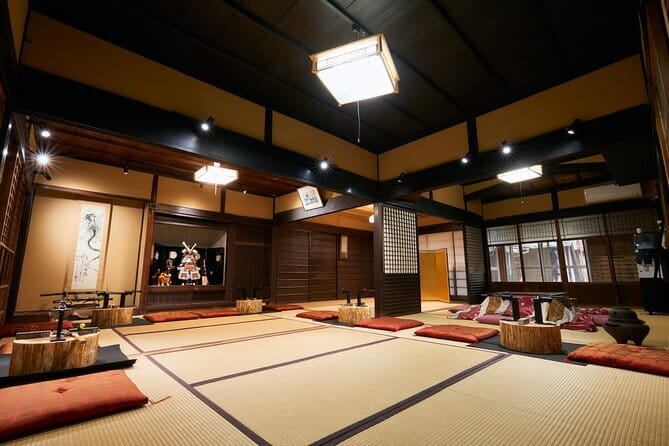
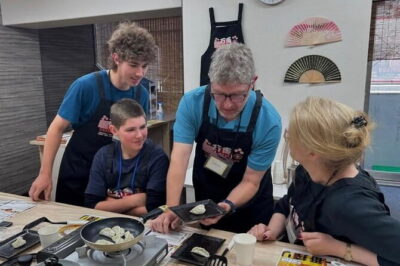
Your first step is dressing the part. You’ll change into samue, the traditional blacksmith uniform (black, work-ready, and easy to move in). Then you wrap a tenugui around your head. It’s not cosplay for show—it helps you get into the rhythm of the workshop and makes the space feel like a training hall rather than a classroom.
From there, expect the staff to focus on safe, practical guidance. The workshop provides specialized tools for the steps that involve metalworking, including items like hammers and sharpening tools. They also set you up with storage materials at the end: a clean box and bag, which is a big deal if you’re flying home and don’t want to deal with loose metal in your luggage.
One small reality check: this is hands-on work. You’ll use your arms and hands during forging and refinement, and the workshop asks for a moderate physical fitness level. The good news is that staff can offer easier options for parts like sharpening when stamina is an issue, so this doesn’t automatically mean you need to be a gym rat.
The 800°C Forging Step: Where the Workshop Really Begins
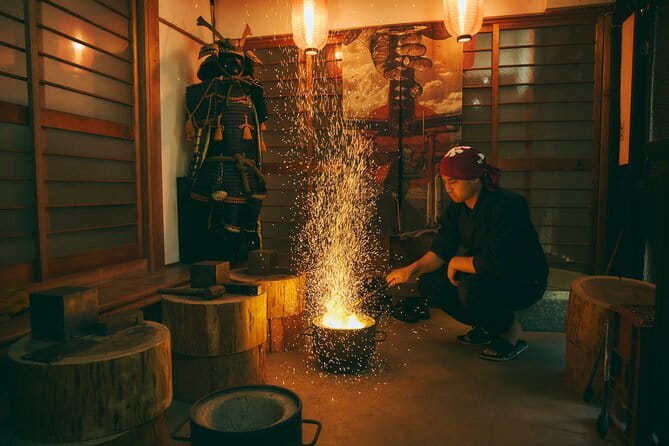
The core thrill is the forging step. You’ll heat your chosen weapon piece in a furnace that reaches about 800°C, then hammer the glowing steel as sparks fly. This is the “real workshop” moment, and it’s where a lot of the learning happens. You don’t just get a tool at the end—you learn what it takes to shape metal while it’s at the right temperature.
Practically, you should listen closely during this phase. This is the point where technique matters most, and staff attention here makes the difference between a fun photo and a meaningful skill-building experience. The workshop is structured and organized, and instructors keep things moving so you still feel like you’re doing the work, not standing around.
If you’re coming with kids or adults who are less comfortable with physical tasks, this is where asking questions early helps. People who want to go slower or handle less manual work can often find adjustments, especially during sharpening stages.
Refining and Sharpening: Belt Sander Work and Getting the Shape Right
Once the steel is forged, the workshop shifts from “heat and hammer” into “control and precision.” You’ll use a professional belt sander to refine and sharpen the metal. This is where your weapon starts looking like the exact shape you picked at the start.
This stage can feel surprisingly satisfying. Small changes you make with the sanding process affect the final silhouette and edge definition. It’s also where you may notice the difference between “I made something” and “I made something that looks intentional.”
There’s one practical tip that comes through clearly from the experience format: if you want better symmetry, don’t wait until the final minute. Ask the staff to check your alignment while you’re still refining. In particular, one instructor named Taka is mentioned as especially helpful when it comes to getting a cleaner, more symmetrical outcome.
You should also expect a guided pace. This isn’t solitary craft time where you figure everything out yourself. The best results come from taking the guidance, then applying it during sanding and shaping.
Choosing Your Kanji, Blackening the Steel, and Finishing It for Travel
Personalization is the “make it yours” section, and it happens in two steps.
First is kanji engraving. You select a kanji character, and staff engrave it with precision. This turns your forged piece into a keepsake with meaning beyond the workshop itself. If you’re traveling, this also helps you remember why you chose the design you did.
Next comes the blackening stage. The workshop applies a special solution to protect the metal and give it a dark, authentic finish, the kind of look people associate with old tools and ninja-era weapon styling. This step matters because it’s part chemistry, part appearance. You’re not just polishing a raw metal surface—you’re coating it so the final look matches the theme.
Finally, there’s final polish. You’ll bring out the shine after blackening, so your weapon looks finished rather than unfinished craft metal. The result is a piece you can actually display at home, not something that only looks good in the workshop lights.
At the end, you’ll get a clean box and bag to take your weapon home. Many people love this part because it makes packing easier and reduces the stress of transporting something sharp and precious.


The Ninja Knowledge Session: History and Why It’s Included

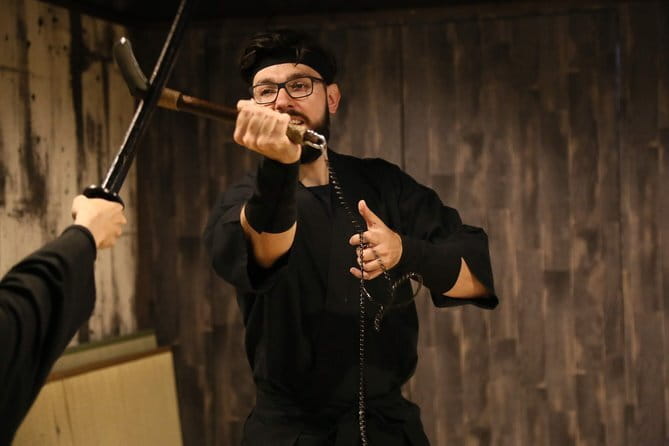
Between the making steps, the workshop includes a ninja knowledge session. You’ll learn about ninja history, weapons, and secret techniques related to what you’re forging. This isn’t just trivia. It helps you connect the shape and finishing choices to real cultural context and to the reasons weapons were designed the way they were.
If you’re the type who enjoys understanding what you’re touching—materials, tools, and why certain designs exist—this part is a real value add. You come away with a story you can tell, not just a metal object.
A bonus from the way the workshop runs: the staff are high-energy and enthusiastic, which makes the knowledge session feel like conversation rather than a lecture. If you want to ask questions, they’re typically receptive and ready to connect the craft process to the background stories.
Value Check: Is $151.92 Worth It for a 2.5-Hour Workshop?
At $151.92 per person for about 2 hours 30 minutes, this is not the cheapest activity in Kyoto. The question is whether it’s worth your time and money.
Here’s how I’d judge the value:
- You’re making something real with metalworking steps: furnace heating, hammering, sanding, sharpening, engraving, blackening, and polishing. Most souvenirs don’t include that full workflow.
- You get tools and uniforms included: the workshop provides specialized tools and craftsmen uniforms, so you’re not paying extra for gear or improvising.
- You leave with a travel-ready keepsake: the provided storage box and bag are practical, especially if you want to check luggage.
- Group size stays limited: with a maximum of 25 travelers, you’ll likely get enough attention to keep moving and get your weapon to a finished look.
Where value might feel weaker is if you come expecting a slow, deeply technical forging apprenticeship that lasts hours with constant detailed instruction. Some people may want more explanation at every tiny decision point. The good side is that the structure is organized and you do the steps yourself, not just observe.
Overall, I think this price works best when you want a hands-on Kyoto activity that feels personal and you want a souvenir that looks like it came from a real workshop.
Logistics That Matter: Where to Go and How to Get There
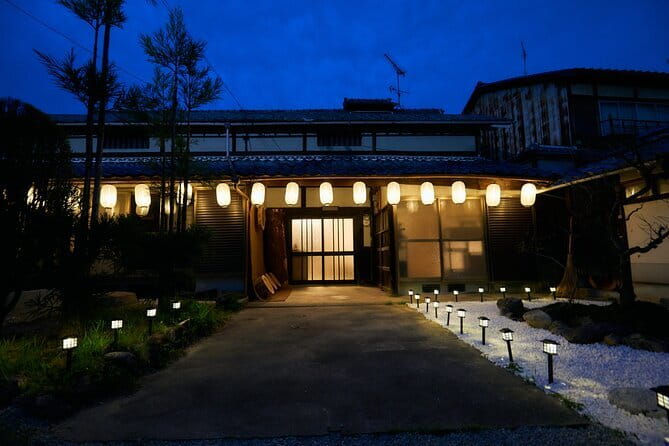
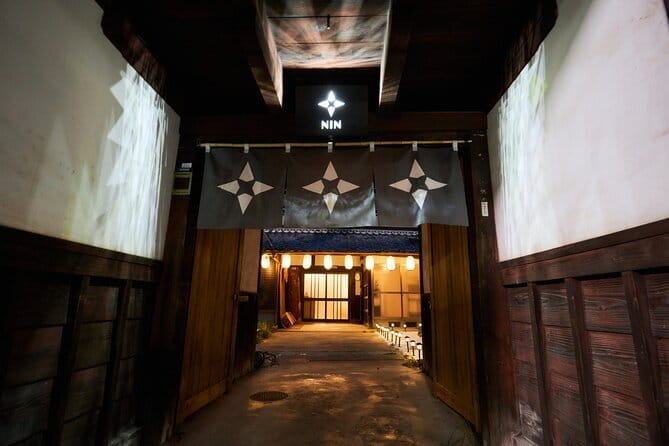
The meeting point is studio NIN at 八瀬168-1 Yasenosechō, Sakyo Ward, Kyoto, 601-1254. The activity ends back at the meeting point. The location is near public transportation, but it’s also described as off the beaten path, so plan smart on how you’ll arrive.
If you’re using taxis, it can help to have a taxi app ready. One practical note that comes up: directions can feel vague sometimes, but staff are helpful once you ask. So if you’re unsure you’re in the right spot, don’t panic—reach out or confirm with someone on arrival.
The group size is capped at 25 travelers, which is large enough to meet people but small enough for staff to manage the workflow.
You’ll use a mobile ticket, and you’ll receive confirmation at booking. Bring your ticket on your phone and show up ready to work.
Who Should Book This Workshop—and Who Might Skip It
This experience is a strong fit for:
- People who love hands-on making and want a tangible keepsake
- Anyone interested in ninja culture but tired of only museums and movies
- Families with teens and older kids who can handle tools and a structured workshop
- Travelers who like the mix of craft + history context
It might be a weaker fit if:
- You want an ultra-detailed, lecture-heavy experience where you can ask about every micro-step for a long time
- You’re sensitive to instructions that aren’t always hyper-clear in every moment (this can be solved by asking questions early)
Also, check that the moderate fitness requirement works for your group. The good news is there are easier options for parts like sharpening when stamina is limited, so you’re not automatically locked out if you’re not an athlete.
Should You Book Atelier NIN’s Ninja Weapon Forging Experience?
Book it if you want a Kyoto activity where you actively shape steel, personalize it with kanji, and take home a finished weapon in proper packaging. This workshop feels built for beginners, and the combination of forging steps plus the blackening and polishing makes the final result look like a real tool, not just a craft project.
I’d skip it only if your top priority is comfort with lots of quiet time or if you prefer activities with lots of written explanations and slow, step-by-step teaching. If you want movement, hands-on learning, and a memorable souvenir you’ll actually keep, this is one of the most satisfying workshops in Kyoto.
FAQ
How long is the ninja weapon forging experience?
It takes about 2 hours 30 minutes (approx.).
What weapon options do I get to choose from?
You can choose from three shuriken styles or one kunai.
Do I need any experience with metalworking or forging?
No experience is required. Skilled craftsmen teach you throughout the process.
What’s the physical requirement like?
The experience asks for a moderate physical fitness level.
What’s included, and what should I plan for separately?
Included are specialized tools (like files and hammers), uniforms to wear during the workshop, and a clean box and bag to take your weapon home. Private transportation is not included.
What if I need to cancel?
You can cancel for a full refund if you cancel at least 24 hours before the experience starts. If you cancel less than 24 hours before, the amount paid is not refunded.