REVIEW · KYOTO
Bamboo Grove Temple and Garden Views Tour
Book on Viator →Operated by ME Kyoto Walking Tours · Bookable on Viator
Kyoto can feel huge, but this walk keeps it manageable. You’ll move through Arashiyama’s best nature sights with a guide doing the navigating and adding commentary, so you’re not just shuffling from stop to stop. I like the mix of famous photo spots and quieter garden moments, especially the Arashiyama bamboo and Tenryu-ji’s Zen-style paths with pond views. I also like that the tour stays small (max 12), which makes it easier to ask questions when the scenery changes fast. One consideration: you’ll be doing a real hike up to Monkey Park (about 20 minutes), so comfortable shoes and a solid fitness level matter.
You’ll start near Kyoto Station at 8:30am and end at Randen Arashiyama Station, which helps you keep the day moving instead of doubling back. Included admission goes to Monkey Park, Tenryu-ji, and Okochi Sanso, so you’re paying for experience time rather than turning the day into ticket-line math. If weather turns rough, the tour may shift dates or refund you, since this is very much an outdoor route.
In This Review
- Key Things I’d Focus On Before Booking
- Why This 5-Hour Arashiyama Nature Route Feels Like Good Kyoto
- Meeting Point and End Point: The Route That Helps You Not Waste the Day
- The Kimono Forest Stop: Big Visual Impact for Minimal Time
- Togetsukyo Bridge: Classic Views Without the Long Detour
- Iwatayama Monkey Park: The Main Workout and the Main Wow
- Tenryu-ji Temple Gardens: UNESCO Zen Paths Made for Slow Walking
- Arashiyama Bamboo Forest: Tall Stalks, Soft Light, and Photo Pressure
- Okochi Sanso Garden: Hilltop Views and a Built-by-People Story
- Nonomiya Shrine: Bamboo Grove Calm and a Short Ritual Pause
- Guide Matters: The Difference Between Visiting and Getting Meaning
- Price and Value: When $60 Actually Adds Up
- Weather and Timing: How to Avoid a Day-Not-Quite-Right Situation
- Who This Tour Is Best For
- Should You Book It?
- FAQ
- FAQ
- How long is the Bamboo Grove Temple and Garden Views Tour?
- What’s the group size limit for this tour?
- Where does the tour start and what time?
- Where does the tour end?
- What admissions are included?
- Do I need to pay for public transportation?
- Is the tour physically demanding?
- Which stops are included in the itinerary?
- Do I need a physical ticket?
- What happens if weather is bad?
Key Things I’d Focus On Before Booking
- Small group limit of 12 helps you actually hear the guide and keep pace comfortably
- Photo-heavy stops like the Arashiyama Bamboo Forest and the Kimono Forest pillars make great timing fodder
- Included admissions at Monkey Park, Tenryu-ji, and Okochi Sanso reduce hassle and cost surprises
- A guided route means you spend your energy looking, not figuring out where to go next
- One real uphill section to Iwatayama Monkey Park is the main physical challenge
Why This 5-Hour Arashiyama Nature Route Feels Like Good Kyoto
This tour is built for a specific kind of day: you want Kyoto’s nature without a full-day commitment or a stressful map marathon. It runs about 5 hours, with a tight route through Arashiyama—so your morning stays productive and your afternoon remains free for other plans. The pacing is also friendly for sightseeing: a stop might be 10–30 minutes, which is long enough to enjoy the place but short enough to keep moving.
Value-wise, the $60 per person price makes sense when you match it to what you’re actually getting: guide time, plus admission fees for three major stops. And you’re not buying just “entry.” You’re buying someone to keep the flow smooth—meeting you at Kyoto Station, leading you between sights, and providing context along the way.
If you like photography, this itinerary gives you multiple “change-the-lens” moments: bamboo overhead, temple pond paths, hilltop views, and the distinctive Kimono Forest display. If you’re more into quiet wandering, Tenryu-ji and the small shrine stop give you breathing room to slow down.
You can also read our reviews of more tours and experiences in Kyoto.



Meeting Point and End Point: The Route That Helps You Not Waste the Day
The tour starts at Kyoto Station (Higashishiokoji Kamadonocho area) at 8:30am. That’s a big deal if you’re staying anywhere near the station—or if you want an easy morning without a complicated commute. It also means you’re starting with transit behind you, not in front of you.
The end point is Randen Arashiyama Station Center. That puts you in a practical spot to continue your day around Arashiyama without backtracking. You’re still paying for local transit (public transportation is listed at ¥240 per person), but the guide portion removes the biggest time sink: figuring out the correct sequence.
Also, you’ll use a mobile ticket, which is a small thing, but it’s the kind of small thing that makes mornings smoother.
The Kimono Forest Stop: Big Visual Impact for Minimal Time
Your first major photo moment is the Arashiyama Kimono Forest: a walkway with 600 glowing pillars wrapped in traditional kimono textiles. Even if you’re not chasing “Instagram backdrops,” it’s fun because it changes how you look at the area. You’re stepping into a designed scene rather than only a natural one, and that contrast keeps your day interesting.
The time here is short—about 10 minutes—which I like. You get the payoff fast, then the tour moves you onward before you feel stuck waiting for the perfect shot. If you tend to linger when you see something cool, just be mindful of the group’s schedule; the rest of the itinerary is what you’ll want to fully enjoy.
Togetsukyo Bridge: Classic Views Without the Long Detour
Next comes Togetsukyo Bridge, an iconic crossing where the Katsura River flows below and the Arashiyama mountains frame the distance. The stop is around 15 minutes, and that’s long enough to walk at least part of the bridge and soak in the changing angles.
The practical win here: you get landmark scenery early while you’re still fresh. By midday, people often feel more rushed, and shorter bridge breaks can be all you really want anyway. You’ll want to keep an eye on your footing—bridges get busy and people stop suddenly for photos.
Iwatayama Monkey Park: The Main Workout and the Main Wow
If you’re choosing this tour, you should know the main physical moment is the walk up to Iwatayama Monkey Park. It’s listed as a 20-minute hike (with a typical experience time around an hour at that stop). The good news: the trail is described as well-maintained, and it’s manageable for a lot of visitors—just not for anyone who dislikes hills.
Once there, you’re watching over 120 wild Japanese macaques in their natural habitat. The value of a guided visit isn’t about forcing control over wildlife—it’s about helping you handle the situation responsibly and stay oriented in the area. With monkeys, small choices matter: where you stand, how you move, and what you do with your attention.
A balanced expectation helps here. These are wild animals, so not every moment will be a perfect close-up. But that’s also part of what makes it exciting. You’re seeing a living animal situation, not an exhibit. If you’re traveling in cooler months, you might find the hike a refreshing warm-up (or a bit chilly if you’re dressed lightly). Dress for outdoor walking, not just temple time.

Tenryu-ji Temple Gardens: UNESCO Zen Paths Made for Slow Walking
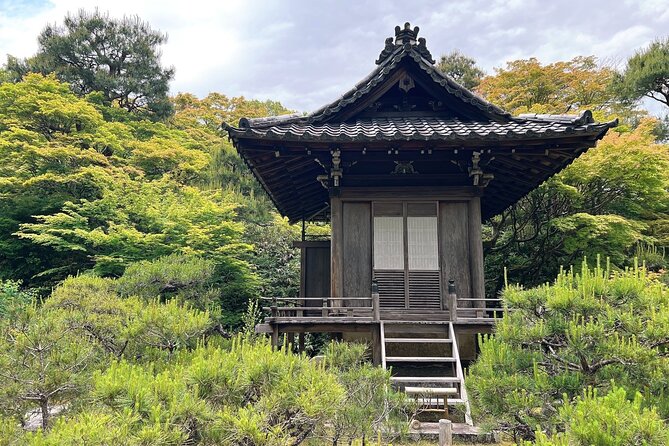
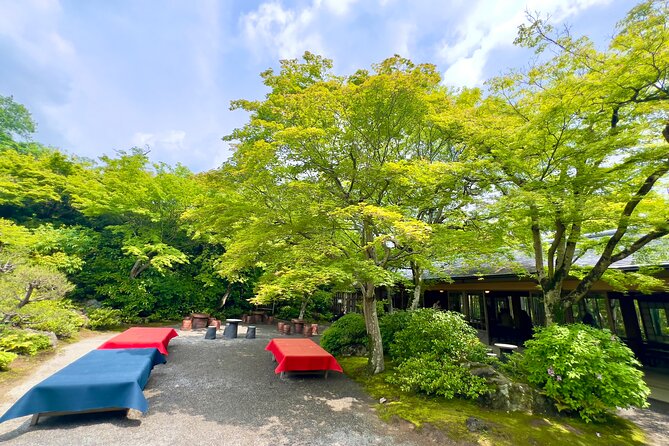
Tenryu-ji is where the day shifts from “big sights” to “calm details.” You’ll spend about 30 minutes, and the tour includes admission. Tenryu-ji’s gardens are described as UNESCO World Heritage and known for Zen-style design: paths winding past a tranquil pond, artfully placed stones, and seasonal plants with views shaped by the garden’s layout.
What I like about a guided stop here is timing and attention. When you’re alone, it’s easy to rush in and miss how the stones, water, and path lines guide your gaze. With a guide, you’re more likely to notice the small composition choices that make Zen gardens feel “quietly dramatic.”
Potential drawback: if you dislike waiting your turn for views near pond edges or stone groupings, keep your pace steady but flexible. The stop is long enough to enjoy different angles without feeling like you’re stuck.
Arashiyama Bamboo Forest: Tall Stalks, Soft Light, and Photo Pressure
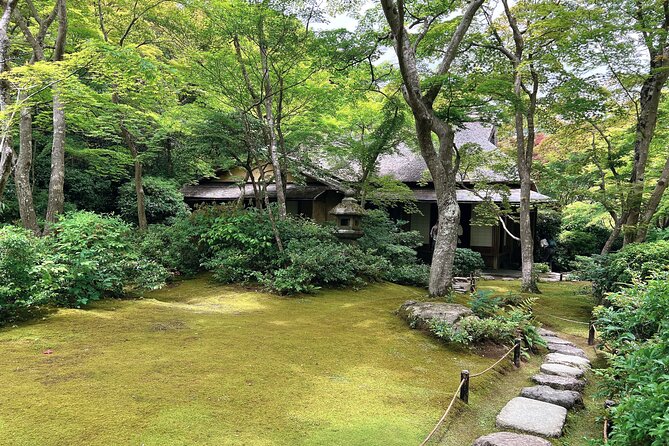
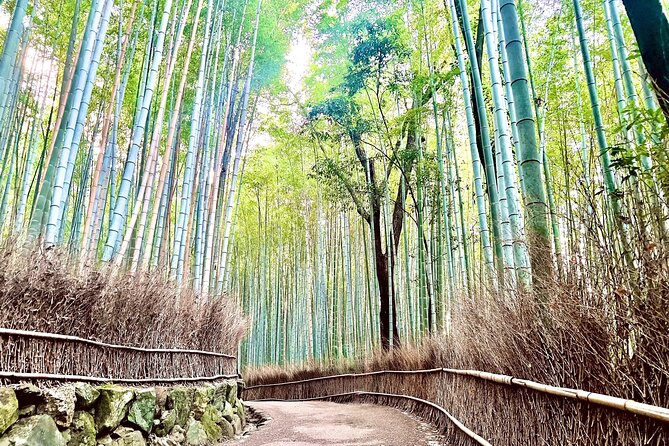
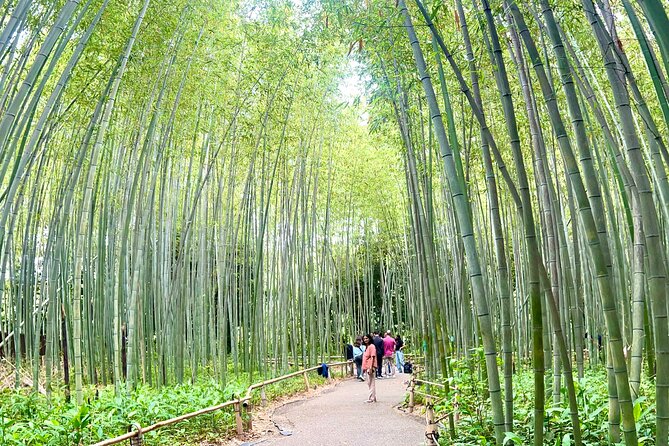
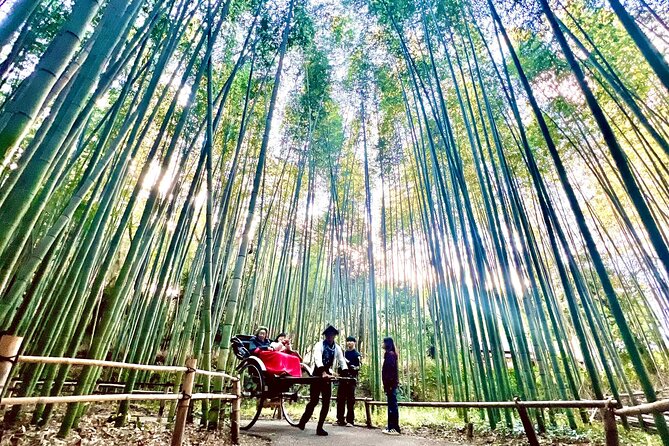
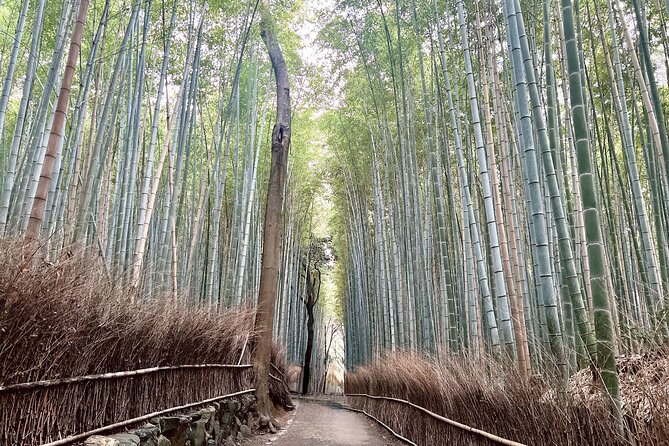
The Arashiyama Bamboo Forest is the next big visual hit, and you’ll have about 30 minutes there. This is where towering bamboo stalks create that overhead feeling, with light filtering through the dense canopy. It’s described as otherworldly and serene, and you’ll feel why quickly.
Here’s the practical side: bamboo forests attract crowds, even when you’re in a small tour group. The guide helps you find a workable flow so you can take photos without turning your walking pace into a stop-and-start puzzle. Still, plan for photo friction—people will step aside, pause, and reposition. If you want wide shots, take them early in the stop; if you want quieter moments, keep moving a little deeper before you slow down.
Also, bring patience. The scenery is stunning, but you’ll enjoy it more if you don’t chase the perfect frame for too long.
Okochi Sanso Garden: Hilltop Views and a Built-by-People Story
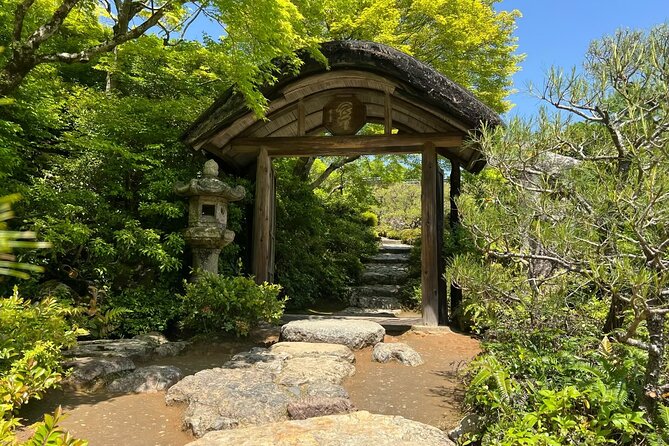
Next is Okochi Sanso Garden, included with admission, with about 30 minutes on site. This is a hillside villa and garden crafted over 30 years by actor Denjiro Okochi. That detail matters because it explains why the garden feels intentionally arranged rather than purely “natural.”
At the summit, you’ll get panoramic views of Kyoto and Mount Hiei, plus wider surroundings. That view payoff is one of the most useful reasons to include this stop. You’re not only seeing iconic greenery—you’re stepping back to understand where you are in the larger geography of Kyoto.
A consideration: hilltop spots can mean more walking and more stairs than you expect. The tour is still designed for a normal walking day, but this isn’t a sit-and-smile location. If you’re sensitive to uneven paths, take your time and keep your footing careful.
Nonomiya Shrine: Bamboo Grove Calm and a Short Ritual Pause
To wrap up, you’ll stop at Nonomiya Jinja, a small Shinto shrine located in a bamboo grove. This stop is around 15 minutes, with no admission fee mentioned. It’s known for a connection to imperial history and is associated with blessings for love and purification.
I love that this final stop gives you a different flavor than the big-name bamboo and temple gardens. It’s smaller, quieter, and it feels like a moment to reset your brain after watching monkeys and chasing photos all morning.
Since this is a shrine environment, keep your behavior respectful: quiet voices, slow movement, and don’t treat it like another photo set if people are participating in prayers.
Guide Matters: The Difference Between Visiting and Getting Meaning
The biggest repeated strength from past experiences is the guide. A strong guide keeps the route easy to follow and makes the stops feel connected instead of random. One mentioned guide is Mari, who was praised for being kind, helpful, and highly engaging while sharing context that makes the scenery more understandable.
Even with a great itinerary, a guide is what turns “I saw a garden” into “I know what I’m looking at.” If you care about why Tenryu-ji feels the way it does, or why certain view spots are worth the effort at Okochi Sanso, you’ll benefit from the commentary.
Group size also helps. With a maximum of 12 travelers, you’re less likely to feel swallowed by a crowd or get separated for long stretches.
Price and Value: When $60 Actually Adds Up
At $60 per person, you’re paying for a structured, guided route plus admissions at major sites: Monkey Park Iwatayama, Tenryu-ji, and Okochi Sanso Garden. That’s a solid value formula because you avoid paying for those separately and you avoid the planning work that usually comes with bundling them yourself.
The one extra cost to factor in is transit—public transportation listed at ¥240 per person. That’s not huge, but it’s worth budgeting so you don’t feel surprised on the day. Also, the guide fee is included, so you get that human “navigation + context” value rather than just entry tickets.
If you enjoy nature and gardens and you’d rather spend your energy on the places than on route logistics, this pricing makes sense.
Weather and Timing: How to Avoid a Day-Not-Quite-Right Situation
This experience requires good weather. That means if the day is rainy or stormy, expect the plan to change—either a different date or a refund. Bamboo, gardens, and outdoor paths don’t behave the same in wet conditions, and the hike to Monkey Park adds risk when it’s slippery.
Timing is also built around a morning start. Starting at 8:30am helps you get to key sights earlier in the day, which usually means a more comfortable atmosphere. Even if crowds never truly disappear in Kyoto, you’re giving yourself the best odds by starting early.
Who This Tour Is Best For
You should like this tour if:
- you want Arashiyama nature without the stress of designing the route yourself
- you care about photo moments but don’t want your entire day to be one big photo sprint
- you enjoy temple gardens and hill viewpoints, not just big street attractions
You might not love it if:
- you don’t want any hills at all (the Monkey Park hike is the main physical challenge)
- you hate group pacing, since you’ll be following a scheduled set of stops
- you need total flexibility on the day’s route (weather can affect plans)
Should You Book It?
Yes, if your ideal Kyoto day looks like bamboo, gardens, and a real wildlife moment—paired with a guide who helps you move confidently and learn what you’re seeing. The small group size, the included admissions, and the mix of iconic and calmer stops make this a strong value at $60.
Book it especially if you’re staying near Kyoto Station or you want to keep your plans simple. The only real “no” is if the Monkey Park hike sounds like a deal-breaker for your comfort level. If you’re good with moderate walking and you’re traveling on a day you expect to be outdoors-friendly, this is a smart way to spend your time in Arashiyama.
FAQ
FAQ
How long is the Bamboo Grove Temple and Garden Views Tour?
It runs about 5 hours.
What’s the group size limit for this tour?
The tour has a maximum of 12 travelers.
Where does the tour start and what time?
It starts at Kyoto Station (Higashishiokoji Kamadonocho, Shimogyo Ward) at 8:30am.
Where does the tour end?
It ends at Randen Arashiyama Station Center (20-2 Tsukurimichi-cho, 嵯峨天龍寺芒ノ馬場町 右京区 京都市 京都府).
What admissions are included?
Admission fees are included for Monkey Park Iwatayama, Tenryu-ji Temple, and Okochi Sanso Garden.
Do I need to pay for public transportation?
Yes. Public transportation is listed as ¥240 per person and is not included.
Is the tour physically demanding?
You should have a strong physical fitness level. One segment includes hiking to Monkey Park Iwatayama (about 20 minutes).
Which stops are included in the itinerary?
The stops include Arashiyama Kimono Forest, Togetsukyo Bridge, Monkey Park Iwatayama, Tenryu-ji Temple, Arashiyama Bamboo Forest, Okochi Sanso Garden, and Nonomiya Shrine.
Do I need a physical ticket?
No. The tour uses a mobile ticket.
What happens if weather is bad?
This tour requires good weather. If it’s canceled due to poor weather, you’ll be offered a different date or a full refund.