REVIEW · KYOTO
Kyoto: Wagashi (Japanese sweets) Cooking near Fushimiinari
Book on GetYourGuide →Operated by iroHa cooking studio · Bookable on GetYourGuide
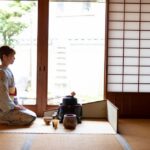
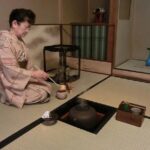
Make wagashi in a Kyoto tea room. This 150-minute class with iroHa cooking studio near Fushimiinari feels like visiting a friend: you start in an authentic Japanese room and enjoy the calm of a garden view while you learn the basics of making wagashi.
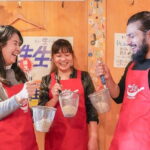
What I like most is the hands-on approach. You prepare about three types of wagashi yourself (not just watching), with an instructor who demonstrates first and then turns over the work so you can actually learn the steps.
One thing to consider: there’s no hotel pickup, and the experience isn’t suitable for wheelchair users. If you’re coming from far away, plan your route ahead.
In This Review
- Key highlights you should care about
- Kyoto wagashi cooking near Fushimiinari: what the experience feels like
- Step-by-step flow: from first tea to your final tray
- The wagashi menu: expect three sweets, with seasonal swaps
- How Miho’s teaching style makes it easier than you think
- Matcha with your sweets: tea time is not an afterthought
- English for real humans: how the small group changes everything
- Price and value: is $84 worth 150 minutes in Kyoto?
- Dietary needs: vegetarian welcome and vegan friendly
- Practical tips before you go (so the class feels smooth)
- Who should book this Kyoto wagashi class near Fushimiinari?
- Should you book Kyoto Wagashi Cooking near Fushimiinari?
- FAQ
- How long is the Kyoto wagashi cooking class?
- Is the class taught in English?
- How many people are in the group?
- Is the class vegetarian or vegan friendly?
- What’s included in the price, and what isn’t?
- Is it suitable for children and people using wheelchairs?
Key highlights you should care about
- A real Japanese home setting near Fushimiinari, with traditional rooms and garden views.
- Small group size (up to 6), which keeps the lesson personal and easy to follow.
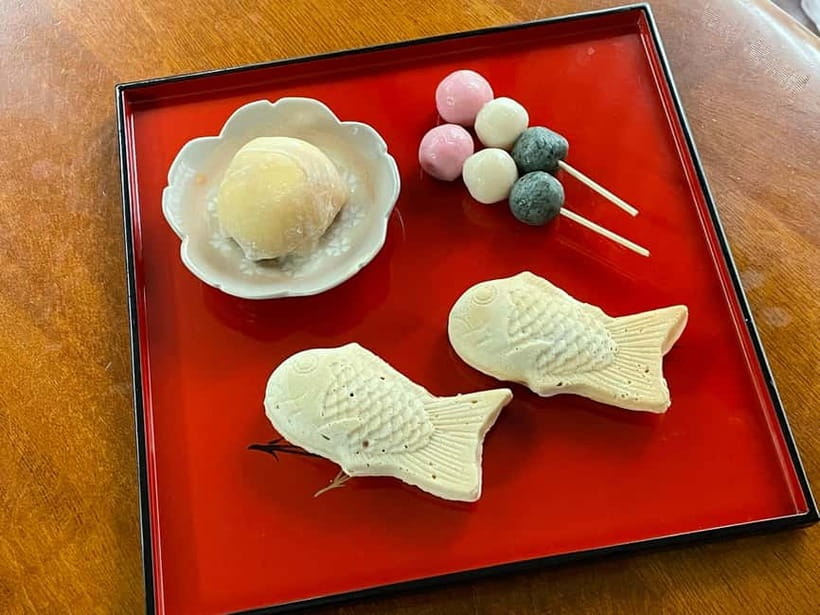
- You cook about three wagashi types, with instruction before you start mixing and shaping.
- Matcha time is part of the meal, with tea before and after, plus a chance to learn whisking.
- Diet-friendly options: vegetarian welcome and vegan friendly (tell them restrictions in advance).
- English instruction led by licensed guide interpreters, so the class works well even if your Japanese is limited.
Kyoto wagashi cooking near Fushimiinari: what the experience feels like
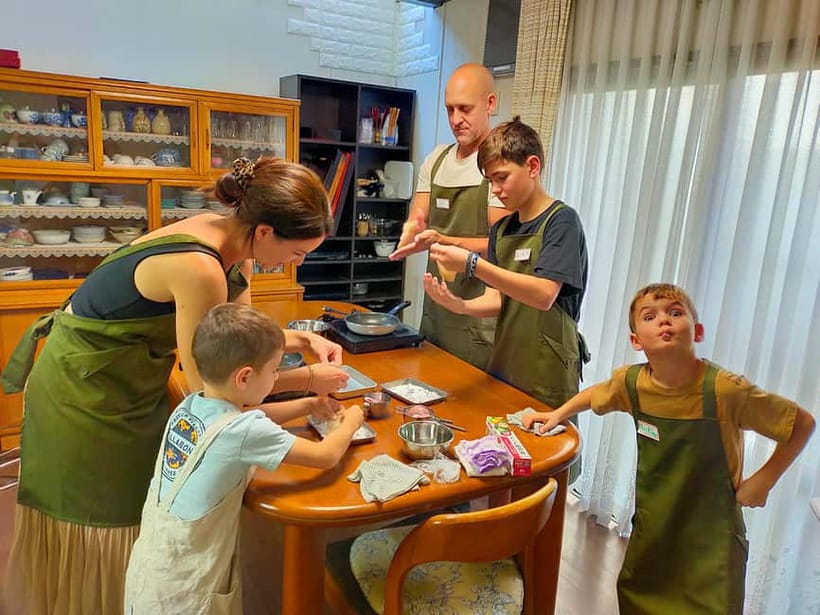
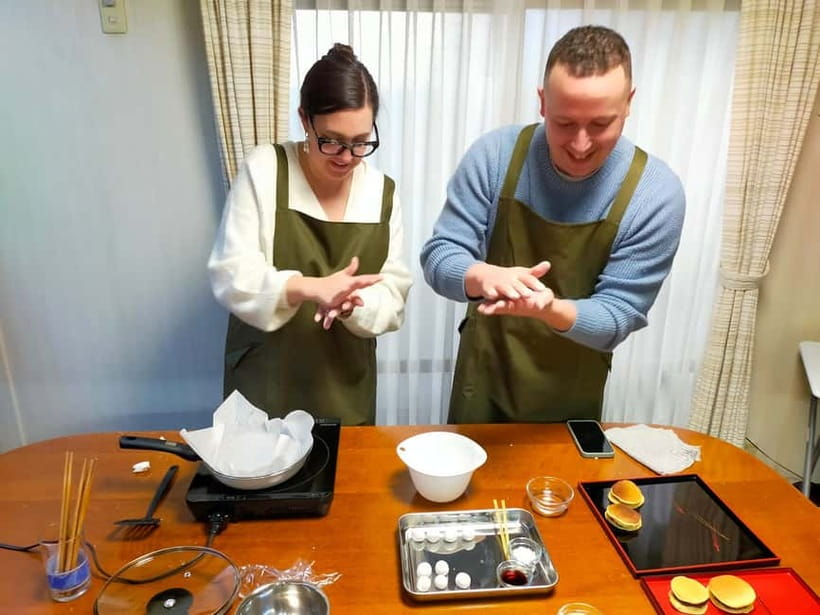
Kyoto already has a lot of “see it” moments—temples, alleys, shrines. This activity leans the other way. It’s a “slow down and do something” class where the focus is Japanese sweets, made in a lived-in home setting rather than a classroom.
The vibe is the big draw. You’re not just learning recipes; you’re learning the rhythm of the room. The experience is designed around time in a traditional Japanese room, including a matcha-and-sweets break with a garden view, so the lesson lands in a way that feels genuinely cultural instead of purely practical.
And yes, wagashi is the kind of thing you’ve probably spotted in anime or manga. In this class, you get to go beyond the picture-perfect shapes and actually handle the ingredients, timing, and techniques that make the sweets work.
You can also read our reviews of more cooking classes in Kyoto
Step-by-step flow: from first tea to your final tray
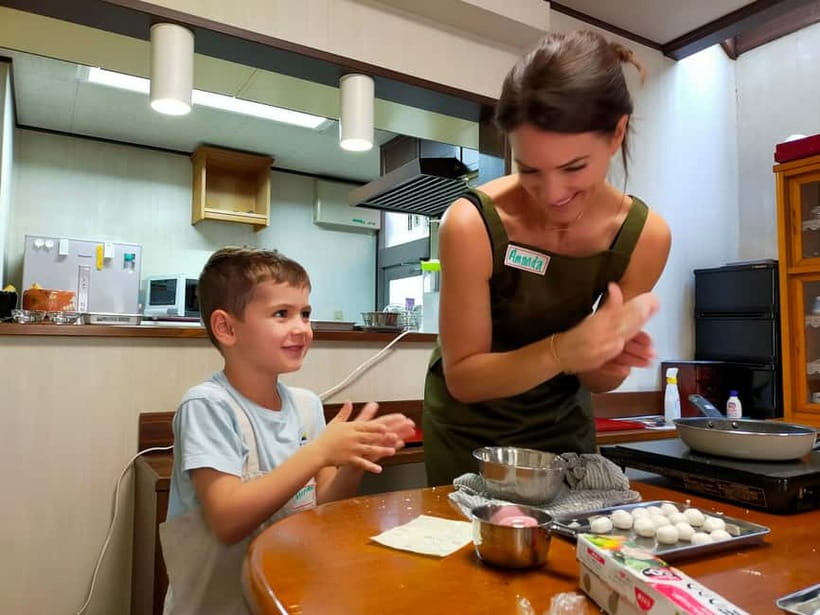
The schedule is built around three phases: settle in, cook with guidance, then eat and enjoy the results together.
First, you relax in a traditional Japanese room. You’ll be welcomed with tea, and you’ll have time to get comfortable before you start. That matters, because wagashi can feel delicate on day one—no need to rush into tools and textures before you understand what you’re doing.
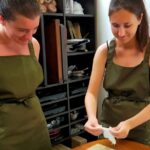
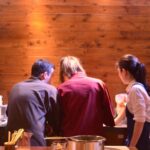
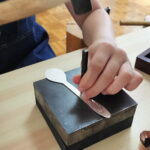
Next comes the cooking. The class is structured so the instructor demonstrates parts in front of you first, then you and your partner (or you and the group, depending on the day) make the sweets yourself. The goal is that you leave with real confidence, not just memories of watching someone else work.
Finally, you sit down to enjoy what you made. You’ll share the sweets with a cup of matcha in that traditional room with the garden view. Some sessions also include food you can take home, which is a nice bonus if you want to keep tasting your work after the class ends.
The wagashi menu: expect three sweets, with seasonal swaps
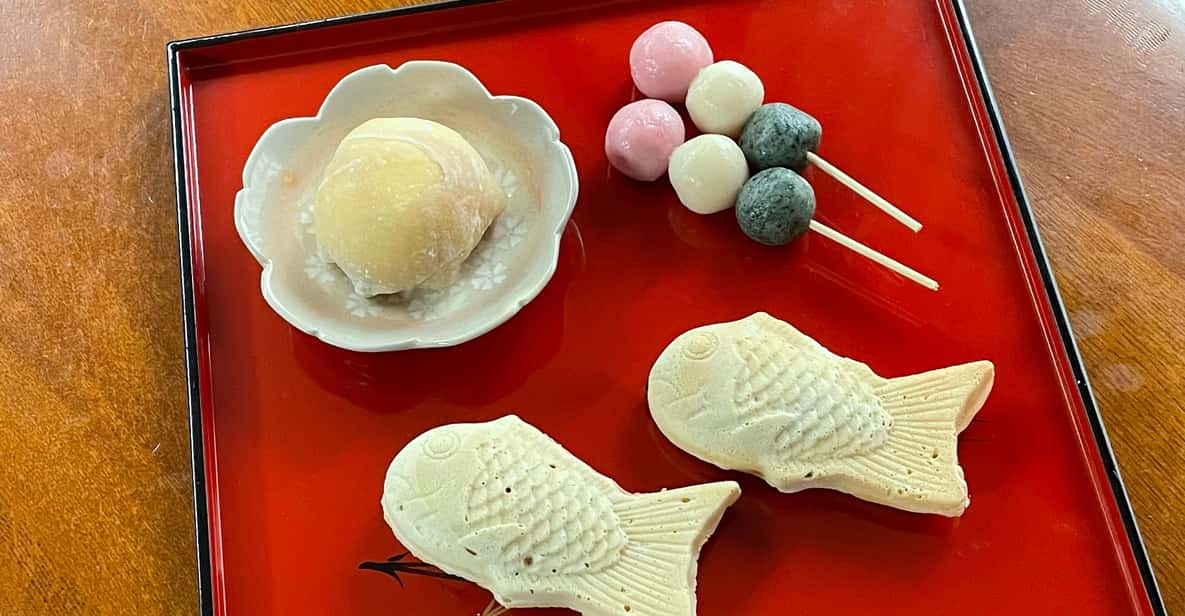
The menu changes by season, so you shouldn’t expect the exact same items every day. Still, the pattern is consistent: you’ll prepare about three different types of wagashi, using the ingredients and guidance provided.
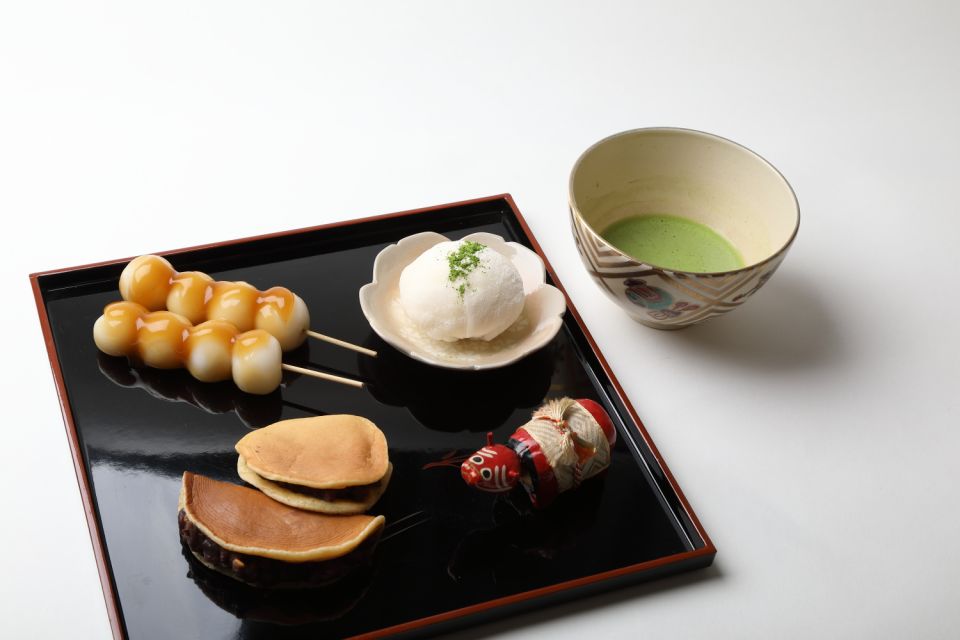
From past class examples, you might make sweets like dango, mochi, dorayaki, or matcha-related items. In some sessions, mochi-based sweets (including mochi ice cream in at least one example) show up as a highlight. The common thread is that you’re working hands-on with components you can recognize from Japanese food culture, even if you’re new to wagashi.
Here’s how that helps you: wagashi recipes can look intimidating online because they’re specific about texture and shaping. Doing three items in one class gives you enough repetition to notice what “success” looks and feels like—then you can take that understanding home rather than copying one recipe blindly.
How Miho’s teaching style makes it easier than you think
A lot of cooking classes technically say hands-on. This one is hands-on in a practical way: the instruction is clear, then you do the steps yourself. Many people specifically praised the teacher for being organized, friendly, and very easy to follow in English.
Miho, a host/instructor associated with the studio, comes up again and again in the class feedback. People mention her patience, her strong command of English, and her ability to explain what to do in a way that still leaves room for conversation. One of the best parts is that she doesn’t just teach technique; she also shares helpful cultural context and tips that make the lesson feel like more than food.
The teaching style is also interactive in a way that suits different trip styles. If you like asking questions, you’ll have space for it. If you just want to focus on learning, the step-by-step pace still keeps you moving.
Matcha with your sweets: tea time is not an afterthought
This class isn’t just “cook, eat, leave.” Tea is woven into the experience.
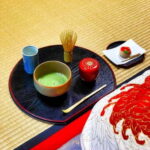
You get tea at the start, and you also get tea again after cooking. In particular, matcha is part of the final tasting. Some participants highlight that you get a chance to learn how matcha powder tea is whisked (not just drink it), which is a useful skill you can bring home.
Why it’s valuable: wagashi and tea are meant to go together. Even if you’re not a matcha expert, you’ll understand the pairing through the actual sequence of the class—sweet preparation, then tea whisking, then the sit-down moment in the room with the garden view.
And if you love food that comes with a little ritual, this is that. You end with your tray and your cup, not with a rushed snack at the end of a busy day.
You can also read our reviews of more tours and experiences in Kyoto


English for real humans: how the small group changes everything
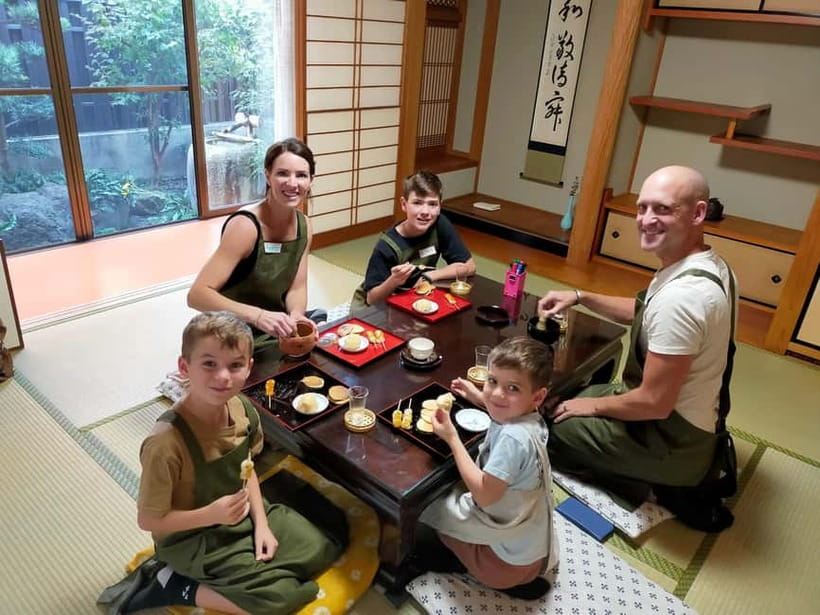
The class is conducted entirely in English. The instructors are licensed guide interpreters, so you get explanations that are designed for communication, not just translation.
Small groups are limited to 6 participants. That’s not just a comfort detail. It affects how much attention you get when something goes wrong—because sometimes sweets don’t cooperate on the first try. With a small group, you’re more likely to get an immediate fix instead of waiting your turn.
This also makes the experience work for different comfort levels. If your Japanese is minimal, you’re not stuck. If you don’t feel confident cooking, you still get clear steps and hands-on support.
Price and value: is $84 worth 150 minutes in Kyoto?
At $84 per person for 150 minutes, you’re paying for several things that matter in Kyoto: a real home setting, a small-group teaching format, and ingredient/tea coverage.
What’s included:
- all seasonings and ingredients
- tea
- all fees and taxes
- an English-speaking instructor
- a small group setting (limited to 6)
What’s not included:
- hotel pickup and drop-off
So the “value math” is simple. You’re not buying ingredients separately, and you’re not paying for a generic restaurant meal where your cooking effort is zero. You’re paying for guided hands-on learning, plus tea and the sweets you make.
If you’re the kind of traveler who wants one memorable food experience that feels personal (and actually teaches you something), the price usually feels fair. If you only want a quick sugar fix, then it’s pricier than a dessert stop—but that’s not what the class is.
Dietary needs: vegetarian welcome and vegan friendly
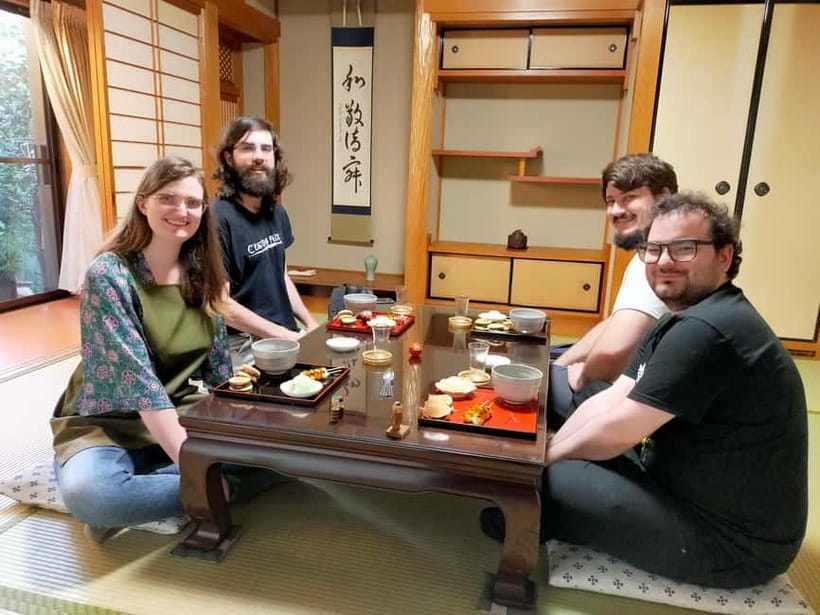
Good news here: the class is vegetarian-friendly and vegan friendly. They ask you to let them know in advance about any food restrictions.
That’s exactly how a good food experience should handle dietary needs. You shouldn’t have to gamble on “maybe there’s something for me.” Plan ahead, send your restrictions, and you’ll be able to focus on cooking instead of worrying.
If you’re traveling with someone who has dietary limitations, this is the type of activity that can still feel inclusive without turning into a separate, sad menu.
Practical tips before you go (so the class feels smooth)
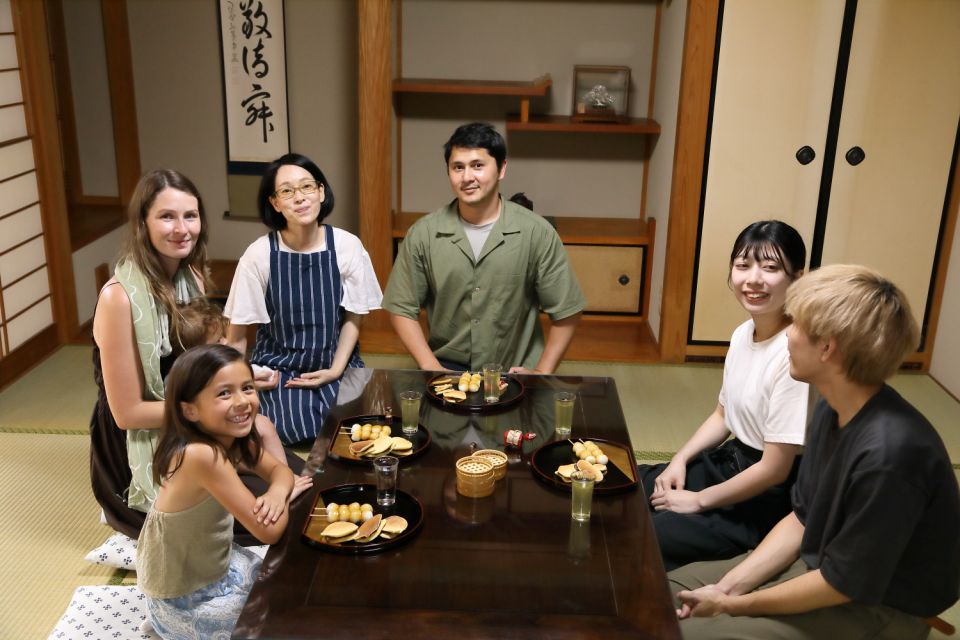
A few small things will make a big difference once you’re there:
- Plan your route to the home. There’s no hotel pickup, and it’s not wheelchair accessible.
- Expect the menu to shift with the season, so focus on learning techniques rather than chasing a specific recipe.
- Go in curious, not perfectionist. Wagashi is about texture and gentleness, and you’ll learn that by doing.
- If you’re interested in recreating the sweets at home, ask what ingredients to buy and how to source them. Several participants specifically appreciated ingredient-buying tips.
Also, think about timing. This is 150 minutes. It’s long enough to learn properly and sit down for tea, but short enough to still fit into a normal Kyoto day plan.
Who should book this Kyoto wagashi class near Fushimiinari?
You’ll like it if you fit any of these:
- You love Japanese sweets and want the “how,” not just the “what.”
- You want a hands-on culture experience in Kyoto that’s not another walking tour.
- You like small groups and conversation, especially in English.
- You travel with someone who enjoys food as an activity, not only as an attraction.
It’s also a great option if you’re a parent, but with the right age. Children under 6 aren’t suitable, and kids 12 and under need to participate with a guardian.
Should you book Kyoto Wagashi Cooking near Fushimiinari?
If you want a Kyoto experience that’s warm, hands-on, and genuinely learnable, I’d book it. The strongest reasons are the small group size, the fact that you cook about three wagashi yourself, and the tea-and-tasting break in a traditional room with a garden view.
I’d hesitate only if logistics are a deal-breaker for you, since there’s no hotel pickup and the experience isn’t wheelchair accessible. Also, if you’re mainly after a cheap dessert, this is more of a workshop than a snack.
If you’re aiming for one food activity that feels like you got invited inside Japanese life for a couple hours, this one fits the bill.
FAQ
How long is the Kyoto wagashi cooking class?
The class lasts 150 minutes.
Is the class taught in English?
Yes. The instructor speaks English, and the class is conducted entirely in English.
How many people are in the group?
It’s a small group limited to 6 participants.
Is the class vegetarian or vegan friendly?
Yes. Vegetarians are welcome, and it’s vegan friendly. Let them know your food restrictions in advance.
What’s included in the price, and what isn’t?
Included: seasonings and ingredients, tea, English-speaking instructor, and all fees and taxes. Not included: hotel pickup and drop-off.
Is it suitable for children and people using wheelchairs?
Children under 6 years aren’t suitable, and children aged 12 and below need a guardian. Wheelchair users aren’t suitable for this experience.