REVIEW · KYOTO
Kyoto: Japanese Traditional Sweets Making and Tea Ceremony
Book on GetYourGuide →Operated by B.B.Advisors Inc. AN KYOTO · Bookable on GetYourGuide
Bean paste turns into art fast. In this Kyoto class, you shape nerikiri and finish with a relaxed Uji matcha tea moment. It’s a hands-on way to understand wagashi and tea culture without needing years of background.
I like that you’re not working with generic ingredients: you use white/red bean paste from long-established Kyoto shops, then you craft two season-matching sweets. One consideration: the tea part can feel more like a quick guided lesson than a long, slow formal ceremony, especially if other groups are using the room.
In This Review
- Key Points Worth Your Attention
- Kyoto Nerikiri and Uji Matcha: Why This Combo Works
- Finding the Place Near Gojo Station (And Why Timing Matters)
- The 95-Minute Flow: What Happens Step by Step
- 1) Nerikiri sweet-making: coloring first, then shaping
- 2) Matcha: preparing it with the right mindset
- 3) Tasting: enjoy both together
- Nerikiri: What You’re Actually Learning With Your Hands
- Tea Ceremony Expectations: A Lesson You Can Follow
- Price and Value in Central Kyoto
- Language, Group Size, and Room Setup: What Can Affect Your Comfort
- Who This Class Is Best For
- Should You Book This Kyoto Traditional Sweets and Tea Ceremony?
Key Points Worth Your Attention
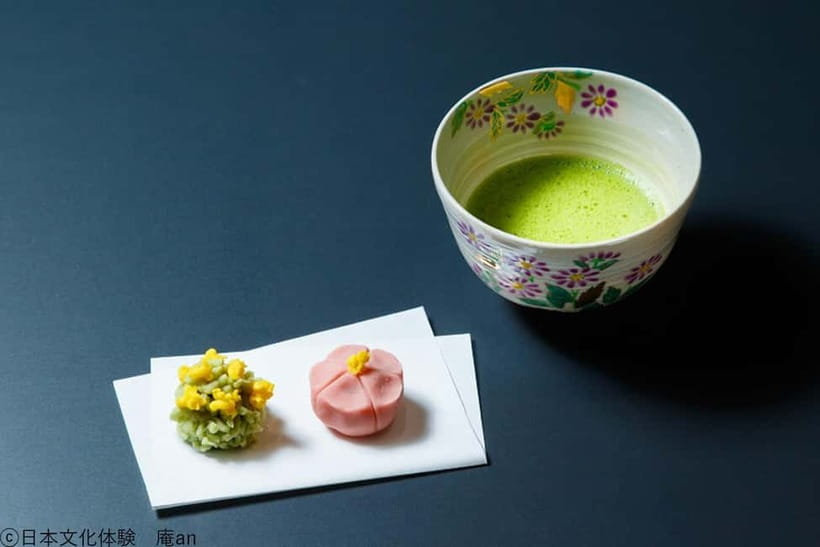
- Season-matching nerikiri: two sweets, colored and shaped to fit the time of year
- Kyoto-grown taste details: white/red bean paste sourced from long-established Kyoto shops
- Single-origin Uji matcha: you prepare matcha and drink it right after making your sweets
- Real craft moments: coloring bean paste is part of the process, not just decoration
- English support varies by moment: they translate as much as possible, but Japanese is the default
Kyoto Nerikiri and Uji Matcha: Why This Combo Works
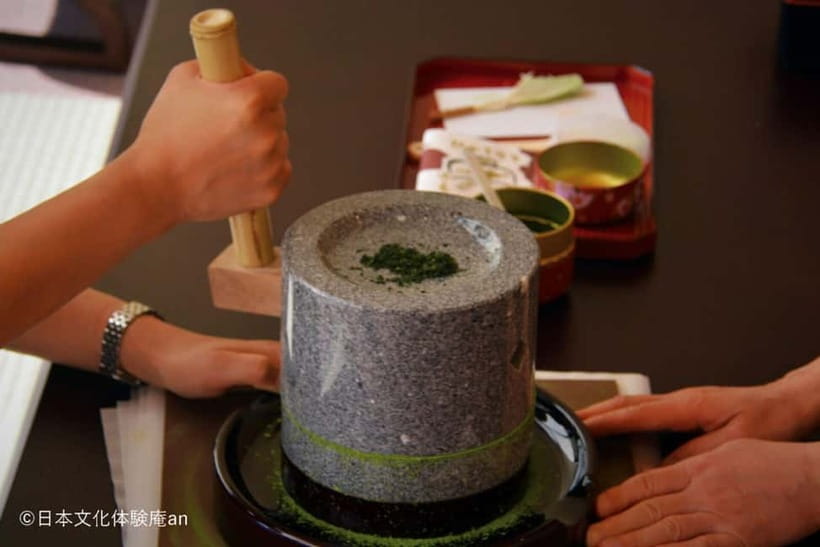
If you want one Kyoto activity that feels both practical and cultural, this is a strong pick. Wagashi isn’t just dessert. It’s seasonal design, texture, and careful sweetness that pairs with tea in a very specific way.
This class connects the dots for you. You start by making nerikiri, a higher-grade-style sweet known for its smooth bean paste and detailed shaping. Then you move into matcha, where you make and drink it alongside the sweets you made.
You’ll probably enjoy it most if you like food that’s about more than flavor. Texture matters here, too. You’re working with colored paste that gets formed into seasonal flowers and fruits, and then you taste how the sweetness balances the matcha.
You can also read our reviews of more tours and experiences in Kyoto
Finding the Place Near Gojo Station (And Why Timing Matters)
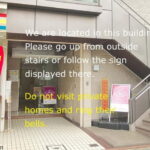
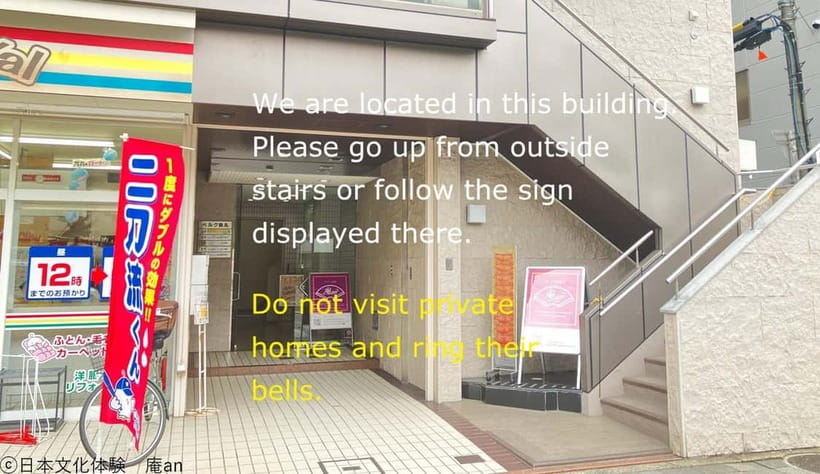
The meeting point is easy to locate if you’re on foot. You’ll meet 1 minute from Exit 1 of the Karasuma Line Gojo Station, and the shop entrance faces the main street, Gojo-dori.
Use the provided Google pin if you’re arriving with tired feet, because Kyoto streets can look similar block to block. The coordinates listed are 34.9964743, 135.7617429, which should get you very close.
Now the practical bit: they won’t hold the experience for delays. You’re working on a schedule in a classroom setup, not a flexible tasting counter. I’d aim to be there a bit early and ready to start.
Also note the building setup. It’s wheelchair accessible, but there’s no elevator, and you’ll need stairs to reach each venue.
The 95-Minute Flow: What Happens Step by Step
This runs 95 minutes from start to finish, and the structure is straightforward. First comes the sweet-making, then the matcha portion, then you eat what you made.
1) Nerikiri sweet-making: coloring first, then shaping
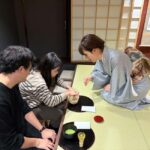
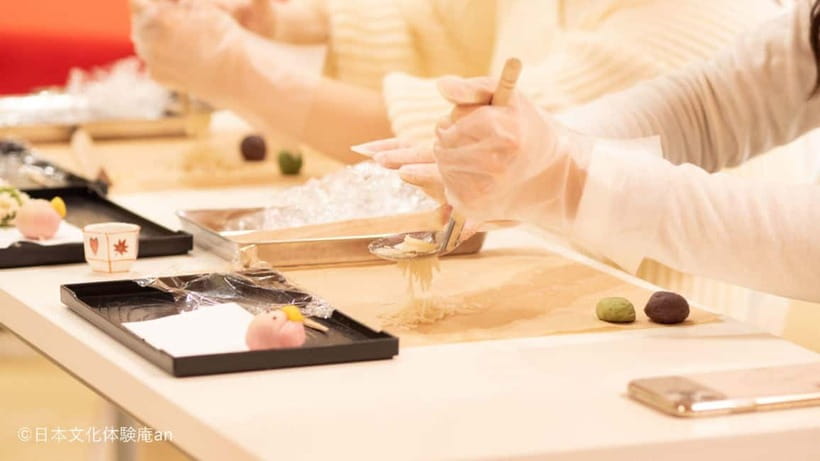
You’ll make a type of traditional sweet called nerikiri. The process starts with coloring the white bean paste. That step matters because the color isn’t a superficial add-on; it’s part of how the final seasonal look comes together.
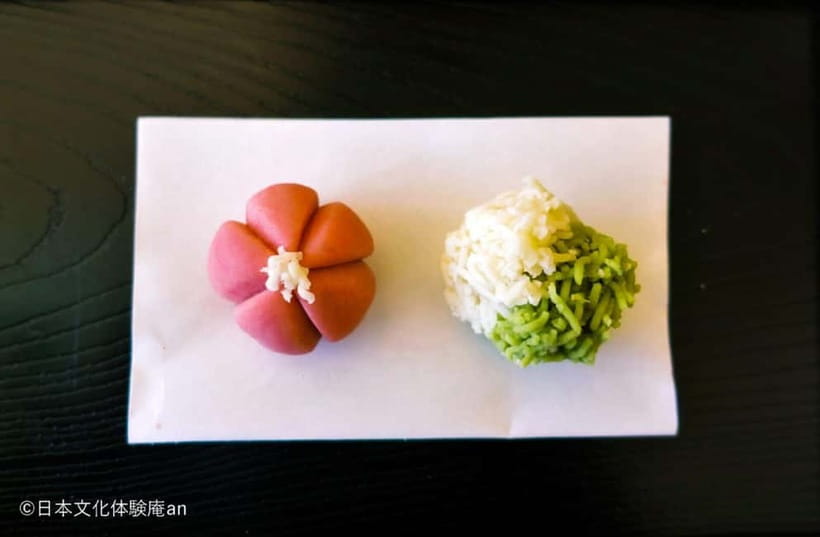
After coloring, you continue crafting your sweets using white/red bean paste produced by Kyoto’s long-established shops. Then you shape your sweets into seasonal forms—think flowers or fruits—matching the season of the experience.
This is the heart of the class. Even if your hands aren’t naturally crafty, the steps are built for beginners. You’re guided through actions that look intimidating, but are doable when broken into parts.
2) Matcha: preparing it with the right mindset
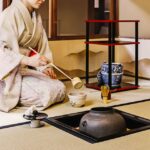
Next, you prepare your Uji matcha. The class uses single-origin special matcha (from Uji, specifically), which helps the flavor feel focused instead of generic.
You’ll go from making the matcha to understanding how to drink it as part of the experience. It’s not just sip-and-go. Expect instruction around basic etiquette and how to handle the cup.




3) Tasting: enjoy both together
Finally, you enjoy the Japanese sweets you made along with your own matcha tea. The pairing is the point: the high quality bean paste sweetness is meant to balance matcha.
If you’ve only had matcha as a drink, tasting it with wagashi shows you why tea culture is treated like a whole ritual. The sweetness and bitterness have a conversation.
Nerikiri: What You’re Actually Learning With Your Hands
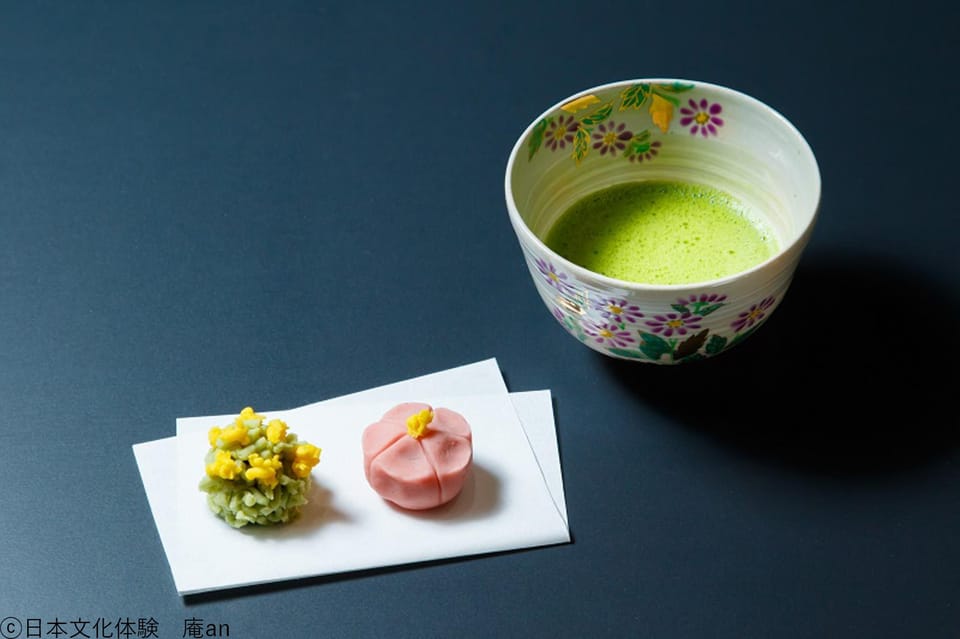
Nerikiri can look like tiny edible sculpture. The class turns that idea into something you can do.
You’re not just shaping. You’re learning a few important concepts through the process:
- Color is structure. When you color the paste, you’re building the seasonal motif you’ll later shape.
- Shaping is part of flavor perception. Smooth, molded sweets feel different from more crumbly or airy wagashi types, and that changes how the matcha hits your palate.
- Bean paste quality matters. The class explicitly uses bean paste produced by Kyoto’s long-established shops. That means the sweetness and texture you taste are the reason matcha pairing makes sense.
This is also why the experience can feel “authentic” even as a class. You’re working with techniques that show up in real wagashi production—just scaled for beginners and time limits.
And yes, the experience includes creativity. One of the most enjoyable parts is the moment you take a plain-colored paste and start forming it into something seasonal.
Tea Ceremony Expectations: A Lesson You Can Follow
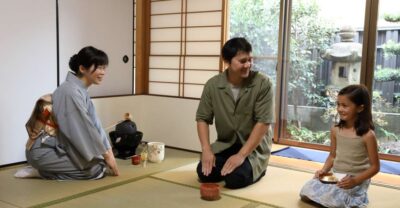
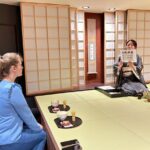
This is a tea experience with Uji matcha, and it includes etiquette and technique. The overall goal is to help you drink matcha more thoughtfully, not just correctly.
That said, temper expectations. Because the class is bundled with sweets-making and happens in a shared space, some sessions can feel fast. One person even described the matcha time as closer to a class on drinking matcha than a long formal ceremony.
In practice, you should think of this as:
- tea basics + etiquette pointers
- matcha prep
- a short, guided tasting
If you’re hoping for a slow, silent, full ceremonial immersion, you might find this shorter than that ideal. But if you want to learn the logic behind the steps and taste the pairing you created, it’s a good fit.
Price and Value in Central Kyoto
The price is listed at $18 per person, and for Kyoto, that’s often about as low as you’ll see for an experience that includes both:
- making two sweets
- preparing and drinking single-origin matcha
- sitting through guided instruction
The value isn’t just “you pay and you get food.” You get hands-on craft work, then you eat what you made. That changes the experience from a quick souvenir stop into something you’ll remember the next time you see wagashi.
There are a couple of small extras if you want them:
- a take-out box costs 100 JPY
- an experience completion certificate costs 300 JPY
Those aren’t required to enjoy the core class, but it’s good to know they exist so you’re not surprised at the end.
Language, Group Size, and Room Setup: What Can Affect Your Comfort
This is taught in Japanese, and English translation is provided as much as possible if you want it. In other words: don’t count on every sentence being fully translated, but do expect help.
Some sessions run smoothly for English speakers because the instructor can switch modes. Multiple people noted friendly instruction and clear pacing, including moments when they explained steps in English too.
But language support can vary. Some feedback highlights that English can be weak at times, so you may need to follow along visually. If you’re comfortable copying what you see, you’ll be fine.
Room setup can also affect the tea portion. One report mentioned an issue with hearing the teacher due to another private class happening simultaneously. If that happens, it’s usually solvable by watching hands and focusing on the moment you’re actively doing matcha prep.
The good news: this class is forgiving. The actions are concrete, and the sweet-making steps give you something to do while instruction is happening.
Who This Class Is Best For
This Kyoto sweets and tea experience is a great match for people who want a cultural activity that’s:
- hands-on
- short enough to fit in a busy day
- food-focused (but not just eating)
You’ll likely love it if you:
- enjoy wagashi or want to learn what makes it different
- want a matcha experience beyond just ordering a drink
- like crafts where the result is edible
- want a calmer indoor activity, especially on rainy days
It’s also appealing for families, since the class can be managed for younger participants. Children under 2 who sit on a parent’s lap are free of charge.
One more small reality check: the experience isn’t designed for spectators. Non-participants are not allowed to enter, so plan around that if you’re traveling with a larger group.
Should You Book This Kyoto Traditional Sweets and Tea Ceremony?
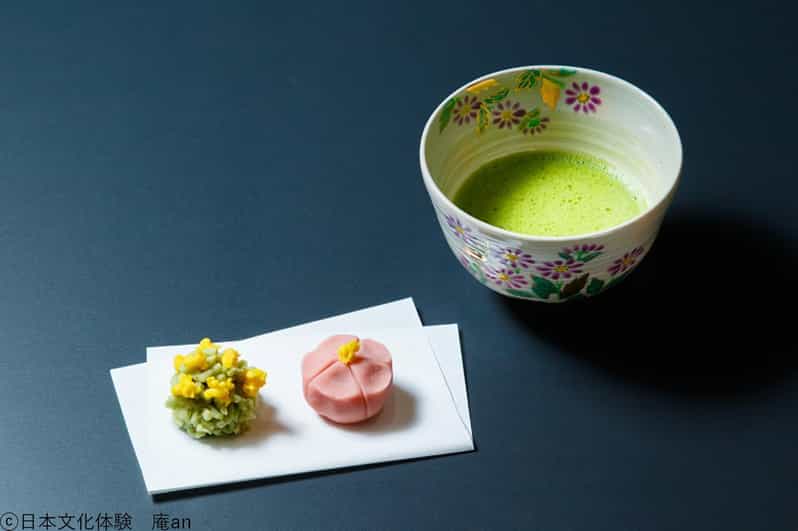
Book it if you want a doable, beginner-friendly way to make nerikiri and drink Uji matcha that you helped prepare. The price-to-experience ratio is strong, and the pairing of your sweets with your own tea is the kind of detail you can’t easily recreate from online knowledge.
Skip or adjust expectations if your top priority is a long, formal, quiet tea ritual. This one is shorter and blended with sweets-making, so it’s more like a guided cultural workshop than a full-length ceremony.
If you’re already planning time near Gojo Station, this is a smart use of about an hour and a half to get Kyoto flavor that actually involves your hands.