REVIEW · KYOTO
Kyoto: Kimono and Tea Ceremony Experience at Cultural Asset
Book on GetYourGuide →Operated by Tondaya, Co., Ltd. · Bookable on GetYourGuide
A Kyoto machiya stays with you. Put on a silk kimono inside a 140-year-old cultural property, then slow down for an authentic tea ceremony. I love how this isn’t a staged street show; it happens in real traditional rooms, with time to look around and get photos.
What I like most is the hands-on kimono dressing and the chance to watch a proper tea ceremony in a traditional machiya setting. One thing to factor in: if you’re in a shared group, the pace can feel busy, and you may have to wait a bit between photo moments and ceremony steps.
In This Review
- Key points to know before you go
- A 140-year-old machiya at Tondaya: why this place feels different
- Silk kimono fitting: fast help, real rules, and fit tips
- The tea ceremony in a traditional townhouse: how the steps work
- House tour + gardens + photo spots: where you’ll spend your time
- Group size, language support, and respectful behavior
- Price and time: is $222 per person good value?
- Getting there in Kyoto: the practical logistics nobody brags about
- Who should book this kimono and tea ceremony at Tondaya?
- Should you book Tondaya for kimono and tea?
- FAQ
- FAQ
- Where is the meeting point?
- How long does the experience take?
- What is included in the price?
- What should I bring?
- Are bare feet allowed?
- Do I need to bring my own clothing besides socks?
- Is this a private experience or a group experience?
- What languages are available during the tour?
- Is hair styling or makeup included?
- What if I need to cancel?
- Can I book without paying right away?
Key points to know before you go
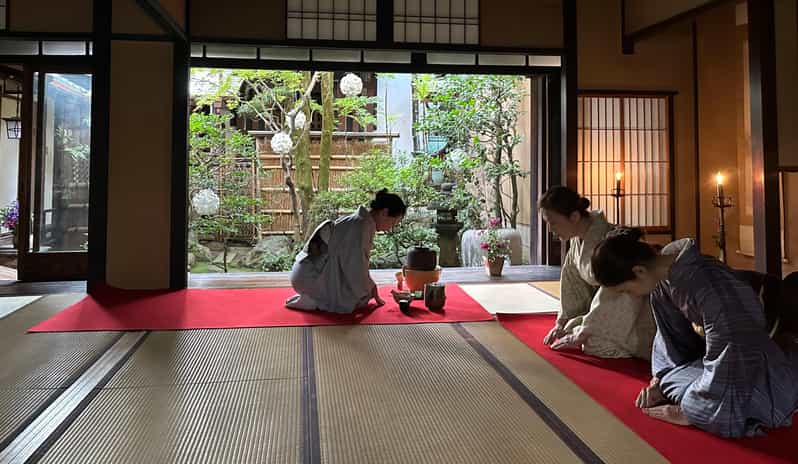
- A 140-year-old nationally registered property: Tondaya is the whole point, not just a backdrop.
- Silk kimono, professionally fitted: You get helped with the wrap, not just handed a costume.
- Tea ceremony with a seasoned tea master: Watch the steps and learn what each part means.
- Photo time is real, but rules apply: Dressing and undressing have restrictions.
- Language support may use tools: English and Japanese are available, and translation devices can be used.
- Respectful quiet matters: This is a mindful ceremony. Phones and chatter can ruin it.
A 140-year-old machiya at Tondaya: why this place feels different
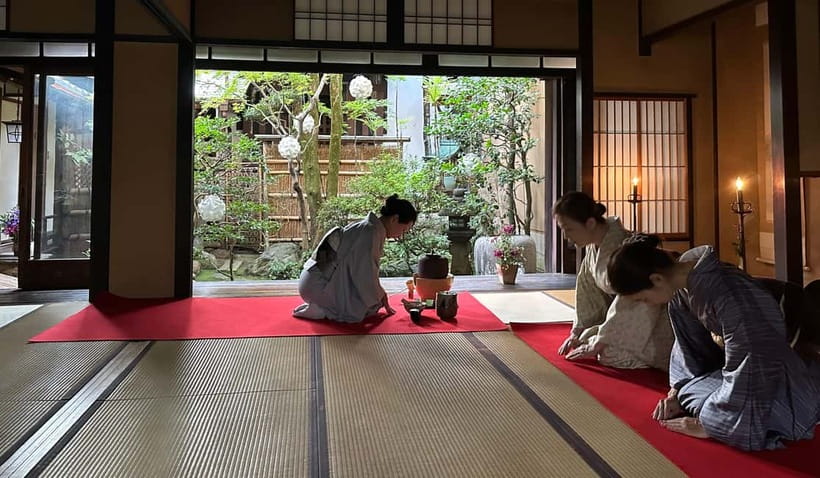
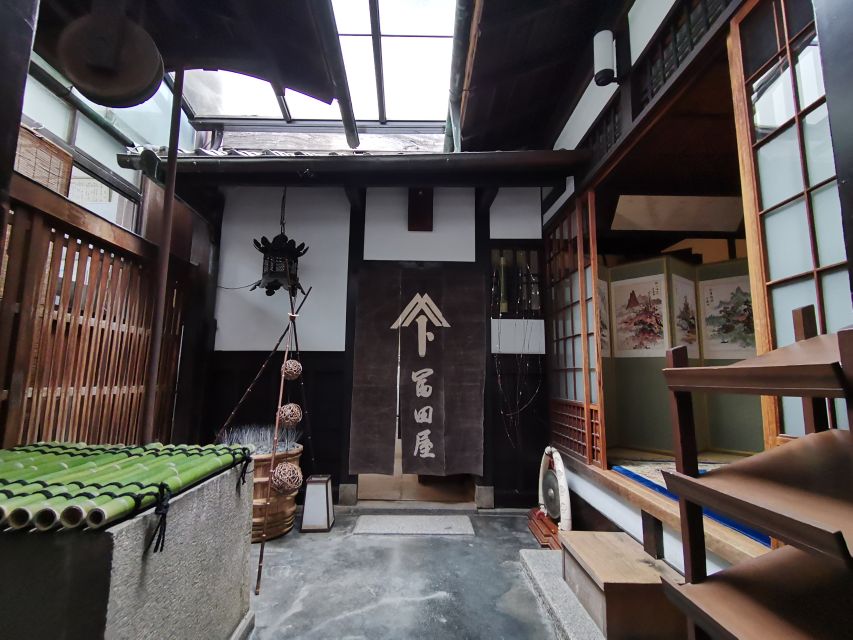
Tondaya sits in Kamigyo Ward, and the experience starts the moment you step into the townhouse. This isn’t a modern studio. It’s a classic machiya layout with traditional woodwork and a sense of old Kyoto you can actually feel in your shoulders and breathing.
The big value here is that the home is treated as cultural property. You’re not just “touring a building.” You’re being guided through a historically registered space, and that context gives the kimono and tea ceremony extra weight. When you’re standing in an old tea setting, the gestures in the ceremony make more sense.
Also, the property is designed for looking. You’ll want to take your time in the rooms and around the garden areas when the guide signals photo windows. If you’re the type who likes architecture and atmosphere, you’ll get more out of this than a standard cultural performance.
You can also read our reviews of more tours and experiences in Kyoto.



Silk kimono fitting: fast help, real rules, and fit tips
Your kimono experience begins in a dressing room. Staff assist you in choosing and fitting your silk kimono in a short window, and it’s noticeably hands-on. One of the practical benefits: you don’t have to figure out the knots or worry about doing it wrong. That part alone can turn an awkward “costume day” into something calmer and more dignified.
A few fit and styling notes matter a lot:
- Bring socks. Bare feet aren’t allowed, and you should avoid stockings.
- Wear a top with a neck opening that isn’t too tight, so the collar placement looks right.
- Keep your clothing dry. If your T-shirt is wet, staff may not be able to help you put on the kimono.
- Hair styling and makeup aren’t included, so plan your hair so you look good without a full salon reset.
Fit can also vary by size. If you’re tall, you might find that the kimono selection leans toward certain patterns or solid colors in order to fit properly. And if you’re in-between sizes, you may feel some parts are less perfect. It’s still authentic, but it’s not a tailored suit experience down to every centimeter.
One more practical thing: there are times when photos are restricted, especially around the dressing and undressing moments. Think of it like a private ritual. Let the dressing happen first, then use the open photo breaks for your camera.
The tea ceremony in a traditional townhouse: how the steps work
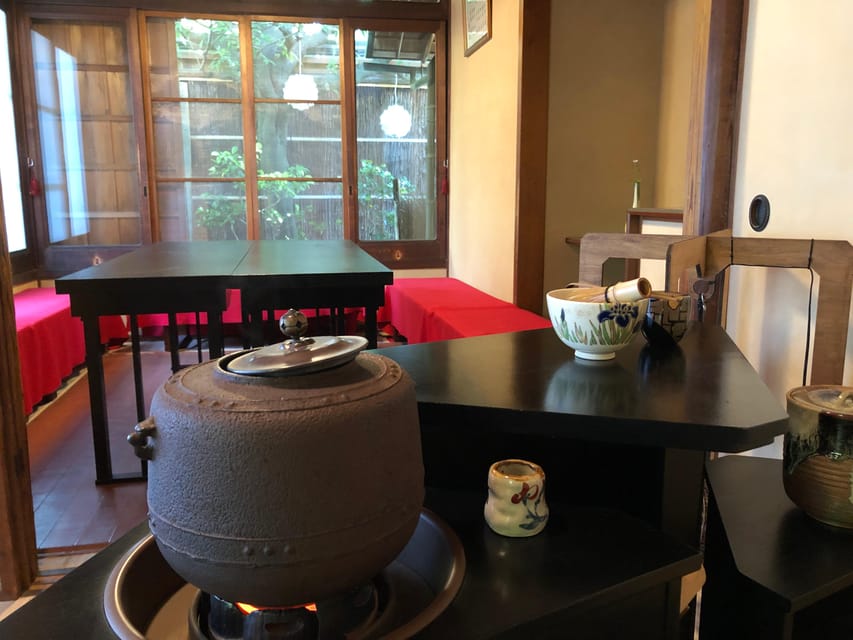
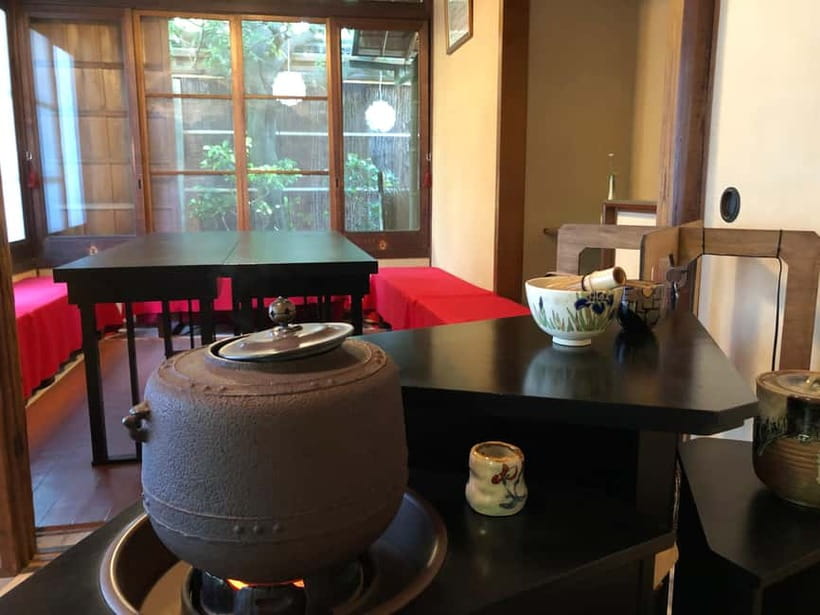
The tea ceremony happens in the machiya rooms, guided by a seasoned tea master. Tea is treated as part of daily culture, and the guide explains what’s going on and why the movements matter.
Here’s what to expect in real terms:
- You’ll watch the sequence from a close enough spot to see hand motions clearly.
- You’ll likely sit on the floor during parts of the ceremony. Some guests may have access to small chairs, but don’t assume you’ll be elevated.
- The host will explain key moments and what to look for, especially the rhythm and etiquette.
If you’ve done tea before in a museum, this can still feel different because the ceremony is anchored to the room itself. The pace is slow. The gestures are precise. And the value is in noticing details like how the tea tools are handled and how guests are expected to respond.
One etiquette tip that makes a huge difference: keep your voice low and keep your phone away during the ceremony. If you’re eager to film, you’ll still get plenty of photo opportunities outside the formal steps. During the actual tea flow, the quieter you are, the better the experience becomes for you and for everyone around you.
House tour + gardens + photo spots: where you’ll spend your time
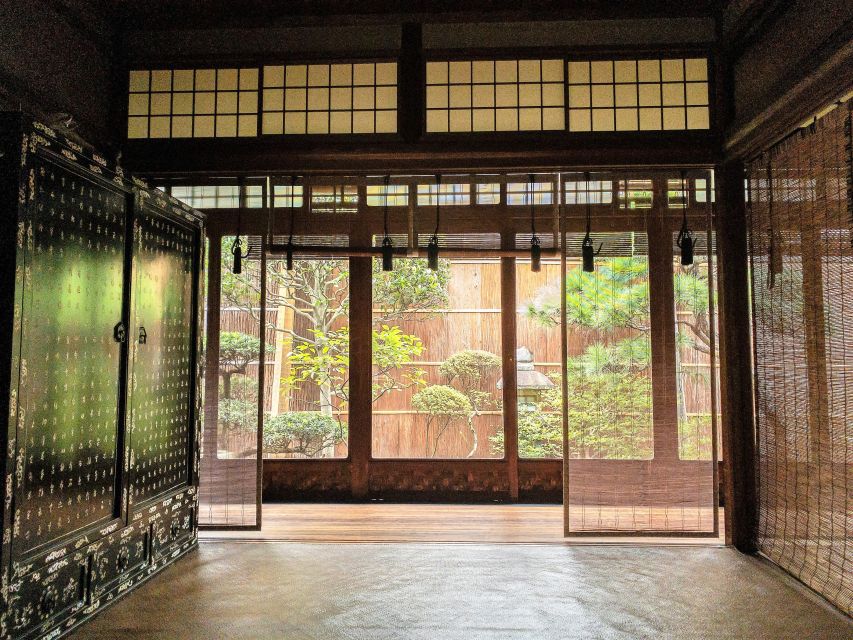
The structure of the visit is simple: dressing, orientation to the property, tea ceremony, then time in the townhouse for photos and a guided look around.
What makes the house tour worthwhile is the combination of:
- Guided context about the property’s significance
- A chance to slow down in rooms that are meant to be lived in, not staged
- Plenty of moments to capture photos in traditional settings
You’ll want to plan for the fact that some rooms will be better for photos than others. Look for spots where light lands nicely on the woodwork and where the background looks like a real Kyoto interior, not a wall with signs.
Also, if you’re tall or wearing the kimono with extra layers underneath socks, you might move a bit differently. That’s normal. Give yourself space so you’re not constantly adjusting your stance for your camera angle.
If you’re sensitive to crowds, choose your timing wisely. When multiple groups overlap, the townhouse can feel lively. When it’s calmer, you’ll feel the zen side fast—especially during tea.
Group size, language support, and respectful behavior
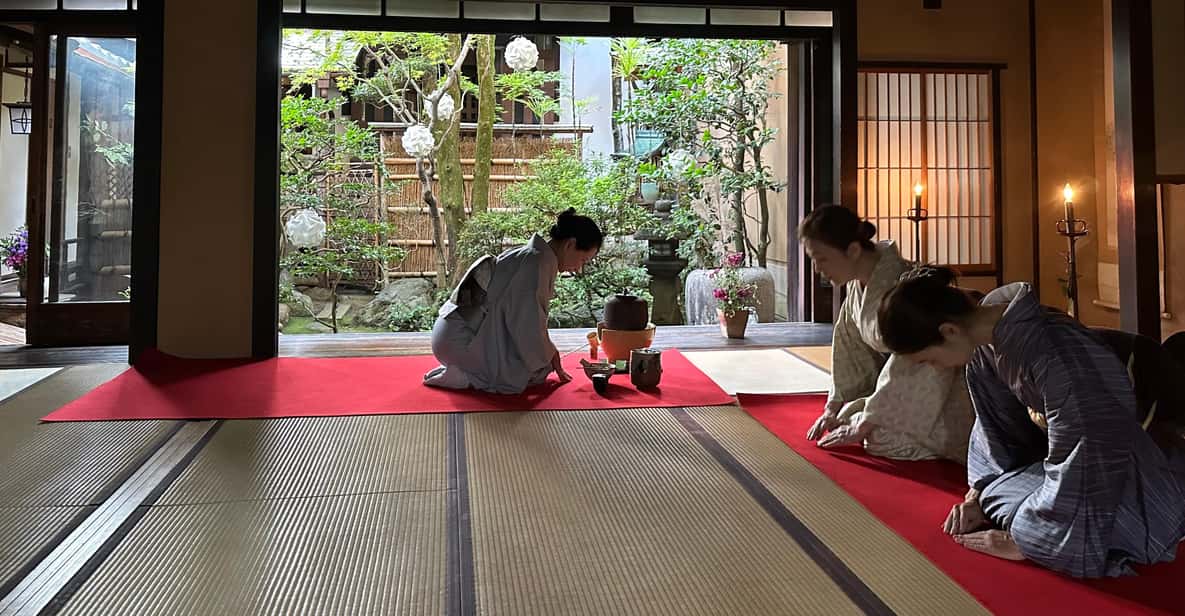
This experience can be run with other participants unless you book a private option. That matters because tea ceremony settings have an unusual kind of “capacity.” There’s room to watch, but it’s not like a theater where you can stretch out.
If you’re worried about crowd noise, here’s what helps:
- Arrive on time so you don’t get pushed into a tighter schedule.
- Keep your tone quiet and your body calm. The ceremony is mindful by design.
- Let the guide lead. If you jump between rooms to chase photos, you’ll slow the group and feel rushed.
Language is another practical consideration. The experience offers English and Japanese instruction. If your guide needs it, a translation device may be used. That’s common enough that you can relax—just remember that details might land in slightly different phrasing depending on how the guide explains.
And yes, how other guests behave can affect your comfort. If someone is late, loud, or constantly filming during the ceremony, it pulls you out of the moment. Your best move is to treat the tea part as the main event and give it your full attention.

Price and time: is $222 per person good value?
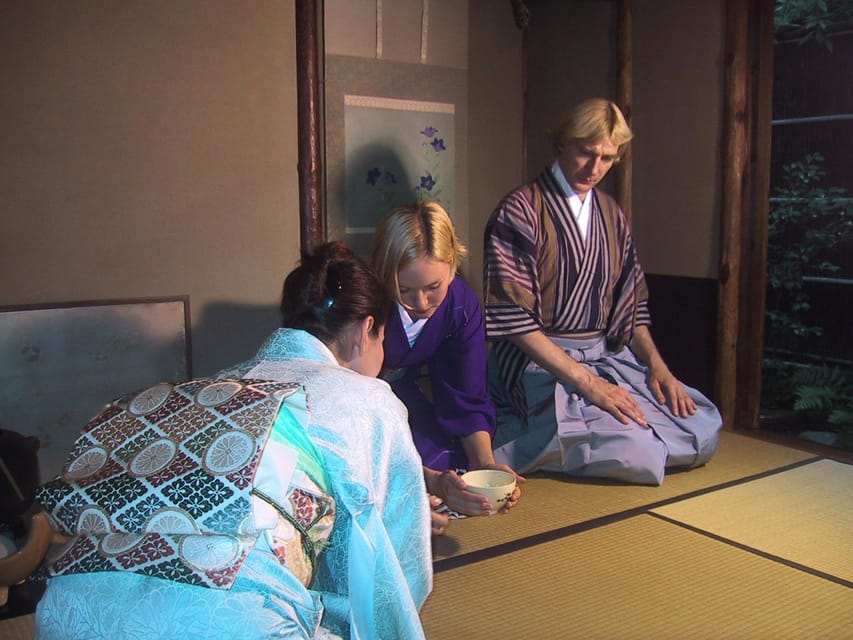
At $222 per person, this is not a budget activity. The value comes from bundling several expensive parts into one visit:
- Silk kimono dressing (professional help, not just renting)
- Access to a historically recognized machiya property
- A tea ceremony led by a tea master, plus explanation
You’re paying for the full “Kyoto lived-in” experience: you don’t just walk past a tea room, you wear clothing appropriate to it and sit through the ceremony in the setting.
Where people feel the price more keenly is if the day feels crowded or if your group schedule compresses the quieter moments. If you want a calmer, more personal pace, the private option can be worth considering, because the ceremony and photo time both feel more relaxed when the room isn’t shared.
On time: the experience can run from about 90 minutes to 4 hours, depending on the session you choose. If you’re squeezing it between other Kyoto stops, pick a start time that gives you breathing room. Kimono days have a way of making you slow down, and you’ll be glad you planned for it.
Getting there in Kyoto: the practical logistics nobody brags about
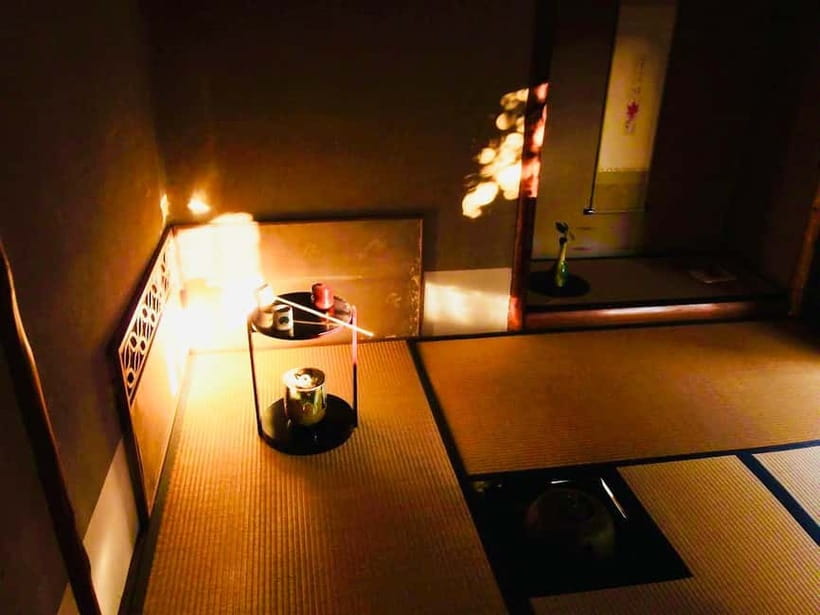
Meeting point is Tondaya – Nishijin Japanese Cultural Experience Museum, 697 Ishiyakushichō, Kamigyo Ward. The area is not the most obvious “walk from everything” zone in Kyoto, so plan transport like a local: allow extra time for a taxi or ride-hail pickup.
If you’re using a taxi, don’t wait until the last minute. Arrival timing matters because kimono dressing can start right away once you’re checked in. If you’re late, the whole schedule tightens.
Once you arrive, keep your pre-dressing items simple:
- Socks ready
- Loose neck clothing
- Dry layers you can adjust quickly
- Your phone charged for the photo windows (but ready to put it away during tea)
Who should book this kimono and tea ceremony at Tondaya?
I think this experience is a great fit if you want Kyoto culture that’s hands-on and calm.
It’s especially good for you if:
- You want to wear a silk kimono with real help
- You care about atmosphere and traditional rooms, not just photos
- You like etiquette-based experiences where quiet attention is part of the point
- You’d rather ask questions and learn what the tea steps mean
You might want to reconsider if:
- You hate waiting or tight group pacing
- You’re very uncomfortable sitting on the floor for a ceremony
- You want a lot of time for nonstop filming (photo moments are available, but phone behavior matters during the ceremony)
If you’re traveling with someone who gets motion-sick or anxious with slow indoor transitions, pack patience. This is a steady, ritual-paced visit.
Should you book Tondaya for kimono and tea?
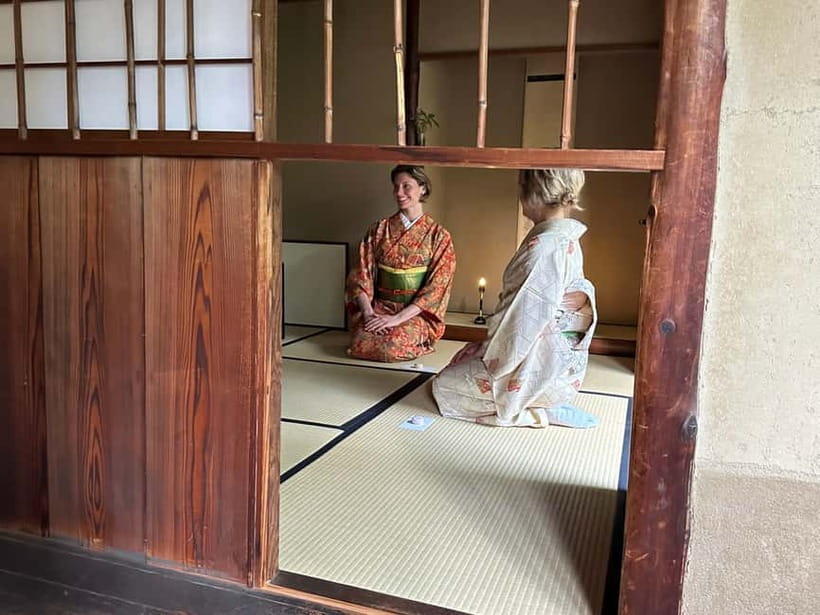
Yes, if you want an authentic Kyoto day where the setting is the star. The kimono dressing plus the tea ceremony in a 140-year-old machiya gives you a memorable mix: visual beauty, calm learning, and a real sense of place.
Book it even if you’re not a tea expert. The ceremony includes guidance, and the tour format helps you understand what you’re seeing. If you’re sensitive to crowds or want extra breathing room, seriously consider the private option so the ceremony stays peaceful.
FAQ
FAQ
Where is the meeting point?
Meet at Tondaya – Nishijin Japanese Cultural Experience Museum, 697 Ishiyakushichō, Kamigyo Ward, Kyoto, Japan.
How long does the experience take?
The duration ranges from 90 minutes to 4 hours, depending on the session time you select.
What is included in the price?
The experience includes the entrance fee, the tea ceremony, and kimono dressing.
What should I bring?
You should bring socks.
Are bare feet allowed?
No. Bare feet are not allowed, and you’ll be asked to wear socks.
Do I need to bring my own clothing besides socks?
You should wear clothes that are not too tight around the neck. You also need to make sure your T-shirt is not wet, since staff may not be able to help with wet clothing.
Is this a private experience or a group experience?
It can be group-based with other participants unless you choose the private experience option.
What languages are available during the tour?
The instructors can speak English and Japanese. A translation device may be used when necessary.
Is hair styling or makeup included?
No. Hair styling and makeup are not included, so plan your hair as you normally would.
What if I need to cancel?
You can cancel up to 24 hours in advance for a full refund.
Can I book without paying right away?
Yes. There is a reserve now and pay later option, so you can book and pay later.