REVIEW · KYOTO
Private Kyoto Tour: Explore the Most Iconic Sights
Book on Viator →Operated by Nas · Bookable on Viator
Kyoto without a map is doable. This private day tour strings together the biggest highlights with smart timing and taxi flexibility, so you spend less effort fighting buses and more time looking up at temples. I like that the route hits the icons like Kinkaku-ji, and I also like that you can request a native-language guide for an added fee. One possible drawback: if your group is right on the edge of the vehicle setup, double-check how many people fit and whether everyone will ride together.
What makes this feel different is the guide. Tours are typically in English, and you’ll be able to ask questions and steer the day if you want to add or swap stops. If you get a guide like Riku, you may find the day feels calm and well explained, with careful driving and a friendly pace.
You’re looking at 8 to 10 hours of sightseeing, and you’ll receive a mobile ticket. Lunch is not included, so plan your food stops like a local: short pauses, not long meals, so you don’t lose temple time.
In This Review
- Key Things to Know Before You Go
- A Private Kyoto Day That Actually Feels Like a Day
- Getting Set: Pickup, Taxi Strategy, and Mobile Tickets
- Stop 1: Kinkaku-ji Golden Pavilion Without the Guesswork
- Stop 2: Kiyomizu-dera and the 1200-Year Temple Experience
- Stop 3: Fushimi Inari Taisha and Picking Your Torii Trail
- Stop 4: Arashiyama Bamboo Forest, Togetsukyo Bridge, and a Lake Boat Ride
- How the Private Guide Tailors Your Day (Including Language)
- Price and Logistics: What You’re Paying For, and What to Budget
- Who This Tour Fits Best (and a Smart Way to Avoid Problems)
- Should You Book This Private Kyoto Tour?
- FAQ
- How long is the private Kyoto tour?
- Is pickup offered?
- Are mobile tickets included?
- Which major sights are included in the route?
- Are entrance fees included?
- Is lunch included?
- What kind of transportation is used?
- What languages do the guides speak?
- Can I cancel for free?
Key Things to Know Before You Go
- Private, not group-chaos: only your party, so you can move at your pace.
- Taxi use with no fixed car charge: you pay only for the transport actually needed.
- Air-conditioned comfort: helpful in hot weather or when Kyoto feels crowded.
- Major icons in one sweep: Kinkaku-ji, Kiyomizu-dera, Fushimi Inari Taisha, and Arashiyama.
- Togetsukyo Bridge and a lake boat ride: Arashiyama includes more than just bamboo.
- Carefully check headcount/vehicles: larger groups may need extra attention for seating.
A Private Kyoto Day That Actually Feels Like a Day
Kyoto can be a puzzle. The sights are iconic, but the connections can be slow, indirect, and crowded. This tour is designed to solve that problem with a guide and a private approach. You’re not stuck waiting for a line, then cramming into the next bus while your energy drops.
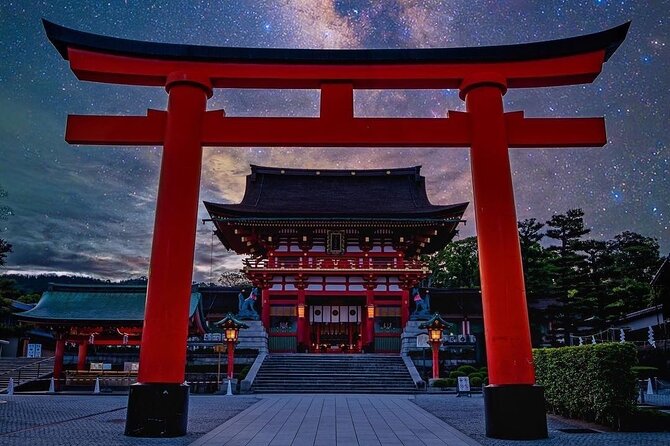
I like how the day is built around places that are easy to recognize and hard to replace with “just walking around.” Kinkaku-ji gives you the classic Golden Pavilion view. Kiyomizu-dera delivers that iconic hilltop temple vibe. Fushimi Inari Taisha brings the famous torii gate trails. And Arashiyama adds nature and a scenic bridge, not only temple photos.
Price-wise, $200 per person can sound steep until you factor in what you’re buying: guide time, private transport support, parking fees, and several included entrance fees. For a day like this, that bundle often beats piecing together trains, taxis, and admission tickets yourself—especially if you want fewer time gaps and fewer routing headaches.
The other quiet win is that it’s flexible. The day is structured, but the guide is there to adjust based on what you care about, from temple architecture to shrine atmosphere to photo time. Kyoto days go smoother when you aren’t guessing.
You can also read our reviews of more private tours in Kyoto
Getting Set: Pickup, Taxi Strategy, and Mobile Tickets
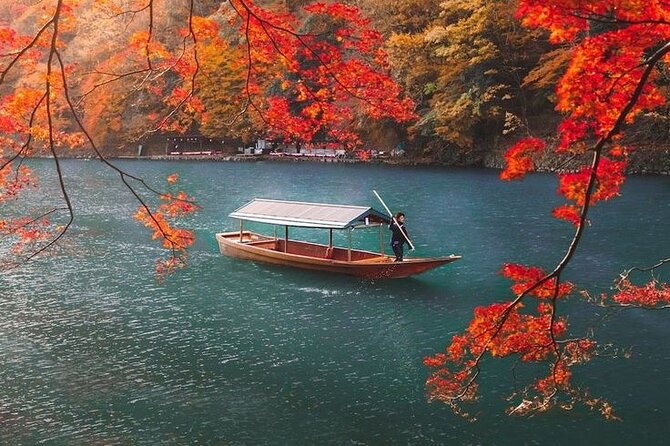
This is set up for convenience. Pickup is offered, and you’ll start and end back at the meeting point in Kyoto. That matters because getting to and from the train/subway with luggage or sore feet can be its own mini-adventure.
Transportation is also practical. The tour includes private transportation, and the operator says they’ll use taxis and public transportation if needed. Parking fees are included, and there’s an air-conditioned vehicle. That’s not just comfort; it’s time saved. Kyoto traffic and tight streets can make buses unpredictable, but a taxi plan gives the guide more control.
One detail I really appreciate: there’s no flat car charge. The idea is that you use taxi service as needed for comfort and efficiency, and you pay for the actual transportation used. In other words, you’re not paying for a full day of taxi time if the route can be handled efficiently some other way.
Mobile tickets are included, which helps you avoid ticket chaos. And since the experience is private, only your group participates—so you’re not negotiating with strangers about pace, bathroom breaks, or who wants one more photo angle.
My caution is about group size and vehicle seating. A past booking issue flagged that the party size can create confusion when the description and the actual vehicle plan don’t match expectations. If you have a group on the larger side, confirm seating in advance, and ask directly whether you’ll be in one vehicle or multiple.
Stop 1: Kinkaku-ji Golden Pavilion Without the Guesswork
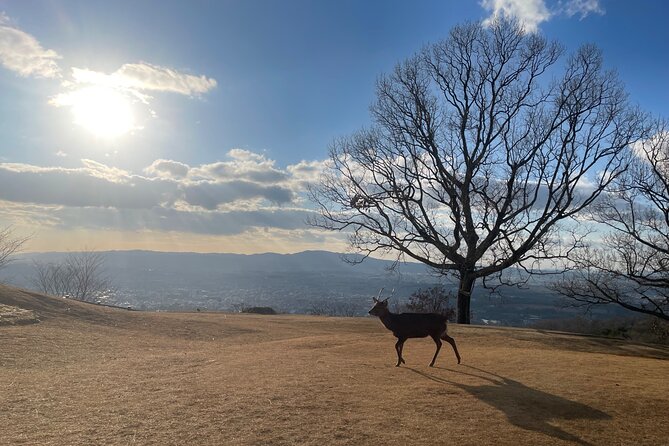
Kinkaku-ji, also known as the Golden Pavilion (Rokuon-ji), is one of those Kyoto sights that instantly makes sense. Even if you know nothing about Zen Buddhism, you recognize the “there it is” moment when the temple rises in golden tones reflected in the pond.
Having a guide matters here because it’s not just about snapping a photo. You want to understand what you’re looking at: the temple’s role in Zen tradition, why its form is so iconic, and what to notice as you move through viewpoints.
Time on the ground is generous—about two hours. That’s the right kind of length for this stop because it lets you walk slowly, compare angles, and still make it to the next temple without rushing. The entrance fee is included in the tour plan for this stop, so you’re not doing last-minute math in your head.
A small practical tip: at Kinkaku-ji, early timing helps if you’re trying to reduce crowd friction. Even with a guide, you’ll get a calmer viewing experience if you don’t treat the day like a late breakfast.
Stop 2: Kiyomizu-dera and the 1200-Year Temple Experience
Kiyomizu-dera is the kind of temple that feels like it has layers—literal and emotional. The tour includes about two hours here, and you get admission included for the visit. That removes one friction point: you spend your mental energy on the place, not on logistics.
The headline is the UNESCO World Heritage status and the temple’s long timeline—about 1200 years of history. What you’ll likely notice as you walk is how the site communicates tradition through its setting. The structure and viewpoints give you that classic hill temple feeling, and the guide can help connect what you see to the broader meaning of the site.
This stop is also a great moment to ask questions. If you’re interested in temple architecture or how worship spaces are used, a guide can translate the “what” into “why.” If you’re more into atmosphere, you can ask for advice on where to slow down for views and where to move on.
One drawback to consider: because it’s one of Kyoto’s biggest names, it can be crowded at peak times. That’s not a reason to skip it—it’s a reason to accept that you’ll do some waiting. A private guide helps you minimize wasted time by steering your flow.
Stop 3: Fushimi Inari Taisha and Picking Your Torii Trail
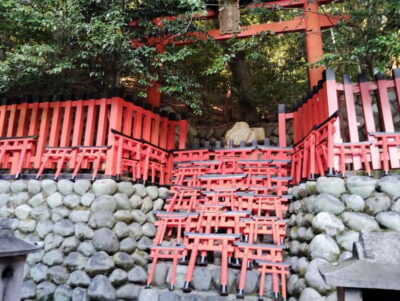
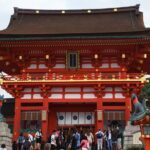
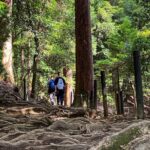
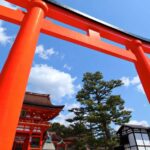
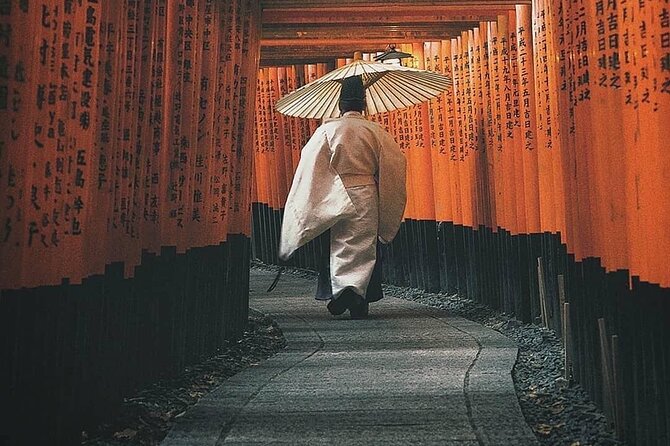
Fushimi Inari Taisha is famous for its thousands of vermilion torii gates, creating trails up Mount Inari. The visual impact is real. But the experience isn’t just walking through gates for photos—it’s choosing how far you go and how you want the day to feel.
This stop is about two hours. It’s also one where your pacing choices matter. If you want the classic torii tunnel effect, you’ll likely stay along the main routes. If you want quieter space and fewer photo interruptions, you might choose a shorter section rather than pushing to the farthest points.
Important for planning: the tour information says the Fushimi Inari admission ticket is not included. So you should budget for that, and keep a little cash or card readiness for temple/shrine fees even if other stops are covered.
Why I think this stop fits a guided private format: Inari is a shrine with many small details—shrines, inscriptions, and the rhythm of gate after gate. A guide can point out what’s meaningful so you don’t just pass by things you don’t understand.

Stop 4: Arashiyama Bamboo Forest, Togetsukyo Bridge, and a Lake Boat Ride
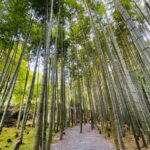
Arashiyama is where Kyoto can feel like it turns into scenery instead of sightseeing. The tour combines the bamboo forest walk with more variety than you’d get from a quick hit. You’ll go through the acclaimed bamboo forest, cross the river via Togetsukyo Bridge, and then take a tranquil boat ride across the lake.
That boat ride detail is a big deal for value. It changes the experience from “walking and standing” to “moving and viewing.” Even if you love photos, you’ll likely enjoy the break in your feet.
The tour includes about two hours for this stop, and the entrance fee for the bamboo forest is included. That’s helpful because it prevents fee surprises and keeps the day flowing.
What to watch for: bamboo areas can feel crowded even when the scene looks peaceful. People photograph, pause, and shuffle around. If you’re sensitive to crowds, tell your guide early. They can help adjust your path and where you pause.
Also, consider timing for the bridge and boat segment. If you end up waiting, you’ll want to have your water and basic comfort items ready. Nothing fancy—just the things that keep you comfortable while Kyoto does its crowd ballet.
How the Private Guide Tailors Your Day (Including Language)
This tour leans into personalization. Your guide can adapt the plan to your interests and the pace of your group. Want more time at a certain viewpoint? Ask. Want to adjust based on energy levels? You can.
Language is part of this too. Guides come from various backgrounds, including Japan, the US, and Spanish-speaking countries. English is typical. If you want a native-language guide, it can be arranged for an additional fee. That can make a massive difference when you’re trying to understand what you’re seeing at temples and shrines.
Here’s the real takeaway: the guide isn’t only there to point. They’re there to connect the place to your questions. If you care about religious meaning, you’ll get better answers. If you’re more about history in plain terms, you can steer the conversation that direction.
Riku is one name that comes up strongly for being knowledgeable and pleasant, with excellent English and careful driving. If you’re lucky enough to get a guide like that, you’ll likely feel more confident moving through a complex day with multiple major stops.
Price and Logistics: What You’re Paying For, and What to Budget
Let’s be practical about cost. The price is $200 per person for a private day that typically runs 8 to 10 hours. In that price, you’re getting guide service, private transportation support (with taxis used as needed), parking fees, air-conditioned comfort, and admission fees for some stops.
You should budget for lunch since it’s not included. For a day like this, I recommend planning quick, nearby meals and avoiding long sit-down detours. Kyoto is gorgeous, but a long lunch can steal the afternoon from the places you actually came for.
Also budget for some temple entrance fees that are listed as not included, often around $8 to $10. The tour specifics indicate that at least one major shrine stop (Fushimi Inari) may require an additional ticket. That’s normal in Japan—fees vary by site and whether certain parts require payment.
The value question becomes: does paying for private guidance save time and reduce stress? If you want fewer transit puzzles and a day that flows, the answer usually is yes. If you’re comfortable building your own route with trains and taxis and you don’t need interpretive guidance, you might spend less doing it independently.
Who This Tour Fits Best (and a Smart Way to Avoid Problems)
This private Kyoto tour is a good fit if you want:
- A single day that covers multiple icons without logistics work.
- A guide who can explain what you’re seeing, not only where to stand.
- Comfort-minded transport planning in a city that can feel slow between neighborhoods.
- Flexibility to adjust the schedule to your interests.
It may be less ideal if:
- You’re traveling with a group where headcount could impact vehicle arrangement.
- You expect every major stop to have admission fully covered without any extra fees.
- You want an itinerary that never changes and requires no communication. This is private, so you’ll get the most value by telling your guide what you care about.
If you’re booking for a family or a larger party, do one extra step: confirm the vehicle seating plan and whether the group will ride together in one vehicle. That’s the kind of thing that prevents a day from starting with a headache.
Should You Book This Private Kyoto Tour?
If your goal is a smooth, high-hit Kyoto day with a guide who can translate the big sights into something you actually understand, I’d say this is worth considering. The combination of Kinkaku-ji, Kiyomizu-dera, Fushimi Inari Taisha, and Arashiyama—plus the Togetsukyo Bridge and lake boat ride—gives you variety without scatter.
Book it if you like structure but also want the day tailored, and if paying for convenience is part of the trip style you enjoy. Think twice if your group needs specific vehicle seating arrangements and you haven’t confirmed headcount details.
Overall, with a guide (and especially if you end up with someone like Riku), this is the kind of Kyoto day that leaves you feeling like you saw the icons and still understood what they meant.
FAQ
How long is the private Kyoto tour?
The tour is about 8 to 10 hours, and travel time is included in the total duration.
Is pickup offered?
Yes, pickup is offered, and the tour ends back at the meeting point.
Are mobile tickets included?
Yes, mobile tickets are part of the experience.
Which major sights are included in the route?
The tour includes Kinkaku-ji (Golden Pavilion), Kiyomizu-dera, Fushimi Inari Taisha, and the Arashiyama Bamboo Forest area.
Are entrance fees included?
Entrance fees are included for Kinkaku-ji and Kiyomizu-dera in the itinerary, and the bamboo forest entrance fee is also included. Fushimi Inari’s admission ticket is listed as not included in the itinerary, and some temple entrance fees (about $8 to $10) are listed as not included.
Is lunch included?
No, lunch is not included.
What kind of transportation is used?
The tour is private, using taxis and public transportation if needed, and it includes an air-conditioned vehicle and parking fees.
What languages do the guides speak?
Tours are typically conducted in English. A native-language guide can be arranged for an additional fee, and guides can come from Japan, the US, and Spanish-speaking countries.
Can I cancel for free?
Yes. You can cancel up to 24 hours in advance for a full refund.