REVIEW · KYOTO
Katana Shopping with Professional Guidance in Kyoto
Book on Viator →Operated by Let's ask Shogo · Bookable on Viator
Katana shopping gets real when it’s tied to training. This Kyoto experience takes you inside a private dojo for kenjutsu practice, with expert guidance and translator support from Shogo. You’re not just looking at swords; you’re learning how professionals think about fit, function, and preservation.
I love the hand-selected blades chosen by a master, including Japanese katanas described as being hundreds of years old. I also love the way Shogo and Yushin Sensei help you connect your interests to what you’re seeing, so the process feels personal instead of salesy.
One consideration: this is strictly for serious katana buyers. If your main goal is to meet Shogo or simply browse, you may not get much out of the session.
In This Review
- Key things that make this katana shopping feel different
- Finding the right entrance in Kyoto’s Nakagyo Ward
- Shogo and Yushin Sensei: translation plus martial-arts context
- Inside the dojo: why kenjutsu changes how you shop
- Hand-picked katanas, including blades described as centuries old
- The buying mindset: this is for people who are ready
- Price and value: $65.32 for expert guidance (not the sword)
- What you should ask while you’re there
- After the purchase: care guidance and follow-up
- Practical tips to get the most from a katana decision
- Who should book this dojo katana session, and who should skip it
- FAQ
- FAQ
- How long is the katana shopping session in Kyoto?
- Is this a private experience?
- What does the ticket method look like?
- Where is the meeting point?
- Is Shogo involved, or is there only a sword shop visit?
- Who is this experience for?
- When do I get confirmation after booking?
- Can I cancel for a refund?
Key things that make this katana shopping feel different
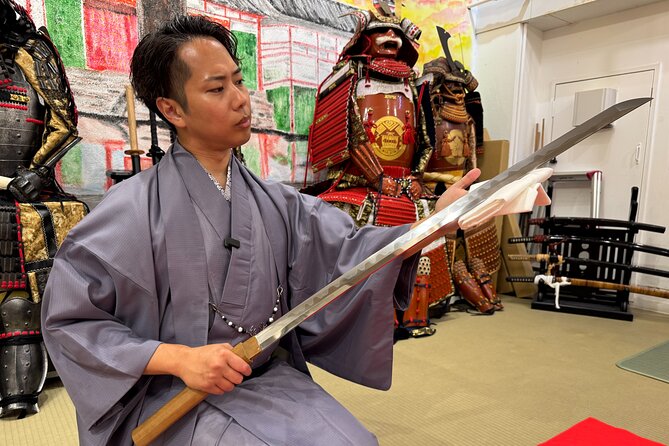
- A private dojo setting where kenjutsu is practiced, not a retail floor
- Shogo’s translation from Let’s Ask Shogo (1.8M+ subscribers) alongside dojo instruction
- A master’s hand-picked selection, including blades described as extremely old (some 600 years)
- A buying-focused approach, not a meet-and-greet or casual window shopping stop
- Expert guidance before and after purchase, including maintenance explanations and follow-up
Finding the right entrance in Kyoto’s Nakagyo Ward
Your session starts at 452-2 Matsugaechō, Nakagyo Ward, Kyoto. From there, you’re set up for a focused, private experience with only your group, which matters a lot in a purchase like this. If you’re used to typical sightseeing tours, the vibe here is more like a workshop than an attraction.
The tour runs about 1 hour. You’ll get a mobile ticket, and confirmation comes within 48 hours after booking, depending on availability. Since this is short, you’ll want to arrive with a clear mindset: you’re there to evaluate, ask questions, and—if it feels right—purchase.
You can also read our reviews of more shopping tours in Kyoto

Shogo and Yushin Sensei: translation plus martial-arts context
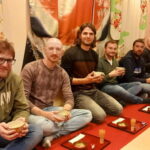
What makes the guidance work is the mix of roles. You have Shogo from Let’s Ask Shogo as your translator and shopping guide, and you also have the dojo’s martial-arts leadership with Yushin Sensei involved in the instruction.
Shogo’s background is built around iaido/katana budo experience (10+ years, based on the tour details), and his popularity as a YouTuber (1.8M+ followers) is useful here mainly because he’s practiced explaining details clearly. In other words, translation isn’t treated as an add-on. It’s part of how you understand what you’re looking at.
Yushin Sensei adds a more technical lens. In the feedback, people highlight how friendly, patient, and thorough the team was—especially when it came to explaining what matters and why. That’s important because a katana isn’t just a pretty object; it’s an artifact with specific parts and care needs.
Inside the dojo: why kenjutsu changes how you shop
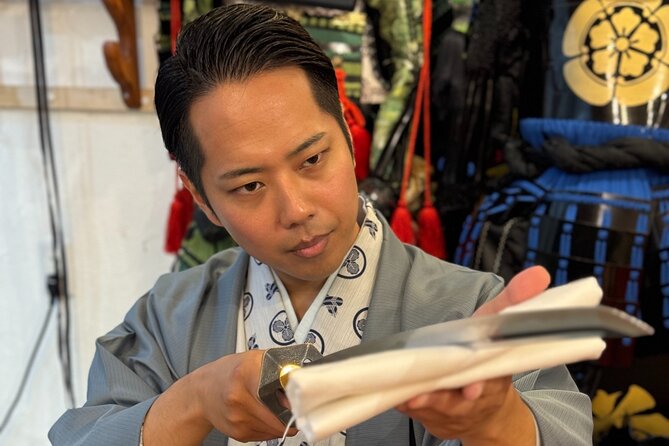
This isn’t your usual “look at swords” stop. You go to a private dojo where real kenjutsu is practiced and taught, which changes the entire shopping conversation. Seeing a blade in a training context helps you understand that the sword you choose affects how you hold it, how you view it, and how you’ll care for it over time.
I like that the experience is built around the idea of matching. You’re not handed a random assortment and told to pick one. Instead, you’re guided to think about your preferences and what kind of katana makes sense for your goals—collector interest, martial arts curiosity, or serious samurai culture fascination.
It also cuts out a common problem in sword shopping: guessing. When the process includes instruction and explanation in the room where training happens, you’re less likely to rely on buzzwords like “premium” and more likely to ask the practical questions that determine whether a blade will feel right long term.
Hand-picked katanas, including blades described as centuries old
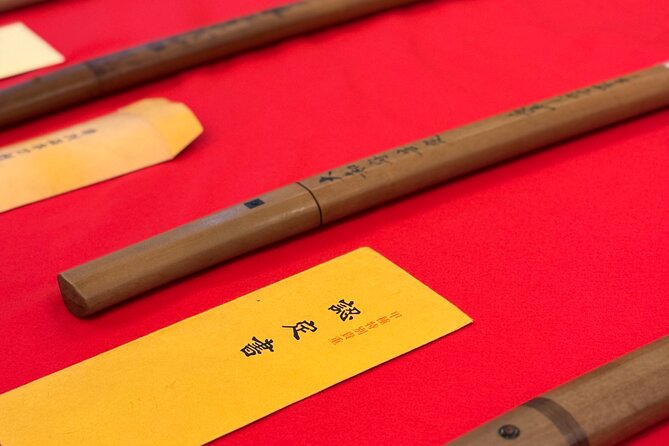
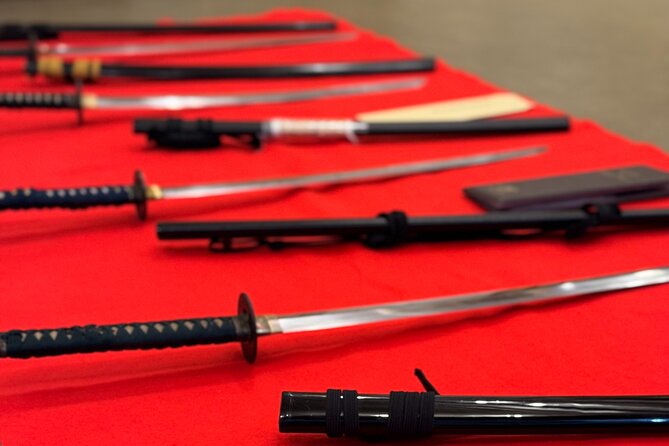
The master who leads the dojo work handpicks genuine blades, and the experience description notes that some are hundreds of years old, including swords crafted over 600 years ago. That’s a big claim, and even if you don’t treat age as the only deciding factor, it tells you what kind of selection you’re being shown.
What I’d take away: the value here isn’t only the possible rarity. It’s how the team helps you evaluate authenticity and condition in a way that a quick retail visit can’t. With guidance, you’re more likely to notice the kinds of details that affect preservation—details that matter if you truly want something with history rather than just something that looks historical.
You also get a stronger sense of responsibility. A katana like this isn’t a casual souvenir, and the framing is clear: you’re learning how to think about the blade as an object meant to be respected and maintained.
The buying mindset: this is for people who are ready
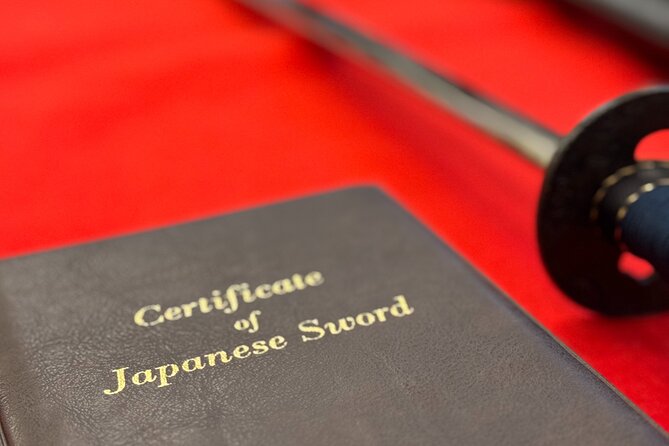
This experience is strictly intended for those seriously considering purchasing a Japanese katana. The organizers are explicit about it: don’t book if your only purpose is meeting Shogo or just looking.
That matters for your comfort. If you come in with zero intention to buy, you may find the pace too direct and the discussions too focused. If you come in with real interest—and especially if you’ve done at least a little thinking about what you want—this kind of structured, expert attention can be exactly what you need.
From the feedback, the best outcomes happened when people treated it like a genuine decision. One buyer described the experience as finding a katana suited to their criteria, including fine details like fuchi, kashira, and menuki reflecting personal interests. That’s the kind of specificity you should expect when a team is helping you choose something you’ll live with for years.


Price and value: $65.32 for expert guidance (not the sword)
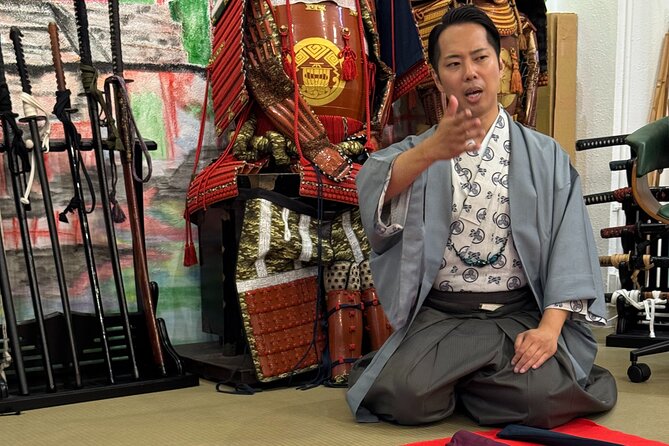
The price is $65.32 per group (up to 10) for about an hour, with a mobile ticket. That number can look surprising if you’re thinking it covers the sword itself—but in practice, that fee reads like what you’re paying for: access to experts, translation, and a guided evaluation in a real dojo setting.
Here’s how I’d think about the value:
- If a katana purchase is in your plan, the guidance fee is small compared to the cost of the sword.
- You’re paying for time with people who can explain what you’re seeing and help you avoid costly mistakes like choosing something that doesn’t fit your expectations or care needs.
- The group-size pricing makes it easier if you’re traveling with friends who also want to learn and observe.
Also, because it’s private and time-limited, the fee becomes more sensible. You’re not sharing an instructor with a large crowd, so you’re more likely to get specific answers.
What you should ask while you’re there
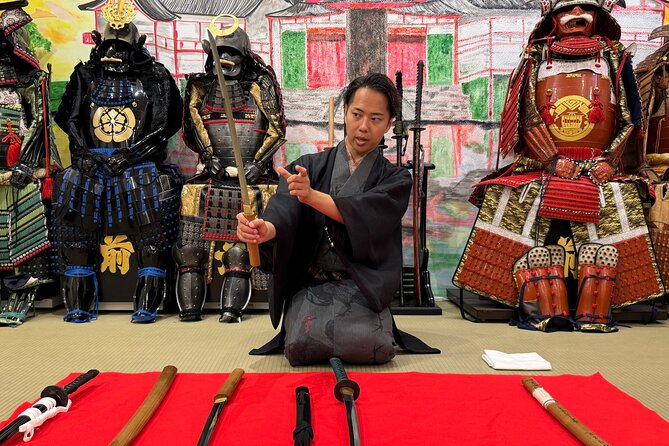
The session is short, so your questions matter. Based on what the team is described as doing well—patient guidance and education—these are the areas you’ll likely want to cover:
1) What you should focus on when evaluating a blade
2) How to think about the fit and the feel of the sword (especially if you have iaido or martial curiosity)
3) What you should expect in terms of maintenance and safe handling
4) How the team approaches matching your preferences to possible options
If you’re collecting, you may also care about how preservation is handled and what “good condition” means beyond appearance. If you’re more interested in martial culture than display, you may want to understand how the instruction context connects to how the sword is used and treated.
After the purchase: care guidance and follow-up
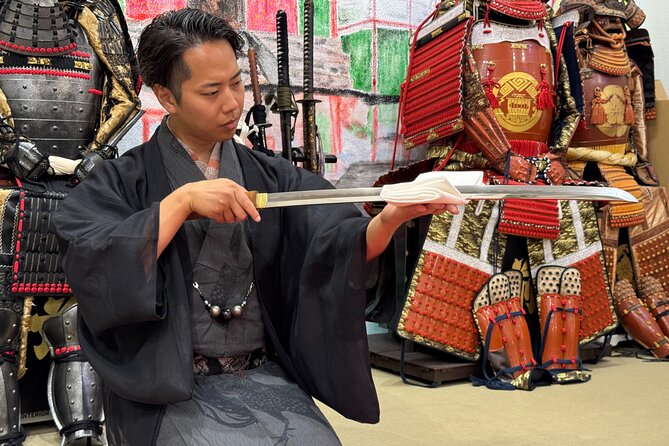
A big plus from the feedback is what happens once you’ve decided. People describe being guided at all points, with thorough answers and education about maintenance. Others also note post-purchase follow-up, including updates related to arrival timing when shipping was involved.
This matters because many people buy an expensive object abroad and then get stuck with basic questions later. Here, the support appears to be part of the service, not an afterthought. It also reinforces why the experience is meant for serious buyers: you’re not only selecting a sword; you’re committing to caring for it.
Practical tips to get the most from a katana decision
Because the session is designed for buyers, you’ll get more out of it if you show up prepared. You might not know every term, but you can still walk in with clarity.
I’d suggest:
- Bring a clear budget range and what you consider a realistic next step.
- Think about your goal: display, collecting, learning culture, or martial arts interest.
- Prepare a short list of what you want in the look and feel of the fittings (handles and small decorative parts).
- Come with questions about care and maintenance, not just price.
One more tip: time is tight. If you wander like you’re at a normal shop, you’ll miss the chance to ask the exact things that make the difference between an okay purchase and a lifelong one.
Who should book this dojo katana session, and who should skip it
This is a great fit if:
- You’re actually considering buying a Japanese katana.
- You want a serious, expert-led approach inside a dojo training environment.
- You’d value translation support so you can ask real questions and understand answers.
Skip it if:
- You’re only curious or hoping to browse casually.
- Your priority is meeting Shogo rather than learning how to choose and care for a katana.
- You want a general tourist “sword photo stop.” This one is built for decisions.
FAQ
FAQ
How long is the katana shopping session in Kyoto?
It’s about 1 hour (approx.).
Is this a private experience?
Yes. It’s a private tour/activity, and only your group participates.
What does the ticket method look like?
You’ll receive a mobile ticket.
Where is the meeting point?
The start point is 452-2 Matsugaechō, Nakagyo Ward, Kyoto, 604-8034, Japan.
Is Shogo involved, or is there only a sword shop visit?
Shogo from Let’s Ask Shogo is part of the experience as your translator and shopping guide, alongside dojo instruction led by the martial arts team.
Who is this experience for?
It’s intended for people who are seriously considering purchasing a Japanese katana. If you only want to meet Shogo or simply look, the experience description says not to book.
When do I get confirmation after booking?
You should receive confirmation within 48 hours of booking, subject to availability.
Can I cancel for a refund?
Yes. Free cancellation is available. You can cancel up to 24 hours in advance for a full refund.
If you tell me your rough goal (collector vs. martial arts curiosity) and whether you’re traveling solo or with friends, I can help you decide if this timing and group setup makes sense for you.