REVIEW · KYOTO
Kyoto: Nishiki Market and Depachika Food Tour with a Local
Book on GetYourGuide →Operated by TripGuru Japan · Bookable on GetYourGuide
Kyoto tastes best on foot. In a short walk, I really like the Nishiki Market food trail and the Depachika food hall snacks you can’t easily sort out on your own, especially if you’re trying to hit the best stalls fast. The only catch: it’s a tight, 2-hour format, so if you want to linger over every shop window, you’ll need to come back later.
This is built for people who want structure without feeling rushed into a restaurant reservation. You’ll meet at Apple Kyoto, follow your English-speaking guide through Daimaru and Nishiki, then take a calm breather at Nishiki-Tenmangu Shrine before finishing at Kyoto-Kawaramachi Station.
In This Review
- Key highlights worth clocking
- Apple Kyoto to Kawaramachi Station: a smart food-walk route
- Daimaru Kyoto depachika: basement food that feels like a shortcut
- Nishiki Market in motion: a flavor map you can actually navigate
- What makes Nishiki special (beyond the hype)
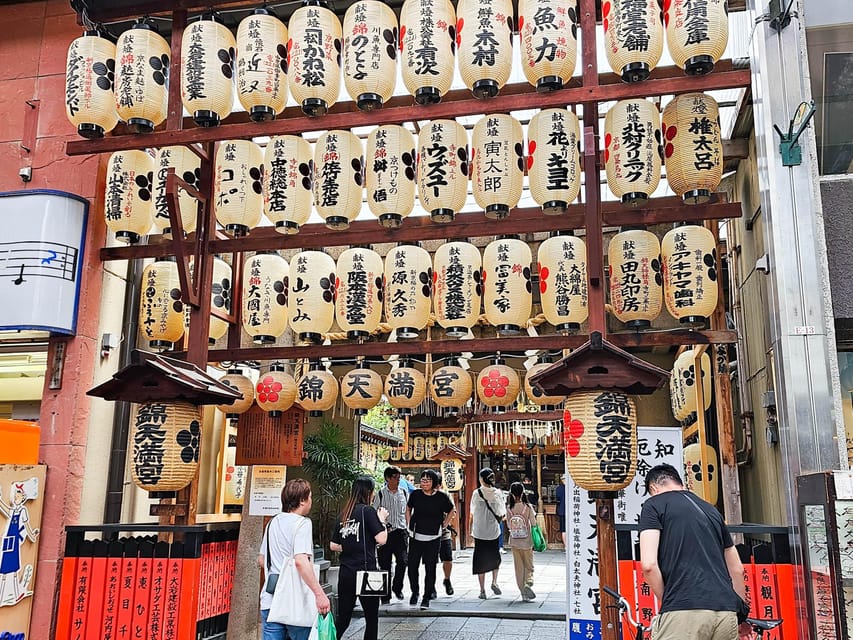
- Nishiki-Tenmangu Shrine: a quick calm break between snacks
- Included tastings: what you’ll try and why they’re well chosen
- Yuba and soy milk donut
- Nishiki gyoza
- Tempura hamo fish
- Price and value: why $42 can make sense here
- Making the most of the 2-hour pace (without rushing yourself)
- Who this tour is best for in Kyoto
- Should you book this Nishiki + depachika food tour?
- FAQ
- How long is the Kyoto Nishiki Market and Depachika Food Tour?
- Where do I meet the guide?
- What does the tour include for food tastings?
- Is the tour in English?
- How big is the group?
- What stops are included besides the food areas?
- Do I need to bring anything?
- Where does the tour end?
- Who should not take this tour?
Key highlights worth clocking
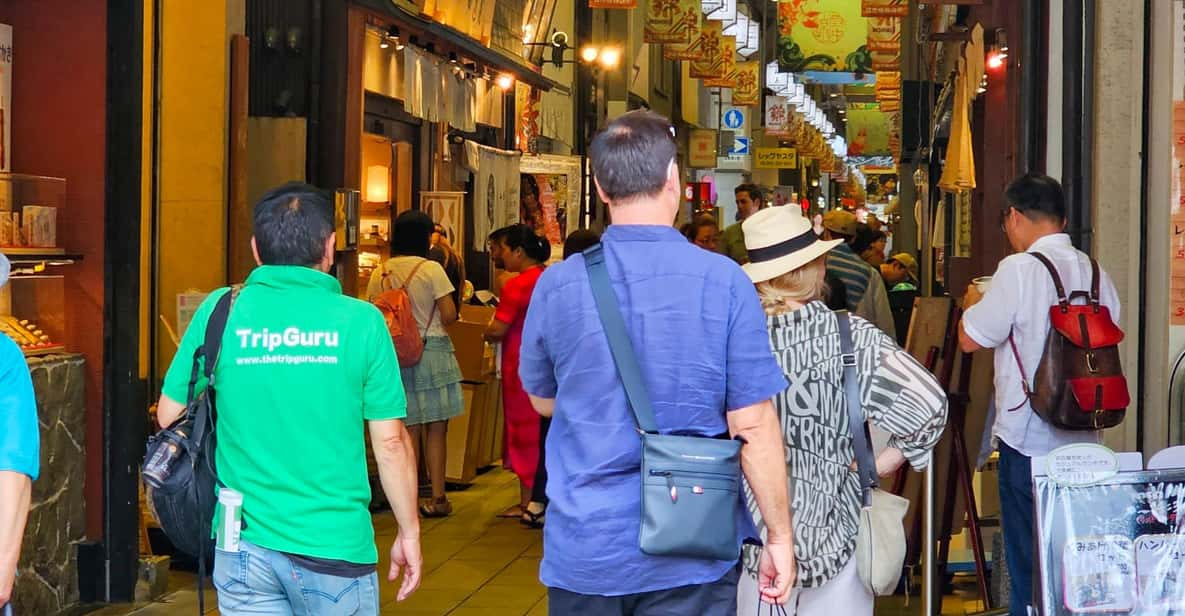
- Small group of up to 9: you actually get time for questions and swaps if you’re cautious with certain foods
- Daimaru Kyoto depachika stop: a basement department-store food hall where you can sample a range of Japanese favorites
- Nishiki Market sampling route: you get tastings while learning what each item is and how locals eat it
- Included set foods: yuba sashimi + soy milk donut, Nishiki gyoza, and tempura hamo fish
- Nishiki-Tenmangu Shrine reset: a quick, peaceful pause tied to the shrine’s learning theme
- Finish at Kawaramachi Station: easy to keep exploring Kyoto right after you eat
Apple Kyoto to Kawaramachi Station: a smart food-walk route
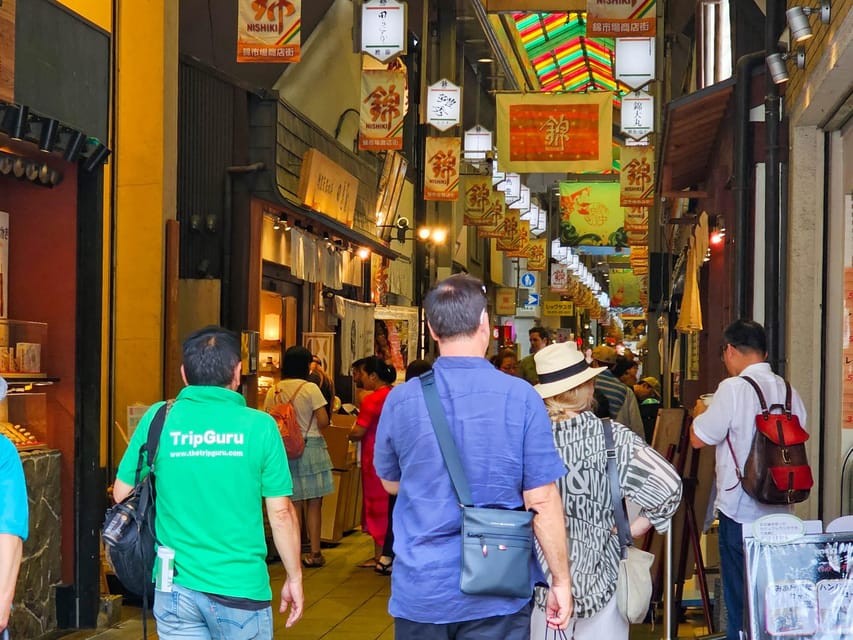
The tour starts at Apple Kyoto, and you’ll spot your guide wearing a TripGuru shirt or holding a TripGuru sign. That sounds small, but it matters. In crowded areas like this, a clear meeting point saves real time and helps you start relaxed, not stressed.
You’ll also want to be on time—aim to arrive 10 minutes early. The guide only waits up to 10 minutes, then you move on. Kyoto is a city where plans can snowball fast, so I treat punctuality here like part of the experience, not just “tour rules.”
The walking is very doable for most visitors because it’s paced as a sequence of short blocks: department-store food hall, market aisles, then a shrine stop. You don’t need to master subway lines or figure out which alley is which. By the time you finish at Kyoto-Kawaramachi Station, you’re in a central area where you can naturally connect to other sightseeing.
You can also read our reviews of more food & drink experiences in Kyoto

Daimaru Kyoto depachika: basement food that feels like a shortcut
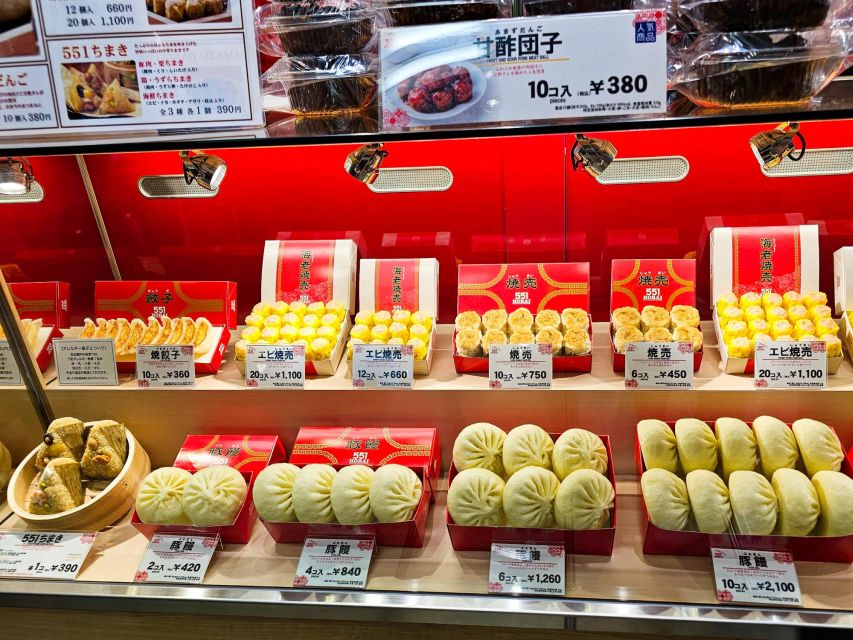
Your tour first hits Daimaru Kyoto for a food market visit. This is the depachika experience: the basement food halls inside big department stores that locals use for quick gifts, snacks, and full-on meals.
Here’s what makes this stop valuable for you:
- You get a concentrated range of Japanese flavors in one place, which is perfect when you only have a couple of hours.
- A guide helps you avoid decision fatigue. You don’t have to guess what’s good, what’s fresh, or what might be “popular” but not your type of food.
- You’re sampling in the real flow of how these places operate—people standing, picking, tasting, and moving.
Even better, your tour doesn’t just point. You’re given specific tasting items during the experience, so you can treat depachika like a sampler plate rather than a full shopping mission.
If you’re the kind of traveler who loves gifts and snacks for later, you’ll leave with a better sense of what to buy on your own after the tour. And if you’re overwhelmed by menus in Japanese, this is one of the easiest places in Kyoto to practice ordering with confidence—because the guide helps you translate the “what am I looking at?” moment into something you can repeat.
Nishiki Market in motion: a flavor map you can actually navigate
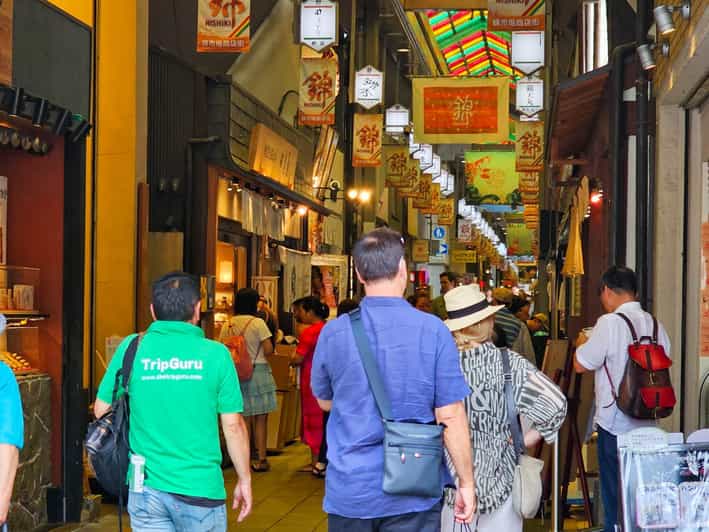
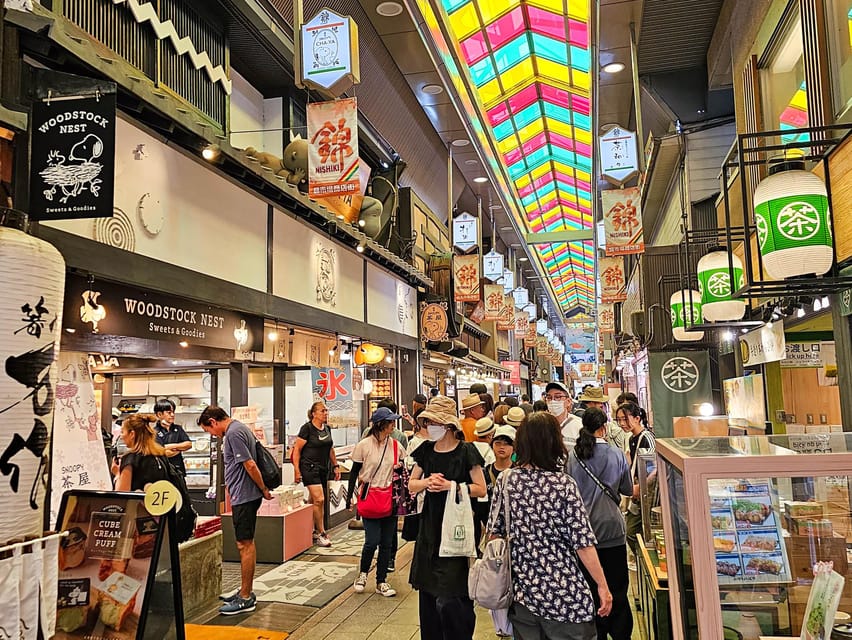
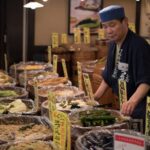
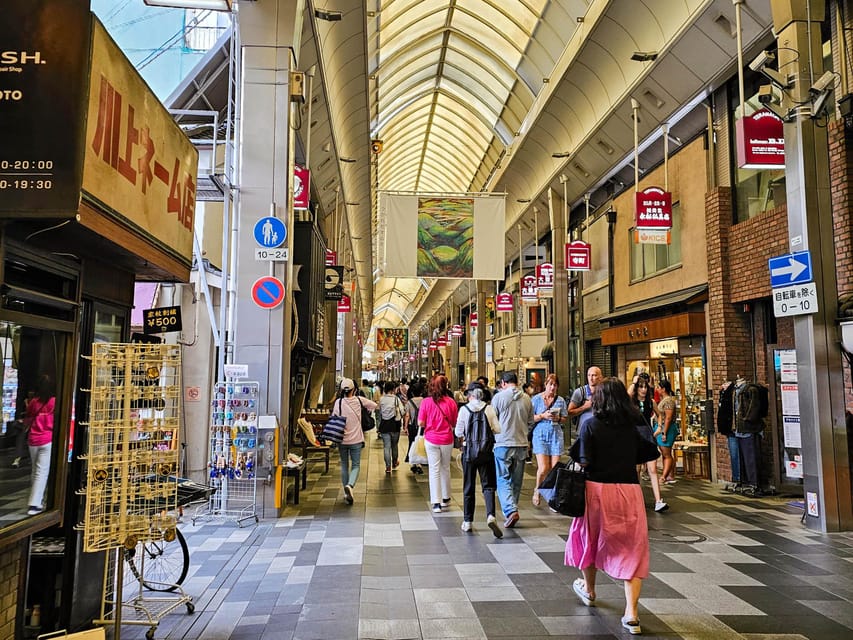
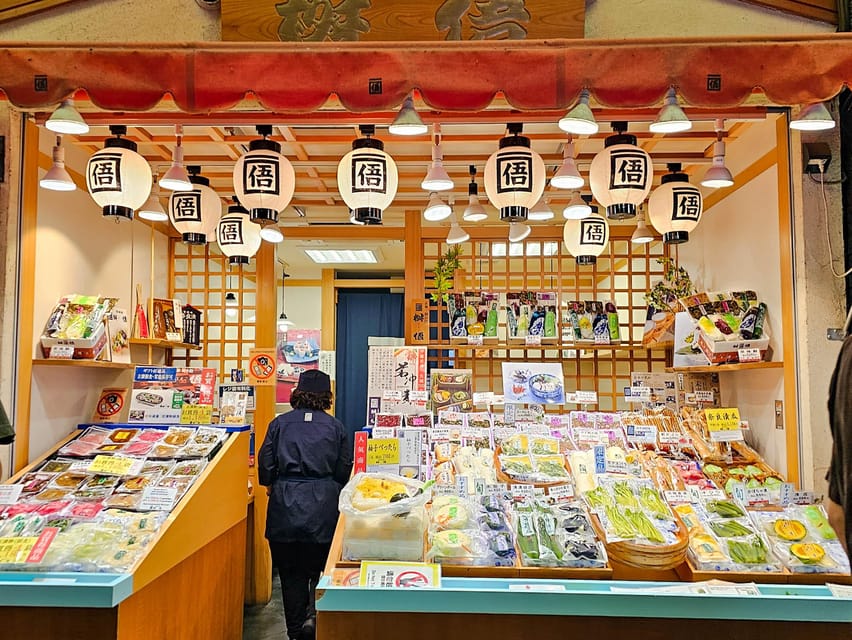
After Daimaru, you head to Nishiki Market, Kyoto’s famous street-market area known for food stalls, small specialty shops, and ingredients you can’t easily find back home.
What I like here is the way the market becomes less chaotic once you have a route. Nishiki can feel like sensory overload when you’re alone—signboards, smells, crowds, and a million options. With a guide, it turns into a guided sequence where tastings line up with what you’re seeing.
This is where the tour’s pacing shines. You’re given time to:
- move through the market aisles
- stop for tastings
- ask questions instead of just staring at glass cases
What makes Nishiki special (beyond the hype)
Nishiki is not only about eating right now. It’s also about understanding the building blocks of Kyoto cuisine. You’ll see stalls tied to regional specialties, seasonal ingredients, and long-running family-run shops. That matters because Kyoto food isn’t one uniform style—it’s careful choices, and the market shows you those choices up close.
One practical tip: bring cash if you can. You might not need it for the included tastings, but it helps for small add-ons and last-minute purchases after the tour ends. Also, wear shoes you trust. Nishiki is a standing-and-walking kind of place.
Nishiki-Tenmangu Shrine: a quick calm break between snacks
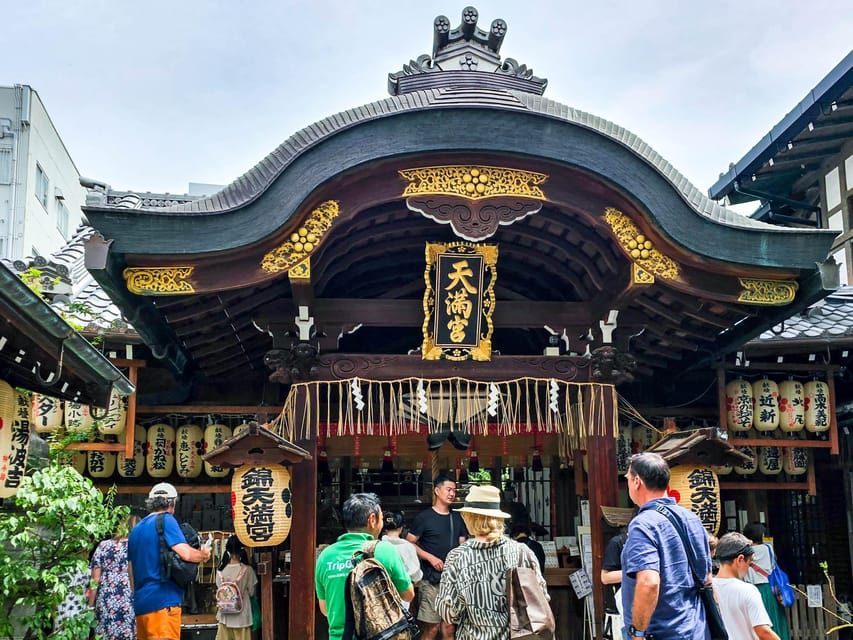
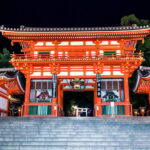
Then you’ll step away from food for a bit with Nishiki-Tenmangu Shrine. This stop is about 30 minutes, and it’s a nice contrast: incense and crowds down to a quieter pocket of Shinto space.
The shrine is dedicated to the deity of learning, and the tour includes guided attention to the architecture and the ritual basics. You’ll also have a chance to cleanse your hands at the sacred water fountain, which is one of those moments that helps you feel more grounded while you’re in “eat-eat-eat” mode.
Why I think this works in a food tour:
- It resets your pace. After markets, your legs need a breather and your brain needs a break from decision-making.
- It gives context. Food in Kyoto isn’t separate from daily life and tradition. A shrine stop is a gentle reminder of that.
If you’re photographing, this is one of the easier stops to slow down for a minute and frame shots without fighting as much foot traffic.
You can also read our reviews of more tours and experiences in Kyoto
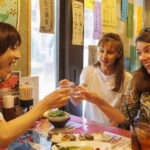
Included tastings: what you’ll try and why they’re well chosen
A big part of the value here is that the tour doesn’t leave you guessing what’s worth sampling. The included tastings are specific, and they cover different food styles rather than repeating one flavor profile.
Here’s what’s included:
- Yuba sashimi (tofu skin) + soy milk donut
- Nishiki gyoza
- Tempura hamo fish
Yuba and soy milk donut
Yuba is tofu skin, and it’s a Kyoto classic for a reason. It has a soft, delicate character that’s very different from what most people expect when they hear tofu. Pair that with a soy milk donut, and you get a sweet counterpoint—creamy, mild, and easy to enjoy without needing to love extremely intense flavors.
Nishiki gyoza
Gyoza is familiar territory for many visitors, but this tasting helps you understand how Kyoto-style market eating fits into everyday Japanese snacking culture. It’s also a good “bridge food” if your group has different taste levels.
Tempura hamo fish
This one is more special. Hamo is a fish associated with seasonal eating in Japan, and the tempura format is designed to make it crisp and light rather than heavy. If you only taste one thing that feels distinctly Kyoto-ish, this is the kind of item that does that job.
And in case you’re wondering: the tour info makes clear they include tastings, but you’re not blocked from buying more if you want. Still, the built-in set means you’re not trying to assemble a meal plan from scratch while navigating a busy market.
Price and value: why $42 can make sense here
At $42 per person for a 2-hour experience, you’re paying for three things you’d otherwise spend time (and energy) on:
- An English-speaking guide who helps you know what to order and what to expect
- Included tastings across sweet, savory, and a more regional item
- A time-saving route that spares you from wandering randomly and missing better chances to sample
If you tried to replicate this solo, you could easily spend comparable money just on a couple of items—then lose the “what to try and why” part. The guide’s role isn’t just translation. It’s choosing a sequence that fits the short time window you have.
The small group size also adds value. With up to 9 participants, you’re less likely to get shoved into the back of the line. That’s important when you want to ask questions, adjust for picky eaters, or get practical tips on what to buy afterward.
Making the most of the 2-hour pace (without rushing yourself)
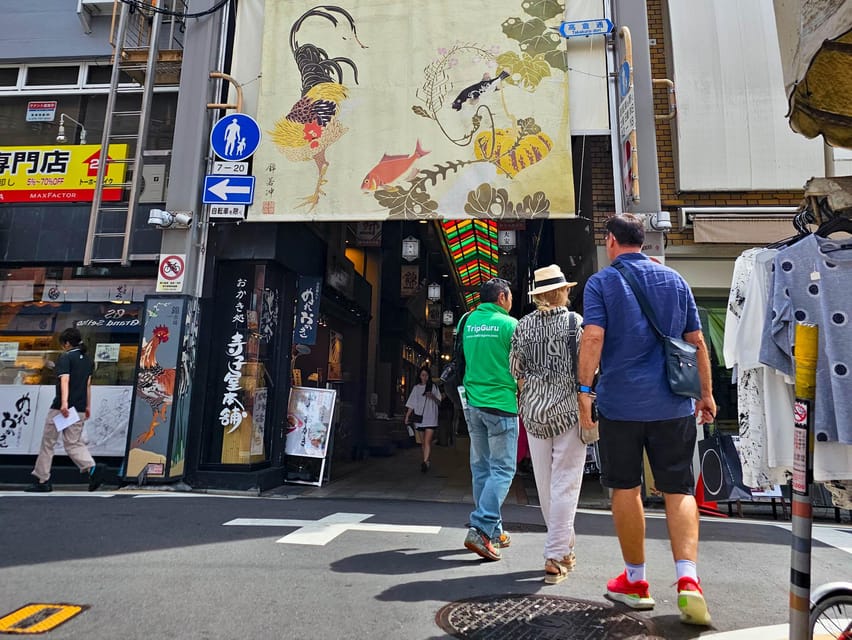
Let’s call it straight: this tour is not for people who treat markets like a slow stroll. It’s a short, guided food walk, and the time pressure shows.
So if you want to avoid that tight feeling, I suggest this strategy:
- Eat a light breakfast or lunch beforehand. Don’t arrive starving, but don’t arrive stuffed either.
- Keep your shopping mindset for after the tour. During the tour, focus on tastings and learning. You’ll be able to buy more once you know what you like.
- Wear comfortable shoes. You’ll be standing, walking, and turning corners more than you’d think.
Also, plan for crowds. Nishiki and depachika areas are active, and your guide will keep you moving so you can fit everything in. That’s part of the design—fast learning, fast tasting, then you go explore on your own.
One more practical note: heavy morning traffic can affect how long it takes to get to Apple Kyoto. Leave enough buffer time so you aren’t sprinting in and feeling frazzled before you even start.
Who this tour is best for in Kyoto
This experience is a great match when you:
- want a concentrated taste of Kyoto food without building an itinerary from scratch
- are a first-timer in the Nishiki area and want a guided route
- like structure but still want freedom afterward (because you finish at Kawaramachi)
It also works well for mixed groups—people who want to try Japanese specialties and people who need reassurance about what they’re eating. The guide approach described across multiple experiences is often patient and question-friendly, which is a big help when you’re not sure about ingredients.
On the other hand, it’s not suitable if you have mobility issues or certain health conditions. The tour data specifies it isn’t appropriate for pregnant women, people with mobility impairments, heart problems, or respiratory issues. That’s mainly because the experience is a walking-based format in crowded food areas.
Should you book this Nishiki + depachika food tour?
Yes, if you want a fast, high-value introduction to Kyoto eating—especially if you only have a couple hours and you’d rather spend that time tasting than decoding menus and reading signs.
Book it if:
- you like markets but don’t want to get lost in them
- you want included samples like yuba, gyoza, and hamo tempura
- you want an English guide and a small group setup
Skip it if:
- you hate time limits and want to browse for hours
- you need a low-walking experience (this one is built around movement and crowds)
If you’re landing in Kyoto and want a practical way to get your bearings fast while eating well, this is a smart first stop.
FAQ
How long is the Kyoto Nishiki Market and Depachika Food Tour?
The tour duration is listed as 2 hours.
Where do I meet the guide?
You meet at Apple Kyoto. The guide will be wearing a TripGuru shirt or holding a TripGuru sign.
What does the tour include for food tastings?
The included tasting items are yuba sashimi (tofu skin) + soy milk donut, Nishiki gyoza, and Uoriki tempura hamo fish.
Is the tour in English?
Yes. The tour guide speaks English.
How big is the group?
The group is limited to up to 9 participants, making it a small-group experience.
What stops are included besides the food areas?
In addition to the Daimaru food market and Nishiki Market, the tour includes a visit to Nishiki-Tenmangu Shrine with a guided tour of about 30 minutes.
Do I need to bring anything?
You should bring comfortable shoes, a camera, and cash.
Where does the tour end?
The tour finishes at Kyoto-Kawaramachi Station.
Who should not take this tour?
The tour data says it is not suitable for pregnant women, people with mobility impairments, and people with heart problems or respiratory issues.