REVIEW · KYOTO
Visiting to Katsura Imperial villa and tea ceremony experience
Book on Viator →Operated by Miyagawa Tokusaburo Shoten · Bookable on Viator
Katsura’s garden feels frozen in time. This experience pairs Katsura Imperial Villa with a tea ceremony in an old Japanese house, and I like that the day is built around real craft: kimono help from Miyagawa Tokusaburo and hands-on matcha training with a calm, teacher-led flow. The main drawback is price: it’s a premium package, so if you only care about the garden, you may feel the cost is steep.
What makes it work is the hard part is handled for you. Katsura Imperial Villa visits are limited and permission-based, and this tour uses a same-day numbered admission arrangement plus round-trip transport from the store. Still, the tone is more refined than fast-paced sightseeing, so plan on a slower rhythm than a typical Kyoto bus tour.
You’ll meet for the tea experience area first (near the villa, by car), then go out to the villa in the afternoon light, and come back to finish with the ceremony. Total time is about 3 hours, and it runs as a private tour/activity for just your group with an English-speaking service available.
In This Review
- Key highlights to know before you go
- How the day flows: kimono first, villa on a schedule, ceremony after
- Katsura Imperial Villa: circular garden views and the Sukiya tea-house angle
- Miyagawa Tokusaburo’s kimono dressing: antique details and obi guidance
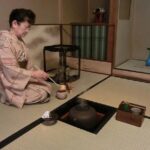
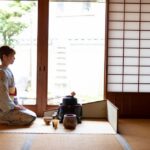
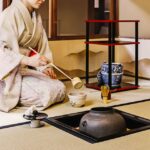
- The tea ceremony in a 100-year-old house: matcha, sweets, and a real method
- Tickets, transport, and timing: what’s handled for you (and what to watch)
- English support and group setup: how to get the most from the explanation
- Price and value: where the $169.90 really goes
- Who should book this Katsura + tea in kimono plan
- Should you book this tour?
- FAQ
- Where is the meeting point for this experience?
- What time does the tour start?
- How long does the experience take?
- Is this a private tour?
- What’s included in the price?
- Where does the tea ceremony take place?
- What do I drink and eat during the tea ceremony?
- Do I get help with the kimono and obi?
- Is there English support?
- Do I need good weather for the tour?
Key highlights to know before you go
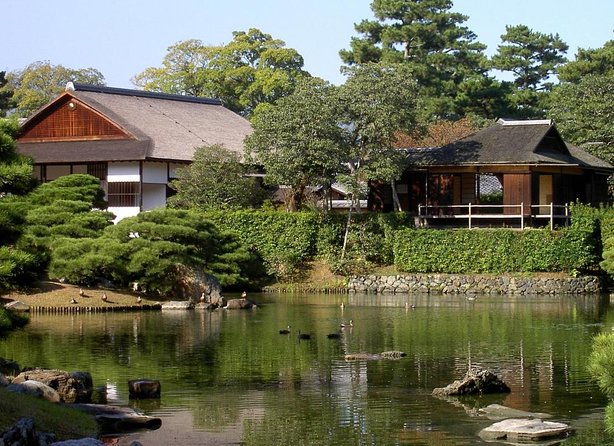
- Numbered Katsura admission handling: the tour’s plan is designed to secure limited same-day entry permissions.
- Antique kimono from the early Showa period: you don’t just wear a costume; you get coordinated dressing and obi guidance.
- Tea ceremony in a 100-year-old house: it’s held at the shop area, away from the city noise.
- Matcha and sweets are included: you’ll have 2 cups of matcha plus local Japanese sweets.
- Owner-led demonstration: the ceremony includes a demonstration in a quiet setting, with instruction on proper matcha steps.
- Short, timed day: about 3 hours, mobile ticket, and a pickup/drop-off loop between the store and Katsura.
How the day flows: kimono first, villa on a schedule, ceremony after
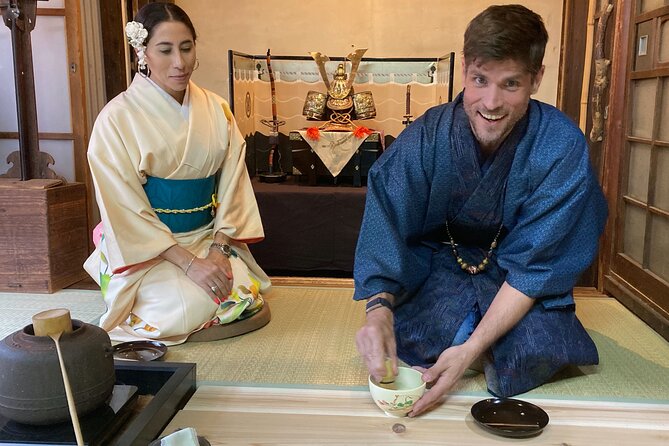
This is a tight, well-sequenced half-day that keeps the logistics from eating your energy. You start at the tea ceremony meeting point at 32-4 Katsuranozatochō, Nishikyo Ward, Kyoto, and the tour begins at 1:00 pm. From there, you get guided preparation for the kimono, then head out by car to Katsura Imperial Villa for your timed garden access.
The pacing matters because Katsura isn’t a “wander whenever” kind of place. Entry is limited to those with permission, and the gardens are viewed during limited hours. The tour’s whole pitch is that you don’t have to fight that system yourself. Once you’ve done the villa part, you return to the shop location for the tea ceremony, still in a quieter atmosphere than the busy city streets.
It’s also a private format for your group. That usually means less waiting around and fewer awkward moments when you can’t hear or don’t know where to stand—especially important when you’re in a kimono and everything feels a bit more formal.
You can also read our reviews of more tours and experiences in Kyoto.
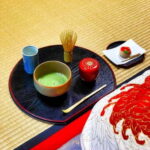
Katsura Imperial Villa: circular garden views and the Sukiya tea-house angle
Katsura Imperial Villa (Katsura Rikyu) was built in 1615 as an imperial villa, and one of its most famous features is its circular garden design. Even though it has been renovated multiple times, it has remained almost unchanged for about 400 years, which is why it’s often treated like a living time capsule of Japanese taste.
A key detail here is the focus on aesthetics. The villa is tied to the Japanese appreciation of beauty and the tea ceremony culture—so you’re not just looking at scenery. You’re looking at how architecture and garden design support a particular way of seeing and appreciating calm. The Sukiya-style tea house is part of that picture, linking the villa visit to the ceremony you do later.
Practical takeaway: you’ll get the best value if you go in with a slower mindset. This is the kind of place where standing still and letting the sightlines work on you is the point. The gardens are internationally acclaimed, and the layout is designed to feel like a composed sequence, not a random collection of “pretty spots.”
Also, the villa has an intellectual reputation beyond Kyoto tourism. It’s noted that German architect Bruno Taut praised the beauty of Katsura Imperial Villa—another reminder that this isn’t only local heritage; it’s admired internationally for design thinking.
Miyagawa Tokusaburo’s kimono dressing: antique details and obi guidance
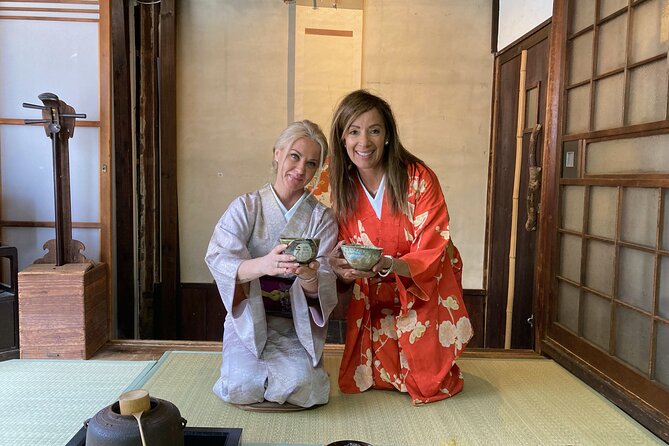
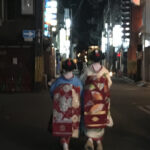
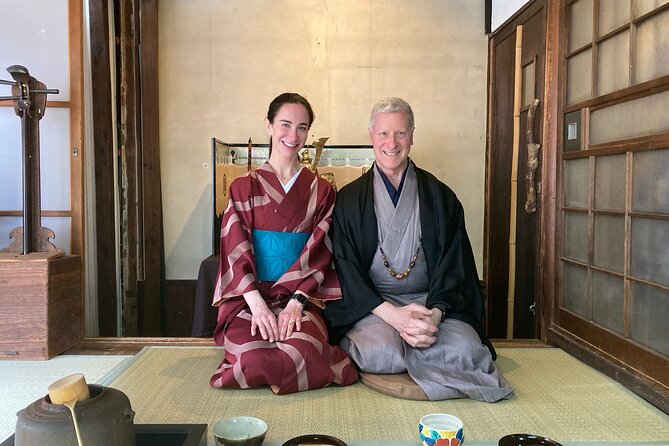
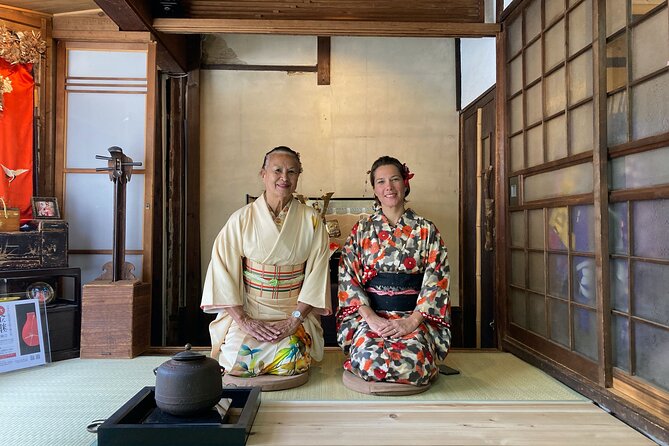
One of the most praised parts of this experience is the kimono portion, and you can feel why. You’re wearing a rare and valuable antique kimono from the early Showa period, and you also get help coordinating it properly. The fourth-generation owner, Miyagawa Tokusaburo, helps you select and coordinate the kimono and obi, and the store staff assists with dressing.
This is not a quick change-and-go. You learn about kimono design and you get real chances to ask questions about how kimonos work—especially because your time is centered around one expert (Tokusaburo) and not just a generic “here’s your rental, good luck” setup.
For me, the “value” of this part isn’t only the photos, even if the kimono makes anyone look a little more elegant. The value is that you understand the garment before you wear it. When you know what parts are doing their job and why certain looks are paired, the experience stops feeling like cosplay and starts feeling like cultural literacy.
One consideration: if you’re expecting a purely walk-and-sightsee tour with lots of movement, plan for more time spent in preparation and guidance than a typical sightseeing schedule. That time can feel like a lot if your main goal is only quick villa viewing.
The tea ceremony in a 100-year-old house: matcha, sweets, and a real method
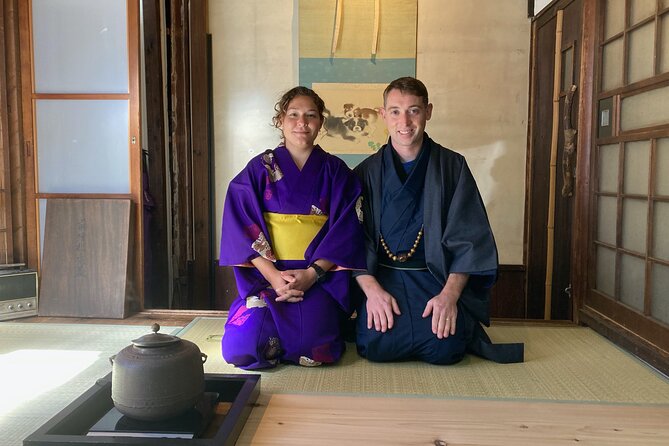
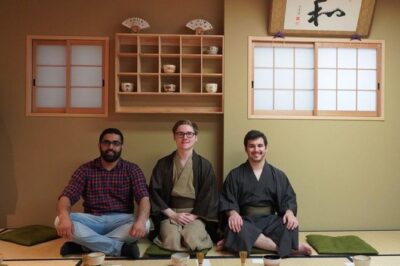
After the villa, you shift into a quieter scene at a traditional Japanese house that’s about 100 years old. The ceremony is held at the tour’s shop location, so you’re not dealing with the city crowd right before or after.
What you get is practical and structured:
- You’ll be served main sweets made by a local Japanese confectioner in Katsura, Kyoto.
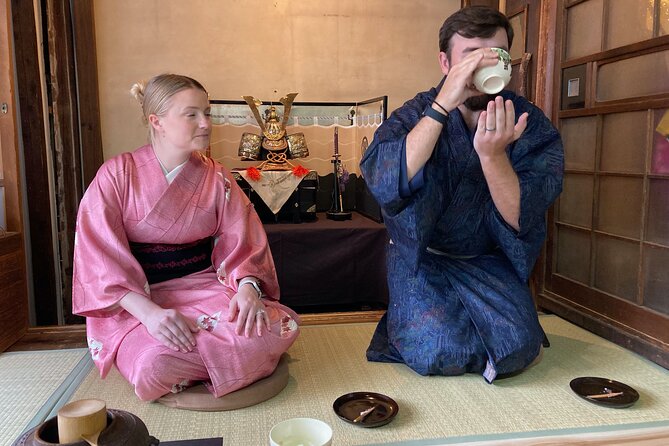
- You’ll have 2 cups of matcha tea.
- You’ll learn the proper way to drink matcha and also the method of preparing it.
You also get to watch the owner’s tea ceremony demonstration. That matters because tea ceremony isn’t only about the drink; it’s about rhythm—how actions relate to each other, and how attention is placed. Even if you’re not fluent in the finer cultural vocabulary, you’ll still understand the sequence because it’s shown to you step by step.
The antiques part also changes the tone. Wearing an early Showa kimono while learning matcha steps makes the whole practice feel more grounded. You’re not just sitting in a room; you’re participating in a designed atmosphere that matches what the tea ceremony is meant to be.
If you’re someone who likes hands-on learning, this part is a good fit. If you prefer purely conversational storytelling and not so much procedure, you might still enjoy it, but you’ll likely feel more satisfied if you’re open to doing what the host teaches.
Tickets, transport, and timing: what’s handled for you (and what to watch)
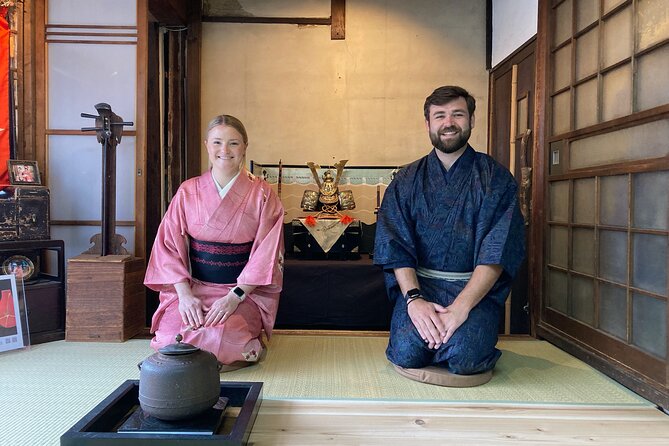
This is where the tour earns its “easy button” reputation. You get a mobile ticket, and the tour arranges same-day numbered admission for Katsura Imperial Villa. Since Katsura entry is limited and permission-based, that ticket handling is the difference between a smooth day and a stressful one.
Transport is also part of the value. The store is about 5 minutes by car from Katsura Imperial Villa, and you’re picked up and dropped off on the day of the tour. The owner of the store is also involved and is described as accompanying you during the tour.
One watch-out, based on what people report: the explanatory audio you hear at the villa may be delivered via pre-recorded headsets rather than a live, in-the-moment guide. If you’re the type who likes to ask follow-up questions during the garden walk, you may want to set your expectations before you go. The owner’s presence helps, but the villa narration itself may not be live the whole time.
My practical advice: if you care most about the visuals, you’re fine. If you care most about live Q and A, come ready with a few questions in advance and use breaks to ask.
English support and group setup: how to get the most from the explanation
English speaking service is available, and you’ll have guidance through the day. At the villa, your tour experience includes a group component led by a Japanese-speaking guide, while the owner helps escort you as well.
This split setup can be great if you don’t need constant private narration. You get to join the structure of the villa visit while still having support from Tokusaburo’s side. It can feel less great if you wanted a full one-on-one guide explaining every stop in English.
So here’s how I’d play it:
- Go in expecting a mix of support: owner help plus structured explanations.
- If audio is used in the villa, keep your headset volume comfortable and give the first few minutes your full attention. That’s when it’s easiest to sync up with what you’re seeing.
The ceremony itself is where you’ll likely feel the most personal instruction. The matcha steps and the demonstration give you a clear script to follow, and that’s easier to learn than garden history that depends on exact interpretation.
Price and value: where the $169.90 really goes
At $169.90 per person for about 3 hours, this isn’t a budget Kyoto experience. It’s priced like a “permission + culture workshop” package, not like a standard sightseeing ticket.
Here’s the honest way to judge value:
- Katsura entry is included, and the tour takes care of same-day numbered admission arrangement that’s limited.
- Round-trip transportation from the store is included.
- Your antique kimono rental fee and dressing are included.
- The tea ceremony fee includes matcha (2 cups) and Japanese sweets, plus instruction and a demonstration.
People sometimes compare package prices only against the gate admission and feel disappointed, because they realize the garden ticket itself isn’t the biggest part of the cost. That comparison misses what you’re paying for: coordination, permission systems, kimono rental/dressing, and a guided tea ceremony teaching format.
So, who gets the best value here? Someone who wants the full cultural experience: garden plus kimono plus tea practice, with the entry complexity taken off their plate. If you only want one of those pieces, you may be better off booking just the villa or just a tea class on its own.
There’s also a rating spread. The strongest praise clusters around kimono dressing and the tea ceremony experience with Tokusaburo. The most common frustrations center on how much the package costs versus what feels like the pacing/organization and how explanation is delivered. That doesn’t mean the experience is bad—it means your expectations should be aligned with a structured, premium cultural day rather than a free-flowing sightseeing tour.
Who should book this Katsura + tea in kimono plan
Book it if:
- You want Katsura Imperial Villa and you value not dealing with permission headaches.
- You’re interested in kimono culture beyond just wearing one for photos.
- You want hands-on learning for matcha—preparation and proper drinking steps.
- You like a quieter, slower format in a calm setting near Kyoto.
Skip it or reconsider if:
- Your budget is tight and you only care about the garden.
- You strongly prefer live, continuous English commentary at every stop.
- You want a long, high-energy itinerary with lots of different sights packed in.
This one is best for people who want quality and attention, even if it costs more than a typical entry ticket.
Should you book this tour?
I’d book it if you’re the type who enjoys cultural craft and doesn’t mind paying for coordination and instruction. The combination of numbered Katsura entry handling, dressing in an early Showa antique kimono with Miyagawa Tokusaburo, and a tea ceremony with matcha plus sweets is exactly the kind of “one organized day, done right” experience that’s hard to piece together on your own.
If you’re unsure, ask yourself one question: do you want the kimono-and-tea learning day as much as you want the villa? If yes, this is a smart choice. If not, you might get more satisfaction by booking only the villa or choosing a separate tea experience that fits your pace and budget.
FAQ
Where is the meeting point for this experience?
You meet at 32-4 Katsuranozatochō, Nishikyo Ward, Kyoto, 615-8073, Japan. The tour ends back at the same meeting point.
What time does the tour start?
The start time is 1:00 pm.
How long does the experience take?
The duration is approximately 3 hours.
Is this a private tour?
Yes. It’s listed as a private tour/activity, and only your group participates.
What’s included in the price?
Included are the antique kimono rental fee (including dressing), the tea ceremony experience fee with matcha and Japanese sweets, the same-day admission ticket arrangement fee for Katsura Imperial Villa, round-trip transportation between the store and the villa, and the Katsura Imperial Villa entrance fee.
Where does the tea ceremony take place?
The tea ceremony is held at the tour’s shop location near Katsura Imperial Villa.
What do I drink and eat during the tea ceremony?
You’ll be served 2 cups of matcha tea and Japanese sweets made by a local confectioner in Katsura, Kyoto.
Do I get help with the kimono and obi?
Yes. You’ll select and wear an antique kimono and obi with guidance from the owner, Miyagawa Tokusaburo, and the store staff helps with dressing.
Is there English support?
English speaking service is available.
Do I need good weather for the tour?
Yes. The experience requires good weather. If it’s canceled due to poor weather, you’ll be offered a different date or a full refund.