REVIEW · KYOTO
Kyoto Tea Ceremony & Kiyomizu-dera Temple Walking Tour
Book on Viator →Operated by MagicalTrip Inc. · Bookable on Viator
That first uphill walk sets the tone. Kyoto’s Kiyomizu-dera brings a serious UNESCO wow-factor, and the included tea ceremony gives you a calm reset after the sightseeing. I also like how the schedule bundles temple views, Kyoto street flavor, and worship at Otowa Waterfall into a tight 3-hour plan. One thing to think about: snacks aren’t guaranteed allergy-free, and dietary substitutions may not be possible.
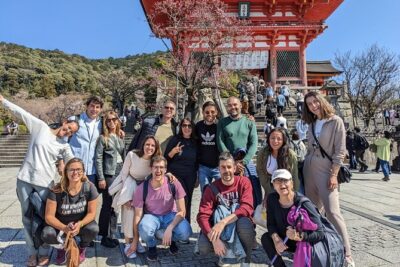
This is a small-group tour capped at 6 people, starting at Yasaka Shrine and ending back where you began. With a local guide like Hide, you get more than photos—you get explanations that connect Shinto sites, Buddhist practice, and the everyday rhythm of Higashiyama. You’ll still do some walking on slopes, so pack comfortable shoes and plan to take your time.
In This Review
- Why This Tour Works: Kiyomizu-dera + Tea Without the Map Headache
- Kiyomizu-dera and Otowa Waterfall: the big payoff in your 3 hours
- The view from the wooden stage
- Yasaka Shrine meet-up and the first photo stop
- Walking the Kiyomizuzaka lanes: shortcuts, souvenirs, and old-Kyoto vibes
- Where the “pilgrimage slope” shows up
- Sannenzaka and Ninenzaka: watch your step, and hear the legends
- Tea ceremony and matcha: the calm part you’ll remember
- What makes the guide matter: Hide, Shinto and Buddha talk, and even dad jokes
- Price and value: is $109.39 a good deal?
- Practical tips so your day feels easy (not stressful)
- Who this Kyoto tour suits best
- Should you book this Kyoto Tea Ceremony & Kiyomizu-dera Tour?
- FAQ
- How long is the Kyoto Tea Ceremony & Kiyomizu-dera Temple Walking Tour?
- What’s included in the $109.39 price?
- Where does the tour meet, and when does it start?
- Is this a small-group tour?
- Are children allowed?
- Can I get a full refund if I cancel?
Why This Tour Works: Kiyomizu-dera + Tea Without the Map Headache
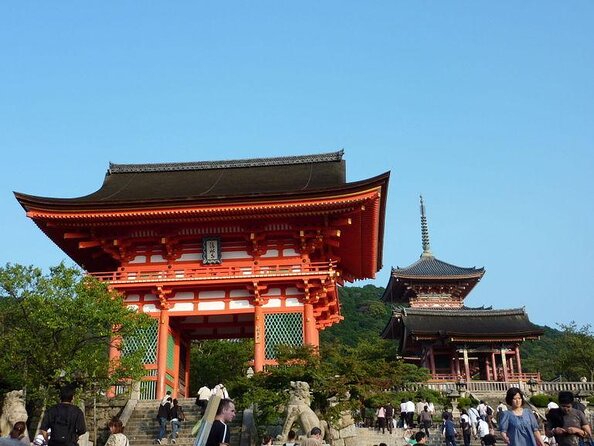
Kyoto has temples on top of temples, which is exactly why a guided plan helps. This tour takes you to Kiyomizu-dera, one of Kyoto’s most famous sights, and then fills the gaps with the details that make it make sense—what you’re looking at, why it matters, and how locals see it.
The best part is the pacing. You’re not sprinting from one place to another with a megaphone crowd. It’s structured, but still human: you walk through iconic streets like Kiyomizuzaka, pause for views, and then slow down with tea and small bites.
Kiyomizu-dera and Otowa Waterfall: the big payoff in your 3 hours
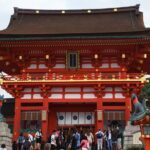
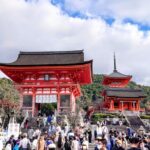
The headline is Kiyomizu-dera Temple, a UNESCO World Heritage site reached via the slopes of Higashiyama. The tour focuses on the main worship area and the famous viewpoint you see on postcards for a reason: it’s high, open, and made for looking out over Kyoto.
You’ll hear the story behind the site and the name. Kiyomizu-dera is tied to Otowa Waterfall, and the temple’s name connects to the pure water of the falls. That link matters because the viewpoint isn’t just scenery. It’s part of a ritual landscape where people come to pray, not just to take pictures.
Then comes Otowa Waterfall itself. The water is split into three separate streams, and visitors choose one stream using a long-pole cup. Each stream is associated with a different kind of good fortune. It’s a simple act, but it’s also a rare moment where you’re doing something cultural rather than just watching it.
You can also read our reviews of more walking tours in Kyoto

The view from the wooden stage
Kiyomizu-dera includes the wooden stage area about 13 meters above the ground. That height gives you the kind of layered perspective Kyoto is famous for—trees and rooftops, with the city spreading out in the distance. The tour highlights this viewpoint specifically because it’s the best “stand here and understand why people care” moment.
Yasaka Shrine meet-up and the first photo stop
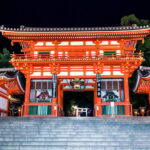
You start at Yasaka Jinja Nishiromon Gate (Western Tower Gate). It’s a clear landmark, but it’s still Kyoto, so I’d give yourself buffer time. One useful detail from real-world experience: the meeting point can be a quick puzzle if you arrive late or wander a side street. Once you find the group, everything clicks.
Early on, the tour also includes a photogenic spot stop. This is the kind of brief pause that helps you get oriented before the walking ramps up. It’s not about wasting time; it’s about capturing the right angle before you head into the busiest temple approach lanes.
Walking the Kiyomizuzaka lanes: shortcuts, souvenirs, and old-Kyoto vibes
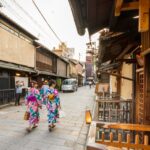
From Yasaka Shrine you’ll move into the Kiyomizuzaka area, a network of streets with a traditional look and lots of small shops. This part is why I like guided walking tours here: a guide can point out how the street layout supports the temple pilgrimage, not just where to buy things.
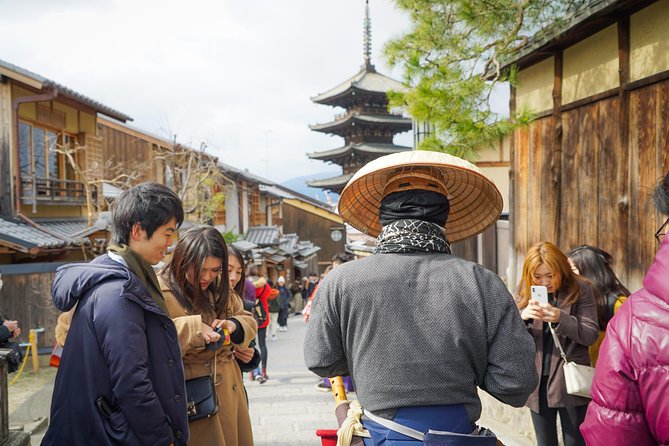
Along Kiyomizuzaka you pass old-style teashops, Japanese sweets shops, and stalls selling traditional sundried food. The street also plays into the geisha district atmosphere nearby, where you may see Maiko and Geisha moving through the area as part of the scene. Even if you don’t, the streets still feel like Kyoto from a storybook—wood, signage, and slopes that slow you down.
The tour route also includes Yasakakoshindo, described as one of the more colorful temple stops in the area. It’s a nice breather from the main “temple-monument” focus, and it helps you read the neighborhood as part of the worship journey.
Where the “pilgrimage slope” shows up
As you approach Kiyomizu-dera, you’ll pass by the Kiyomizu-zaka street route. The approach is about a 1-km pilgrimage stretch that starts where Matsubara-dori crosses Higashioji-dori. You’ll hear how this was once tied to Heian-kyo’s southern thoroughfare. That old-city context turns the walk from a stroll into a route with meaning.
You might find the slope quiet at times, but the shops ramp up near where it joins Gojozaka and Sannenzaka. That’s where you’ll see lots of Kyoto souvenirs—pickles, yatsuhashi, and more. There’s even a Kiyomizu doll store in front of the temple gate, which makes a fun “we’re here” checkpoint photo.

Sannenzaka and Ninenzaka: watch your step, and hear the legends
After Kiyomizu-dera, the tour passes by Sannenzaka and Ninenzaka nearby. These lanes are famous not only for their historic feel, but for the legends attached to their steep steps.
Sannenzaka’s story is told in two layers. One version says the name comes from timing tied to Daido 808—opened in the 3rd year of Daido, depending on the theory. The more dramatic tale is the warning about falling. The legend says that if you fall down Sannenzaka, you’ll die within three years, or your lifespan will be shortened by three years. It’s an urban legend that gained popularity in the mid-Edo period, and it’s linked to an old burial-ground story involving Toribeno.
The point for you isn’t to worry about myths. It’s to understand why Kyoto keeps repeating the same practical message: watch your step on these slopes, because the street shapes how you move.
Tea ceremony and matcha: the calm part you’ll remember
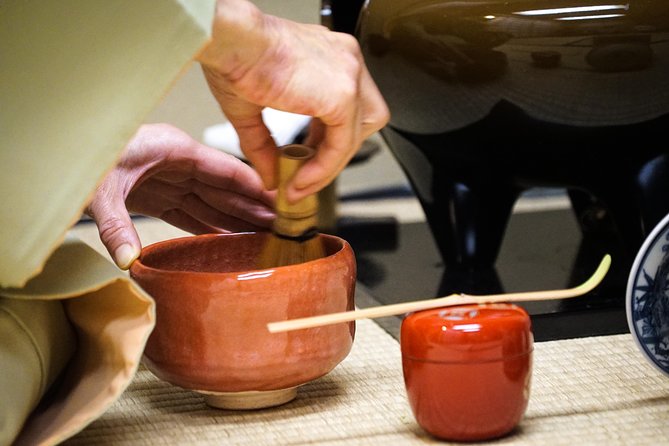
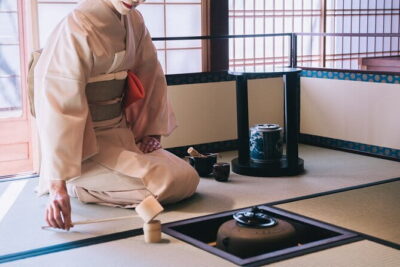
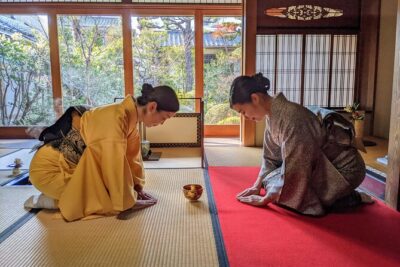
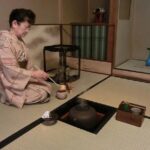
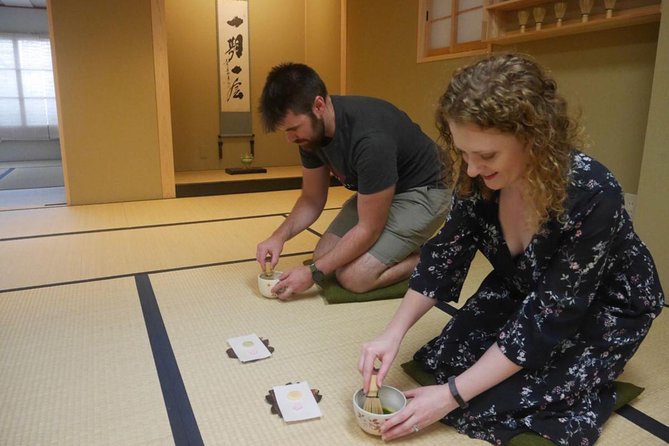
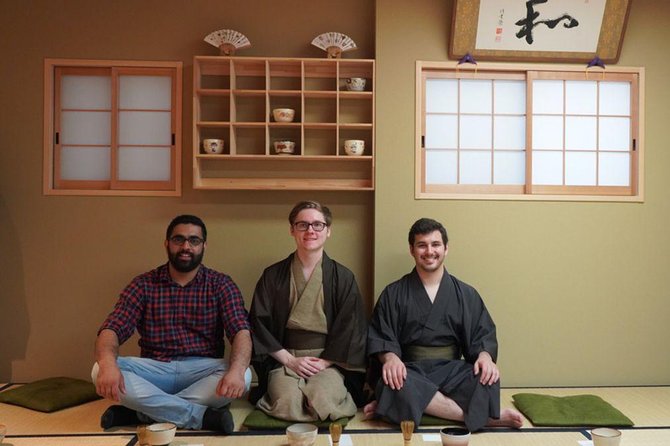
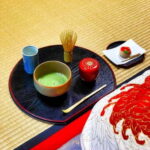
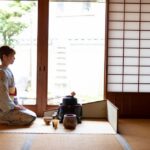
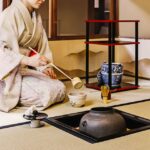
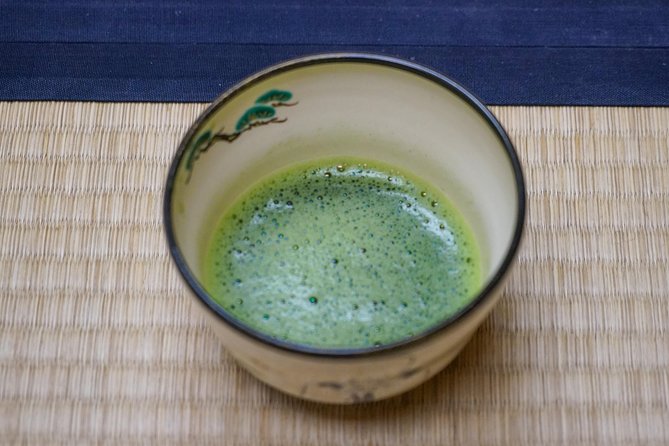
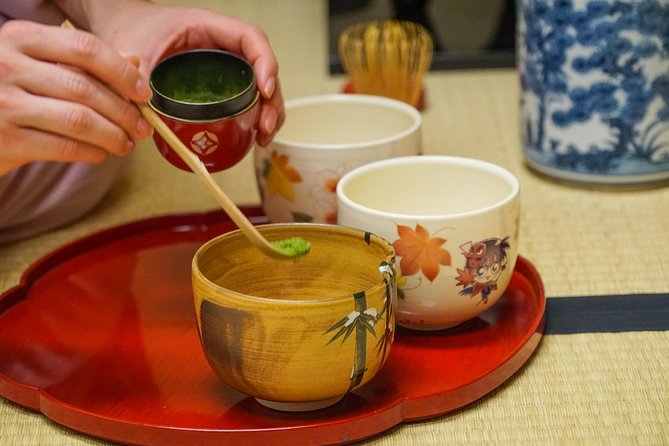
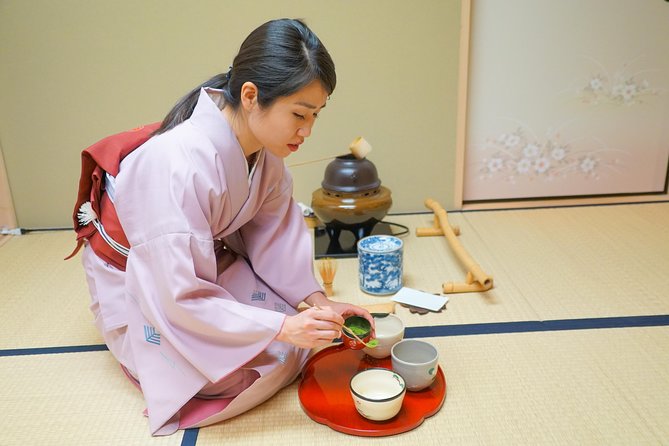
After temple walking, you get the tea ceremony experience and matcha (green tea), plus a few snacks. This is one of the best “balance” moves in the itinerary. Kiyomizu-dera is spectacular and busy; tea gives you a slower pace and a chance to reset your attention.
In the tea segment, the experience includes formal tea setup and instruction. I like this kind of guided cultural activity because you’re not stuck guessing what you’re seeing. You learn the rhythm and the basic formalities, and the setting usually makes it easier to be present instead of constantly checking your phone.
The tea ceremony host is named Haruki, and that name matters here because the vibe is described as sweet and entertaining. That combination—calm + personable—is exactly what you want in a cultural activity. One of the most praised aspects of the tour is how relaxing the ceremony feels, like a pocket of quiet you can carry with you for the rest of the walk.
What makes the guide matter: Hide, Shinto and Buddha talk, and even dad jokes
A guided tour in Kyoto can either feel like a script, or it can feel like a conversation. This one leans toward the second option, especially if your guide is Hide.
Hide is described as friendly and full of context. He explains how Shinto and Buddhism show up around the sites you’re visiting, so the temples feel less like random buildings and more like part of an ongoing spiritual pattern. That’s a big deal on a first visit, because Kyoto can overwhelm your brain with details.
There’s also a lighter side. Hide jokes about baseball, including dad-joke energy, which sounds odd until you’re tired from walking. Then it’s just human. That humor can take the edge off crowds and long slopes.
Price and value: is $109.39 a good deal?
At $109.39 per person, this tour isn’t the cheapest way to see Kiyomizu-dera. But it also isn’t just a route with a guide. You’re paying for several items that add up fast on your own:
- Kiyomizu-dera entrance fee is included
- A tea ceremony experience plus matcha is included
- Snacks and a few food samplings are included
- Photos are included during the tour
- A local guide runs the full ~3-hour plan
- It’s a small-group experience capped at 6 people
If you tried to replicate this solo, you’d likely spend time piecing it together: buying tickets, figuring out where the tea ceremony fits, and losing the “why this spot” explanations. Here, the tour does that work for you, and it keeps the walking route efficient.
The value question comes down to your style. If you love independent wandering, you might find you prefer a self-guided day. If you like structure plus cultural context, this price starts to feel fair.
Practical tips so your day feels easy (not stressful)
A few practical notes matter on this route:
- Wear shoes that handle slopes and steps. Sannenzaka and Ninenzaka are steep enough that you’ll feel it.
- Bring water and a hat in summer. Kyoto gets hot and humid, and this tour specifically recommends heat protection.
- If you have allergies or strict dietary needs, plan carefully. The tour notes you can’t guarantee allergy-free foods, and substitutions may not always be possible.
- Give yourself extra time to find the meeting gate at Yasaka Shrine. The start point is specific, and once you’re there the tour is smooth.
Also, the tour uses a mobile ticket. That’s convenient because you’re not hunting for paper vouchers while you’re walking.
Who this Kyoto tour suits best
This tour fits best if you want:
- A guided way to see Kiyomizu-dera without map stress
- A cultural activity that isn’t only sightseeing
- A small group (max 6) instead of a large crowd march
- A calmer, structured morning start with a 9:00 am departure
It might be less ideal if you’re traveling with a very young child, since children under 6 aren’t allowed. It’s also not the right call if you need guaranteed allergy-free meals, since the snacks come from kitchens not associated with the tour provider and dietary restrictions aren’t guaranteed.
Should you book this Kyoto Tea Ceremony & Kiyomizu-dera Tour?
Yes, I think you should book it if you’re doing Kyoto for the first time and you want Kiyomizu-dera plus a meaningful cultural stop in one go. The strongest reasons are the combination: the temple viewpoint and Otowa waterfall worship, paired with a tea ceremony that actually slows the day down.
I’d hesitate only if your main goal is “maximum self-exploring time” or if dietary allergies are a serious issue for you. Otherwise, it’s a well-shaped day plan: you get the iconic sights, the story behind them, and a guide like Hide who keeps the walking interesting, even when the route is steep.
FAQ
How long is the Kyoto Tea Ceremony & Kiyomizu-dera Temple Walking Tour?
The tour lasts about 3 hours.
What’s included in the $109.39 price?
The price includes Kiyomizu-dera entrance fee, a tea ceremony experience, matcha (green tea), snacks (a few food samplings), photos during the tour, and 3 hours with a Kyoto local guide.
Where does the tour meet, and when does it start?
You meet at Yasaka Jinja Nishiromon Gate (Western Tower Gate) at 9:00 am. The tour ends back at the meeting point.
Is this a small-group tour?
Yes. The activity has a maximum of 6 travelers.
Are children allowed?
Children under 6 years old are not allowed on this tour.
Can I get a full refund if I cancel?
Free cancellation is available up to 24 hours in advance for a full refund. If you cancel less than 24 hours before the start time, the amount paid isn’t refunded.