REVIEW · KYOTO
The Award-Winning PRIVATE Food Tour of Kyoto: The 10 Tastings
Book on Viator →Operated by Withlocals · Bookable on Viator
Kyoto tastes best with a guide. This private tour turns ten local bites into a smooth 3-hour walk, with temple garden and Hanamikoji street views worked in between.
What I like most is the way the stops feel practical, not staged. You get 10 food and drink tastings chosen for local favorites, and you also get city highlights so the walking has meaning.
The second big win is customization. If you’re vegetarian (or have other dietary needs), you can message your host in advance and adjust what you’ll taste.
One thing to consider: like many private food experiences, your enjoyment can hinge on your host’s style and pace. If you’re picky about photos, or you want lots of deep commentary on food history, it’s smart to ask what the flow will feel like for you.
In This Review
- Key Points at a Glance
- Entering Kyoto’s Food Loop in 3 Hours
- Price and What $207.79 Buys You (Value, Not Just Cost)
- Meeting Point and Walking-Only Logistics You Should Know
- Stop 1: Your Host’s First Tastings Around Kyoto (and Custom Options)
- Stop 2: Kennin-ji Temple Garden for Gyoza and Japanese Pepper Ice Cream
- Stop 3: Nishiki Tenmangu Shrine Snacks and Local-Favorite Stops
- Stop 4: Hanamikoji Street and Kyoto Highlights Between Bites
- Dietary Needs: How to Make Customization Actually Work
- Guide Matters: The Difference Between a Good and Great Food Walk
- What the Tastings Feel Like in Practice (Not Just the Menu)
- Comfort, Pace, and How to Set Expectations
- Should You Book This Kyoto Food Tour?
- FAQ
- Is this a private food tour?
- How long is the Kyoto food tour?
- What happens on the tour?
- Can the tastings be adapted for dietary requirements?
- Are entrance tickets included for the sights?
- Where is the meeting point?
- Is there hotel pickup or drop-off?
- What is the cancellation policy?
Key Points at a Glance
- Private and only for your party: skip the crowd rhythm and eat at your pace
- 10 tastings in about 3 hours: a tight loop that keeps you moving without feeling rushed
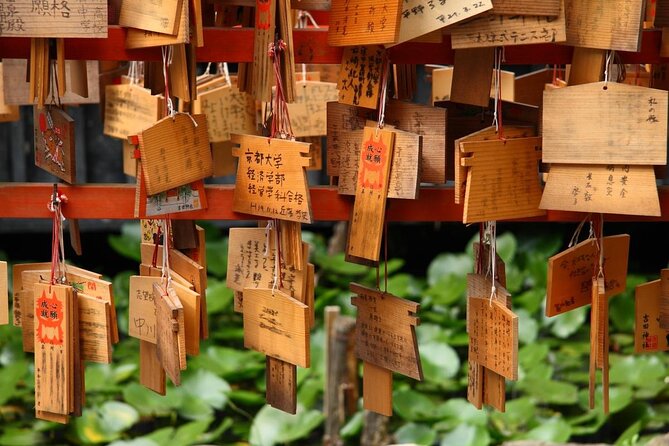
- Temple and shrine stops: Kennin-ji Temple Garden and Nishiki Tenmangu Shrine add Kyoto context
- Hanamikoji Street included: food plus a classic Gion-area street scene
- Dietary alternatives are built in: vegetarian options are offered if you message the host
- Carbon-neutral style: the experience is listed as sustainable and carbon neutral (B-Corp)
Entering Kyoto’s Food Loop in 3 Hours
Kyoto has a way of making food feel like part of the scenery. The trick is sampling enough variety without getting lost in the logistics. This tour is built for that sweet spot: about 3 hours of walking and tasting, with 10 food and drink tastings in the middle of real Kyoto locations.
I like how the structure is simple. You start near the Kyoto Mitsui Building area, you walk from stop to stop, and the tour rhythm naturally alternates between eating and short sightseeing breaks. That matters in Kyoto, where restaurant choices can be confusing on your first day and lines can eat up your time fast.
Because it’s private, you’re not bargaining for attention while you share a guide with ten other people. If your group wants to slow down for photos, ask extra questions, or keep moving to catch dinner plans, you can do that.
You can also read our reviews of more food & drink experiences in Kyoto

Price and What $207.79 Buys You (Value, Not Just Cost)
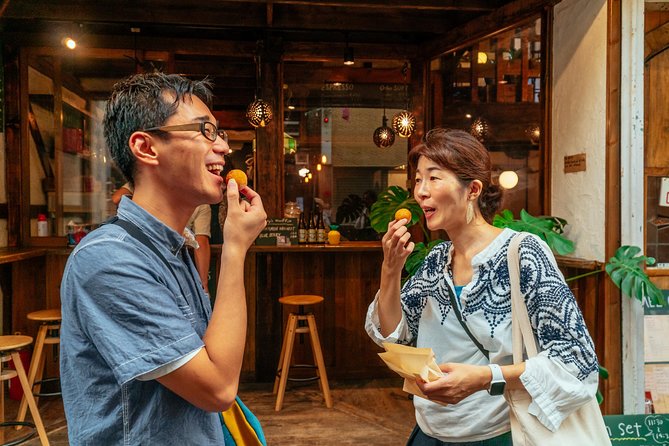
At $207.79 per person, this isn’t the cheapest way to eat in Kyoto. So the question isn’t what the tour costs. The question is what you avoid.
What you’re paying for is:
- Private hosting for your party, not a mixed group shuffle
- 10 tastings chosen in advance, so you’re not guessing what’s worth ordering
- Diet-friendly planning, including vegetarian alternatives
- A multilingual local foodie guide who can steer you to local favorites
Kyoto street food can look affordable one bite at a time. But if you want ten different stops without wasting energy on menus, payment systems, or questionable choices, the “time cost” is real. This tour trades money for smooth decision-making.
Also, the tour is described as carbon neutral and sustainable (B-Corp). That’s not a reason by itself to book, but it’s a nice confirmation that the provider is thinking beyond just the transaction.
Meeting Point and Walking-Only Logistics You Should Know
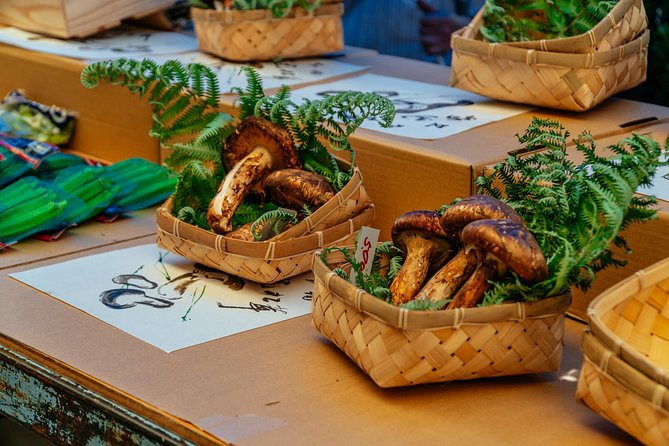
You meet at SMBC Trust Bank Kyoto Branch, Kyoto Mitsui Building 1F, Shimogyo Ward (Naginatabokochō area). The tour ends right back at the same meeting point.
Two practical notes:
- There’s no hotel pickup or drop-off. You’ll start and finish at the meeting spot.
- You’ll visit sights mainly from the outside. Entrance tickets to attractions aren’t included, which keeps the schedule tight.
Because the meeting point is near public transportation, it’s pretty easy to plug this into your day. You can do it before dinner or before a temple stroll. Just keep in mind you’ll likely eat a lot, so plan a light meal afterward.
Stop 1: Your Host’s First Tastings Around Kyoto (and Custom Options)
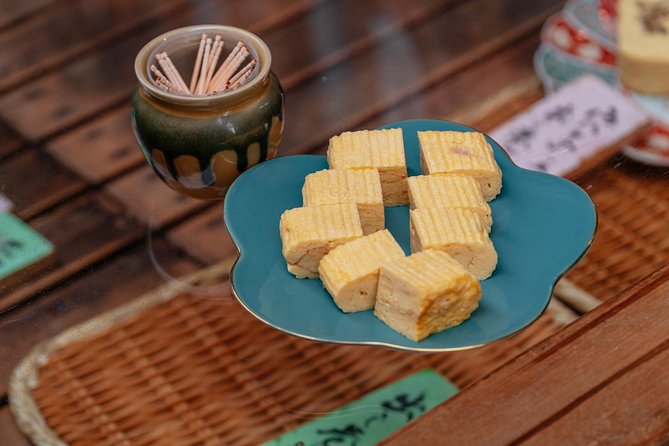
Stop 1 is the core “10 tastings” section, roughly 1 hour. This is where your local host starts the tastings, and where you feel the tour’s flexibility.
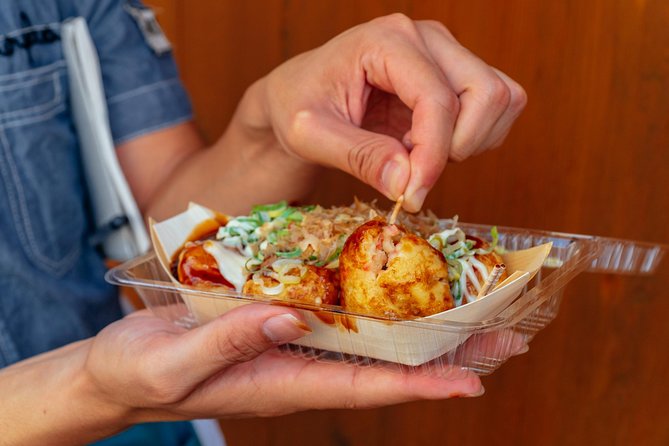
The tour is designed around local favorites across savory snacks and sweets. The outline specifically points to classics like gyoza and takoyaki, plus desserts such as Japanese pepper ice cream. That mix matters because it gives you a full flavor map, not just one category of food.
The biggest practical advantage here is the customization promise. The experience offers vegetarian alternatives, and you’re asked to message your host about dietary requirements. In real terms, that means you should be able to avoid the classic problem of standing in a market and hoping a vendor can adjust for you.
If your group is adventurous, a good host will lean into Kyoto specialties you wouldn’t casually order on your own. If your group is cautious, a good host should steer toward safer, familiar flavors first, then expand gradually.
Stop 2: Kennin-ji Temple Garden for Gyoza and Japanese Pepper Ice Cream
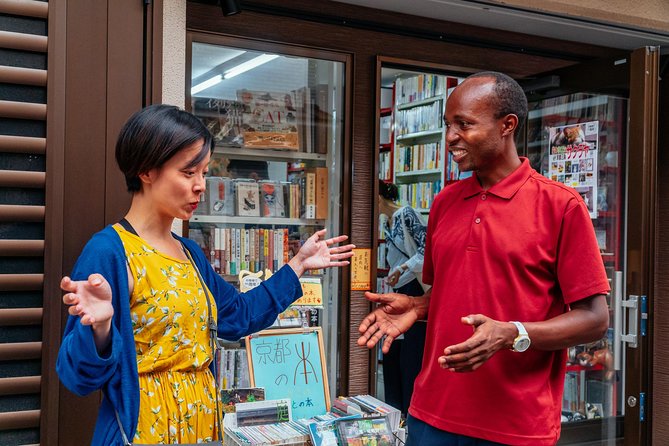
Next comes Kennin-ji Temple Garden for about 30 minutes. This is where Kyoto’s food and place start to feel linked.
Two specific tastings are highlighted for this stop:
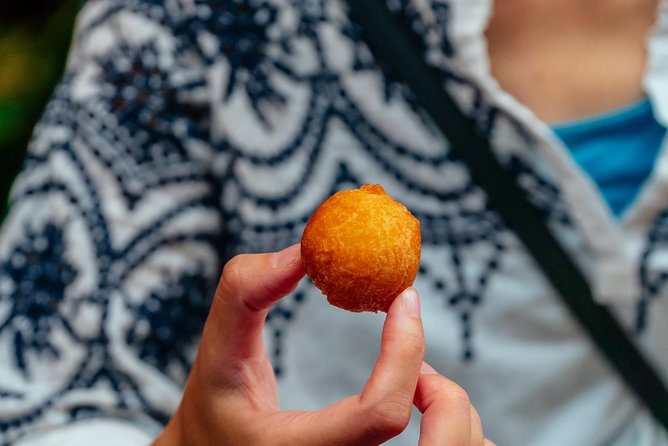
- Gyoza (often described as a gyoza stick style tasting)
- Japanese pepper ice cream
That pepper ice cream is the kind of item that can split opinions. But that’s also why it’s great for a guided tasting. Your host can help you understand what you’re tasting and how to think about the flavor. Sanshō (Japanese pepper) tends to bring a bright, slightly numbing spice note, which can work surprisingly well against cold sweetness.
A small trade-off: since the tour visits from the outside and uses set stop times, you’re not turning this into a long temple hang. Instead, it’s a short, scenic pause where you eat and reset before the next market/shopping area.
You can also read our reviews of more tours and experiences in Kyoto
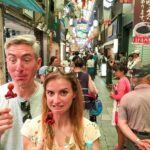
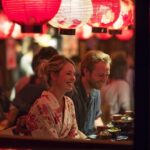
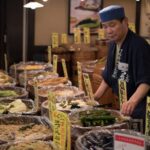
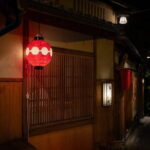
Stop 3: Nishiki Tenmangu Shrine Snacks and Local-Favorite Stops
Stop 3 is Nishiki Tenmangu Shrine, again about 30 minutes. If Kennin-ji is the calmer “setting” stop, this one is more about tasting Kyoto’s snack culture.
The tour description frames this stop as a way to try “locals’ favorites” and unique Kyoto treats selected by your host. This is also where you’ll likely get the most variety across the remaining tastings, because the tour is aiming to hit both savory and sweet before finishing up.
In past tour experiences with guides like Guia and Eiji, the food pacing and vendor choices tended to focus on long-running market culture. One host style you might see is prioritizing foods and vendors with strong continuity in the market scene, not just the newest stalls. That’s not guaranteed, but it’s a good direction to ask your guide about if vendor history matters to you.
Stop 4: Hanamikoji Street and Kyoto Highlights Between Bites
Then you shift into Hanamikoji Street for about 1 hour. This stop is explicitly framed as cultural, not just food.
Why it works: Hanamikoji is one of those Kyoto streets where the scenery helps you understand why people travel here in the first place. So the tour doesn’t treat eating like a break from sightseeing. Instead, it pairs bites with a sense of place.
The tour also notes that between food stops, you’ll see city highlights and get personalized recommendations for the rest of your trip. That’s practical value. You’re leaving with ideas for what to do next, not just a bag of snacks.
There’s also a useful flexibility note: depending on your route, some additional stops may appear, and the host might adjust timing. If you have preferences, it’s worth telling your guide early in the walk so they can structure your path.
Dietary Needs: How to Make Customization Actually Work
The tour explicitly offers vegetarian alternatives, and asks you to message your host about dietary requirements. That’s a great foundation, but your part matters too.
Here’s how to get the best result:
- Send dietary info clearly before the tour
- Mention what to avoid (for example: seafood, eggs, dairy)
- Tell your host how strict you want substitutions to be
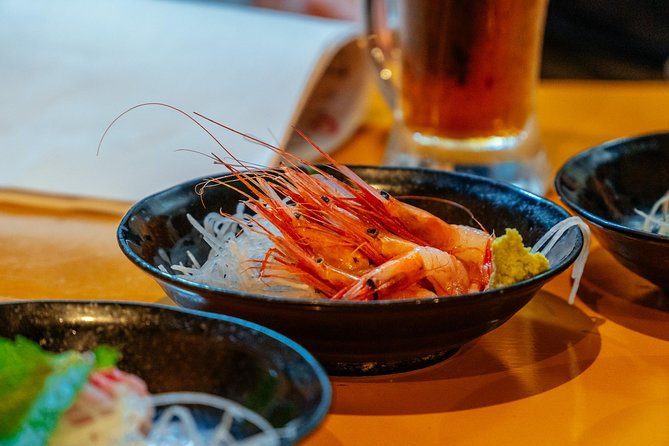
One of the stronger patterns in the tour experience is that hosts can adapt. For example, pescatarian requests were handled by one host (Hariko), and other groups were able to balance seafood lovers, meat eaters, and vegetarians on the same tour.
Even so, don’t assume every food stop has a perfect match. Market-style tastings often use common ingredients, and substitutions can vary. If your needs are strict, tell your host and ask how they’ll handle it before the first tastings begin.
Guide Matters: The Difference Between a Good and Great Food Walk
This tour is private, so the guide is a bigger deal than on a group tour. You can feel the difference in pacing, clarity, and how much effort goes into tailoring.
In the best versions of this experience, hosts like:
- Ryuki have been praised for understanding adventurous eaters and steering toward real Kyoto food choices
- Guia has been praised for pacing that works for different people and for sharing food-and-market context while navigating Nishiki
- Ted has been praised for flexibility and for sharing lots of detail tied to the market stops
- Eiji has been praised for adapting when routes change, including making alternative plans if you’ve already seen a nearby area
- Yoshihiro has been praised for helping groups traverse the market during crowded times
Now, the reality check. One negative experience highlighted two issues to watch for:
1) The guide consulted a phone instead of answering food questions directly.
2) There were odd rules about photos and a spending envelope that limited what the group tasted.
I can’t promise those issues won’t ever happen, because every host is different. But you can prevent a lot of trouble by asking early questions like:
- What’s the photo plan for the tour?
- How are tastings handled if we want to add or swap anything?
- How do you decide what we’ll try based on our preferences?
If you care about these points, bringing them up at the start can save your afternoon.
What the Tastings Feel Like in Practice (Not Just the Menu)
The tour description gives examples, but the real experience is how the tasting “flows.”
A few things you can expect based on how the tour is described and how it’s been delivered:
- You’ll cover savory bites first, then move toward sweets
- The tasting list is built around Kyoto favorites rather than a theme park-style checklist
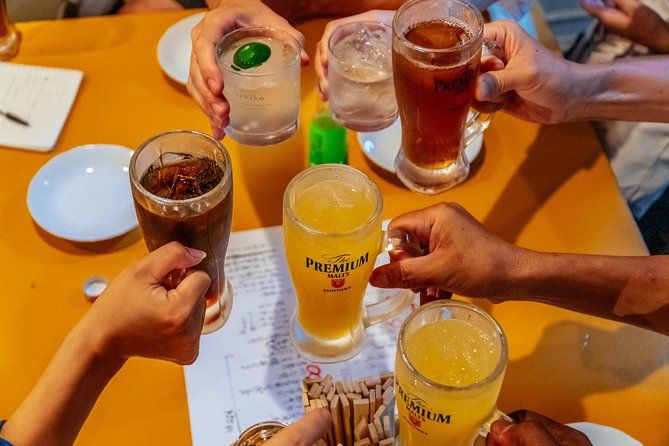
- Expect a mix of snack formats (sticks, small portions) that are easy to walk with
In sample guide-led variations, groups have tried items like sushi, tempura-style omelette, wagyu skewers, matcha ice cream, and even more unusual market foods. The exact spread depends on your host’s plan and the route they choose.
The key is that this isn’t just tasting one stall. It’s built around moving through Kyoto’s food zones while someone explains what makes the choices worth your time.
Comfort, Pace, and How to Set Expectations
This tour is about short stops and walking. That’s part of the value, but it also means you should set expectations.
A few practical tips:
- Wear comfortable shoes. You’ll be on your feet for most of the 3 hours
- Bring a light layer if you’re doing it in cooler months
- If your group has mobility limits, tell the guide early so they can pace the route
Also, remember the tour visits attractions from the outside, so you’re not getting long temple time blocks. If you want temple interior time, you’ll need to plan that separately.
If you like lots of conversation about food culture, pick a guide who seems chatty and ask questions early. If you want more guided eating and less talk, you can steer the pace that way too.
Should You Book This Kyoto Food Tour?
Yes, I think it’s a smart booking if you want a guided, high-variety food afternoon without planning five different stops yourself.
Book it if:
- You want 10 tastings and a host-driven plan
- You have diet needs (especially vegetarian) and want real options
- You’re on a tight schedule and want food plus Kyoto highlights in one run
- You’d rather spend money to avoid market trial-and-error
Skip it (or switch plans) if:
- You hate rules around photos or tasting limits and need total freedom
- You want a deep, long-form food lecture at each stop, not a short “eat, learn a bit, move on” style
- You’re the type who wants to pick your own stalls independently and go stall-by-stall for hours
My final practical thought: pick a time when you’re ready to walk and taste, not rush. Then use the first few minutes to align with your host on pace, photos, and dietary needs. When that part clicks, this tour turns into one of those afternoons you remember for the specific bites and the specific places they came from.
FAQ
Is this a private food tour?
Yes. It’s a private tour where only you and your local guide participate, and your guide is multilingual.
How long is the Kyoto food tour?
The duration is approximately 3 hours.
What happens on the tour?
You’ll enjoy 10 food and drink tastings, with city highlights between food stops.
Can the tastings be adapted for dietary requirements?
Vegetarian alternatives are offered, and you should message your host to advise of any dietary requirements.
Are entrance tickets included for the sights?
No. Entrance tickets to attractions are not included, and the tour visits attractions from the outside.
Where is the meeting point?
The start point is SMBC Trust Bank Kyoto Branch, Kyoto Mitsui Building 1F, Shimogyo Ward, Naginatabokochō, Kyoto.
Is there hotel pickup or drop-off?
No. Hotel pickup and drop-off are not included.
What is the cancellation policy?
Free cancellation is available up to 24 hours in advance of the experience for a full refund.
If you want, tell me your group size and dietary needs, and I’ll suggest the best way to message your host before you go.