REVIEW · KYOTO
Kyoto: Discover the Oldest Geisha District, Kamishichiken
Book on GetYourGuide →Operated by DeepExperience, Inc. · Bookable on GetYourGuide
Kyoto’s oldest geisha district is tiny. This 90-minute guided walk through Kamishichiken feels like stepping into a quieter Kyoto, anchored by a visit to Kitano Tenmangū Shrine, which played a role in the district’s creation. I like how the tour links shrine history to the street life you see afterward, not just random sights.
I also love the physical pacing: it’s a short, controlled walk focused on one preserved area—about a 400-meter street lined with traditional latticework townhouses. The main consideration: the tour isn’t suitable for wheelchair users, so wear good shoes and expect real walking on local paths and streets.
In This Review
- Key Points You’ll Care About
- Why This Tour Starts at 一の鳥居 (First Torii Gate)
- Kitano Tenmangū Shrine: Cultural Assets and Seasonal Scenes
- What to look for (so your brain doesn’t wander)
- Kamishichiken’s 400-Meter Street: A Preserved Townscape Walk
- Why this walk feels different than big city tours
- Where Geiko and Maiko Fit Into the District
- The Role of a Shrine in a District’s Creation
- Guide Quality: Getting Interactive Help Without Feeling Rushed
- If you want the most from your guide
- Price and Value: Is $30 Worth 90 Minutes?
- Meeting Point, Timing, and How to Plan Your Day
- A note on dango
- Practical Tips for a Smooth Kamishichiken Walk
- Who This Tour Suits Best
- Should You Book This Kamishichiken Tour?
- FAQ
- FAQ
- How long is the Kamishichiken tour?
- Where do I meet the guide?
- What is included in the tour?
- What languages are available for the guided tour?
- Is this tour private or group-based?
- Is there any food involved?
- Is the tour wheelchair accessible?
Key Points You’ll Care About
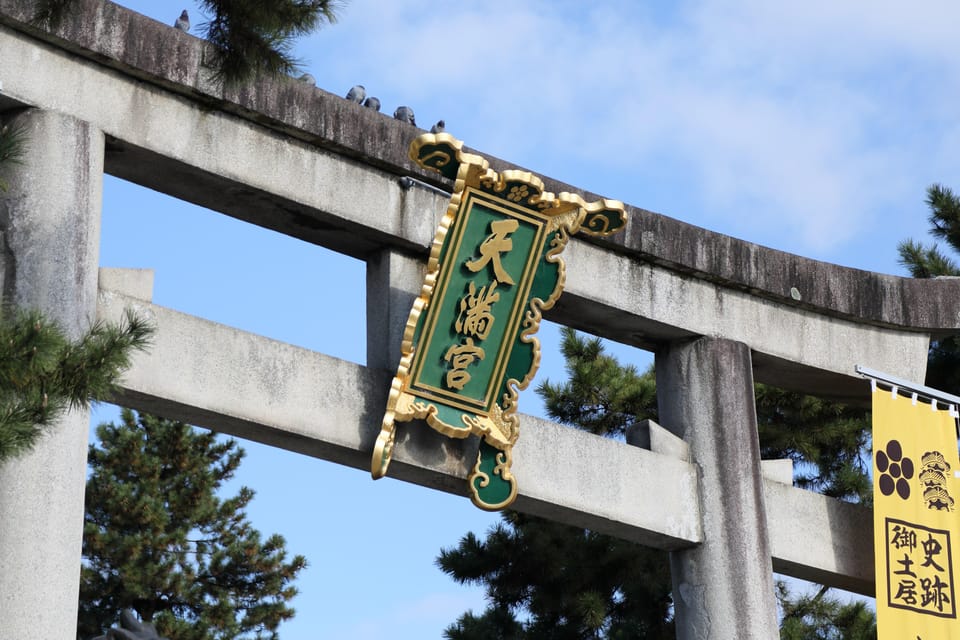
- Kitano Tenmangū Shrine sets the story: you’ll visit the guardian shrine tied to the area’s origin
- A guided look at Kamishichiken’s preserved townscape: traditional latticework, old-town feel, and a slow, respectful pace
- Places linked to local geiko and maiko: your guide points out associations around the district
- Short route, focused time: about 90 minutes total for a tight, not-overstuffed experience
- Guide quality matters here: one verified reviewer praised Akino for being interactive and helpful even after the tour
Why This Tour Starts at 一の鳥居 (First Torii Gate)
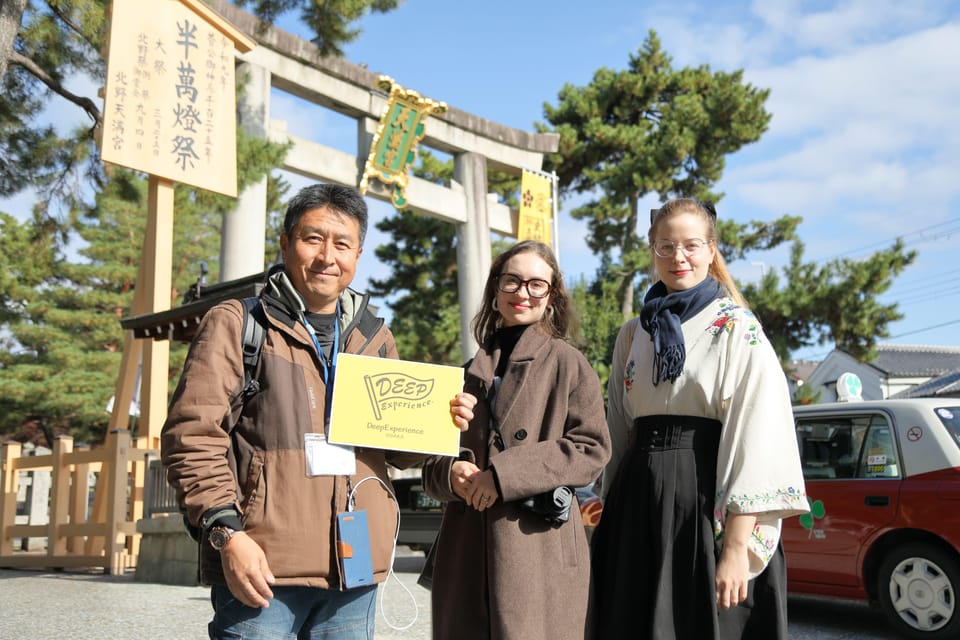
The experience begins at Kitano Tenmangū Shrine, meeting your guide in front of the first grand torii gate—starting at 一の鳥居. Your guide holds a yellow sign with the DeepExperience logo, so it’s pretty hard to miss them once you’re in the right spot.
This start matters because it frames what you’re about to see in Kamishichiken. Instead of treating the geisha district as a standalone attraction, the tour builds context right away: the shrine isn’t just a landmark—it connects to why this district formed the way it did.
If you’re the type who likes to understand the “why” behind a neighborhood, this structure helps. If you just want scenery with no explanations, you may find you’re paying attention anyway—because the guide’s story naturally pulls you along the street.
You can also read our reviews of more tours and experiences in Kyoto.



Kitano Tenmangū Shrine: Cultural Assets and Seasonal Scenes
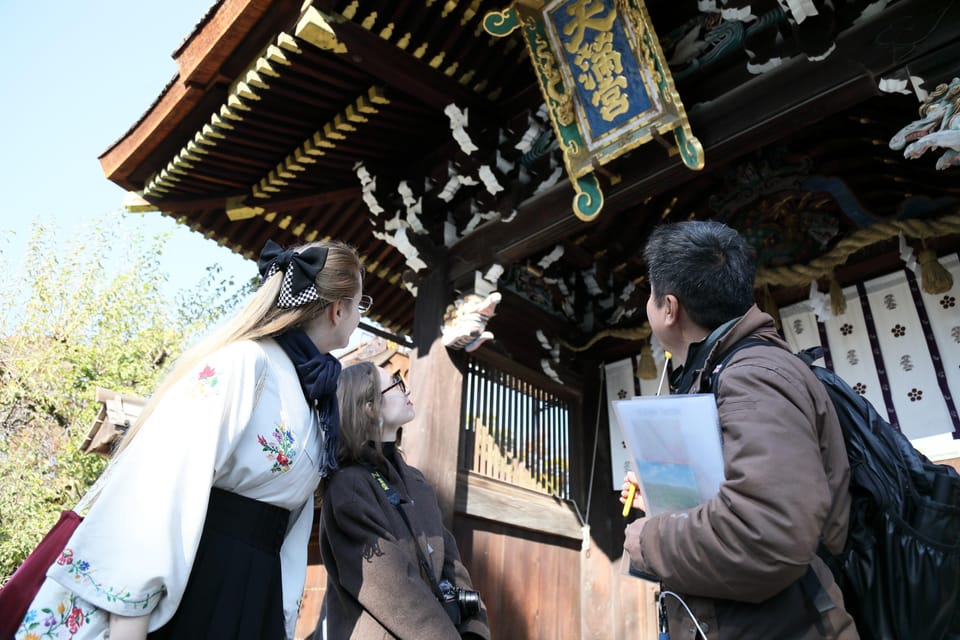
Your first stop is Kitano Tenmangū Shrine for about 30 minutes with a guide. You’ll pay your respects and get oriented in a way that feels calm rather than rushed. The tour highlights important cultural assets and national treasures, including the main worship hall—the kind of detail that turns a quick photo stop into something more meaningful.
One of the best things here is the pacing around the shrine grounds. The tour is designed so you can take in the atmosphere and notice the way the season affects what you see. Seasonal scenery is specifically called out as part of the experience, which usually means you’ll slow down in the moments where the place looks its best.
What to look for (so your brain doesn’t wander)
- The big shrine features your guide points out, especially major structures tied to heritage
- How the shrine setting connects back to the district outside
- Any seasonal visual cues your guide mentions as you walk the grounds
If you’re short on time in Kyoto, this shrine visit also helps you “place” Kamishichiken in a larger Kyoto story rather than treating it like a theme park.
Kamishichiken’s 400-Meter Street: A Preserved Townscape Walk
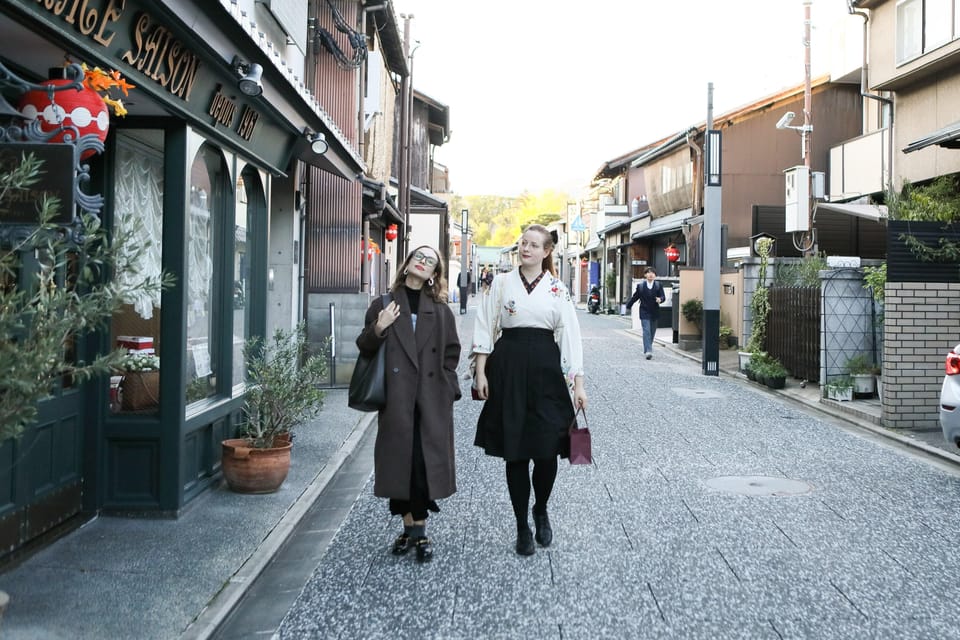
After the shrine, you head into Kamishichiken, Kyoto’s oldest hanamachi (a historic geisha district). The core walking segment is about 30 minutes, focused on strolling through the streets and townhouses that have kept their old look.
The standout visual is the traditional latticework townhouses lining the area—exactly the kind of detail you only notice when someone points it out and you’re moving slowly enough to take it in. Your guide leads you through this around 400-meter stretch, so you’re not spending your entire Kyoto day commuting between distant stops.
And yes, Kamishichiken is designed to feel away from the crowds. That “quiet pocket” effect is part of why the tour works for first-timers. You still get Kyoto, but you’re not stuck in the loudest bottlenecks.
Why this walk feels different than big city tours
This isn’t just a “see everything” loop. It’s a narrow focus on one preserved district, which means:
- you’ll recognize patterns in the town layout,
- you’ll notice building details,
- and you’ll connect what you saw at the shrine to what you’re seeing on the street.
That’s the difference between a checklist and an actual understanding of a place.

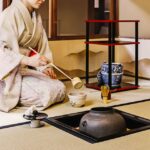

Where Geiko and Maiko Fit Into the District
A key part of the tour is that your guide doesn’t just point at pretty buildings. You’ll be directed to spots in Kamishichiken associated with local geiko and maiko.
That’s useful because it shifts your mindset from “historic costumes in a photo district” to “a working cultural neighborhood with rules, traditions, and history.” Even if you don’t spot anyone in traditional attire (the tour doesn’t promise sightings), you’ll still come away with a clearer sense of what this district was built to support.
Your guide also ties these associations to the streets you’re walking, which makes the information feel grounded. It’s one thing to hear about geisha culture in a classroom. It’s another to connect that culture to a narrow street lined with traditional architecture.
The Role of a Shrine in a District’s Creation
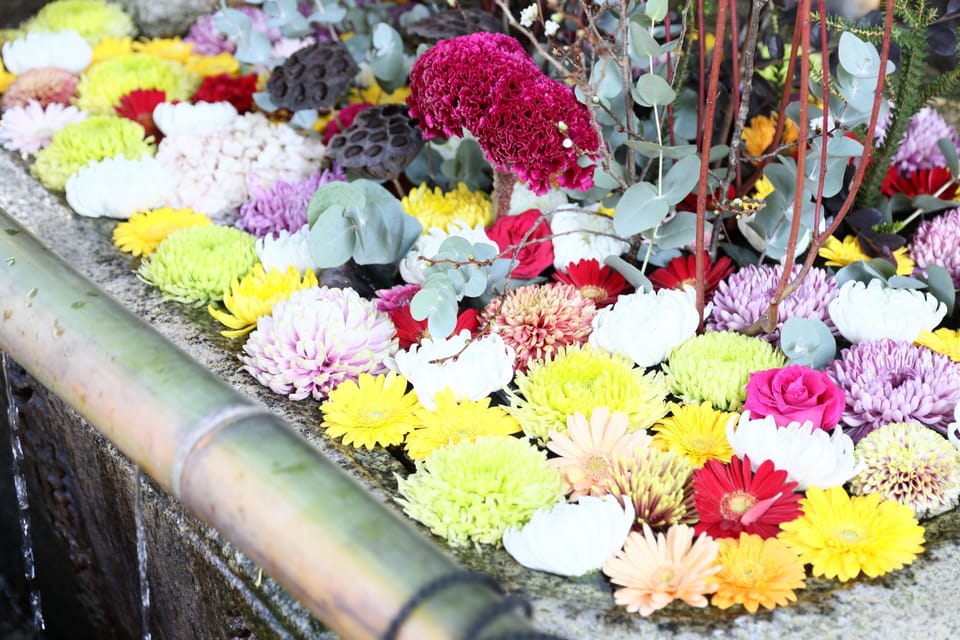
One of the most interesting stated goals of the tour is learning about the role of Kitano Tenmangū Shrine in creating Kamishichiken. This is the kind of connection that makes the whole outing smarter.
Here’s the practical value: when you understand how a guardian shrine helped shape the district, the townscape starts to make sense. You stop treating Kamishichiken as a random preserved area and start seeing it as an ecosystem—religion, community, and the district’s social life all linked together.
I especially appreciate this kind of framing because it helps you talk intelligently about what you’re seeing with other visitors, guides, or even shopkeepers. It turns Kyoto from scenery into a story you can actually retell.
Guide Quality: Getting Interactive Help Without Feeling Rushed
The tour is guided and runs as a private group. The data you’ve got also includes English and Japanese options, which matters if you want real explanations rather than head-nodding at things you can’t fully understand.
One verified review highlighted that the guide Akino was interactive and extremely helpful, even after the tour was completed. That’s a big deal. A tour can be pretty, but good guidance is what turns it into a learning experience you can carry forward—especially in a small district where details matter.
If you want the most from your guide
Bring a short list of questions before you go—things like:
- how the shrine and district relate in everyday terms,
- what certain town features were meant for,
- or what to notice if you walk around on your own afterward.
A private format makes that easier.
Price and Value: Is $30 Worth 90 Minutes?
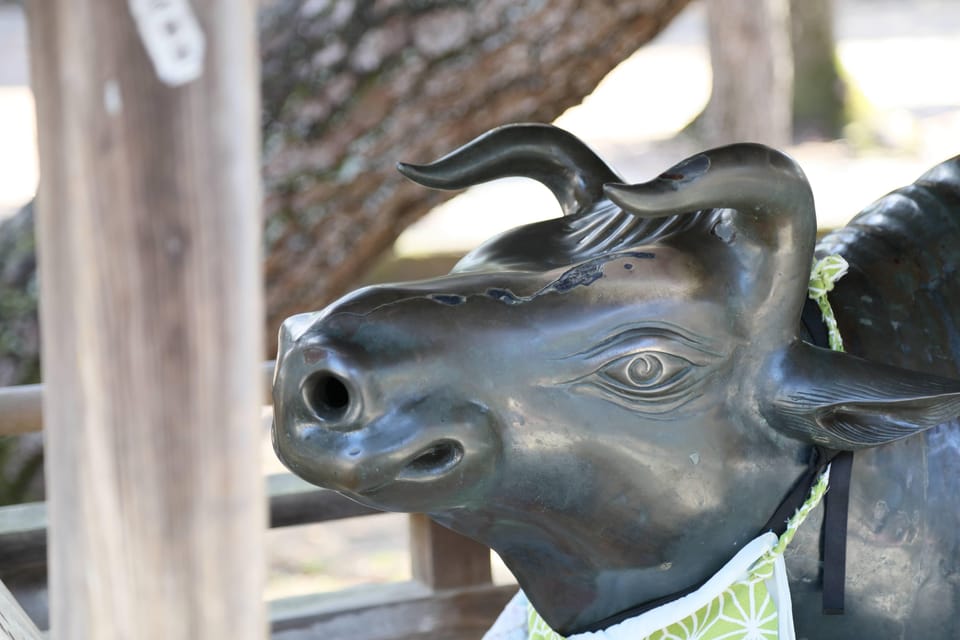
The listed price is $30 per person for 90 minutes, with an expert guide and a visit to Kitano Tenmangū Shrine included. For Kyoto, this price sits in the realm of guided cultural experiences that are more focused than mass group sightseeing.
Here’s the value logic I’d use if I were planning for myself:
- You’re paying for interpretation, not just access.
- The route is compact and guided, so you’re not losing time on transit or long repositioning.
- You get a complete “start-to-finish” arc: shrine context first, preserved district walk second, with guidance around cultural associations.
If your Kyoto trip includes multiple “walk and learn” activities, this one fits nicely because it’s not trying to cover five neighborhoods in one go. It’s more like a careful guided chapter in the Kamishichiken story.
Meeting Point, Timing, and How to Plan Your Day
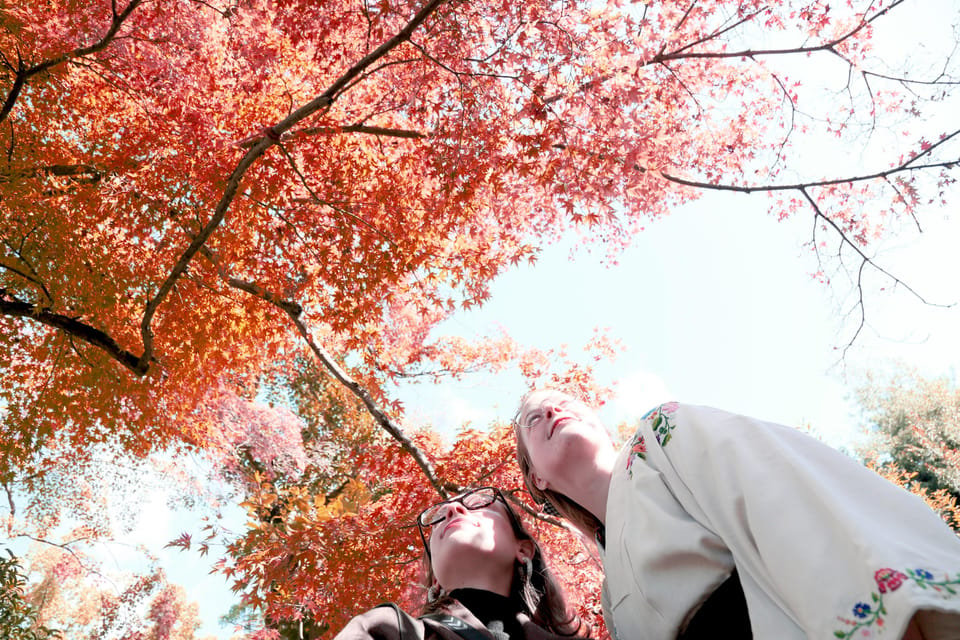
Your meeting point is clearly defined: in front of the first grand torii gate at Kitano Tenmangū, with the guide holding the yellow DeepExperience sign. Since the tour starts at the shrine, plan to arrive a bit early so you’re not rushing through your first moments.
The tour is 90 minutes total, and the guided portions are split into two chunks: one at the shrine (about 30 minutes) and one walking Kamishichiken (about 30 minutes). That structure makes it easy to schedule around other Kyoto sights.
Also, the tour is described as a tranquil stroll away from crowds. Still, you’ll be in a popular area. If you’re sensitive to busy streets, wearing comfortable shoes and keeping a steady pace will make a difference.
A note on dango
The dango tasting is subject to store availability. So if you’re hungry for a sweet snack, it might happen—but it might also not. Plan your expectations around the guided cultural walk first, snack second.
Practical Tips for a Smooth Kamishichiken Walk
This tour is a short walk, but it’s still walking in Kyoto. Here are the practical things that will help:
- Wear good shoes: you’ll be strolling through streets with traditional town layouts.
- Bring curiosity: the guide’s value is in noticing details you’d otherwise miss (like latticework, street corners, and shrine-to-district links).
- Keep your camera ready, but don’t only shoot: some of the best moments are pauses while your guide explains what you’re looking at.
- Plan for a quiet pace: Kamishichiken’s charm is the slower, respectful atmosphere.
One more consideration: the tour is not suitable for wheelchair users, so if accessibility is a factor for your group, you’ll want to look for an alternative format.
Who This Tour Suits Best
This works especially well if:
- you want Kyoto culture with a clear storyline,
- you like guided explanations more than wandering alone,
- and you enjoy small, preserved districts where details matter.
It may not be ideal if:
- you want a long “big sightseeing” day,
- you’re expecting constant entertainment or guaranteed sightings of geiko and maiko,
- or you need wheelchair-accessible routes.
But if you’re after a thoughtful, not-too-long introduction to Kamishichiken, this one is built for exactly that.
Should You Book This Kamishichiken Tour?
I’d book it if you want the most value from a short window in Kyoto. The combination of Kitano Tenmangū Shrine context plus a guided walk through Kamishichiken gives you a coherent experience: why the place exists, what the townscape looks like, and how the cultural associations fit into the street.
The guide factor is also a strong reason to consider it. With a private format and examples like Akino being interactive and helpful even after the tour, you’re more likely to leave with real understanding—not just photos.
If you want scenery only, you can probably self-wander. But if you want the story tied to the buildings, shrine role, and cultural connections, this is a smart use of 90 minutes.
FAQ
FAQ
How long is the Kamishichiken tour?
The tour lasts 90 minutes in total.
Where do I meet the guide?
Meet your guide in front of the first grand torii gate at Kitano Tenmangū Shrine. The guide will be holding a yellow sign with the DeepExperience logo.
What is included in the tour?
You’ll get an expert guide and a visit to Kitano Tenmangū Shrine.
What languages are available for the guided tour?
The live tour guide is available in English and Japanese.
Is this tour private or group-based?
It’s listed as a private group.
Is there any food involved?
There may be a dango tasting, but it’s subject to the store’s availability.
Is the tour wheelchair accessible?
No. The tour is not suitable for wheelchair users.